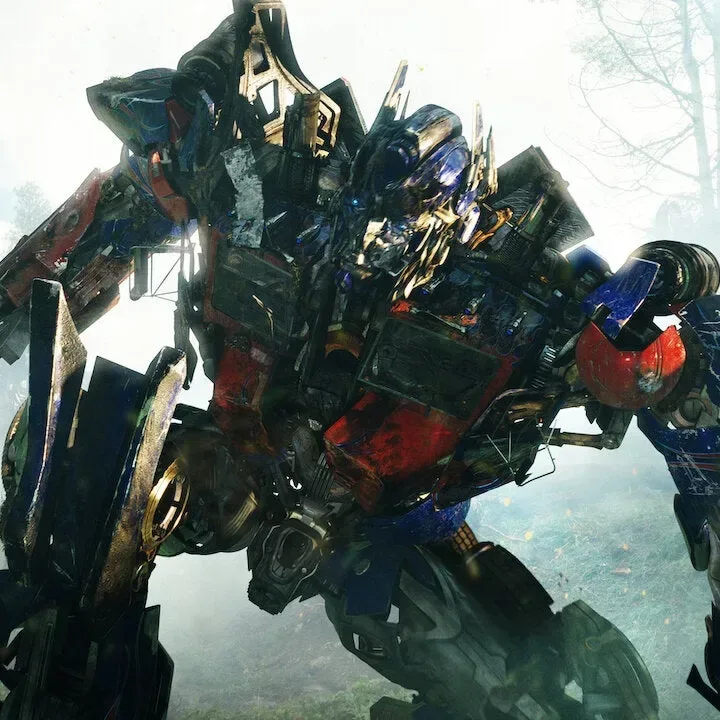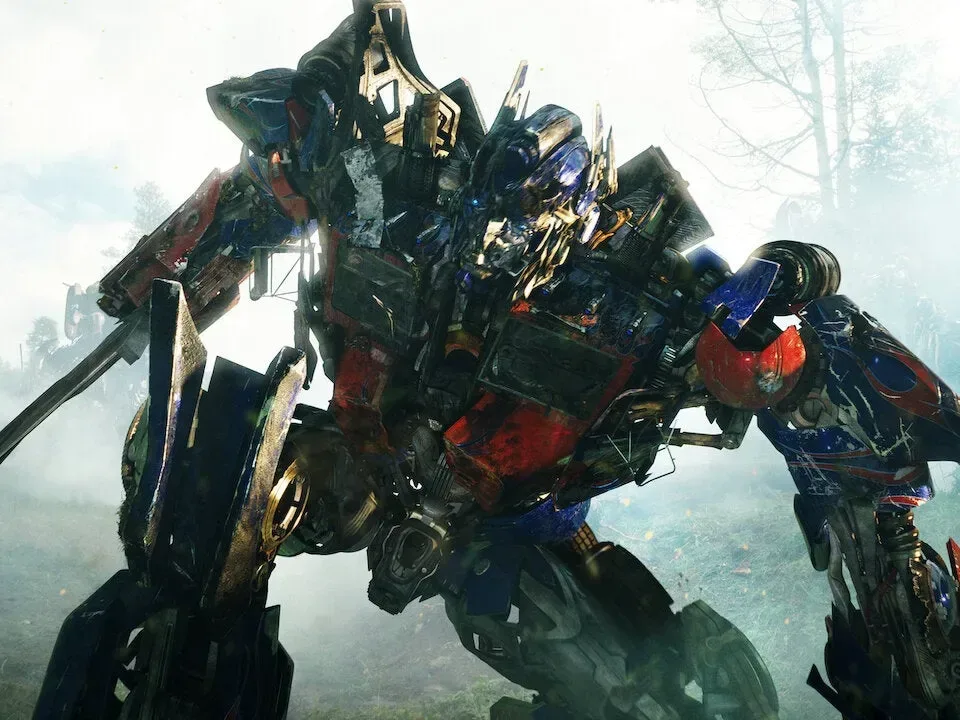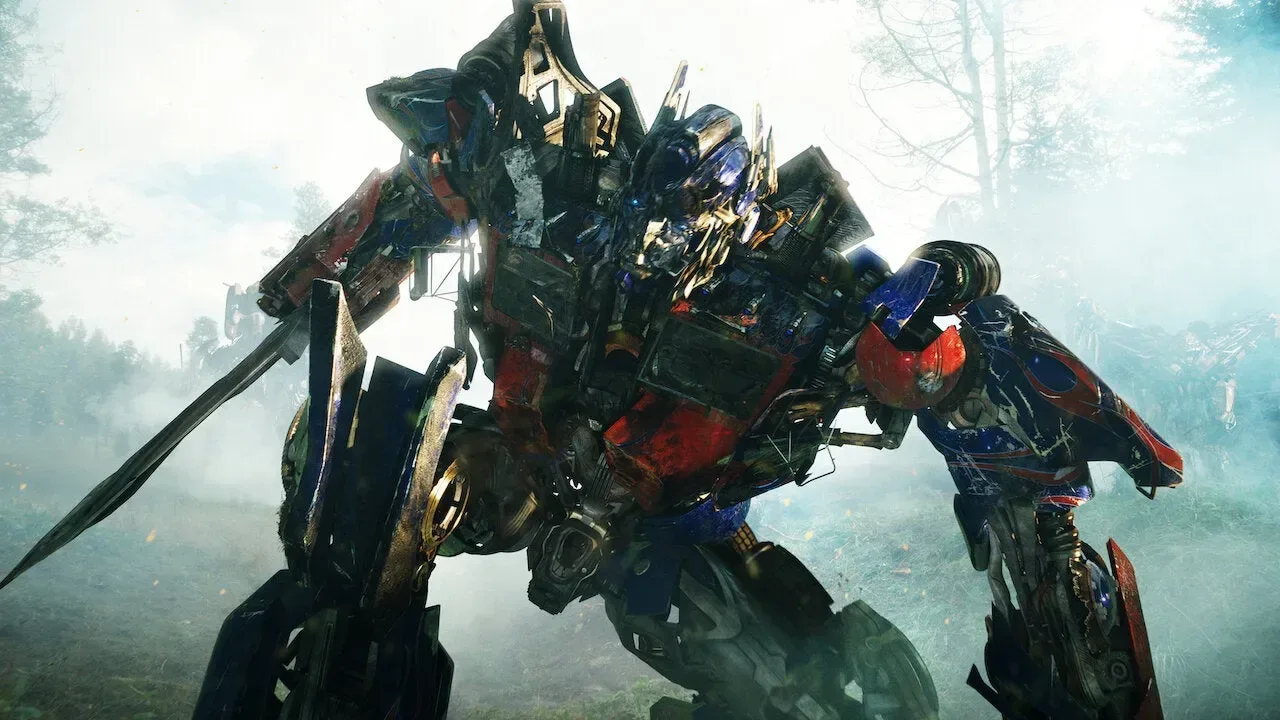
Optimus Prime has spent four decades as a distinctly recognizable symbol of robot heroism: the Autobot leader who puts protecting others ahead of power, talks his way through moral dilemmas when he can, and transforms into a truck rather than, say, a weaponized culture-war graphic. That long-established character identity is at the center of Hasbro’s response to Department of Homeland Security social-media posts that used AI-generated imagery resembling the Transformers leader in messaging about deportation.
Hasbro said the use of Optimus Prime’s likeness was not authorized. In a statement posted to Instagram on Thursday, the company said the character is associated with humility, leadership, compassion, and justice, and emphasized that the posts neither had permission nor represented Hasbro or the Transformers brand.
The company’s response is concise, but it lands on a significant distinction for a franchise that has existed across toys, cartoons, comics, films, games, collectibles, and licensed merchandise since the 1980s. A recognizable fictional character can arrive in a feed with the apparent visual force of an official campaign even when the rights holder had no involvement. Generative AI makes that disconnect especially easy to produce: a familiar face, recognizable color arrangement, and a few franchise-specific cues can be combined into an image that looks designed to exploit the audience’s immediate recognition.
What the DHS posts showed
One of the posts used an AI-generated mock poster titled Transformers: Age of Deportation. The image depicted Optimus Prime alongside DHS and ICE insignia. The title borrows the structure of the 2014 film Transformers: Age of Extinction, turning a blockbuster naming convention into immigration-enforcement messaging.
A separate post placed Optimus Prime face-to-face with a Sikh man and included language telling him to self-deport or face consequences. It also used a hostile, anti-Sikh message addressing “Mr Singh.” That post was deleted by DHS after receiving widespread criticism, including accusations that it was openly racist.
Those details matter because this was not simply an abstract use of a pop-culture silhouette or an all-purpose robot image. The posts connected a character owned by Hasbro to a specific government program, agency identifiers, immigration enforcement, and rhetoric aimed at an identifiable person and community. Hasbro’s statement rejects that implied connection directly.
For viewers, the episode is a useful reminder that familiarity is not the same thing as authorization. Social media moves quickly, while AI imagery can be visually polished enough to make provenance difficult to assess at a glance. A character’s presence in a post should not be read as a sponsorship, a licensing deal, a brand partnership, or approval from the people who own the underlying intellectual property.
Why Optimus Prime is an unusually loaded choice
Transformers has never been one single text with one single audience. It is a sprawling entertainment and collectibles institution with multiple continuities, generations of viewers, and an enormous toy history. But Optimus Prime has remained the franchise’s most consistent emblem. Whether he appears as a Generation 1-style cab-over truck, a movie-era redesign, a premium figure, or an animated counterpart, the basic expectation is clear: Optimus is the principled leader.
Related coverage includes Hasbro Says DHS Used Optimus Prime AI Imagery Without Permission.
That is why Hasbro’s choice to foreground traits such as compassion and justice is meaningful. It does more than say that a piece of imagery was unauthorized. It draws a line between the company’s understanding of Optimus Prime and the political message placed around his likeness.
In a franchise built around conflict, Optimus is not a character whose appeal rests only on intimidation. He is commonly defined by restraint, responsibility, sacrifice, and a protective duty toward humans and fellow Autobots. Fans can disagree about their preferred series, voice actor, toy line, or interpretation of the character, but that ethical core has been central to Optimus Prime’s cultural footprint. Using him as the face of a threatening deportation post clashes with the values Hasbro identified in its response.
The timing also added another painful layer for Transformers audiences. The posts arrived soon after the death of Peter Cullen, the actor who voiced Optimus Prime for decades. Cullen’s performance supplied much of the emotional and moral texture associated with the character for generations of fans. His final performance as Optimus is set to appear in Optimus Prime: Awakening, an upcoming short film planned for presentation alongside 40th-anniversary screenings of The Transformers: The Movie.
That proximity intensified the backlash. The issue was not merely that a famous robot appeared in an AI-generated political image. For many longtime fans, it involved a character inseparable from Cullen’s voice and legacy being used in a context starkly at odds with the leadership and decency they associate with both the role and the performer.
AI makes pop-culture appropriation faster and murkier
The dispute sits within a much bigger conversation about generative AI, public messaging, and creative ownership. It is now possible to create images that evoke expensive, globally recognizable franchises without arranging a photo shoot, commissioning traditional illustration, or licensing a character. The speed is part of the appeal. So is the way familiar imagery can instantly communicate a desired mood—strength, nostalgia, rebellion, comedy, or authority—to an audience already trained by decades of pop culture.
But visual recognition can also function as borrowed credibility. When a public institution uses an image that resembles a major character, the image may imply that the franchise itself has been conscripted into the message. The rights holder’s public disavowal becomes an important corrective, particularly when the message is controversial and the original post does not make the lack of affiliation obvious.
As AI becomes routine in promotional and political material, the question is increasingly not only whether an image looks convincing. It is whether the audience can tell who made it, why it was made, what references were used, and whether the people responsible for those references agreed to participate. Those concerns extend beyond Transformers. They affect performers, artists, studios, game creators, collectors, and fans whose relationship with fictional worlds can be turned into an attention-grabbing visual shortcut.
The broader creative unease around this kind of shortcut has been echoed in discussions of AI’s limits. One recent perspective on AI and human creativity frames the tension around the parts of art that are harder to automate: the messy, specific human choices that give a work meaning beyond surface-level resemblance. In this case, the surface-level resemblance was precisely the point—and that is why the brand response has drawn attention.
A broader pattern of pop-culture imagery in official posts
The DHS images appeared amid wider use of pop-culture-adjacent, frequently AI-generated visuals in Trump administration social posts. Other examples mentioned in connection with the Optimus Prime controversy include an AI video portraying President Trump as Green Lantern and newly revealed Space Force uniform designs that observers compared to the Galactic Empire in Star Wars and troops from Starship Troopers.
Those comparisons illustrate how quickly pop-culture language can be recruited into public-facing communication. Some of the references may be intended as spectacle, some as provocation, and some as an attempt to make policy messaging more instantly shareable. Yet the results can be unpredictable. A reference may carry meanings its user did not anticipate—or, in the case of satire such as Starship Troopers, may invoke a work whose themes sharply complicate the comparison.
For brands, the practical concern is clear. A beloved character is not just a design asset. It represents years of storytelling, performer contributions, fan attachment, licensed products, and a reputation carefully shaped across markets. When that character’s likeness appears beside political or government messaging without consent, a formal clarification may be necessary to prevent confusion about the relationship.
What Hasbro’s statement does—and does not—say
Hasbro’s message establishes two clear points: it was aware of the posts, and it did not permit them. It also says the material does not speak for Hasbro or Transformers. The statement does not describe any legal action, demand, takedown request, agreement, or future step. Nothing in the company’s public wording establishes what, if anything, will happen beyond its disavowal.
That restraint is worth noting in a news cycle where online discussion can move from an image to sweeping assumptions almost immediately. The available facts support a straightforward account: DHS circulated posts using AI-generated imagery of Optimus Prime in deportation-related messaging; one post was later deleted; Hasbro said the use was unauthorized and inconsistent with its brand. Claims beyond that should remain claims until additional information is made public.
Still, the incident will likely remain notable because it captures several present-day pressures in one unusually visible package: AI’s ability to imitate iconic visual language, government messaging built for social engagement, the risks of connecting entertainment brands to political campaigns without permission, and a fan community grieving the voice most closely associated with its central hero.
For Transformers fans, the immediate answer from the company is unambiguous. Optimus Prime was not speaking for DHS. Hasbro says DHS was not speaking for Optimus Prime, either.