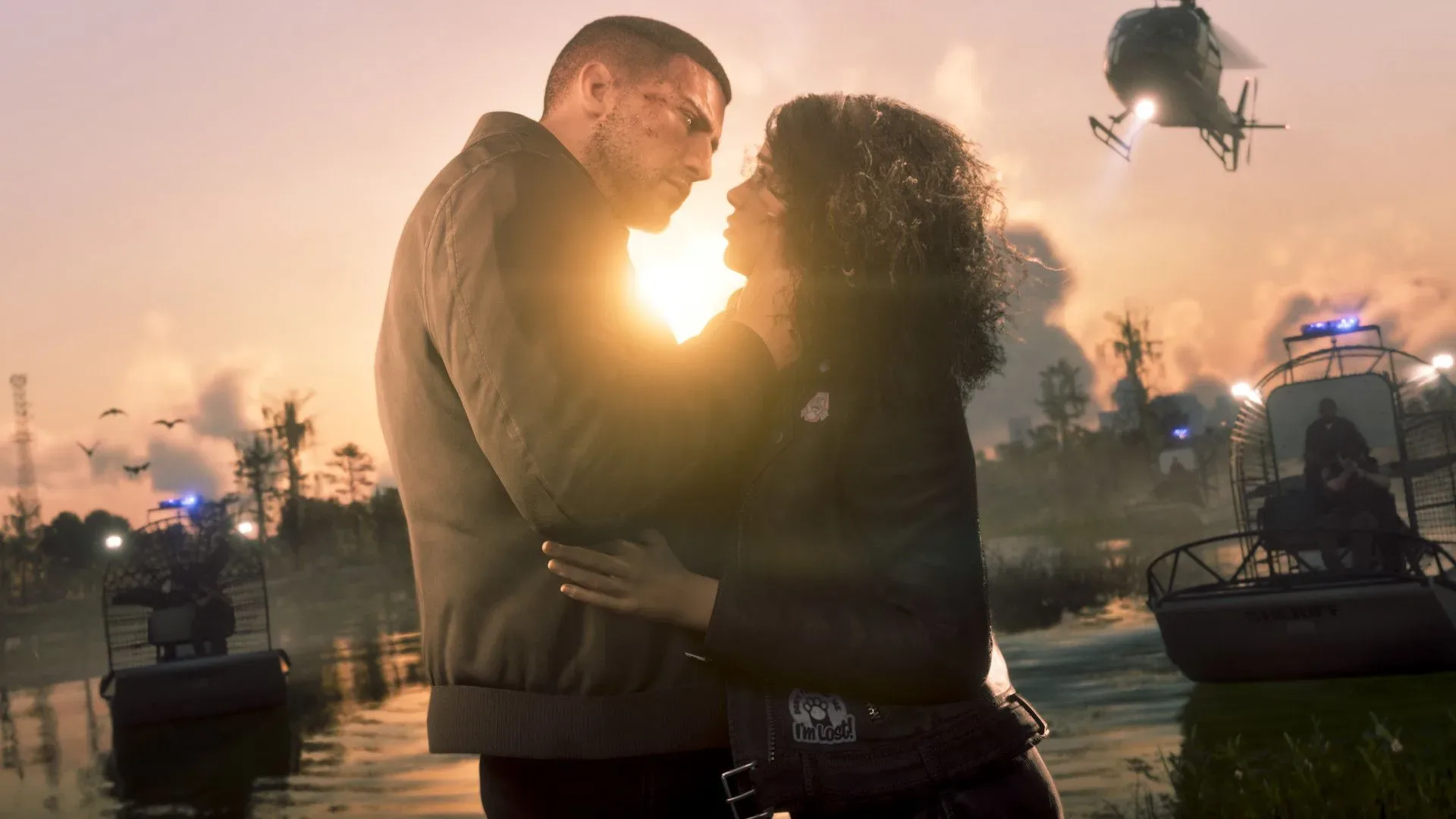
Grand Theft Auto has never had trouble finding material. Its fictional cities are built from oversized personalities, consumer absurdity, media noise, criminal ambition and the sort of public behavior that makes a person wonder whether society needs a pause button. But for Grand Theft Auto 6, identifying something ridiculous is only the first part of the job. The harder question is whether it will still be ridiculous—and recognizable—when the game finally reaches players.
Rockstar North co-lead Rob Nelson has explained that GTA 6 has been in development since 2015. Most of the team, he said, moved onto the project after Red Dead Redemption 2 launched in 2018. That long runway creates a particular storytelling problem for a series famous for reflecting the culture around it: a topic that seems unavoidable during writing may be passé by the time it is cast, filmed, integrated into missions and shipped in a massive open world.
“There will always be things to satirize,” Nelson said, while stressing that the team needs to be selective about what it chooses.
That is a sensible distinction. GTA’s best jokes have rarely depended entirely on one fleeting headline. The games may contain immediate references and familiar cultural textures, but their more durable targets are broader systems and habits: status anxiety, advertising, political theater, celebrity obsession, opportunism and people treating attention as a natural resource to be strip-mined.
For GTA 6, the developers are weighing whether an idea will still work after a development process that stretches across more than a decade. Nelson described the risk plainly: by the time a topic is written, cast, shot and implemented, it may have vanished, changed shape or simply become dated. The goal, then, is not to turn every current event into a mission or commercial. It is to select subjects that support the story and the version of the world Rockstar is making.
A modern Vice City needs more than a timestamp
The series has approached time in different ways. Grand Theft Auto: Vice City deliberately revisited a stylized 1980s Miami, using period music, fashion, crime-fiction archetypes and neon excess as part of its identity. GTA 6’s Vice City is positioned much closer to the present-day approach of Grand Theft Auto V: a contemporary setting that can absorb recognizable behaviors without becoming a strict documentary of a particular week on the calendar.
That strategy matters because “current” and “timeless” are not opposites. A game can depict contemporary life while aiming at patterns likely to persist. Technology changes names, platforms and interfaces at an almost comical speed; the desire to go viral, sell a persona, chase clout or broadcast a bad decision to strangers is far more resilient. It simply finds new apps and new camera angles.
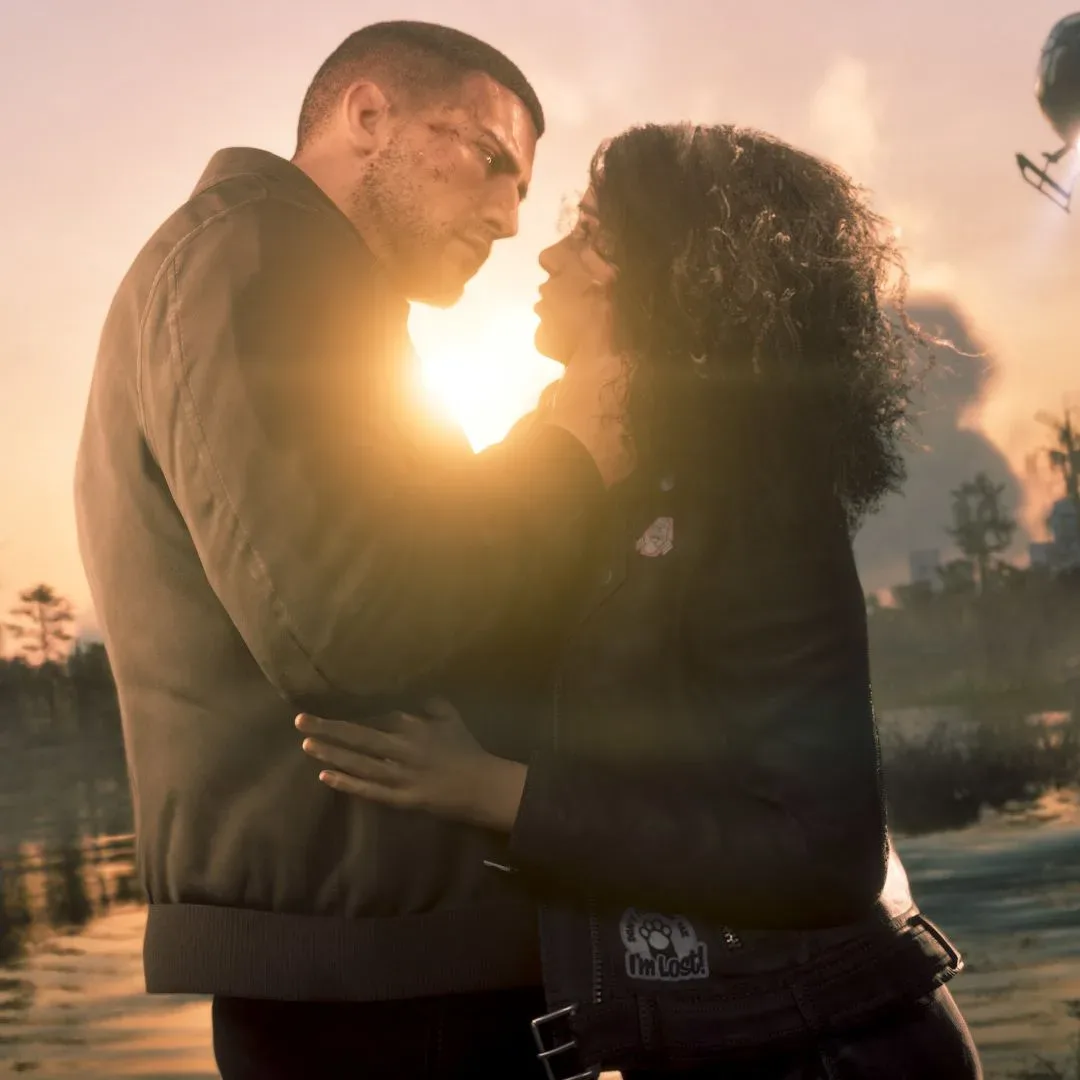
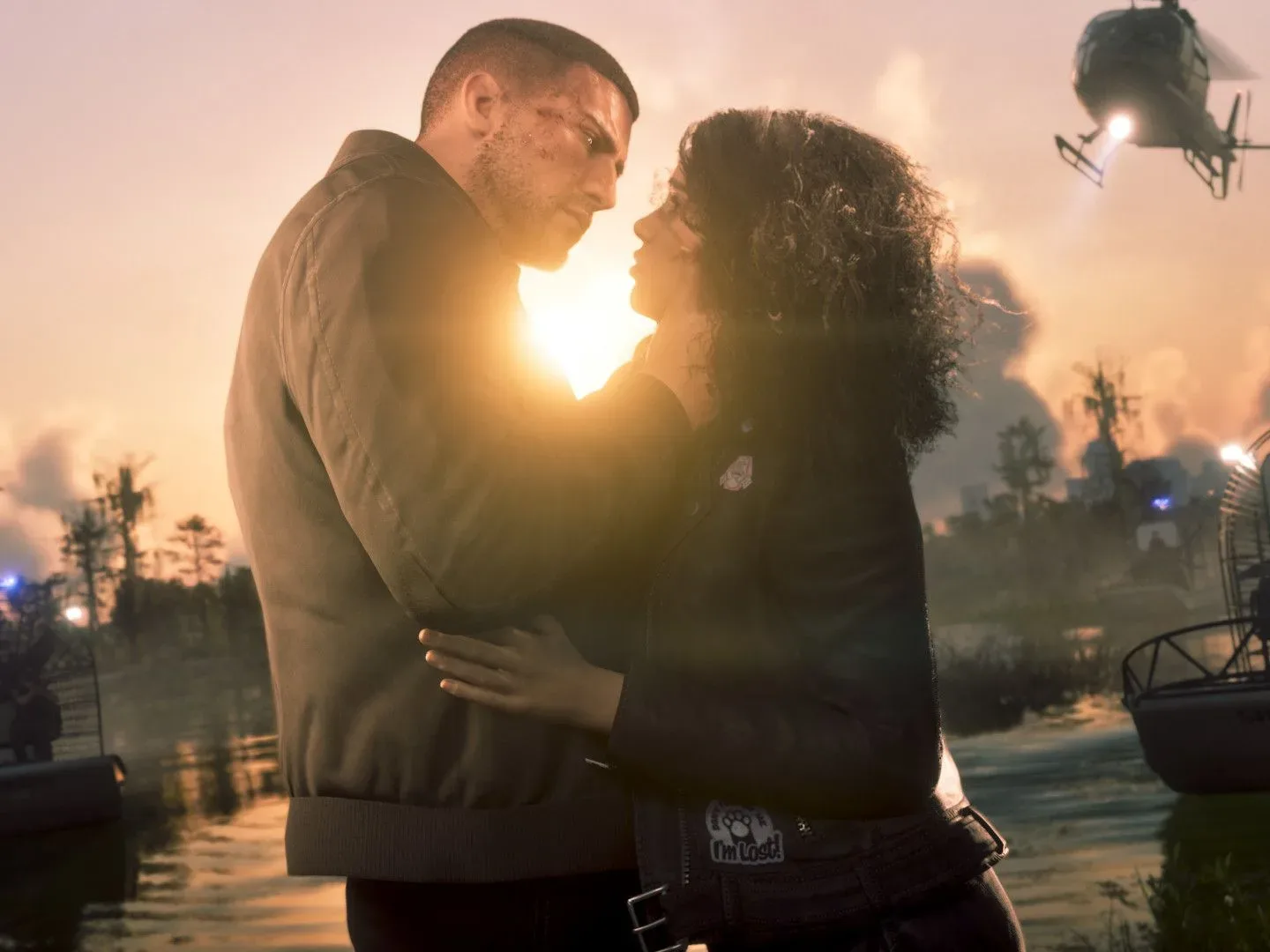
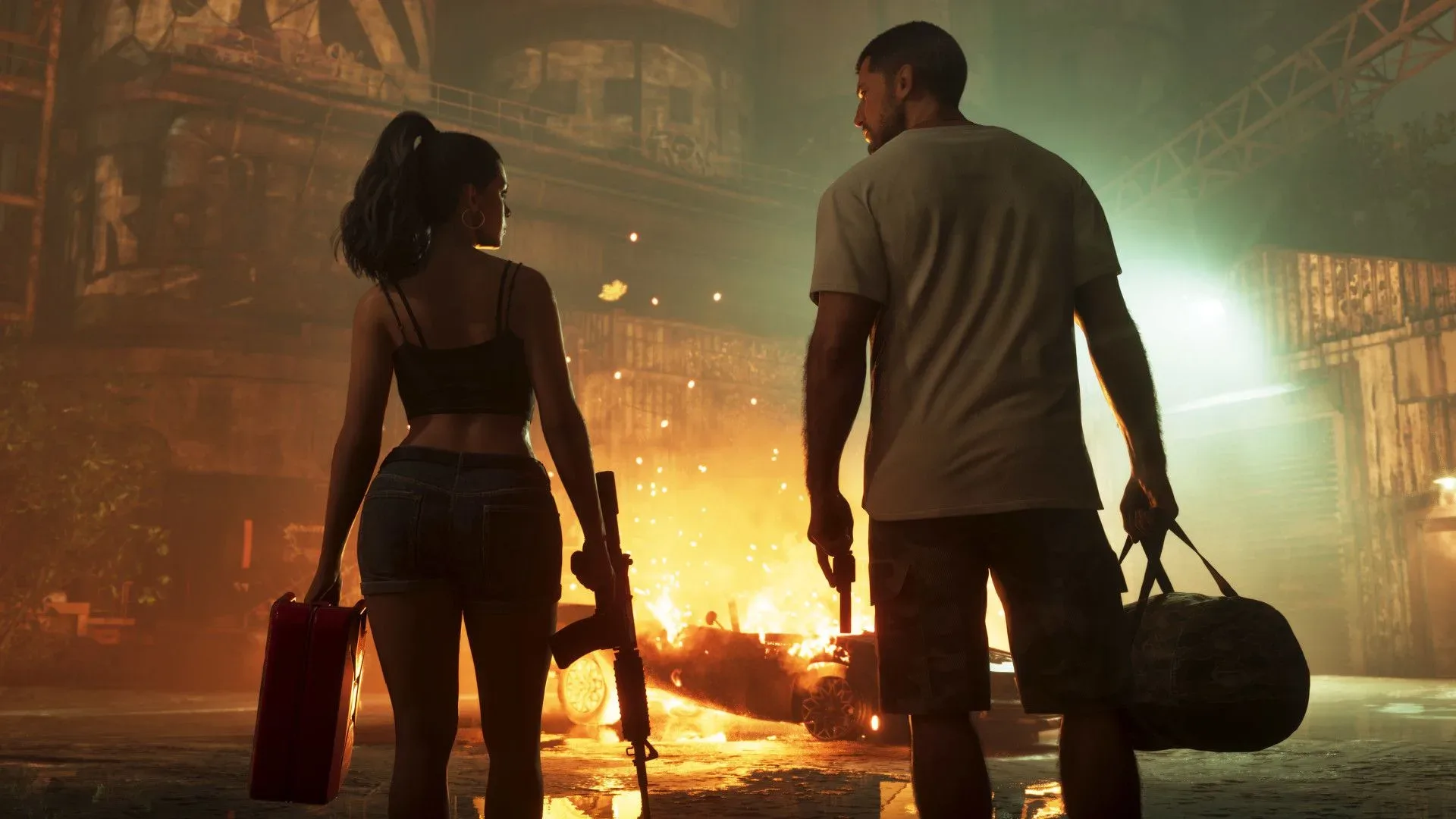
Material shown from GTA 6 already suggests Rockstar understands that difference. The extended look at the game includes a streamer seeking the next viral street-level moment in Vice City. It is a notably flexible observation: the exact form of online video culture may evolve, but the performative chase for reach and reaction has proven stubbornly durable. It is the kind of behavior that can feel specific to the 2020s without requiring players to remember a single short-lived trend.
In-game television advertising is another familiar tool in Rockstar’s satirical kit. GTA has long used commercials, broadcasts and background media to make its cities feel noisy, commercial and self-parodying. These bits can poke at capitalism and cultural excess while also giving the fictional world its own texture. They work especially well in an open-world game because they let players encounter the joke naturally, whether they are following the story, browsing a shop, idling in an apartment or recovering from a spectacularly unnecessary traffic incident.
The danger of the “perfect” topical gag
Long development cycles are common across the biggest games, yet they are uniquely awkward for satire. A mechanical feature can be iterated. A mission can be rebalanced. A visual effect can be updated as hardware and tools improve. A topical joke, however, is exposed to the speed of culture. Its target may be replaced by a new one before the team has even finished recording dialogue.
Nelson’s comments indicate that GTA 6 is approaching this as a question of fit rather than a mandate to reference everything. A major real-world event, including the COVID pandemic raised during the discussion, might be culturally significant without automatically belonging in the final game. Rockstar’s deciding factor is whether the subject serves the story being told and the world in which that story unfolds.
That restraint could make the final satire stronger. An open-world game of GTA 6’s scale has room for a vast amount of detail, but more references do not necessarily make a setting sharper. A game stuffed with items that were briefly popular years earlier can quickly resemble a digital time capsule. That is not inherently bad—some games intentionally pursue that effect—but it would be a strange fit for a new GTA aiming to feel alive on release.
The practical challenge is that satire needs enough specificity to land. Generic mockery of “the internet” or “brands” can feel toothless. Yet an extremely precise spoof can expire at high speed. The art lies between those extremes: find an enduring behavior, then represent it with the sort of sharp, weirdly plausible detail that makes players recognize the target without requiring a glossary of abandoned memes.
What Rockstar can lean on
Nelson’s description points toward several durable wells of inspiration, rather than a promise of particular plot points or jokes. These are the kinds of social patterns that can outlast a decade-long production:
- Attention economies: the impulse to turn everyday life, conflict and embarrassment into content.
- Commercial overload: branding, sales pitches and corporate language invading places where they have no business being.
- Public performance: people curating identity for an audience, whether that audience is local, national or permanently online.
- Institutional nonsense: bureaucratic doublespeak, political spectacle and systems that somehow fail while loudly congratulating themselves.
- Human opportunism: the evergreen GTA fuel source, equally useful for criminals, entrepreneurs, influencers and anyone selling a miracle solution from a suspiciously glossy van.
These are not revelations about GTA 6’s content. They are simply the durable human behaviors implied by Nelson’s broader point. The series has always found comedy in people behaving badly under pressure from money, ambition and ego; those themes have been around longer than any particular social platform and should remain available long after the next one redesigns its logo.
Why the development timeline changes the creative equation
A project begun in 2015 has crossed multiple technological and cultural eras before launch. The majority of GTA 6’s team coming aboard after 2018 also underlines that a title can remain in development for years while its full production effort changes scale. That is one reason “just add the big thing everyone is talking about” is rarely a realistic creative plan. The work required to turn an observation into a polished game element is extensive, and each addition must sit within a larger narrative, performance and technical structure.
That reality is visible throughout the games business, where long productions force studios to balance early creative commitments against a moving cultural landscape. Production choices can be revisited, but not without consequences for scheduling, scope and cohesion. The broader tension between new tools and carefully managed production is also surfacing elsewhere in entertainment; recent discussion around limited generative-AI use in filmmaking is another reminder that technology decisions are often shaped by craft, context and practical boundaries rather than hype alone.
For Rockstar, the solution Nelson describes is less about chasing the news cycle than looking past it. The team can observe the world, identify what feels absurd and ask whether that absurdity belongs in its fictional Florida-inspired setting. If the answer is yes, it still must survive the time needed to build a complete game around it.
November 19 is the real test
GTA 6 is scheduled to release on November 19. Until then, the material publicly shown offers only a limited view of the game’s satirical range. The streamer imagery and television commercials signal continuity with Rockstar’s established approach, but they cannot reveal how extensively those ideas are woven through the story, activities and broader depiction of Vice City.
Nelson’s comments do clarify the creative filter behind that work. GTA 6 is not treating satire as a race to capture every passing phenomenon. Its developers are attempting to choose targets that can remain meaningful through an unusually long production cycle and that strengthen the story rather than distract from it.
That may be the most GTA-like approach possible. Trends evaporate, terminology mutates and yesterday’s discourse becomes tomorrow’s baffling artifact. But there will, as Nelson noted, always be ridiculous behavior to observe. Vice City should have no shortage of it.