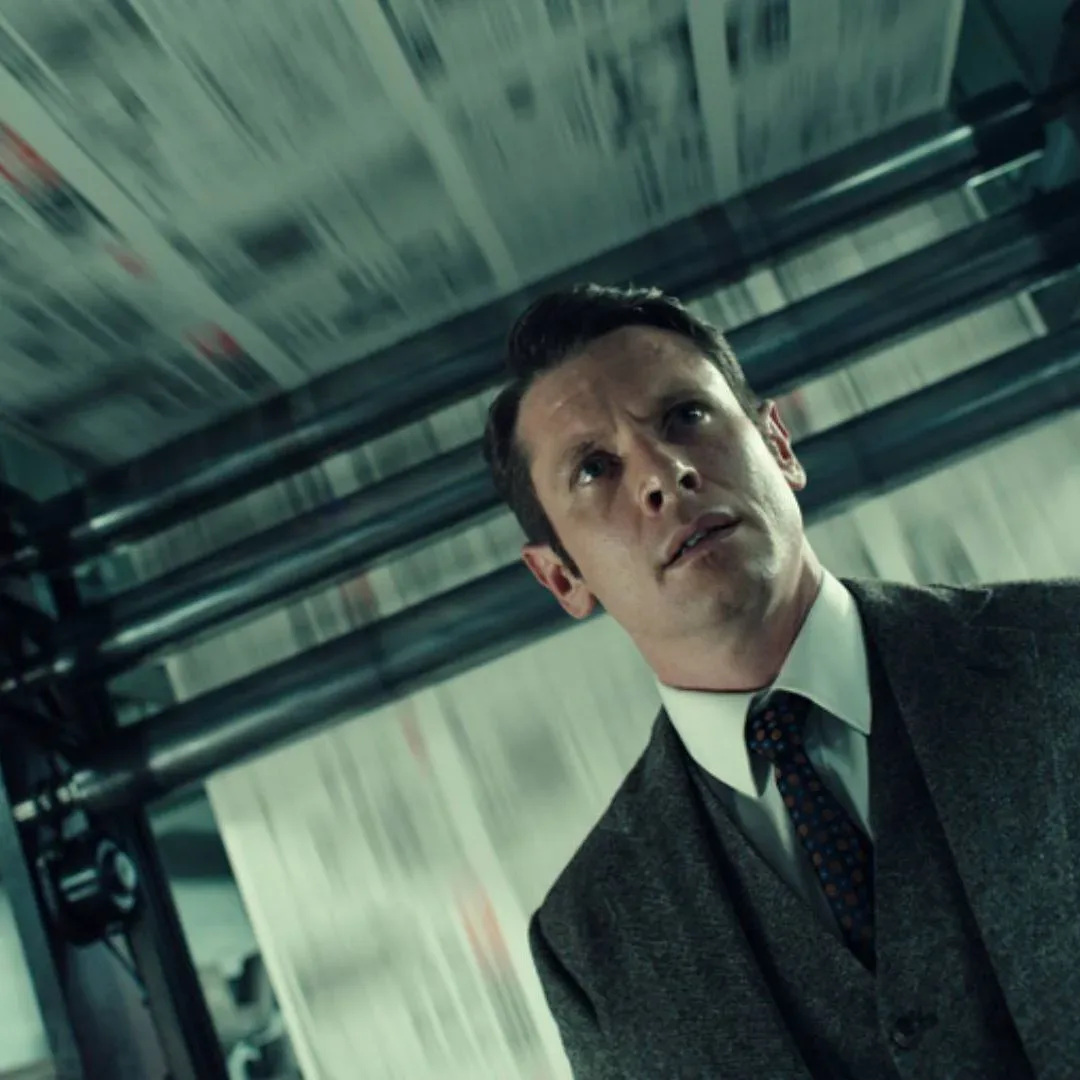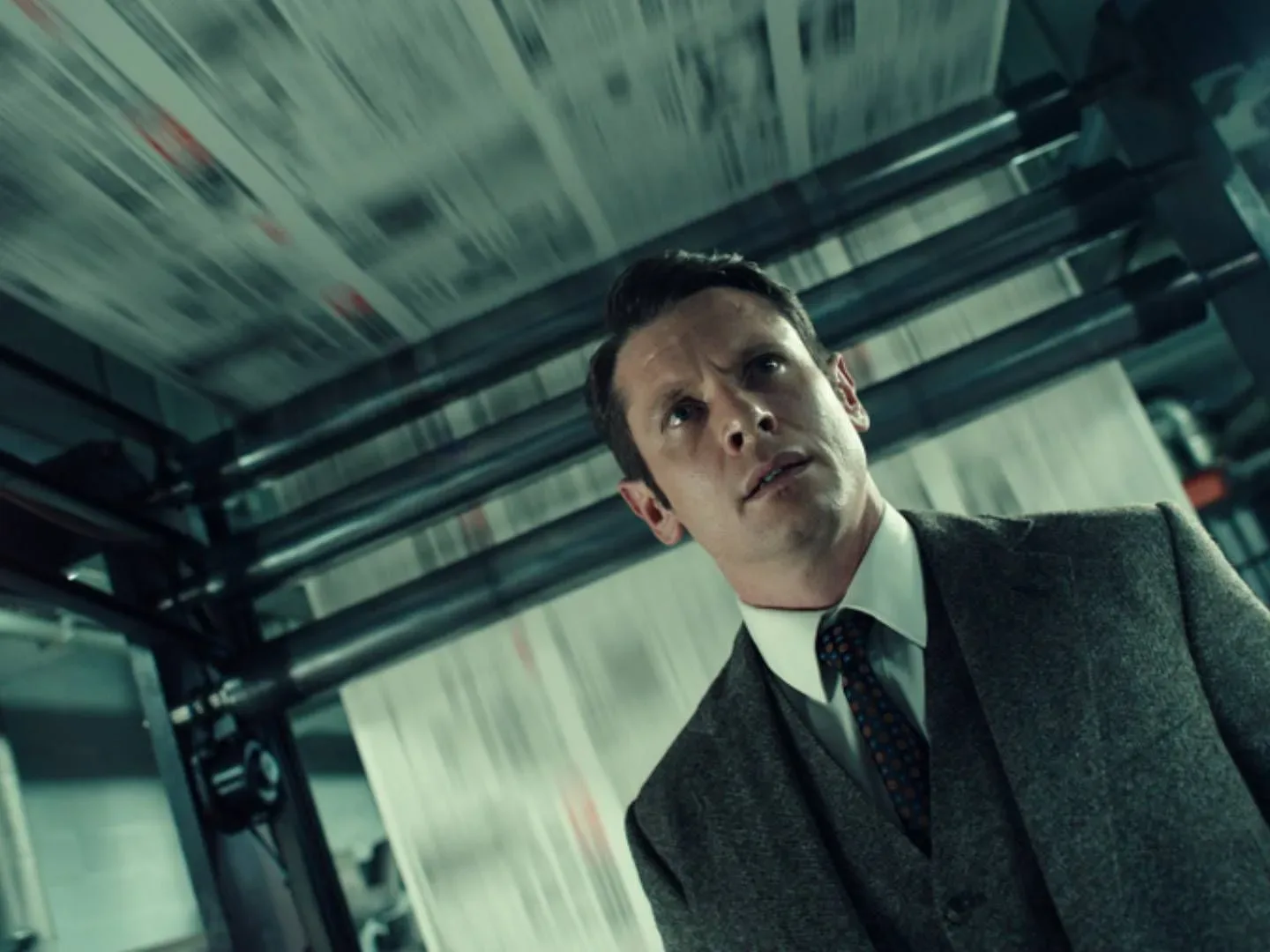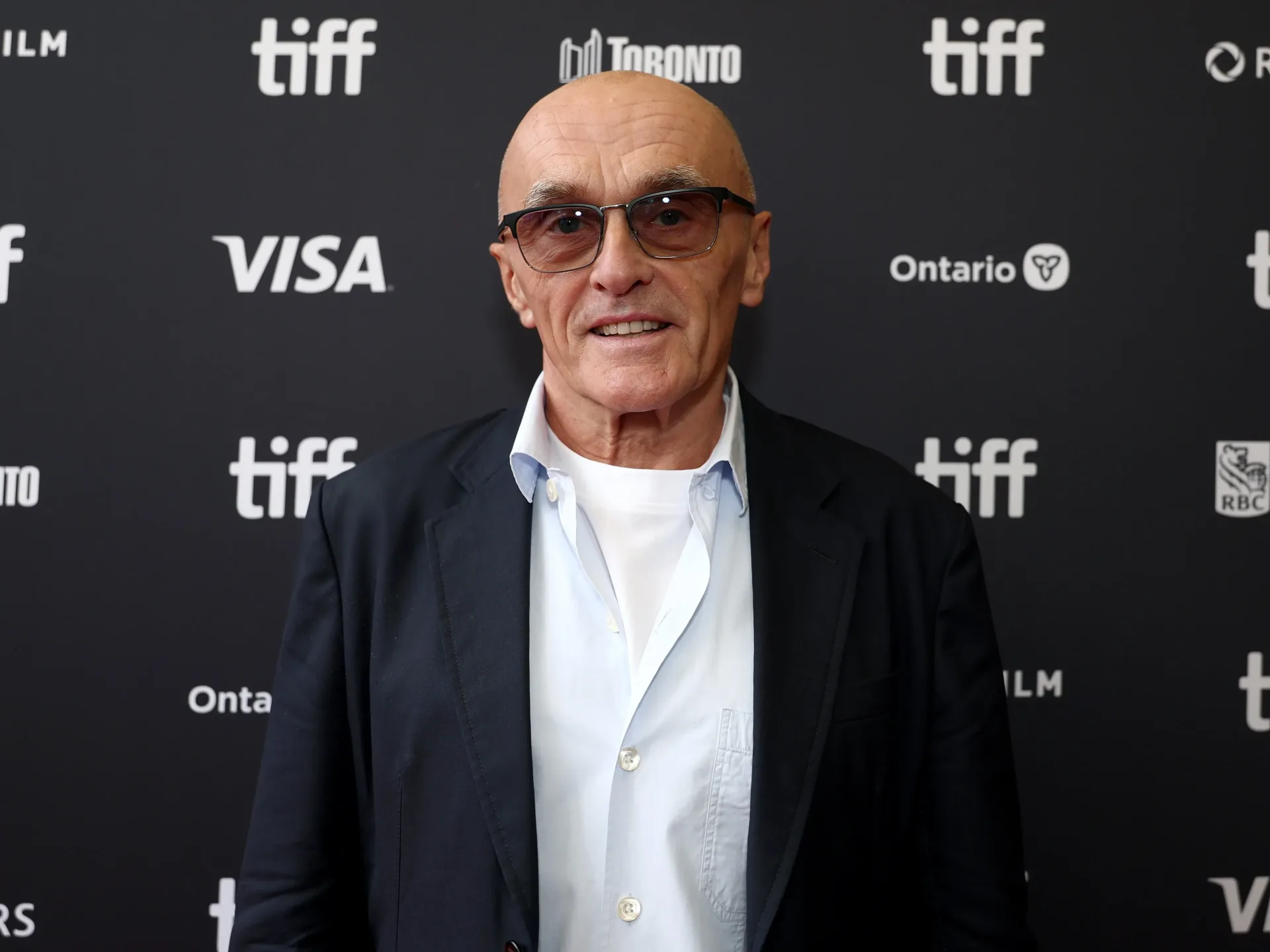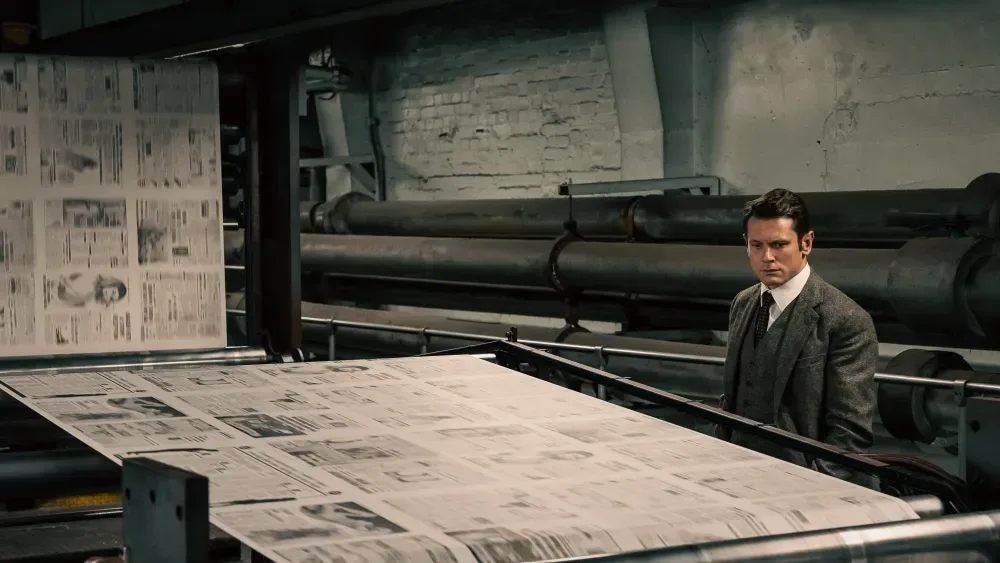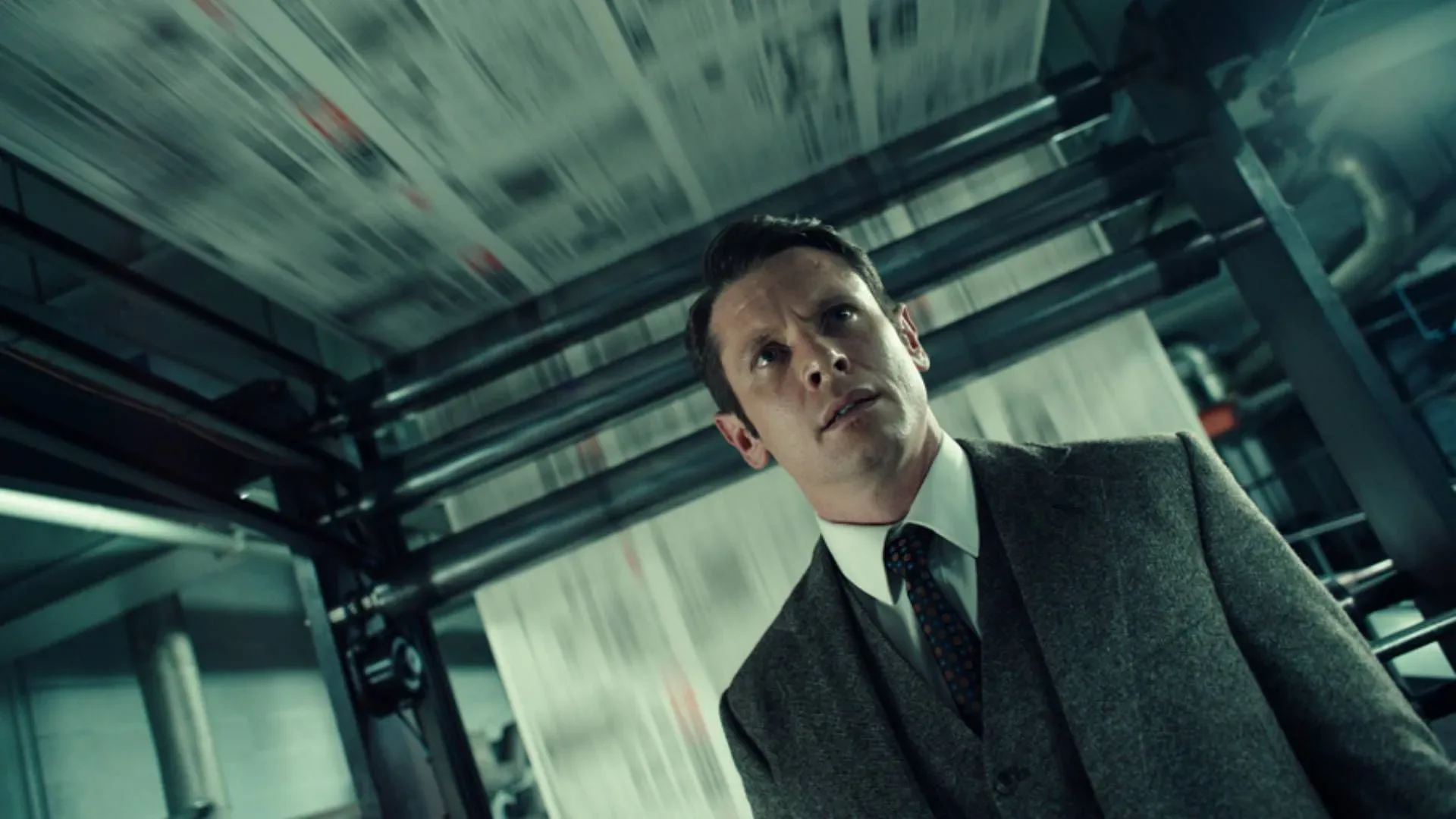
Danny Boyle’s Ink has become part of the widening argument over generative AI in film, though the director describes its use in the biographical drama as extremely limited. Boyle says roughly 30 seconds of the finished movie uses generative AI, with the technology applied to animated old photographs and to mice moving through a recreated newspaper newsroom.
The disclosure has attracted attention because Ink is not a large-scale fantasy film built around creature work or a digital spectacle designed to show off visual-effects breakthroughs. It is a period drama set across the late 1960s and early 1970s, focused on newspaper editor Larry Lamb and media executive Rupert Murdoch. Jack O’Connell plays Lamb, while Guy Pearce plays Murdoch.
That contrast is a useful reminder that the current AI conversation is not confined to movies that look obviously synthetic. Even a short, background-level intervention can prompt questions about creative authorship, performer protections, visual-effects employment, animal welfare, provenance, and whether audiences should be told exactly what they are seeing. Thirty seconds may be a sliver of a feature film, but it is still enough to make a production’s choices part of the public discussion.
What Boyle says the AI was used for
Boyle has characterized generative AI as a potentially useful addition to the standard visual-effects toolkit, provided it is used with care. His stated condition is especially clear where performers are involved: if actors are substituted with AI-driven versions of themselves, he argues they should be paid.
“It’s a useful tool,” Boyle said, while stressing the need for respectful use and compensation when actors are replaced by AI embodiments.
For Ink, the director identifies two specific applications. First, the production used the technology to bring a small number of historical photographs to life. The result belongs to a familiar modern visual language: still images given motion, depth, or the suggestion of activity. Such effects can make archival material feel more immediate, but they also demand particular care. A photograph documents a moment; an animated version necessarily adds interpretation beyond what the original frame captured.
Second, Boyle says the movie uses AI-generated mice in a scene set in the newsroom of The Sun. He connected that decision to his long-standing preference for avoiding the use of real animals where possible. Boyle recalled criticism over the chimpanzees featured at the beginning of 28 Days Later, saying that he has sought to rely on computer-generated animals since then.
Animal work is one of the areas frequently presented as a practical case for digital tools. A digital mouse avoids placing a live animal on set and eliminates the uncertainty of trying to make an animal hit a mark under bright lights, amid crew activity and repeated takes. Yet the presence of a humane rationale does not automatically settle the question of which tools should make that effect. Conventional computer graphics, animation, compositing, and miniature techniques have all provided alternatives to live animals for decades.
A tiny screen-time figure, a larger production question
Boyle’s “about 30 seconds” estimate matters because it sets a boundary around the claim. There is no indication that Ink is a generative-AI-made feature, that its cast has been broadly replaced, or that the technology is central to its storytelling. The reported use is narrow and tied to a pair of discrete visual elements.
Still, small use cases are often where industry norms get established. A brief AI shot can raise the same basic questions as a much longer sequence: Was the output based on properly licensed material? Which workers performed the creative and technical oversight? What did the final toolchain replace, accelerate, or add to? Were the people whose work informed the process credited and compensated fairly?
The answer cannot be assumed from a runtime number alone. A 30-second sequence may involve extensive human planning, cleanup, compositing, art direction, and approval. Conversely, it may remove tasks that would otherwise have been carried out by artists using established workflows. Boyle’s comments explain the intended on-screen purposes, but they do not offer a detailed account of the vendors, underlying models, training data, artist roles, or labor arrangements behind those shots.
That missing production detail is why labels such as “only 30 seconds” can feel incomplete to audiences and craftspeople. Screen time is easy to measure. The process behind it is more consequential and much harder to see.
Why animated photographs need special attention
Animating archival images is not a new impulse. Documentaries and historical dramas have long used camera moves over stills, subtle parallax, colorization, restored footage, and recreations to guide viewers into an earlier period. Generative systems can push the technique further by inventing movement between or beyond the information present in the source photograph.
That can be visually striking, but it also creates a distinction worth preserving: a moving interpretation of an archival image is not the same thing as recovered moving footage. In a film set around influential real-world media figures and institutions, that distinction has additional weight. Viewers may benefit from clear contextual framing when a historical photograph has been transformed rather than simply restored or presented as found.
The question is not whether a director can stylize history. Films do that constantly, and sometimes brilliantly. The question is how honestly a production signals the line between record and reconstruction, particularly as synthetic techniques become smoother and less obvious. That is a broader issue facing documentaries, biopics, news programming, museum presentations, and social-media history accounts—not just Ink.
Compensation is only one part of responsible use
Boyle’s point about paying performers addresses a major concern. Actors’ likenesses and voices have become central to negotiations around AI because a convincing digital replica can potentially outlast a day’s work, a project, or even a career. Consent, compensation, control over reuse, and disclosure are all fundamental when a person’s identity is converted into reusable digital material.
But performers are not the only people affected by new image-generation workflows. Visual-effects artists, animators, compositors, designers, editors, archivists, photographers, and other specialists also have stakes in how these systems are trained, purchased, and deployed. “Respectful” use needs to include more than a general good intention. It should encompass clear contracts, credit, permissions, labor conditions, data practices, and transparency about what a tool actually does in the pipeline.
Film industries have repeatedly changed alongside new technologies, from optical effects and digital editing to CGI, motion capture, and virtual production. Those changes can create new jobs as well as place pressure on existing roles. Generative AI is distinctive because it has arrived alongside sharp public concern over unauthorized data use and the possibility that creative work may be imitated at scale without a clean chain of permission or payment.
For a useful wider view of the pressures around culture and institutional independence, read this look at festival leaders calling for programming freedom amid political pressure. Different issues are involved, but both debates concern who gets to shape cultural work and under what conditions.
Where ‘Ink’ fits in Boyle’s recent work
Ink arrives after Boyle returned to the rage-virus world with 28 Years Later. That franchise has always occupied a notable place in discussions of digital filmmaking: the original 28 Days Later is closely associated with its distinctive early-digital visual texture, a creative decision that helped its apocalyptic setting feel immediate, raw, and unnerving.
That history makes Boyle an especially interesting filmmaker to enter the generative-AI debate. His work has often embraced technical choices that give movies a different texture rather than simply pursuing polished realism. But innovation is not automatically a defense of every new tool. The question remains whether a technology serves a creative purpose while respecting the people, materials, and crafts implicated in making the result.
A third 28 Years Later film has not been confirmed. 28 Years Later: The Bone Temple, the second film in the planned trilogy, underperformed at the box office. There is therefore no basis for assuming that any future installment will use generative AI, much less that Boyle’s limited work on Ink signals a franchise-wide direction.
Release dates and the disclosure standard audiences may expect
Ink has already screened at the Venice and Telluride film festivals. It is scheduled for a US theatrical release on December 11, followed by a US Netflix release and UK cinema release on January 8.
As the film reaches a broader audience, the most valuable next step would be specificity rather than speculation. Boyle has identified the two uses and given an approximate total duration. Further clarity around the methods, human contributors, and safeguards would help viewers assess the decision on more than instinct alone.
For now, the known facts are modest but meaningful: Ink includes approximately half a minute of generative AI, used to animate some photographs and create mice for a newsroom scene. Whether that sounds like a sensible limited tool, an unnecessary shortcut, or something in between will depend on what audiences believe responsible filmmaking should require in the first place.