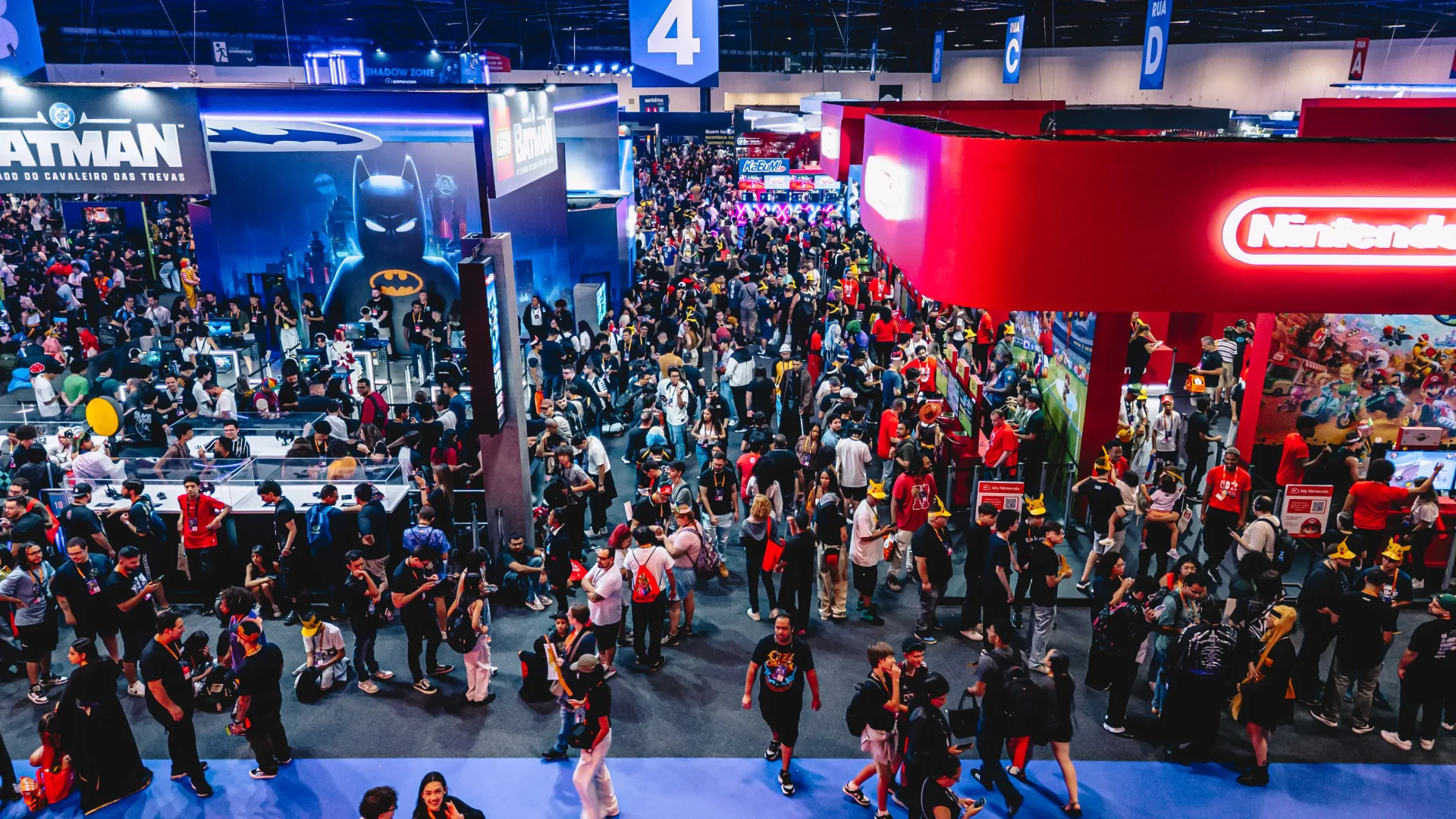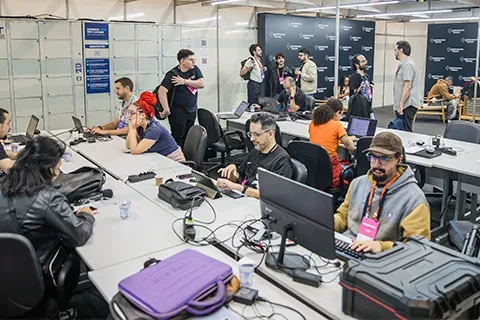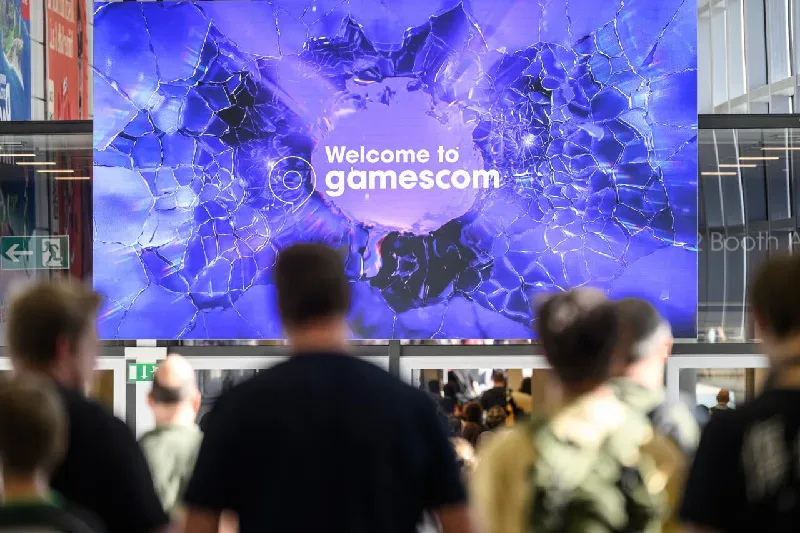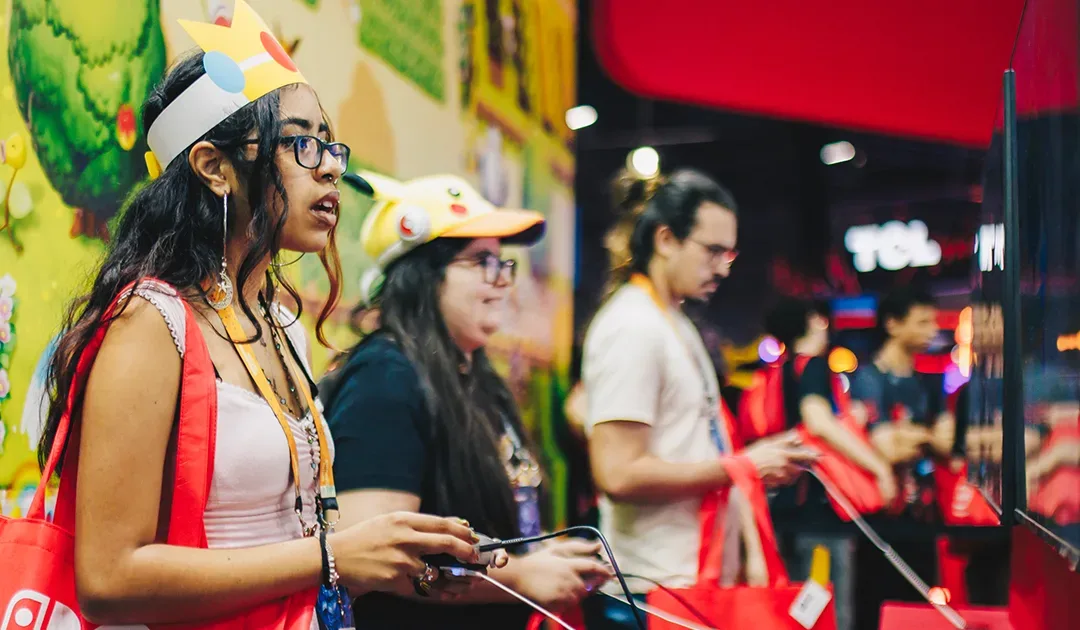
gamescom latam has opened two free application routes for its 2027 event: one for people hoping to contribute an editorial talk to its B2B program, and another for independent developers seeking a place in BIG Festival’s exhibition and competition. The event is scheduled for April 22–25, 2027, at Distrito Anhembi in São Paulo, Brazil.
The paired calls matter to different parts of game development. The speaker program is aimed at professionals with knowledge and experience to share with an industry audience. BIG Festival, meanwhile, is inviting game submissions from independent developers around the world. Neither application has an entry fee, though applying does not mean an applicant or game will be selected.
The dates developers and speakers need to know
Applications for BIG Festival close first, on January 15, 2027, at 9:59 p.m. Eastern Standard Time. Proposals for gamescom latam’s B2B speaker program remain open until January 18, 2027, at 7:00 a.m. EST.
Those deadlines are close together but serve separate selection processes. A game submission concerns inclusion in the festival’s no-cost exhibition program and its awards competition. A speaker proposal is for an editorial session in the B2B program. Developers who have a suitable game and useful professional experience may find that both routes are relevant, but they should treat them as separate applications with distinct goals.
- BIG Festival game submissions: close January 15, 2027, at 9:59 p.m. EST.
- B2B speaker proposals: close January 18, 2027, at 7:00 a.m. EST.
- gamescom latam 2027: April 22–25 at Distrito Anhembi in São Paulo.
- Cost to apply: free for both calls.
What the B2B speaker call is looking for
The B2B program is seeking editorial sessions across a broad group of industry subjects: careers and education; game creation, design and development; culture and creative identities; industry and business; marketing and community; and technology and innovation.
“Editorial” is an important distinction here. The program is seeking sessions that share knowledge, experience, or industry insight. Commercial and promotional presentations are not part of this open editorial call; those are handled via separate partnership and sponsorship arrangements. In practical terms, a proposal centered on lessons learned, a concrete process, career insight, or an examination of a development discipline fits the stated purpose more closely than a straightforward product pitch.
The listed tracks also show that the call is not confined to programming or game design. A proposal could be rooted in education, community work, business, cultural identity, or technology, provided its focus is informative rather than promotional. That breadth reflects how modern game-making reaches beyond the game build itself: development depends on creative work, communication, audience relationships, careers, and business decisions as well as production tools.
Selected speakers will receive an all-access event credential. They will also receive an additional B2B credential for a team member or partner, three 30%-off ticket discount codes, and inclusion in the official event program. These are benefits for selected contributors, not a guarantee attached to submitting a proposal.
Related coverage includes gamescom latam 2027 Opens Speaker Call and Free BIG Festival Game Submissions.
BIG Festival’s role within the event
BIG Festival, short for Best International Games Festival, is preparing for its 15th anniversary in 2027. Founded in 2012, it brings an international independent-game competition to the gamescom latam audience in São Paulo. The open call covers both exhibition and competition, offering selected games a route to be shown as part of the festival without a submission charge.
The previous edition indicates the scale of interest. In 2026, BIG Festival received a record 966 submissions from 75 countries. That number does not predict how many games will enter or be selected in 2027, but it makes clear that applicants should expect an international field rather than a small local showcase.
The selection structure has two stages. First, a selection committee chooses the finalists. Those finalists are then assessed by an international jury of games-industry professionals. For applicants, that means a submitted game must initially stand out enough to reach finalist status before the jury stage determines the competitive results.
This is distinct from the festival’s Popular Choice prize. Visitors decide the Best Game: Popular Choice award by playing and voting on site. Jury awards are decided through the professional judging process; the Popular Choice category gives the attending public a direct role. The difference is worth keeping in mind when considering what exhibition can mean: a game can be encountered by festival visitors as well as evaluated within the awards structure.
A wide award slate for independent games
Selected titles can compete in categories spanning both craft specialties and game formats. The named awards include Best Art, Best Casual Game, Best Gameplay, Best Game for Kids, Best Multiplayer, Best Narrative, Best Sound, Best Student Game, and Innovation. There are also regional categories for Best Game: Brazil and Best Game: Latin America.
That category list is useful context for teams deciding whether a game belongs in the call. It recognizes more than one idea of excellence. A title may be notable for audiovisual work, storytelling, play systems, sound, multiplayer design, children’s appeal, student development, or a novel approach. The regional awards also make room to highlight work from Brazil and Latin America within an international competition.
The return of the WINGS Award adds a further focus. It recognizes independent games made by teams in which women and developers from marginalized gender groups hold leading roles. Its inclusion signals that authorship and team leadership are part of the festival’s recognition framework alongside the game-focused prize categories.
Practical implications for applicants
For an indie team, the immediate task is deciding which of the two calls applies and preparing before the mid-January cutoffs. The supplied details establish that game submission is free and open to independent developers worldwide, but they do not spell out submission materials, eligible platforms, or other rules. Applicants should therefore avoid assuming that a previous festival process or another event’s requirements will apply unchanged.
For speakers, the clearest practical principle is to frame a proposal around useful editorial value. The published subjects provide a concise guide: a session should connect to careers and education, creation and development, culture, business, marketing and community, or technology and innovation. It should also be clearly separate from a commercial presentation, because promotional sessions follow a different pathway.
The timing may be particularly relevant to small teams balancing a submission with ongoing game work. Recent independent releases and demos continue to show how varied the field can be; for example, The Road of Dust and Sorrow’s free Steam demo illustrates one current way a project can introduce itself to players. BIG Festival is a different opportunity: its stated focus is an in-person festival exhibition and awards competition in São Paulo, rather than a digital-store release or demo campaign.
Ultimately, these calls create two related avenues into gamescom latam 2027. One is for games seeking a selection committee’s consideration in BIG Festival. The other is for professionals prepared to contribute knowledge to the event’s B2B conversation. Both are open now, both are free to enter, and both come with the same essential caveat: application is the first step, not confirmation of participation.