Samsung’s One UI may change substantially in a future version, but the available information does not support treating “Galaxy OS” as a confirmed replacement for it. The rumor that prompted that conclusion began with an October 11 post on X that associated Samsung’s next interface with a heavier artificial-intelligence focus and used the Galaxy OS name. It then grew into claims that One UI itself was being retired.
That is a much bigger assertion than the original material can reliably bear. The person behind the initial post later said One UI was not being replaced and characterized the implication otherwise as a translation error. Samsung has not confirmed a Galaxy OS product, announced a One UI rebrand, or detailed a plan to discard the software identity it has used since 2018.
For Samsung phone and tablet owners, the practical takeaway is pleasantly un-dramatic: there is no solid reason to expect their familiar software environment to suddenly vanish because of this rumor. New AI tools, visual adjustments, and support for changing device shapes can all arrive within One UI. A new feature direction is not automatically evidence of a new operating system.
What the Galaxy OS claim actually established
The original post cited unnamed sources and referred to Samsung’s next interface as Galaxy OS. Unnamed sourcing can be valuable when it is accompanied by specific, independently checkable detail or reinforced by credible reporting. Here, the claim did not come with public documentation, Samsung confirmation, or corroboration that could establish whether Galaxy OS was an internal label, a loose description, a mistranslation, or a future consumer-facing brand.
That distinction matters because One UI and an operating system are not interchangeable terms. An operating system is the foundational software platform that manages a device and lets applications run. A user interface is the visual and interaction layer people use: menus, settings layouts, notifications, widgets, app behavior, and related system tools. In everyday discussion, a broad software package can be called an OS even when it sits on top of an existing platform. That loose usage creates room for confusion before a company has explained exactly what a name means.
One UI is also broader than a coat of paint. Samsung’s package spans interface choices and a collection of system applications and functions, from screenshot editing to weather tools. Its design has been shaped around easier one-handed use, especially as phone screens have become larger. A label that sounds like “just the UI” therefore represents a much wider experience for people already using Samsung devices.
The later clarification is the central reason to dial back the replacement narrative. It does not prove that Samsung will never use Galaxy OS for anything. Nor does it rule out a major shift in a later version of One UI. It does mean the strongest early interpretation—that a wholly new software package would take One UI’s place—lost the support it appeared to have.
AI changes do not require a new platform name
There is nothing implausible about the underlying idea that Samsung could add more AI-oriented functionality to its software. One UI has already incorporated more AI features over time, and that direction is likely to continue. But AI is a product focus, not a technical proof that a company has built or launched a separate operating system.
In this context, “AI” should be read cautiously as a wide umbrella rather than a description of one confirmed feature. It may refer to tools that assist with creating, organizing, editing, searching, or interpreting content, but no particular new tool has been established by the rumor. Calling a future release AI-heavy says little on its own about its final name, capabilities, hardware requirements, or which models might receive it.
That is why a supposed association between Galaxy OS and AI should not be turned into a chain of assumptions: AI emphasis does not establish a rebrand; a rebrand does not establish a replacement platform; and a potential replacement platform does not establish a break from existing Samsung software. Each step needs evidence of its own.
The same applies to separate talk of One UI 10 receiving “significant changes.” Significant is not a technical specification. It can describe a large design revision, new device support, altered customization options, or expanded system features. Pairing two vague claims can make them appear mutually validating, even if neither provides proof for the other.
Why One UI is not an obvious candidate for immediate retirement
Samsung has changed interface branding before. One UI followed Samsung Experience, which itself followed TouchWiz. That history makes a future name change possible, not inevitable. The more useful question is whether the supplied evidence shows a compelling reason that Samsung would replace One UI now. It does not.
One UI has become a consistent software identity across Samsung devices since 2018. It is generally regarded as one of the stronger customized Android experiences, with a large feature set and extensive options for tailoring the device. It is not universally loved: some users consider the suite too crowded or take issue with performance. Those are legitimate preferences, but they are different from evidence that the brand is failing or approaching retirement.
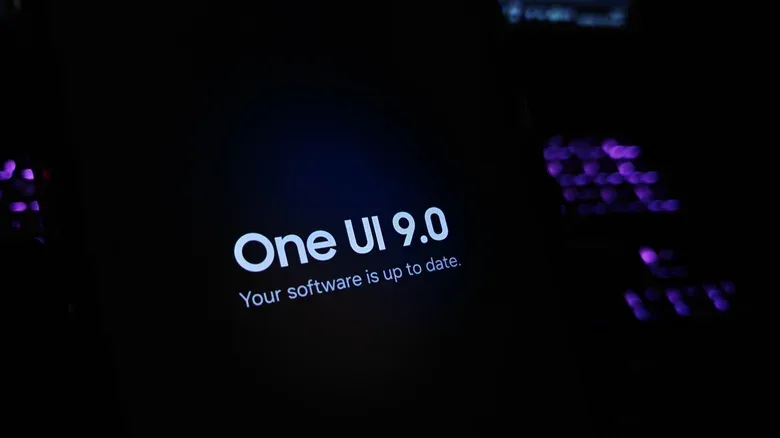
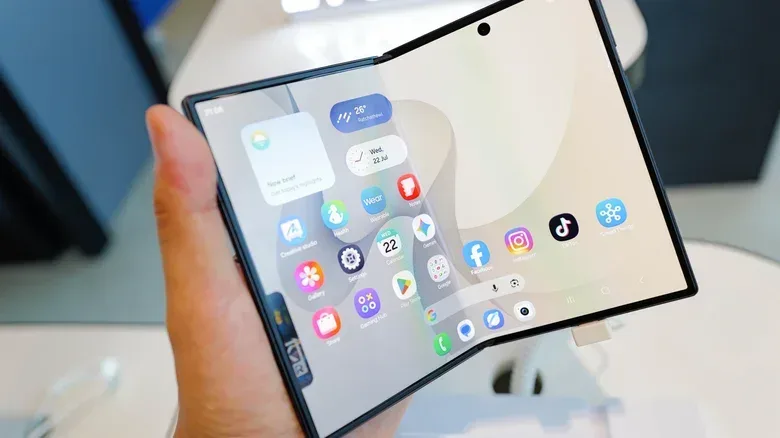
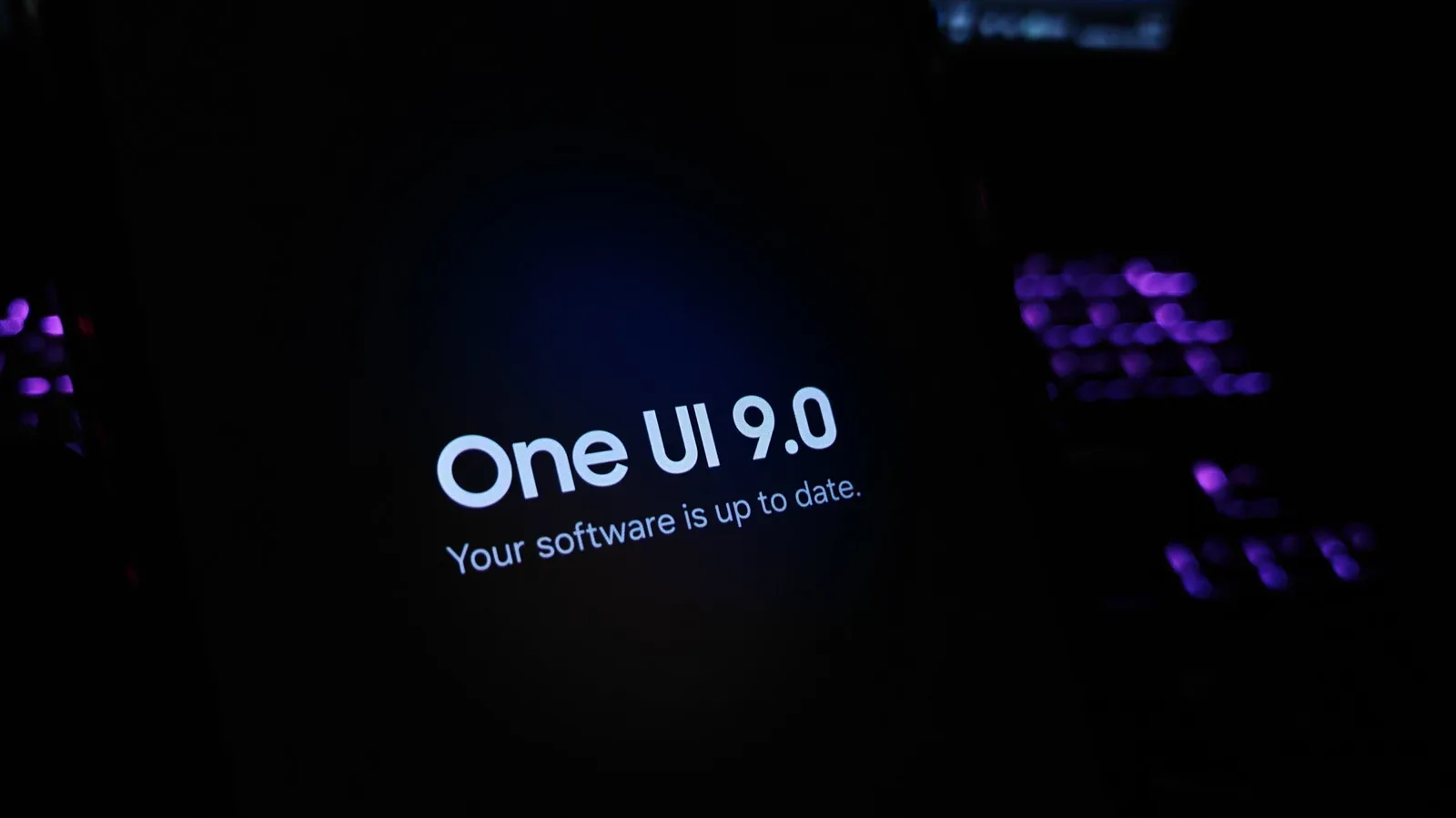
The company was also rolling out One UI 9 while speculation about the name spread. That version improves support for foldable phones and additional device form factors, reinforcing the idea of One UI as a shared framework across different kinds of Samsung hardware. A form factor is simply the physical configuration of a device—such as a conventional phone, a foldable model, or a tablet. Supporting more form factors is an argument for continuity in a unified software layer, even when its presentation and features evolve.
A full replacement would have consequences beyond a logo in a settings menu. It could affect the language Samsung uses for customization, its first-party apps, how it presents tools across phones and tablets, and the expectations of people who have learned where controls live. That does not make such a move impossible, but it helps explain why an established name has value. A rebrand, if it ever happens, could preserve much of the same software ecosystem rather than erase it overnight.
For players who rely on a phone or tablet as a companion screen, streaming device, or portable gaming machine, stability in settings and device behavior has its own appeal. The relationship between software features and gaming comfort is not trivial, whether the issue is managing notifications, configuring accessories, or choosing audio gear. For a related buying perspective, see why earbuds often cost less than headphones and when that matters for gaming.
A better way to read software rumors
This episode is a useful reminder that rumors often become more definite as they circulate. An initial leak can contain uncertainty, terminology without context, or source language that does not translate neatly. Subsequent posts may summarize it more sharply, and the summary can eventually overshadow the caveat. Repetition is not independent confirmation.
When evaluating a claim about a major software change, readers can separate the story into a few manageable questions:
- Who is making the claim? Consider whether the person has a demonstrable record of accurate information, rather than treating an account name or a confident tone as evidence.
- What is directly claimed? Distinguish a name mentioned by unnamed sources from a confirmed product, release plan, or technical specification.
- Is the information independently corroborated? Multiple retellings of one original post are not separate reporting.
- Is there official confirmation? Lack of confirmation does not disprove every leak, but it should limit how strongly the claim is presented.
- Did the initial claim change? A later clarification, especially one that rejects the most dramatic reading, is material context rather than a footnote.
These checks do not require dismissing every unconfirmed report. They simply keep possibilities in their proper category. “Samsung could make major changes” is a reasonable possibility. “Samsung will replace One UI with Galaxy OS” is, based on the available evidence, an unsupported conclusion.
What Samsung users should and should not infer
Users should expect One UI to keep evolving. Its feature set has changed over time, it is expanding its support for varied devices, and AI remains a likely area of development. A future version might look meaningfully different from the current one. Samsung could also ultimately decide that a new name better communicates its software strategy.
Users should not infer that Galaxy OS has been announced, that One UI has been confirmed as discontinued, or that a major AI push necessarily means Samsung is abandoning the interface. None of those outcomes have been established here.
The most defensible reading is narrower: Galaxy OS became a prominent name because an unverified claim was amplified, then its apparent replacement meaning was walked back. Until Samsung provides a clear statement, One UI remains the known software identity across its phones and tablets, and the alleged successor should be treated as a rumor—not a roadmap.