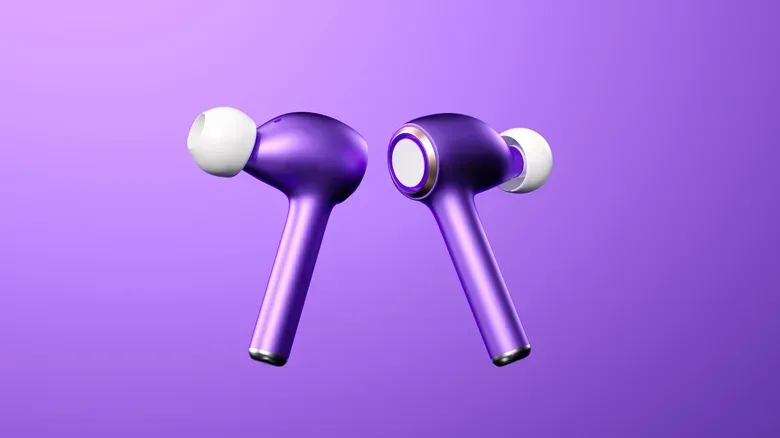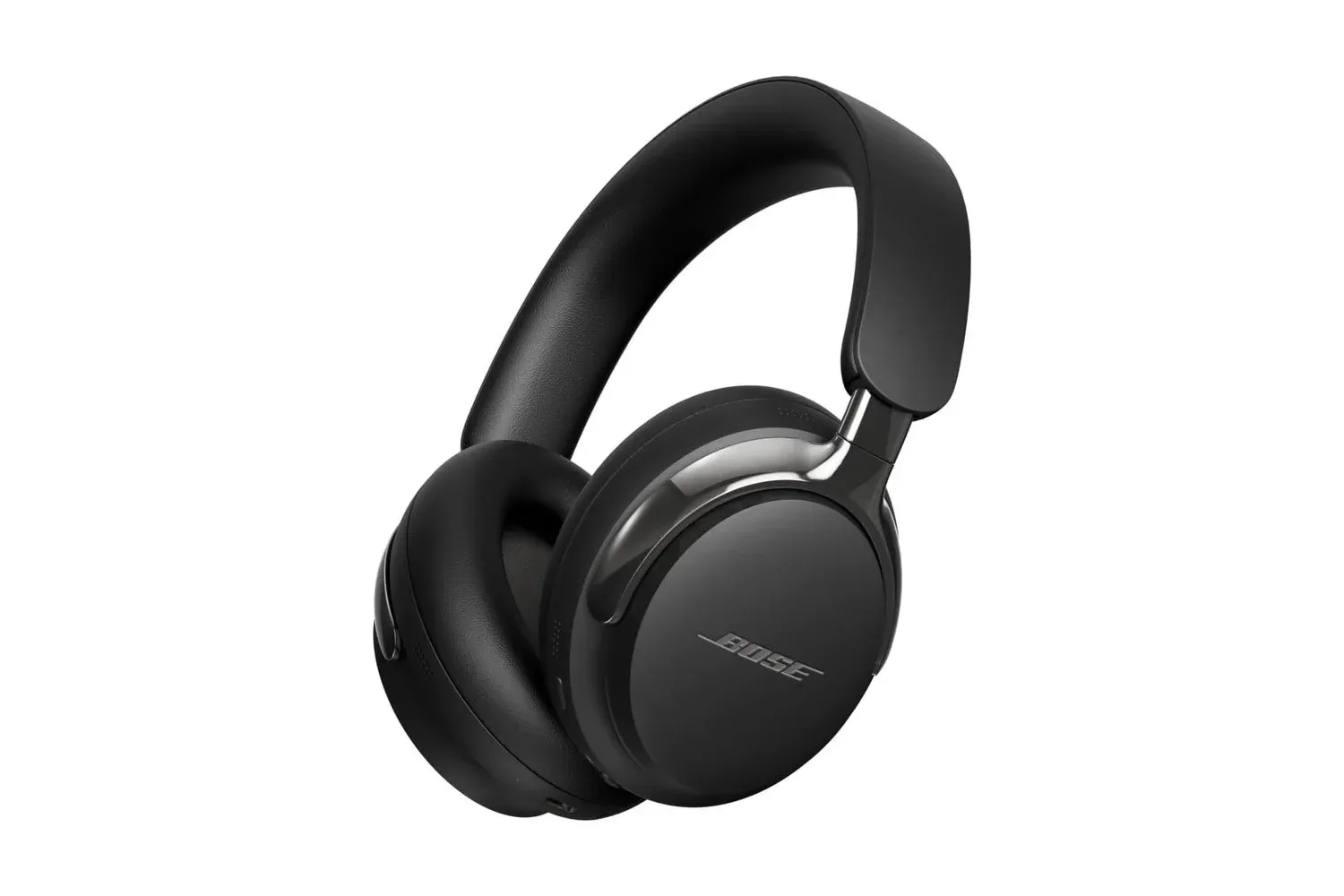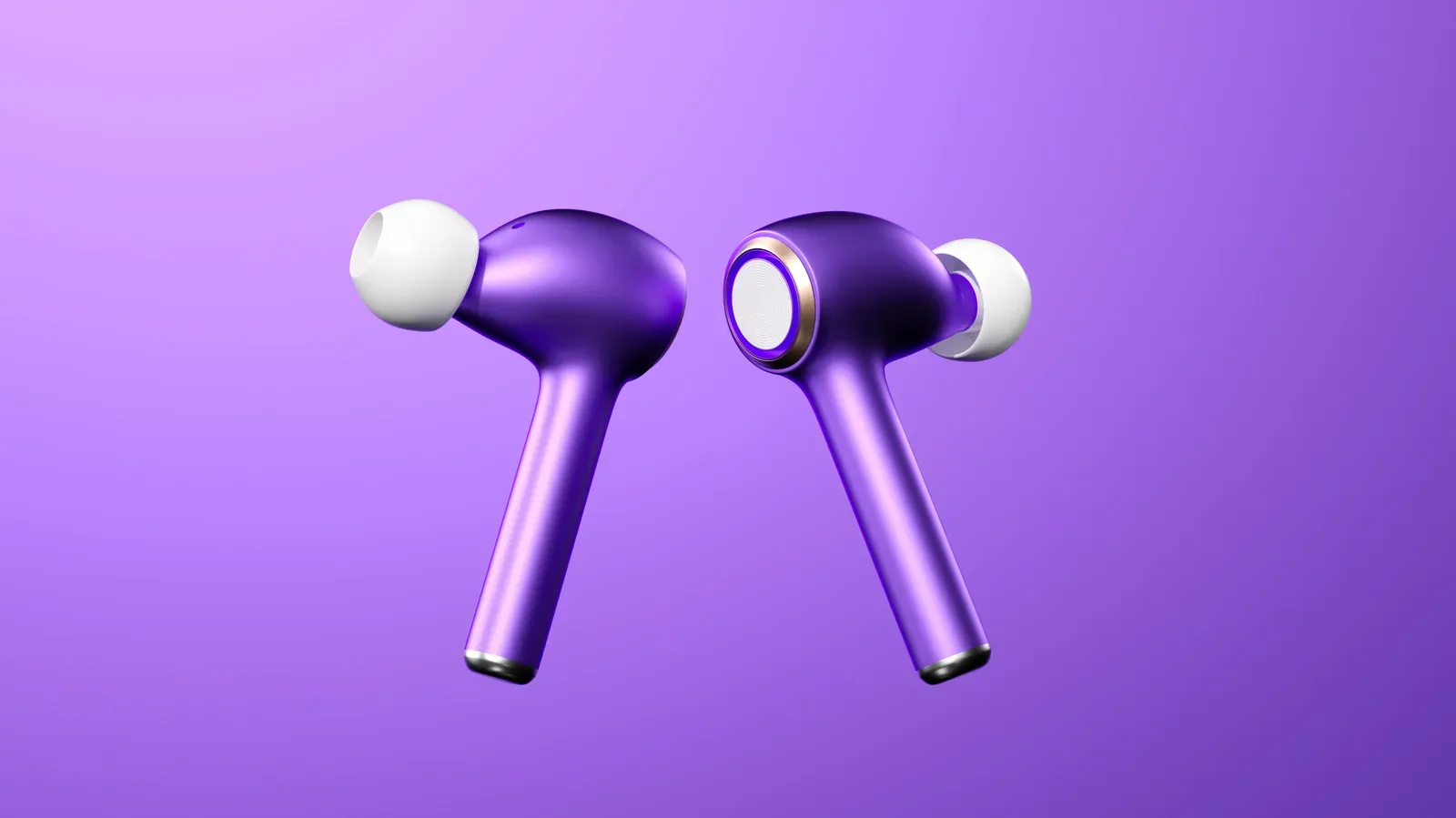
It is easy to look at a compact pair of earbuds and a full-size set of headphones, notice the usual difference in price, and assume the smaller device is simply a miniature version of the larger one. That is not quite the right way to frame it. Earbuds and headphones can both cover a vast range of quality, features and cost, but earbuds are often cheaper for practical manufacturing reasons: there is less physical structure to make, their sound components are generally smaller, and a crowded market gives buyers plenty of options.
For players, that can make earbuds a tempting low-cost route to private audio on a handheld, phone, laptop or console setup. They are easy to bring along, do not occupy much desk or bag space, and can be a sensible choice when the goal is simply to hear a game, chat, music or a podcast without broadcasting it to everyone nearby. But a lower sticker price is not automatically a better value. Long sessions, fit, comfort and noise handling may matter more than the initial saving.
The short version: less hardware can mean less cost
Full-size headphones have a physical job that earbuds do not. They need an adjustable headband to hold the two sides in place, earcups that sit around or on the ears, and padding whose material and construction can vary substantially. Every one of those pieces is an added material and assembly consideration. Premium padding or more elaborate construction can push the cost higher still.
Earbuds omit much of that external architecture. They are compact housings intended to sit in the ear, rather than a wearable frame that spans a listener’s head. That reduction in bulk does not prove that every earbud will be cheap, or that every headphone will be expensive. It does help explain the broad pattern, though: there is physically less product to build.
The same basic point applies to a major audio component, the driver. A driver is the part that creates the sound a listener hears. It can influence loudness, but its size alone does not settle whether something sounds good. Headphones commonly use larger drivers than earbuds, and larger drivers cost more. That is one useful piece of the price puzzle, rather than a shortcut to judging audio quality from a specification sheet.
In other words, a headphone’s price can reflect its larger drivers and its larger body at the same time. An earbud maker has a smaller package to work with. For shoppers, that means the comparison should begin with use case, not with an assumption that one shape is categorically superior.
Competition and feature tiers also shape the price
Size is only part of the story. Earbuds are a particularly popular category. True-wireless stereo earbuds represented 68.2% of revenue in the earbud and headphone market in 2025. Portability and low weight help explain their appeal, while improvements including battery life and spatial-audio rendering have made the format more capable.
Popularity also brings competition. When more companies make a similar type of product, buyers generally have more products from which to choose, and pricing can come under pressure. Some manufacturers can use off-the-shelf designs supplied by Chinese factories rather than building a design entirely in-house. That can reduce the work and expense required to bring a product to market.
Related coverage includes Why Earbuds Usually Cost Less Than Headphones.
None of this means every inexpensive earbud is the same, nor does it make a pre-made design inherently poor. It means the category has room for products built around different budgets and priorities. A pair with fewer features will normally cost less than one that includes more ambitious hardware or software features. The useful shopper question is therefore not, “Are cheap earbuds bad?” It is, “Which capabilities am I giving up at this price, and do I need them?”
For gaming, portability is a genuine advantage
Earbuds make a straightforward case for portable gaming. They take up little room in a backpack or pocket and can be quick to grab before a commute, trip or break. That suits the player who moves between a phone, a handheld device and a laptop, or who wants a private soundtrack without carrying a dedicated headset. The trade-off is equally straightforward: something so small is also easier to misplace.
The same convenience can help with a mixed entertainment routine. A person may listen to music or podcasts away from a desk, then use the same compact audio device for a game. Gaming hardware and platforms continue to produce an enormous range of things to play, as seen in this roundup of newly listed games across VR, mysteries and other genres; an unobtrusive, portable listening option can be useful when the game itself is not tied to a single living-room setup.
That does not make earbuds the automatic winner for every player. A long evening of play is different from a short train ride. Headphones may be more comfortable over extended periods for some people, while other listeners find earbuds the better physical fit. Fit is personal enough that a general rule cannot resolve it. The less glamorous question—whether the device is comfortable after an hour—is one of the most important ones.
Noise cancelling and noise isolation are not the same thing
Noise control is a second area where buyers can confuse similar-sounding terms. Active noise-cancelling, usually shortened to ANC, is a powered feature designed to reduce ambient sound that intrudes on what the listener is hearing. It is available in earbuds as well as headphones.
Noise isolation is different. It does not require power. Instead, it depends on a secure physical seal in or over the ears that helps keep outside sound from entering. With earbuds, that means fit can be especially important. If the earbud does not sit securely in a person’s ear, outside noise can remain distracting and the listening experience can suffer.
ANC in earbuds is generally less effective than it is in headphones, and its effectiveness can also be affected by the fit of the earbuds. For a player deciding between formats, this is a practical consideration rather than mere marketing terminology. Someone playing in a loud environment may value the larger headphone format and its potentially stronger noise-cancelling performance. Someone in a relatively quiet room may decide that compactness is the more useful feature.
How to decide without treating price as the whole answer
A sensible buying decision starts by matching the device to the situation in which it will actually be used. Earbuds are frequently the economical option because their reduced size and construction help keep costs down. Yet an affordable purchase that is uncomfortable or poorly fitted can be less useful than a pricier device that a player is happy to wear.
- Choose earbuds when portability is the priority. They are light, compact and easy to carry between places. They are a natural first category to examine when a budget-friendly, on-the-go option is needed.
- Think about session length. Some people prefer headphones for longer periods; others may find earbuds suit their ears better. Comfort deserves as much attention as feature lists.
- Separate ANC from isolation. ANC uses power to reduce ambient noise. Isolation comes from a secure physical seal. They can affect the experience differently.
- Do not reduce sound to driver size. Drivers create the sound and larger ones cost more, but size does not by itself establish sound quality.
- Check what features the price includes. Lower-cost models may simply include fewer features. Decide which functions are essential before paying extra.
The real bargain is the device that fits the routine
The usual price gap between earbuds and headphones is rooted in tangible differences: earbuds are smaller, tend to be less complex to construct, and do not require headbands or earcup padding. A popular and competitive market can create further options at lower prices, especially where products use existing manufacturing designs or omit premium features.
For gaming, that makes earbuds a valid answer rather than a compromise by default. They are particularly appealing for mobile or travel-friendly play and for anyone trying to keep a setup light. Headphones retain a strong case where extended comfort and more effective active noise cancellation matter most. The better pick is not dictated by the lowest price tag; it is dictated by where, how long and in what conditions the player expects to listen.