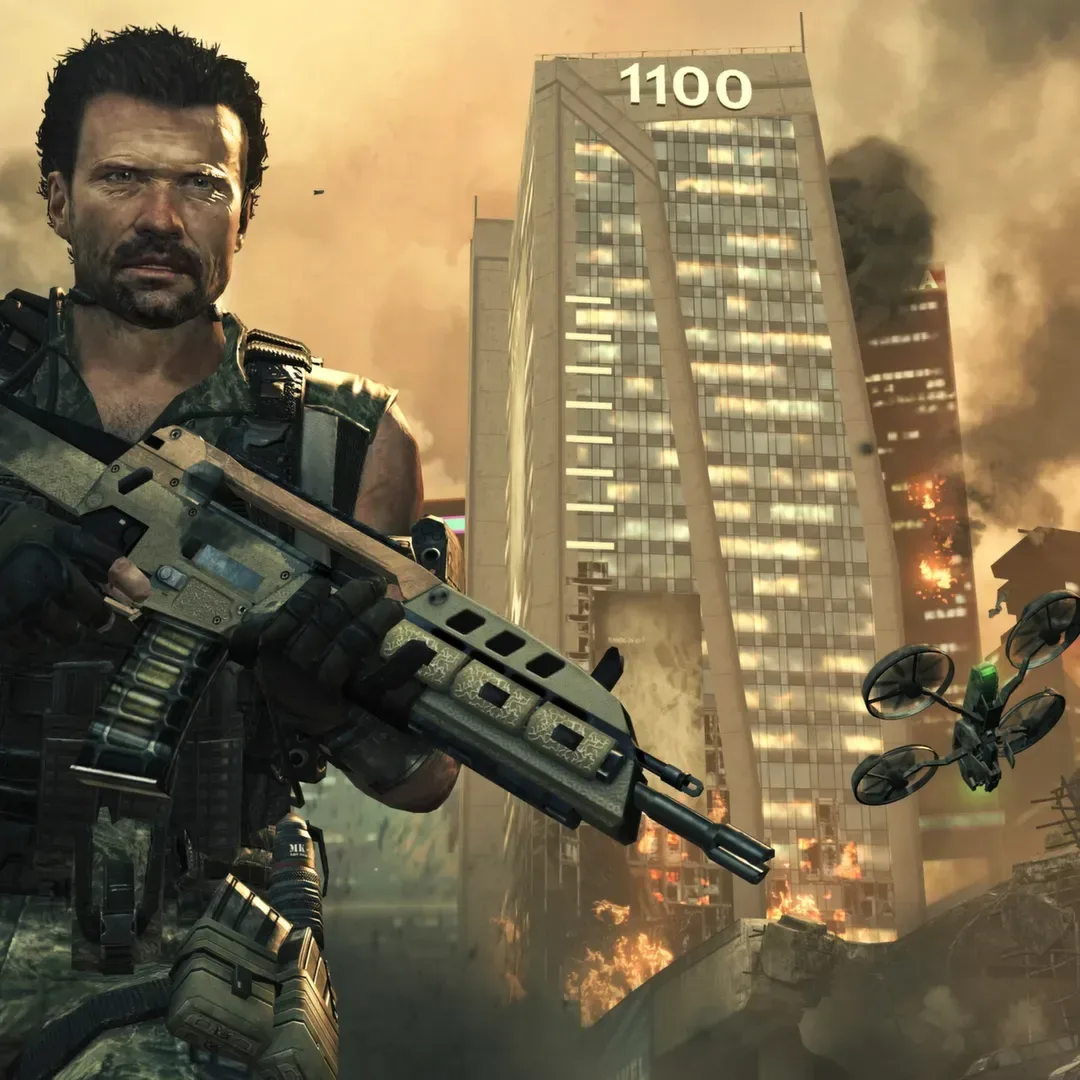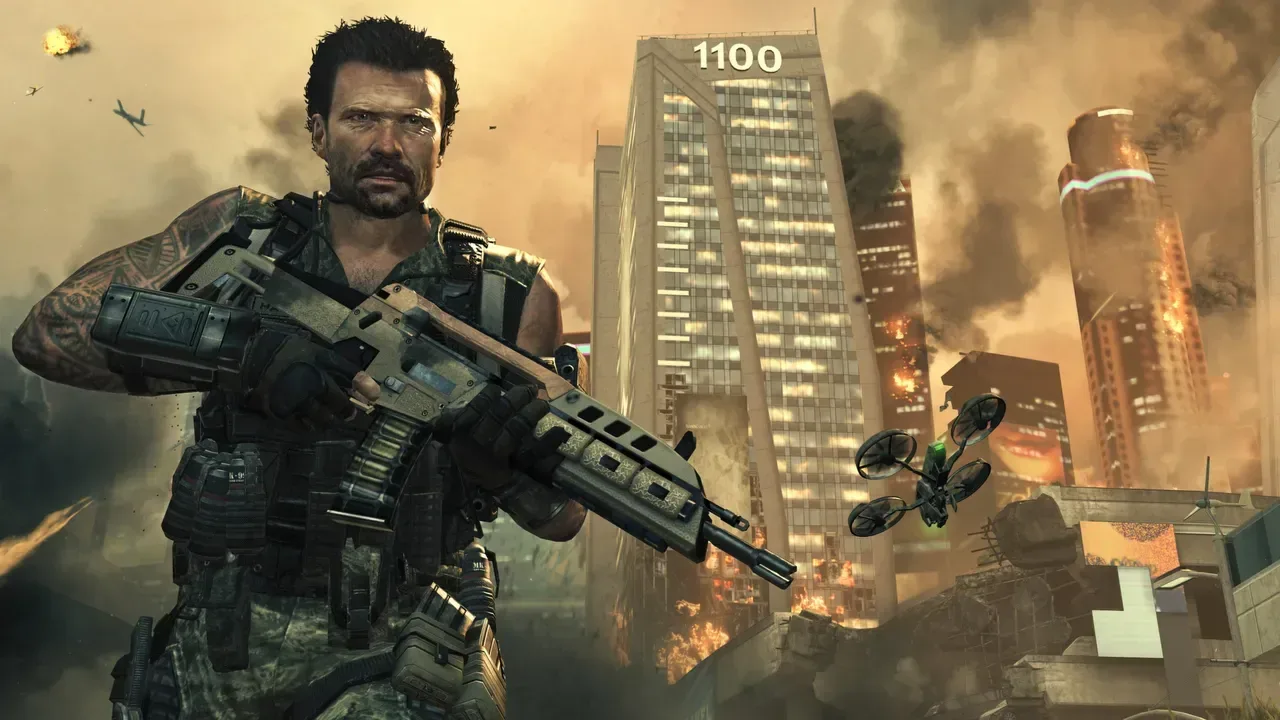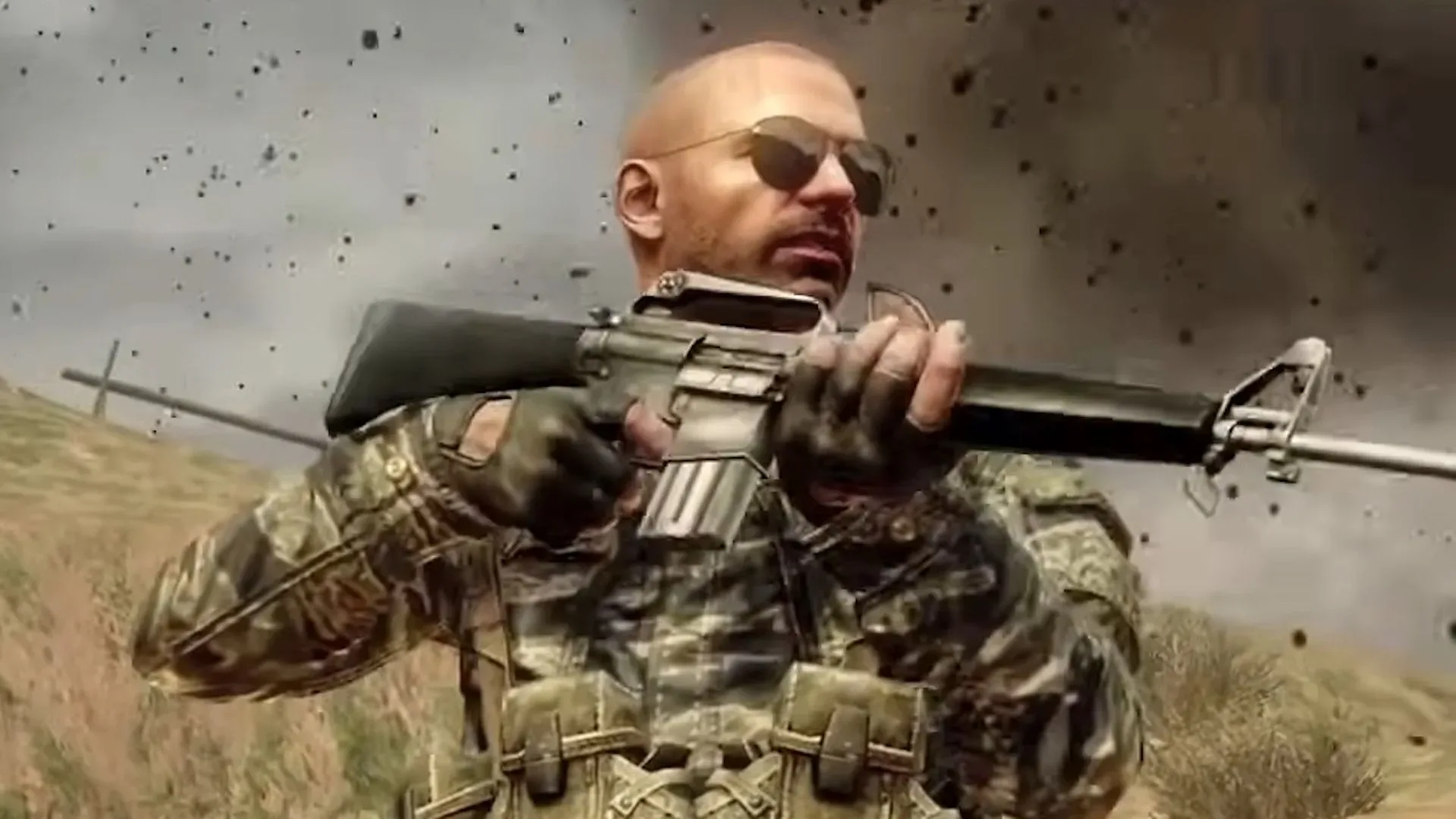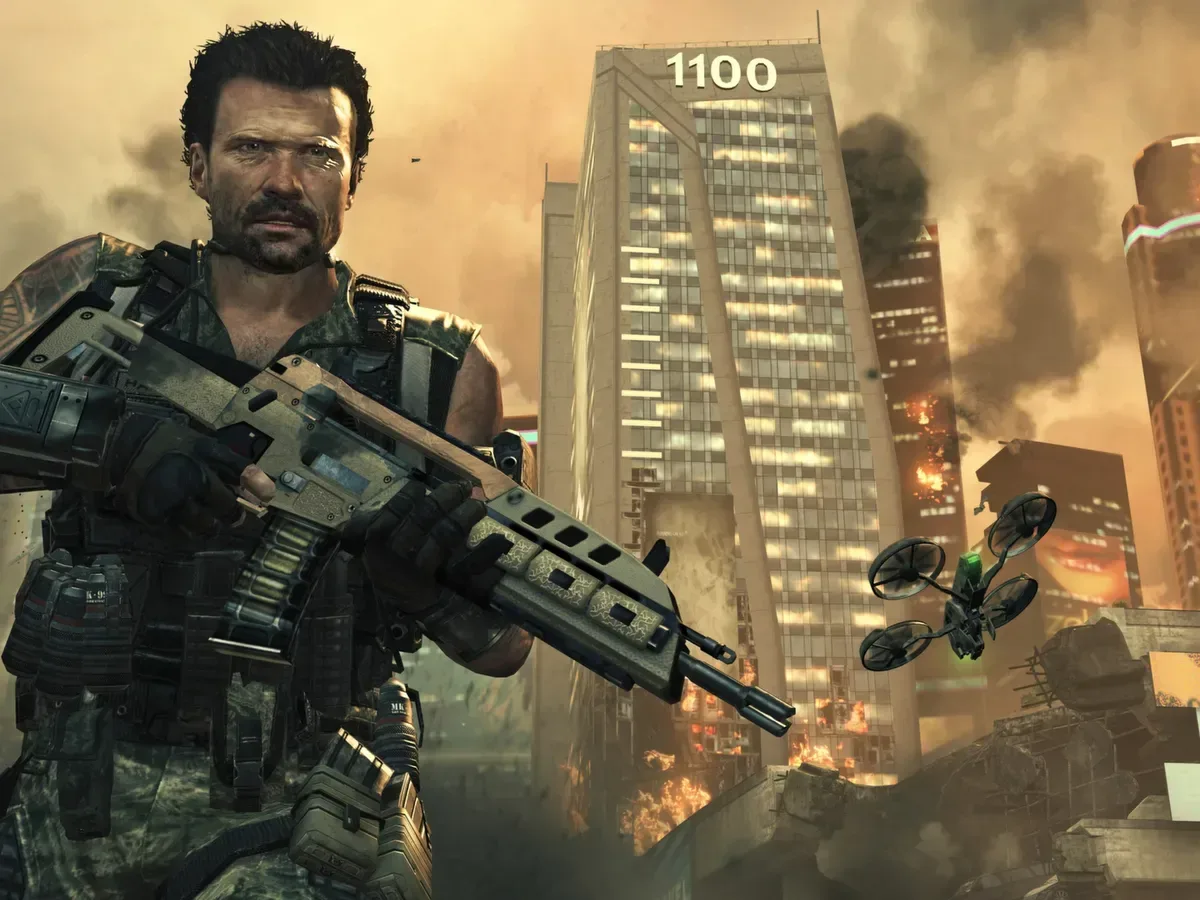
Old games have found a remarkably effective new trick: they can make new money without being new games. The reported PlayStation re-releases of Call of Duty: Black Ops and Call of Duty: Black Ops 2 have brought that tension into focus, prompting former Treyarch level designer Gavin Goslin to argue that the developers behind enduring games should receive royalties when those works return on new platforms.
Goslin, who says he worked on both games, described the results as personally gratifying but financially difficult to watch. His point is not that a publisher should be unable to re-sell an older game. It is that a commercially successful second life for work completed more than a decade earlier ought to create a share of the upside for the people who built it, particularly when that original production involved crunch.
The argument arrives alongside substantial, though still estimated, sales figures. Analytics estimates put the two PlayStation releases at a combined 11.2 million copies sold in July, producing roughly $435 million during that month. Each re-release was priced at $40 and was described as having no new features. Both also reached the U.S. weekly active-user top 10 tracked by Circana.
A hit re-release turns an old labor question into a current one
Goslin’s central proposition is retroactive royalty participation: if a game continues to earn significant revenue years later, creators of the original game should not be entirely excluded from that revenue. He compared the idea to royalty structures associated with books, film and music, and argued that “legacy revenue should mean legacy rewards” for the developers who made the work.
“Seeing our blood, sweat, and tears still dominating the charts in 2026 is amazing, but it’s hard to watch the suits rake in giant financial windfalls from our old code while the actual creators don’t see a dime of it.”
That statement contains two ideas that are easy to flatten into a simple dispute but should be kept separate. First is recognition: an old game’s continued relevance is a validation of the team’s design, engineering, art, audio, testing and production work. Second is compensation: recognition does not automatically result in an ongoing financial stake. Goslin is arguing that the latter should follow the former when an older title is brought back to market and performs at this scale.
A royalty is a payment tied to later revenue or sales, rather than a one-time salary or fee for completing work. In the model Goslin is proposing, qualifying contributors could receive an agreed portion of revenue generated by a subsequent release. The key word is “qualifying,” because any real system would need to establish which employees are covered, how eligibility is documented, what revenue is included, and how money is divided among potentially large teams.
There is no indication that Xbox, Microsoft or Activision plans to introduce such a system. The discussion, therefore, is a call for a change rather than a report of a policy shift.
Related coverage includes Former Treyarch Developer Calls for Royalties After Black Ops PlayStation Re-Releases.
Why the Black Ops numbers matter
The reported performance changes the practical weight of the debate. A legacy port can be dismissed as a minor catalog release when it is serving a small audience. That is much harder to do when two titles reportedly move 11.2 million copies in a month and generate an estimated $435 million. Those figures are estimates, not confirmed financial disclosures, but they underline why Goslin sees this as more than a sentimental question about old credits.
They also indicate demand for older multiplayer experiences among players who either cannot access the original versions on their preferred hardware or want to return to a familiar social routine. Activision chief marketing officer Tyler Bahl said the company had underestimated how well the Black Ops ports would perform and pointed to demand for getting together with friends for the kind of Friday-night play associated with earlier entries.
That is a useful distinction. Nostalgia is often treated as a vague desire to revisit the past, but here it is connected to a specific use: playing with friends. The value of a re-release may come from remembered maps, modes and rhythms, but it may also come from recreating a shared activity with a current audience. Strong active-user placement suggests the releases were not merely purchased as digital keepsakes; players were returning to them often enough to register in a weekly engagement chart.
For publishers, that kind of response provides a relatively direct business lesson. Bahl said the company was applying what it learned from the ports to the current game and future projects. It also makes similar catalog releases a logical subject of attention, even though no particular future re-release plan has been confirmed.
Port, re-release and remake are not interchangeable
The terminology matters because it affects the scope of the compensation argument. A port generally means adapting an existing game to run on a different platform. In this case, the releases are described as PS5 and PS4 digital versions with zero new features. A re-release is the broader commercial act of selling an older game again, whether it is lightly adapted or simply made available anew. A remake, by contrast, usually implies more extensive new production work, though the exact line can vary by project.
Goslin’s complaint is aimed squarely at the first two categories: older work generating renewed revenue in a form that, as described, adds no features. That does not mean a port requires no present-day work. Bringing a game to another platform can involve technical adaptation, quality assurance, certification and release support. But Goslin’s point is that a new layer of work should not erase the foundational contribution of the people who made the game worth bringing back in the first place.
That framing avoids a false choice. A future-facing port team can deserve payment for its labor, while original developers may also have a credible claim to participation in a lucrative revival. The difficult question is not whether later work exists. It is whether the original team’s contribution should be treated solely as labor already purchased years ago, even when the result keeps generating major returns.
The implementation problems are real, but not an answer by themselves
A retroactive royalty program would be complex. Games are made by large, changing teams and may involve employees, contractors, support staff and contributors whose work differs in duration and visibility. A publisher would have to decide whether payments apply to everyone credited, only employees above a given threshold, or a narrower set of roles. It would also need rules for people who have left the company, changed names or contact information, or died.
Then comes the revenue definition. Would the pool be calculated from gross sales, after platform fees, after marketing, or after porting costs? Would it include only direct game purchases, or also related bundles and other forms of income? Would payments be made per project, per individual title, or across a franchise catalog? None of those questions is answered by Goslin’s proposal, and none is trivial.
But complexity is not the same as impossibility. Goslin’s comparison to other entertainment fields is an argument about the principle of continuing participation when work continues to earn, not evidence that game development can adopt another medium’s arrangements without adaptation. Any game-specific program would need a structure suited to collaborative development and corporate ownership. It could also require clear terms long before a re-release happens, rather than improvised distribution after a hit arrives.
His reference to crunch adds another ethical dimension. Crunch is commonly used to describe periods of unusually intense, extended work during development. Goslin says he spent “countless, brutal hours” in crunch with a talented team to help make the two games. His request is thus tied not only to authorship but to the conditions under which the original work was made. If a company profits from a game’s unusually long life, he argues, the people who endured the hardest production periods should share more meaningfully in that success.
A catalog strategy with consequences beyond nostalgia
The Black Ops releases arrive during a wider moment of renewed interest in old games, including a rise in AI-generated browser ports of classics. Microsoft has announced Xbox Labs in acknowledgment of that recent wave. The two trends are not identical: official commercial re-releases and browser-based AI ports raise different questions about ownership, quality control and authorization. Still, they point to the same broad reality: old software is not inert history. It can remain accessible, culturally valuable and commercially potent.
For players, the immediate implication is straightforward. Strong interest in the Black Ops releases may encourage companies to make more catalog games available on current systems, particularly when a franchise has a gap before its next major installment. That can improve access to titles people remember, but access alone does not resolve the labor question Goslin raises.
For the industry, the important test is whether nostalgia-led releases become a routine revenue stream without a parallel conversation about who shares in it. A company can reasonably point to the risk, logistics and current work involved in bringing an old title to another platform. Developers can reasonably point to the fact that there is no profitable port without the original game—and no original game without their contribution.
Modern Warfare 4 is due October 23 and is set to close the rebooted Modern Warfare saga. The reported Black Ops response naturally invites speculation about whether other classic Call of Duty entries could follow, but no classic Modern Warfare port has been announced. If further re-releases do arrive, the royalty question will become less hypothetical with every successful launch.
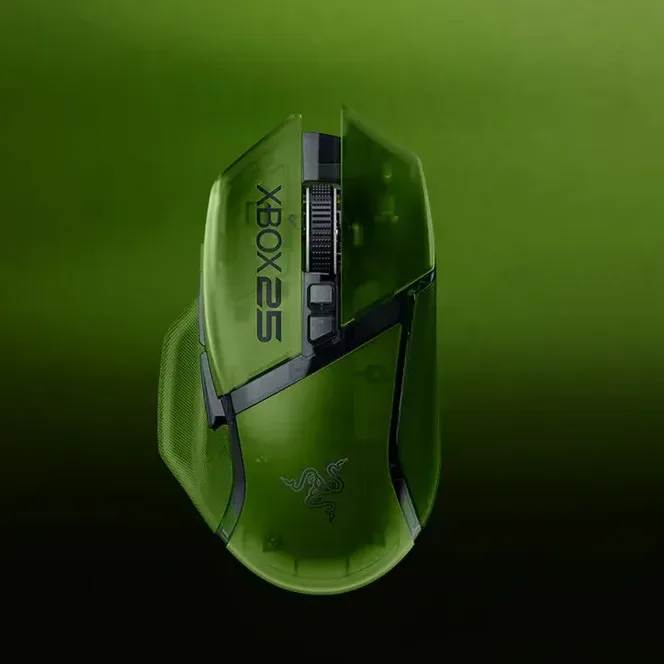
Xbox’s broader brand activity remains busy, from software releases to items such as Razer’s translucent-green Xbox anniversary gear. Yet the more consequential discussion raised by these Black Ops sales is not about brand nostalgia. It is about whether the people whose work created that nostalgia have any claim on the revenue it continues to generate.