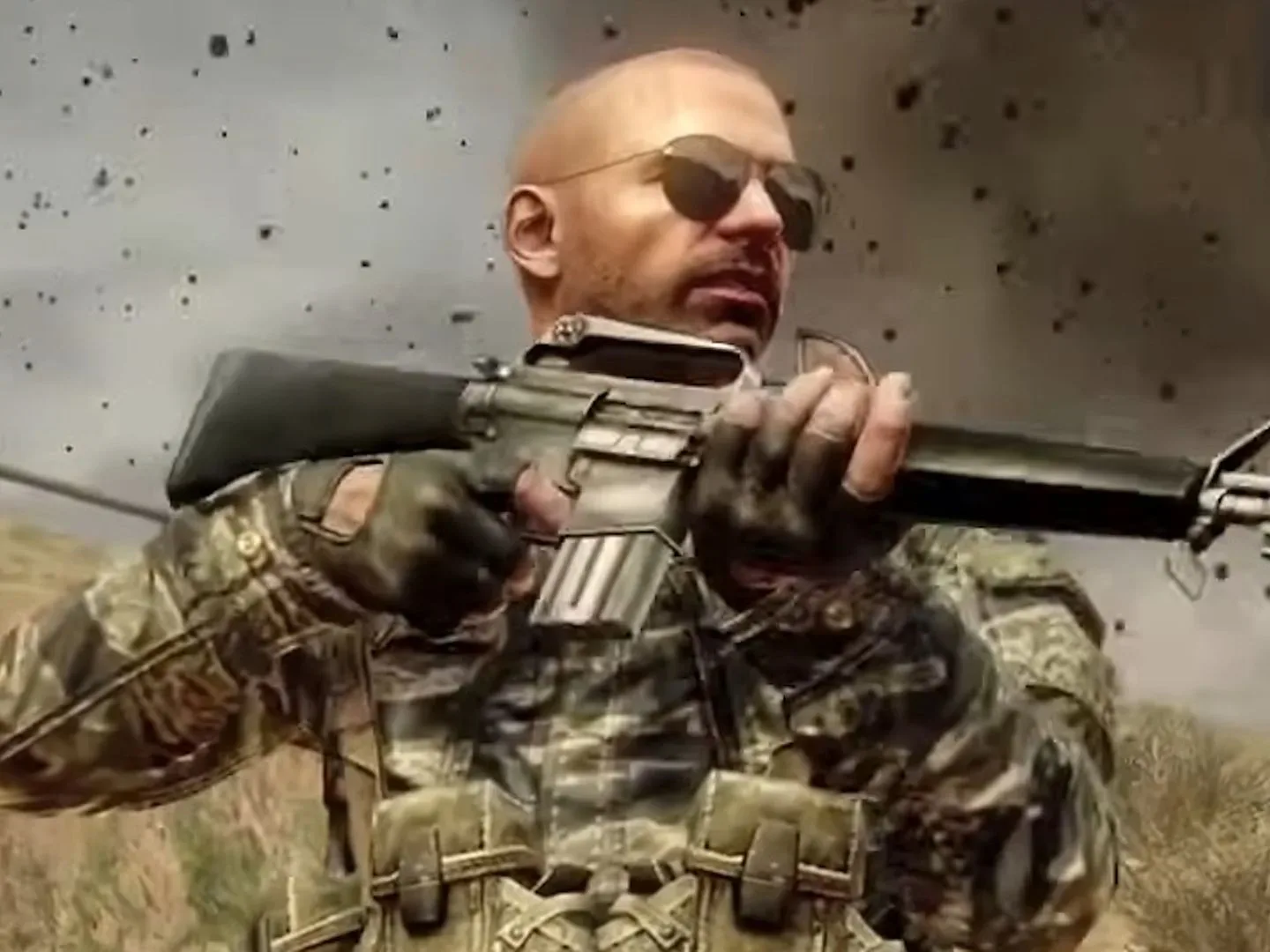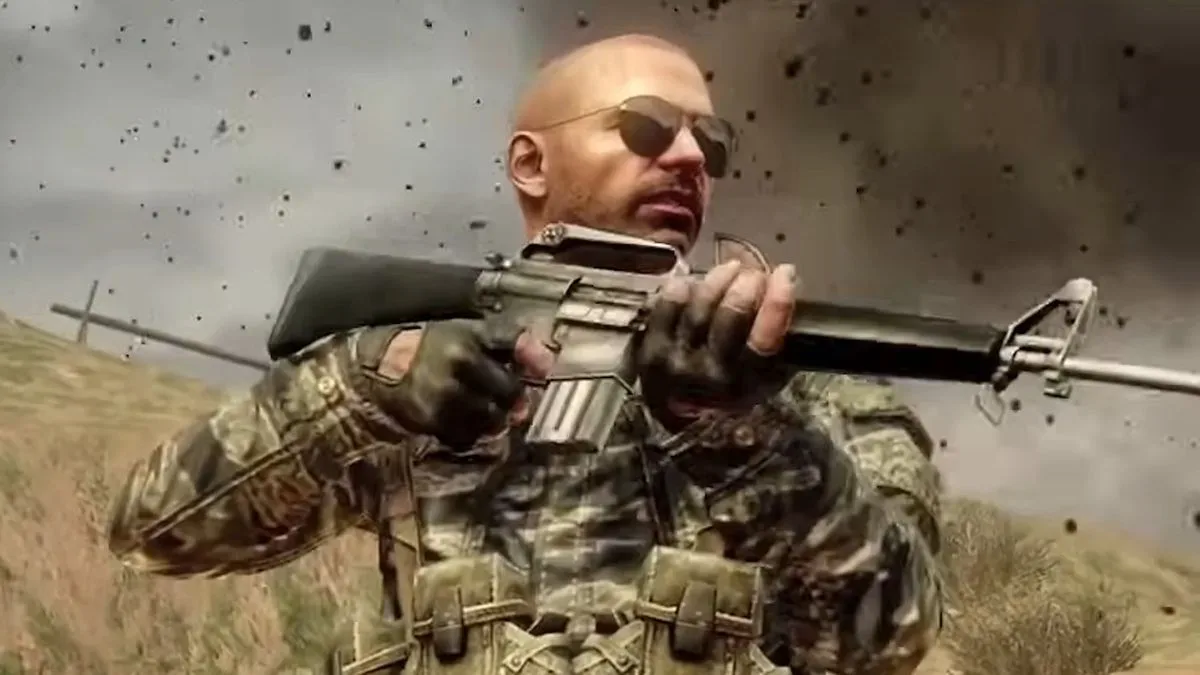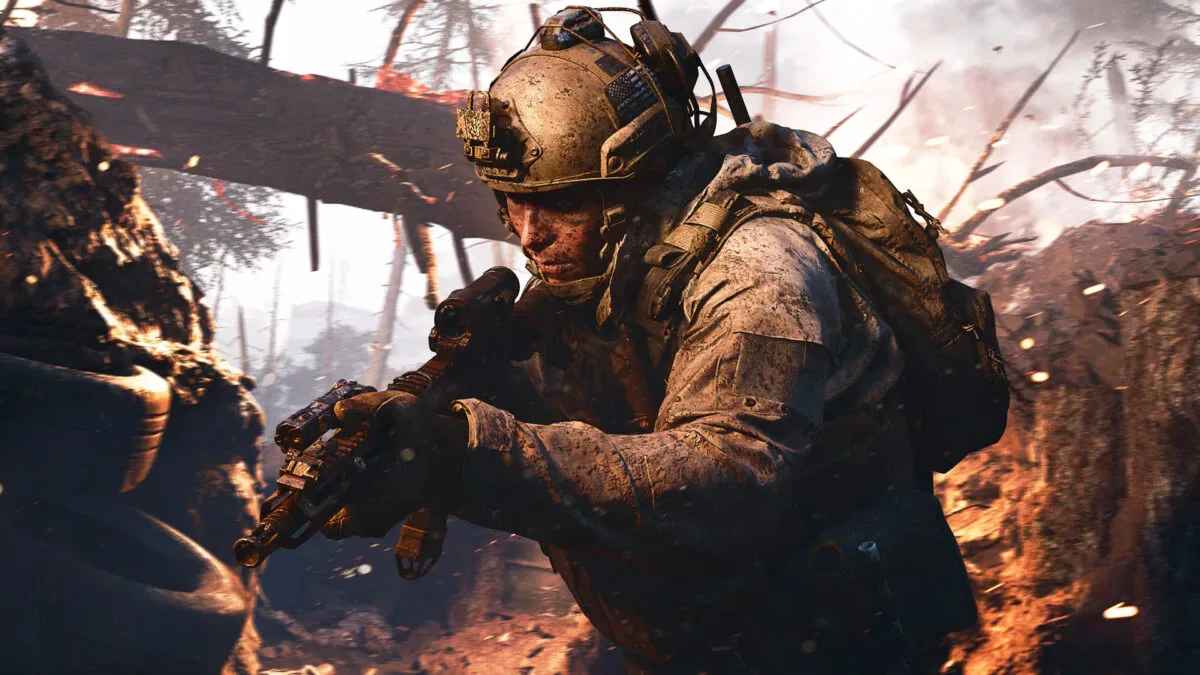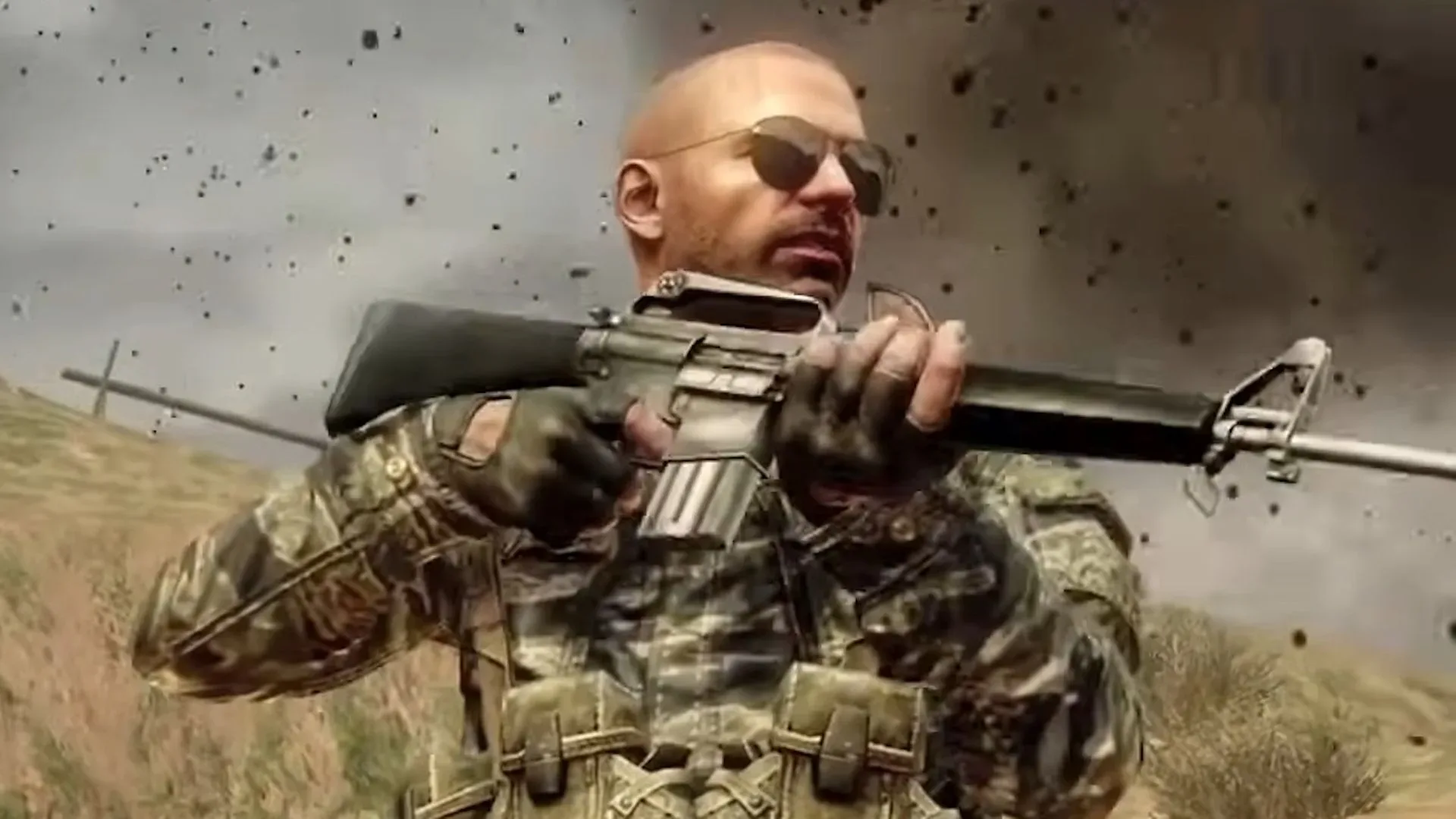
Call of Duty’s return to older Black Ops games on PS4 and PS5 apparently delivered a bigger result than Activision anticipated. The publisher expected the ports of Call of Duty: Black Ops and Call of Duty: Black Ops II to find an audience, but chief marketing officer Tyler Bahl said their performance went well beyond that expectation.
That success is not being framed simply as an opportunity to revisit the past. Instead, Activision sees it as evidence of a larger player appetite: a desire for the more social, immediate feeling associated with getting online with friends and playing for fun. Bahl said the company is applying lessons from the ports to Call of Duty: Modern Warfare 4, as well as to future games in the series.
“We are definitely leaning into the nostalgia of playing with your friends,” Bahl said. “The Black Ops ports were huge successes. We thought they would do well; we didn’t think they would do that well.”
For a franchise as large and long-running as Call of Duty, that is a consequential admission. It suggests that the appeal of these older releases was not solely about accessing familiar campaigns, maps, or names on current PlayStation hardware. In Activision’s reading, there is also pent-up demand for a particular kind of multiplayer experience and a particular way of spending time with friends.
What Activision says it learned from Black Ops
The most concrete point is simple: the Black Ops ports were successful enough to shape current planning. Activision has not released sales figures for either port, so there is no official number that can measure precisely how much of that performance came from longtime fans, returning players, or people experiencing the games for the first time. Still, the company’s surprise at the scale of the response is meaningful on its own.
Bahl connected that demand to what he called the “good old days” of playing with friends on a Friday night. That phrasing should not be read as a promise that Modern Warfare 4 will mechanically recreate older Black Ops titles. No detailed feature list, mode breakdown, or matchmaking specification for the new game was provided here. It does, however, establish the direction Activision says it wants to pursue: taking the social appeal attached to older Call of Duty experiences and applying it to a new release.
That distinction matters. Nostalgia in this context is not merely a re-release strategy. A port makes an existing game available on newer hardware. A modern game informed by nostalgia is a different proposition: it seeks to identify what players valued in an older experience, then reinterpret those priorities inside a new product.
The challenge, naturally, is deciding which elements are truly responsible for the response. Familiarity can be powerful, but it is not the same thing as a durable design lesson. Players may come back for recognizable games, characters, and memories; they may also respond to the rhythms of playing with a consistent friend group. Activision’s stated goal appears to be finding ways to carry the latter forward rather than relying only on the former.
Related coverage includes Modern Warfare 4 Will Lean Into Call of Duty Nostalgia After Black Ops Ports Outperform Expectations.
Modern Warfare 4 is positioned as part of that response
Bahl’s comments directly tie Modern Warfare 4 to the lessons from the Black Ops releases. The company says it is “leaning into” the social nostalgia that accompanied those ports, and that it has begun applying what it learned to this game and games still to come.
That is notable because the Black Ops and Modern Warfare names carry different identities within Call of Duty, yet Activision is treating the recent reception as a franchise-level signal. The lesson is not presented as “make more Black Ops ports.” It is presented as a broader reminder that players still respond strongly to accessible, shared multiplayer memories.
There is a practical business side to that conclusion, too. Recent discussion around the ports described them as regular chart leaders, even without publicly disclosed sales totals. A revived older game can test audience interest with a clear reference point: players already know what the game is and what they remember about it. A brand-new entry has to earn that attention while also convincing its audience that it is worth changing routines, learning systems, and gathering the group again.
That does not mean the safest move is simply to look backward. Bahl also said the audience wants “new or better or different,” a useful counterweight to the nostalgia message. Activision’s task is not just to invoke memories of previous Call of Duty games; it is to demonstrate that a contemporary Call of Duty can offer a compelling reason to play now.
Matchmaking is part of the wider conversation
The recent Black Ops response has also been discussed alongside a matchmaking change for Black Ops 7. Around the same period, its matchmaking was shifted to more closely resemble that of the successful predecessors.
Matchmaking is the system that assembles players into online matches. It can have an outsized influence on how a competitive shooter feels from one session to the next, because it shapes the range of opponents and teammates a player encounters. Even when maps, weapons, and modes remain the same, a change in matchmaking can alter the perceived pace, difficulty, variety, and social atmosphere of play.
There is not enough information here to draw a direct line from the ports’ chart performance to every matchmaking decision. It would be an overreach to claim that one caused the other. What can be said is that both developments point in the same broad direction: Activision is paying close attention to what players associate with earlier Call of Duty experiences and is willing to consider those preferences in current games.
For players, the important question will be implementation. “More like the old days” can mean different things to different audiences. Some may think first of playing casually with friends. Others may be thinking about the behavior of matchmaking, the feel of a match, or simply the chance to revisit games they already loved. Activision has identified the demand; future updates will need to clarify how it intends to meet it.
A changing shooter market raises the stakes
The push arrives at a moment of increased pressure. Call of Duty sales have reportedly been trending downward, while the newest Battlefield became 2026’s best-selling shooter. That is a position Call of Duty has not had to confront for a long time, and it helps explain why the publisher is emphasizing both reinvention and responsiveness.
Bahl described a market where games can emerge quickly and player tastes can shift just as quickly. His central message was that future Call of Duty games have to innovate. In other words, the Black Ops ports are being treated as a lesson in what the community misses, not as an excuse to stop moving.
That tension is familiar across games with deep histories. Legacy can be an asset because it gives audiences a shared vocabulary: players know the names, remember the sessions, and have strong ideas about what worked. It can also create an unusually high bar. A return to an older feeling must satisfy people who remember it fondly without making a new game feel like a museum piece.
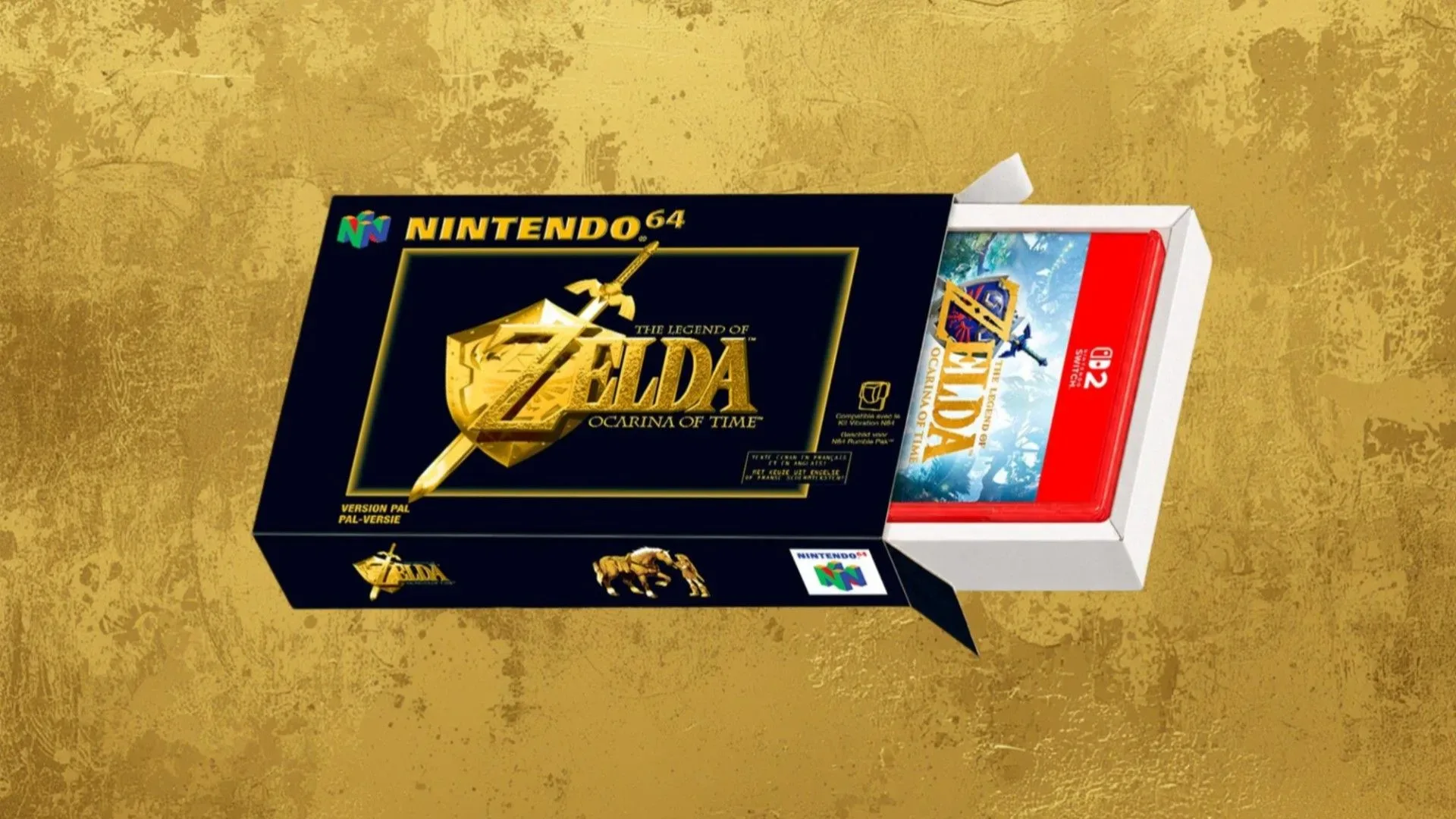
Other legacy projects show why the balance matters. The renewed attention around familiar Nintendo material, including an Ocarina of Time pre-order bonus built around classic N64 packaging, is another reminder that historical connection can be valuable. But a recognizable past is only the starting point; the present-day release still needs a clear purpose of its own.
What is confirmed, and what remains unknown
Several parts of Activision’s direction are clear. The Black Ops 1 and 2 ports reached a level of success that surpassed the company’s expectations. Activision believes that reception reflects demand for the social fun players connect with prior Call of Duty eras. And the publisher says those lessons are influencing Modern Warfare 4 and future entries.
What is not yet clear is how that philosophy will translate into the final game. There are no confirmed details here on specific modes, maps, progression systems, social tools, or additional ports. Nor are there official sales figures for the PlayStation versions of Black Ops and Black Ops II.
For now, the most useful reading is that Activision has received a very loud signal from its audience. Players did not just respond positively to the opportunity to return to older Black Ops games on PS4 and PS5; the response was strong enough to influence how Call of Duty is thinking about its next major steps. Modern Warfare 4 is being positioned as an early test of whether the series can turn that affection for old Friday-night sessions into something that feels new, current, and worth coming back to.