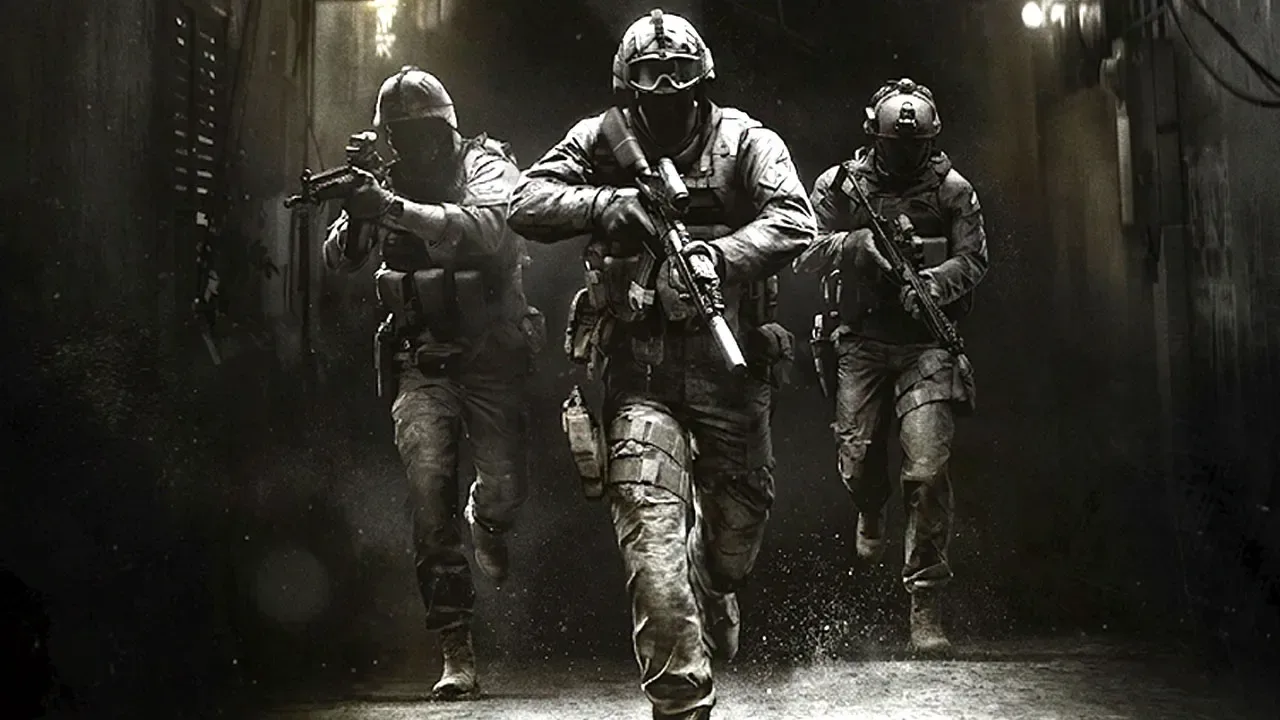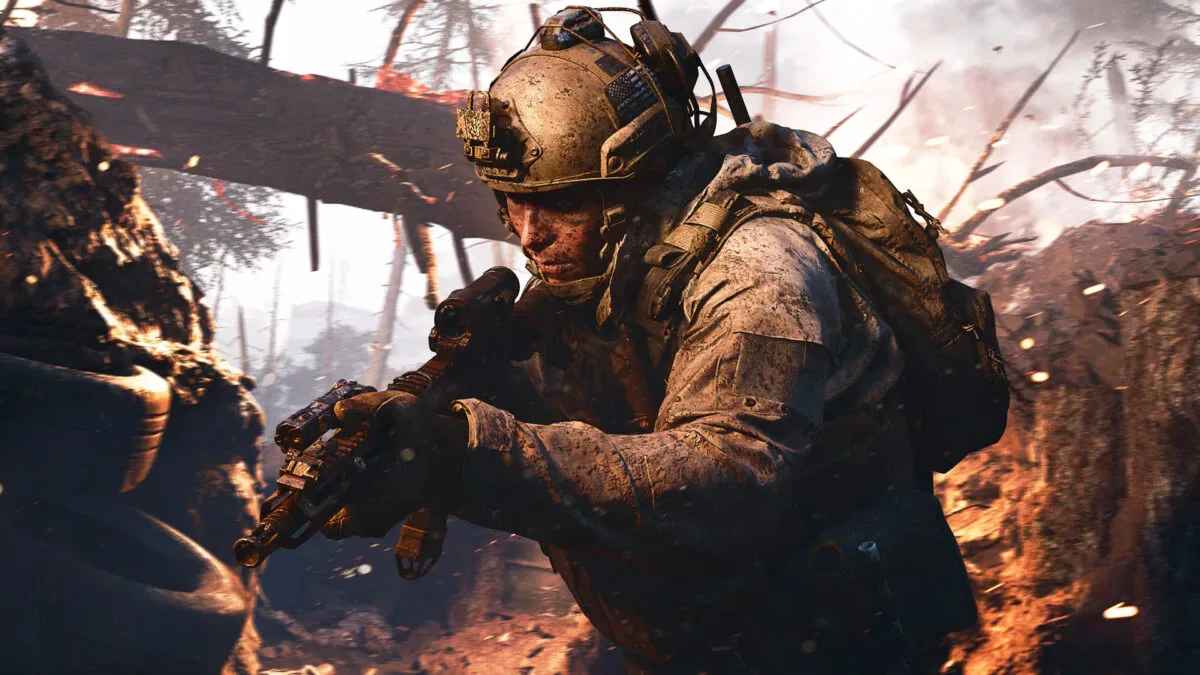
Activision’s Central QA union has voted to authorize a strike, escalating a first-contract dispute just as Modern Warfare 4 is set to launch globally on October 16. The authorization does not mean a work stoppage has been called. It does, however, give the union represented by the Communications Workers of America (CWA) the ability to call one if bargaining fails to produce an agreement.
The stakes are unusually visible. The bargaining unit includes quality-assurance testers working on Modern Warfare 4, a major release whose launch period will likely require continued testing and updates. Union members say negotiations have dragged on for more than two years without resolving pay, accommodations, protections against layoffs, use of contractors and safeguards around artificial intelligence. Activision says it has bargained in good faith, made meaningful progress, and proposed further meetings on October 21 and 22.
A strike authorization is leverage, not an automatic walkout
It is important to separate the vote from a strike itself. A strike-authorization vote is a union’s internal approval to use a strike if it decides that action is necessary. Employees do not automatically stop work once it passes, and the bargaining parties can still reach a deal before any strike date is set.
In practical terms, the vote materially changes the union’s options. Its members have completed the final internal step needed to call a strike at a later point. That raises pressure during negotiations, while still leaving room for the two sides to settle. Activision has said it respects employees’ rights to engage in protected activity, including striking, and says it has plans intended to avoid disruption to players or forthcoming releases.
The Central QA group formed its union in March 2024 with nearly 600 testers, many of them based in Minnesota. More than two years later, it has not reached a first collective-bargaining agreement. The unit is now just over 400 people, a reduction of nearly a third from its original size, according to the union.
What the testers say remains unresolved
Emily Danko, a QA functional tester and bargaining-committee member for AQAU-CWA, described the negotiations as lengthy and draining. She said the committee had made responsible proposals but that the company had stalled on core issues including compensation, accommodations and worker protections.
“Despite our efforts to bargain in good faith, meaningful progress has been difficult, leaving key issues unresolved,” Danko said.
The union’s objections extend beyond immediate pay. Its members have accused Activision of failing to bargain in good faith over wage increases, rules for artificial intelligence and the company’s reliance on contractors. These are distinct subjects, but each affects how testing work is valued, assigned and protected as the organization changes.
Related coverage includes Activision QA Union Authorizes Potential Strike Ahead of Modern Warfare 4 Launch.
Jenna Huffman, a QA functional tester, said employees continue to work on Modern Warfare 4 while seeking what she characterized as fair pay, treatment and a fair contract. Huffman also said workers lack fair accommodations and face the continuing possibility of broad layoffs without meaningful protections. She criticized what she called delays and unrealistic counterproposals in bargaining.
Those claims are the union’s account of the negotiations, rather than established findings by a third party. Activision directly disputes the central allegation, saying it has been working in good faith with the CWA and has reached meaningful progress across a number of subjects.
Activision says negotiations remain open
Activision says its objective is a first agreement that is fair to QA workers while supporting the business over the long term. The company has said it remains committed to dialogue and has offered bargaining sessions for October 21 and 22.
That response leaves a clear divide. Workers say the pace and substance of talks have not produced an acceptable route to an agreement. Activision says discussions are continuing and progress has been made. The proposed October meetings offer an immediate opportunity to narrow that gap, but neither side has indicated that a deal is complete or imminent.
The history surrounding the union matters to the current disagreement. Microsoft, which owns Activision, previously entered a temporary labor-neutrality agreement with the CWA during the period surrounding its acquisition of Activision Blizzard. The arrangement helped enable union organizing across Microsoft’s gaming operations. It expired last fall.
Union members say the negotiating atmosphere changed after that expiration. Huffman said the company had become more willing to test the limits of the existing arrangement while negotiations slowed. Danko argued that a positive labor-management relationship must show up as substantive engagement and willingness to find solutions, rather than public assurances alone.
Microsoft deputy general counsel Amy Pannoni had expressed hope for a positive labor-management relationship when the union formed. The contrast between that earlier expectation and the current strike authorization is central to the workers’ argument: they believe the promised relationship has not translated into a completed first contract.
Why QA staffing is part of the dispute
Quality assurance, or QA, is the work of identifying, documenting and helping teams reproduce problems in software before and after release. In games, that can involve checking whether a feature works under different conditions, finding performance or progression problems, confirming a fix does not create another issue, and providing detailed reports that development teams can act on.
The union argues this work cannot simply disappear when headcount falls. Danko said games still have to be tested, updates still have to be released and players still expect quality. Her concern is that a smaller workforce may mean the remaining employees are expected to absorb work that previously belonged to colleagues, making sustainable workloads harder to maintain.
This is not merely an abstract production question in the period after a large game launches. Players finding issues after release can lead to further patches, and those updates also need testing. A potential strike during that window could therefore affect the live-service experience, particularly during the holiday sales season. That is a possible consequence, not a confirmed outcome: no strike has been announced, and Activision says it has continuity plans.
The tester group’s reduction in size also comes while Microsoft has indicated that further layoffs are ahead as part of an Xbox reset. The union’s position is that staffing cuts need enforceable protections and an honest accounting of how workloads will be redistributed. Activision’s statement did not specifically address the group’s reported decline from nearly 600 members to just over 400.
AI is a bargaining issue, not just a production tool
Artificial intelligence is another major issue on the table. The union wants contractual guardrails for how AI is implemented at Activision, especially in testing departments. Generative AI generally refers to systems that generate material or responses from patterns in training data; in this context, the concern is less about a single named tool than about whether automation changes job duties, staffing decisions or the judgment required in QA.
Danko’s case is that QA involves more than a checklist. Testers need human judgment and contextual knowledge to recognize problems that automated systems may miss. That distinction matters because a game can technically complete a task while still presenting confusing behavior, an unexpected consequence or an issue that only appears under a particular sequence of player actions. The union is seeking negotiated protections rather than leaving those decisions solely to management.
The source material does not specify the exact AI provisions the union has proposed, nor does it state which tools Activision uses in QA. What is known is narrower: AI guardrails are among the unresolved issues identified by the workers. Any eventual agreement could clarify how technological changes intersect with jobs and working conditions, but the specific terms remain unknown.
What players should watch next
For players, the immediate point is straightforward: Modern Warfare 4 is still due to release, and the strike vote does not by itself change that. Activision says it expects no disruption to players or game releases. But launch is not the end of the story for a large modern game, particularly where patches and ongoing support are concerned.
- October 16: Modern Warfare 4 is scheduled for global release.
- October 21 and 22: Activision says it has offered additional bargaining meetings.
- No strike date: The union has authorization, but it has not announced a walkout.
- Central questions: wages, accommodations, layoff protections, contractor use, staffing workloads and AI safeguards remain at the heart of the disagreement.
The broader industry context also makes this dispute worth following. Game companies are balancing blockbuster release schedules, continuing support obligations, workforce reductions and fast-moving debates over AI. Recent industry upheaval has taken different forms across companies, as seen in Jagex’s cancellation of RuneScape Reignited, but the Activision case is specifically about whether workers can secure binding terms while those pressures are being managed.
The next meaningful test is whether both parties can convert their stated willingness to talk into a first contract. The union has signaled it is prepared to escalate if necessary. Activision says negotiations are proceeding in good faith and that it wants an agreement. Until either a tentative deal or an actual strike call emerges, the situation remains a high-stakes labor dispute rather than a confirmed disruption to the game’s launch.