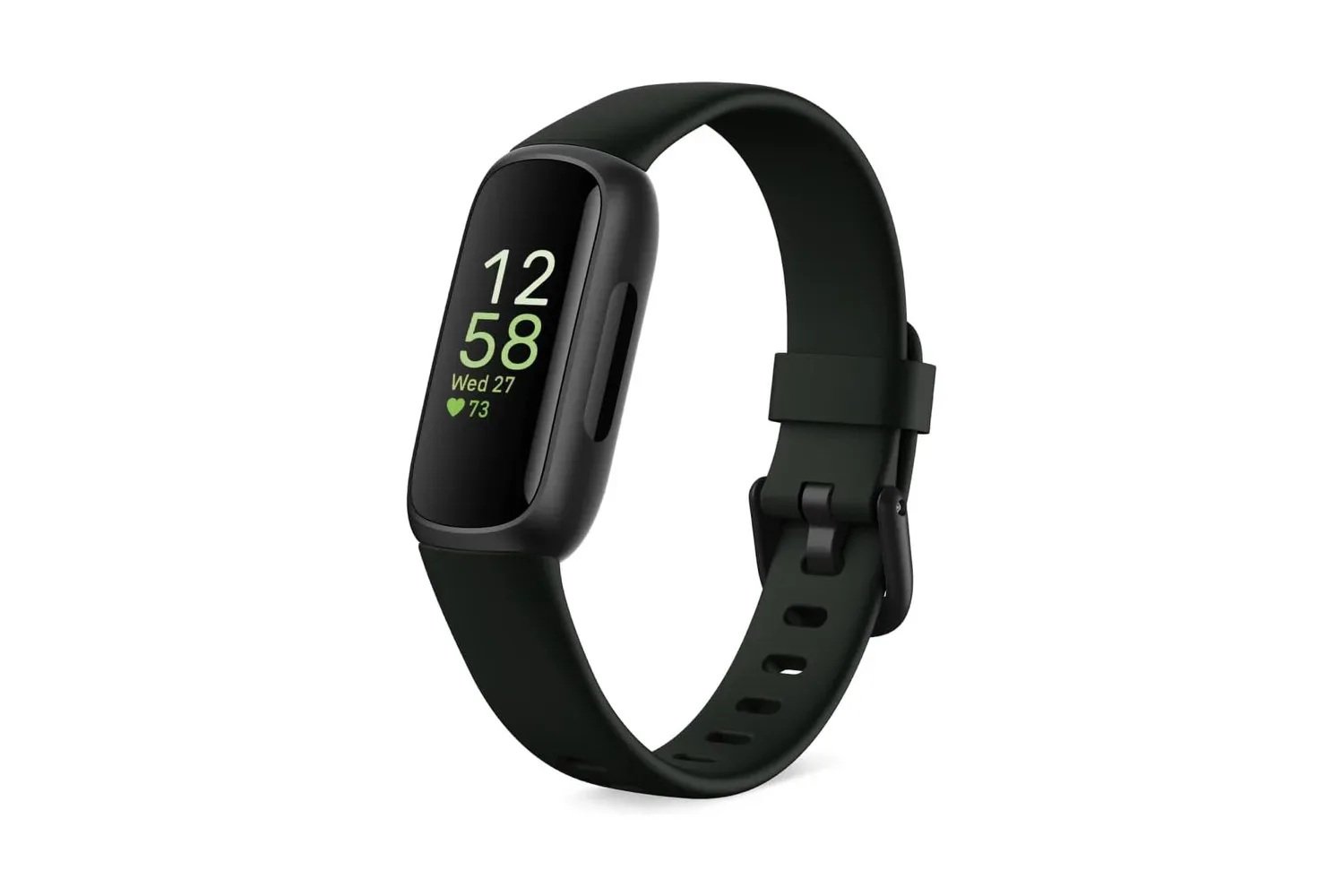
The Fitbit Inspire 3 is listed at $70, down $30 from a stated usual price of $100. That is a 30% reduction for a slim activity tracker built around the routine measurements many people check most often: steps, activity, sleep and heart rate.
The appeal is not a flood of wrist-based distractions. The Inspire 3’s feature set is aimed at making daily patterns more visible through a color touchscreen, continuous tracking and companion-app data. It supports Android phones and iPhones through the Fitbit app, can display phone notifications, and is rated water-resistant to 50 meters. Its claimed battery life of up to 10 days is particularly relevant for anyone who does not want another device demanding a nightly charge.
That combination makes the $70 listing worth viewing as a price cut on a focused fitness tracker rather than an attempt to turn the wrist into a miniature phone. It tracks a range of habits that can otherwise be easy to overlook: whether movement is consistent, whether a workout is pushing intensity upward, and how sleep patterns change from one night to the next.
What the Fitbit Inspire 3 tracks
At its most basic, the Inspire 3 records steps, distance traveled and calories burned. Those figures provide a running snapshot of everyday activity, including the movement that happens outside a dedicated workout. The tracker also monitors Active Zone Minutes, a Fitbit metric intended to reflect time spent at higher activity intensity.
For structured exercise, the device includes more than 20 preset workout modes. It may also automatically recognize certain activities, including walking, running and biking. Automatic recognition matters because not every session begins with a deliberate decision to start tracking; a walk can remain a walk rather than becoming a forgotten gap in an activity record.
Movement reminders add another practical layer. If the wearer has been inactive for an extended period, the Inspire 3 can prompt them to get up and move. This is a simple function, but it fits the tracker’s broader role: small, repeatable prompts instead of asking people to reconstruct their day from memory later.
Heart rate and workout context
The Inspire 3 continuously monitors resting heart rate and tracks heart rate during workouts. It can also issue notifications when the heart rate reaches unusually high or low levels. In everyday use, the value of a continuous record is less about one isolated number than about being able to review changes and patterns in the Fitbit app over time.
Heart-rate tracking also helps give exercise data more context. Two workouts may cover similar distances, for example, while placing different demands on the wearer. The tracker’s role is to record the measurements it collects and present them alongside activity information, rather than leaving the user with only a rough recollection of effort.
Guided breathing sessions are included for moments when the wearer wants a short, device-led way to pause and reduce stress. This is consistent with the Inspire 3’s streamlined approach: it combines activity measurements and prompts in a lightweight wearable instead of centering on a large smartwatch interface.
Sleep features are a major part of the pitch
Sleep tracking is one of the more substantial parts of the Inspire 3 package. The device tracks sleep across light, deep and REM stages, then provides a Sleep Score in the morning based on those measurements. A sleep score is a condensed summary intended to make the night’s tracking easier to scan, while the stage breakdown offers more detail for people who want to look beyond a single result.
The tracker also includes Smart Wake, which is designed to wake the wearer at an optimal point in their sleep cycle. That is a notable distinction from a standard alarm that sounds at one fixed minute regardless of sleep timing. The useful practical question is whether a buyer wants to wear a tracker overnight consistently; the sleep features rely on that regular use to build a meaningful view of patterns.
Blood oxygen level trends can be followed in the Fitbit app. The wording matters here: the feature is presented as trend tracking within the app, alongside other long-term data. The Inspire 3 also consolidates sleep, activity and heart-rate information there, giving the wearer one place to look for recurring behavior rather than making every decision from the small wrist display.
Why the battery claim affects the experience
Battery life can sound like a routine spec, but it changes how well a tracker fits its purpose. A device positioned to monitor sleep needs to stay on the wrist at night; one that records all-day activity needs to remain worn during normal routines. The Inspire 3 is rated for up to 10 days on a charge, reducing the frequency with which charging may interrupt those records.
“Up to” is the key qualifier. It is a maximum claim, not a promise that every person will get the same result in every circumstance. Still, the stated figure explains why the Inspire 3 is best understood as a persistent tracker: one designed to collect information across days and nights, not merely during a short exercise session.
Its physical profile supports that same idea. The device is described as lightweight and thin, with a clear color touchscreen for quickly checking stats. For users who dislike bulky watches, that may be as important as the list of sensors and workout modes. A tracker that is comfortable enough to leave on can capture a fuller day than one that is routinely left on a charger or desk.
Phone notifications without a smartwatch-first focus
The Inspire 3 can show alerts for calls, texts and apps from a connected phone. That lets the wearer check an incoming notification without immediately taking out the handset. But the supplied feature list remains firmly fitness-led: there is no need to interpret this as a substitute for every kind of smartwatch workflow.
For someone deciding between categories, that distinction is helpful. The Inspire 3 prioritizes activity, sleep and heart-rate monitoring, then adds notification alerts as a convenience. Buyers chiefly looking for a full-screen wrist computer may want a different type of product; buyers who want health and routine data in a less imposing form may find the narrower approach preferable.
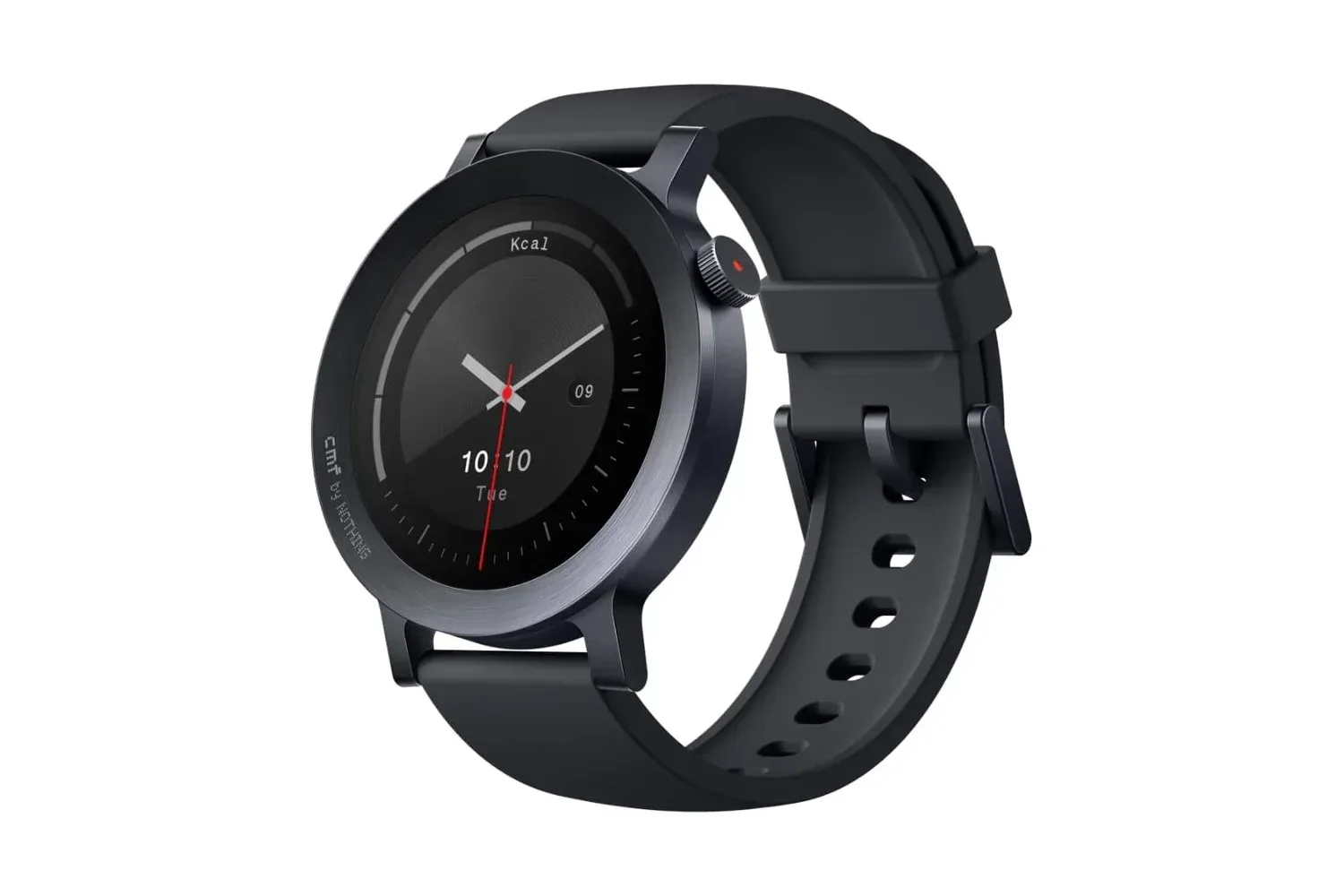
There is a nearby example of how varied this segment can be: the CMF by Nothing Watch 3 Pro listing emphasizes dual-band GPS and a claimed 13-day battery life. The comparison is not a declaration that one device is universally better. It illustrates that shoppers should identify the hardware and tracking priorities they actually need, rather than treating all wrist wearables as interchangeable.
Water resistance and compatibility broaden everyday use
The Inspire 3’s 50-meter water-resistance rating means it is presented as suitable for showering or swimming. That makes it easier to keep on during ordinary daily transitions, which is useful for a tracker intended to log activity continuously. Removing a wearable repeatedly can mean missed activity records and fewer opportunities for its reminders to be useful.
Compatibility with both Android smartphones and Apple iPhones also widens the device’s potential audience. The Fitbit app is where users review the data collected by the tracker, including trends in blood oxygen measurements as well as activity, heart-rate and sleep information. Prospective buyers should therefore think of the wristband and app together: the display is for quick checks, while the phone app is the longer-term record.
Who the $70 listing suits
At the listed price, the Inspire 3 makes the most sense for a person seeking an uncomplicated way to monitor habits rather than a feature-heavy watch. Its strongest case is the combination of continuous heart-rate monitoring, sleep-stage data, automatic exercise recognition, more than 20 exercise modes, phone alerts, water resistance and a claimed battery life of up to 10 days.
It may be particularly appealing to someone beginning to pay closer attention to daily movement or sleep consistency. Steps, distance and calorie estimates create a baseline; Active Zone Minutes and workout heart-rate tracking add activity context; sleep stages and Sleep Score offer a separate overnight view. The Fitbit app then provides the place to review those data points over time.
The practical trade-off is equally clear. This is described as a basic smartwatch-style activity tracker, and its strength is focus. Rather than promising every imaginable wrist function, it concentrates on a lightweight design and recurring measurements that can help make daily routines easier to notice. With the price listed at $70 instead of $100, that focused package is $30 less expensive for shoppers who decide those are the functions they will actually use.
Shop the products
Check current price, model and availability at the retailer.