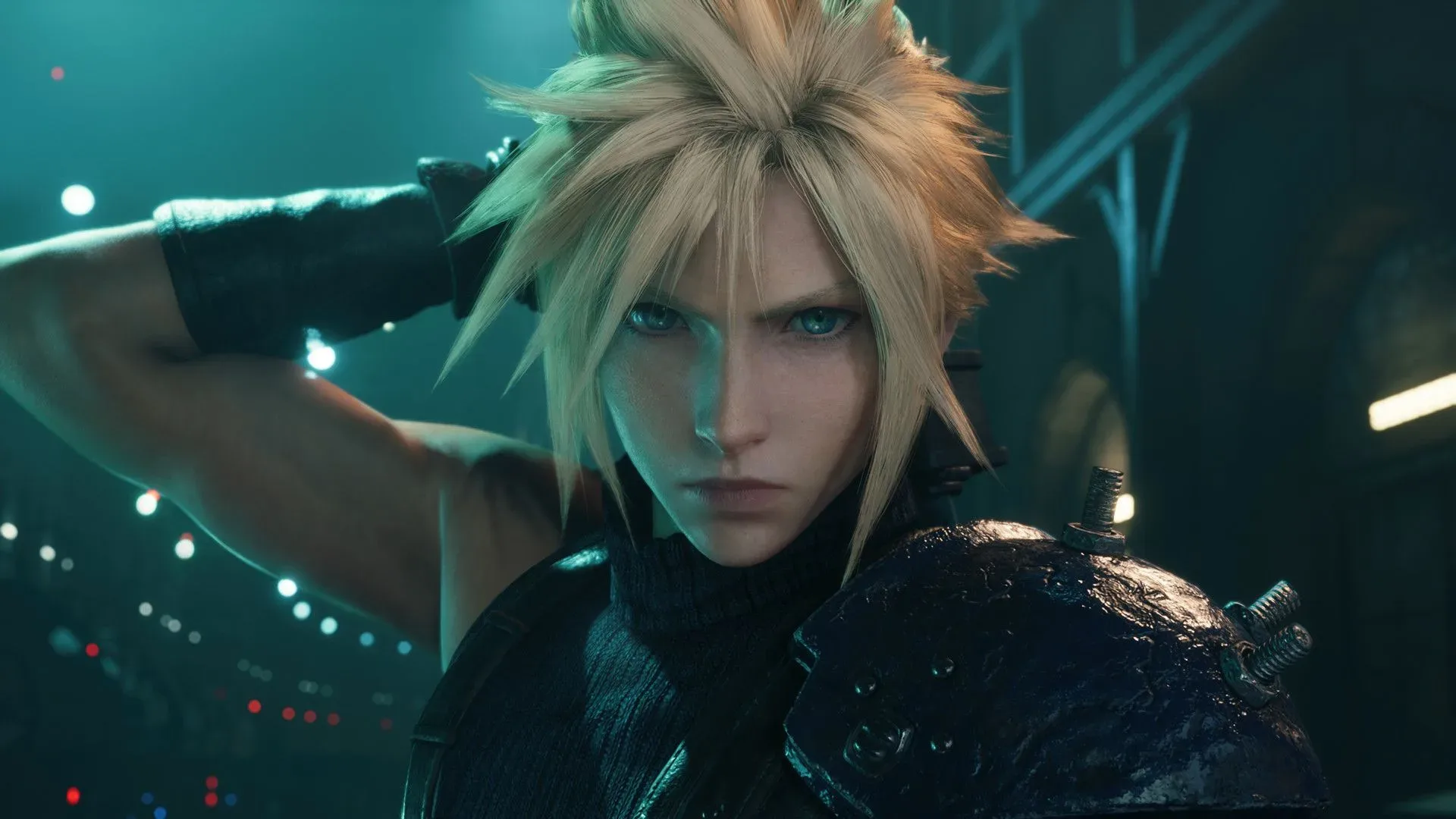
Potential spoilers for Final Fantasy VII Remake and Final Fantasy VII Rebirth follow.
The creative push and pull behind Final Fantasy VII Remake may be more surprising than the game’s most headline-grabbing story turns. Yoshinori Kitase, the original game’s director, has said he initially wanted the remake project to take even more drastic liberties with its predecessor. The internal counterweight, he explained, came from a newer generation of developers led by remake series director Naoki Hamaguchi, who argued for retaining the original game’s defining strengths and visual impressions.
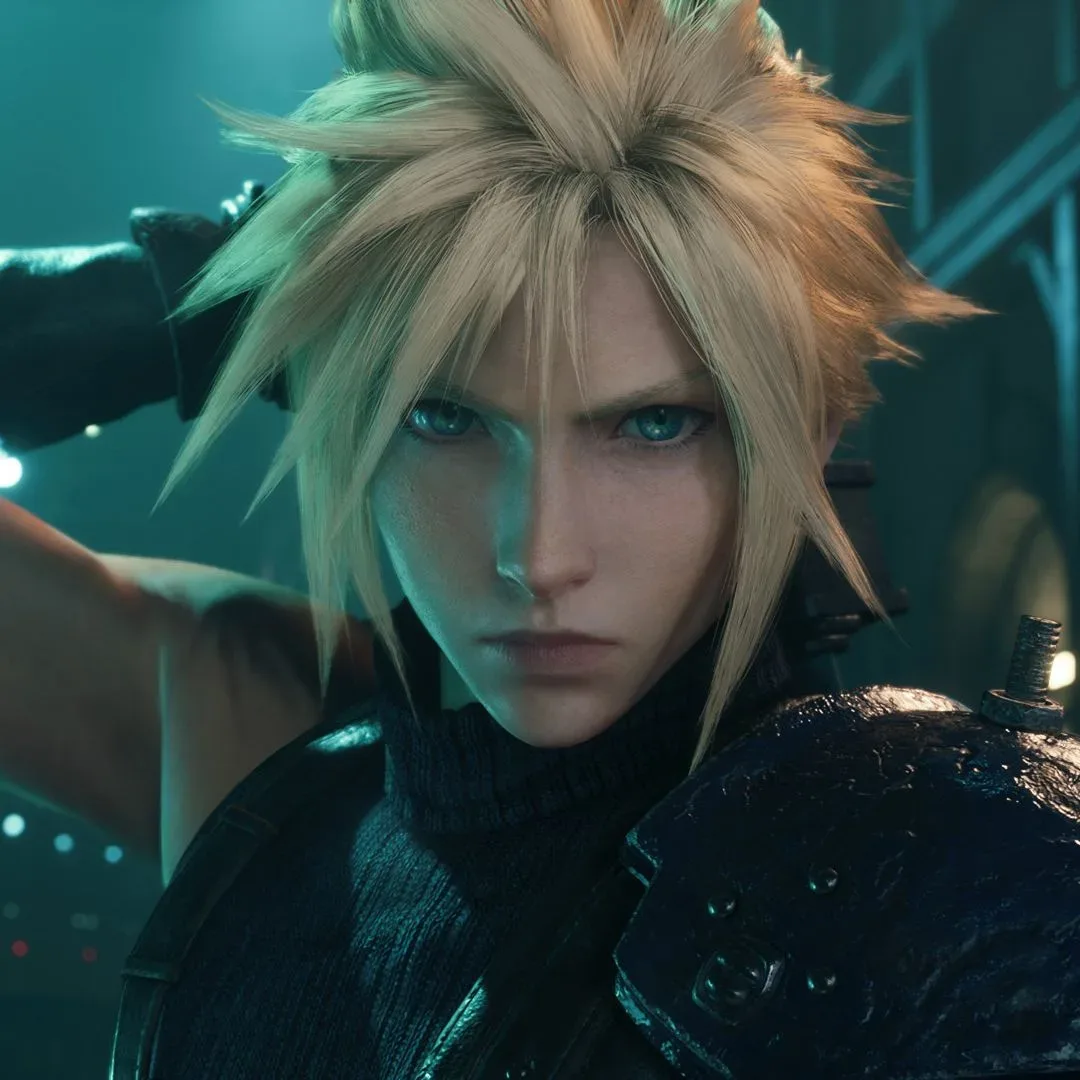
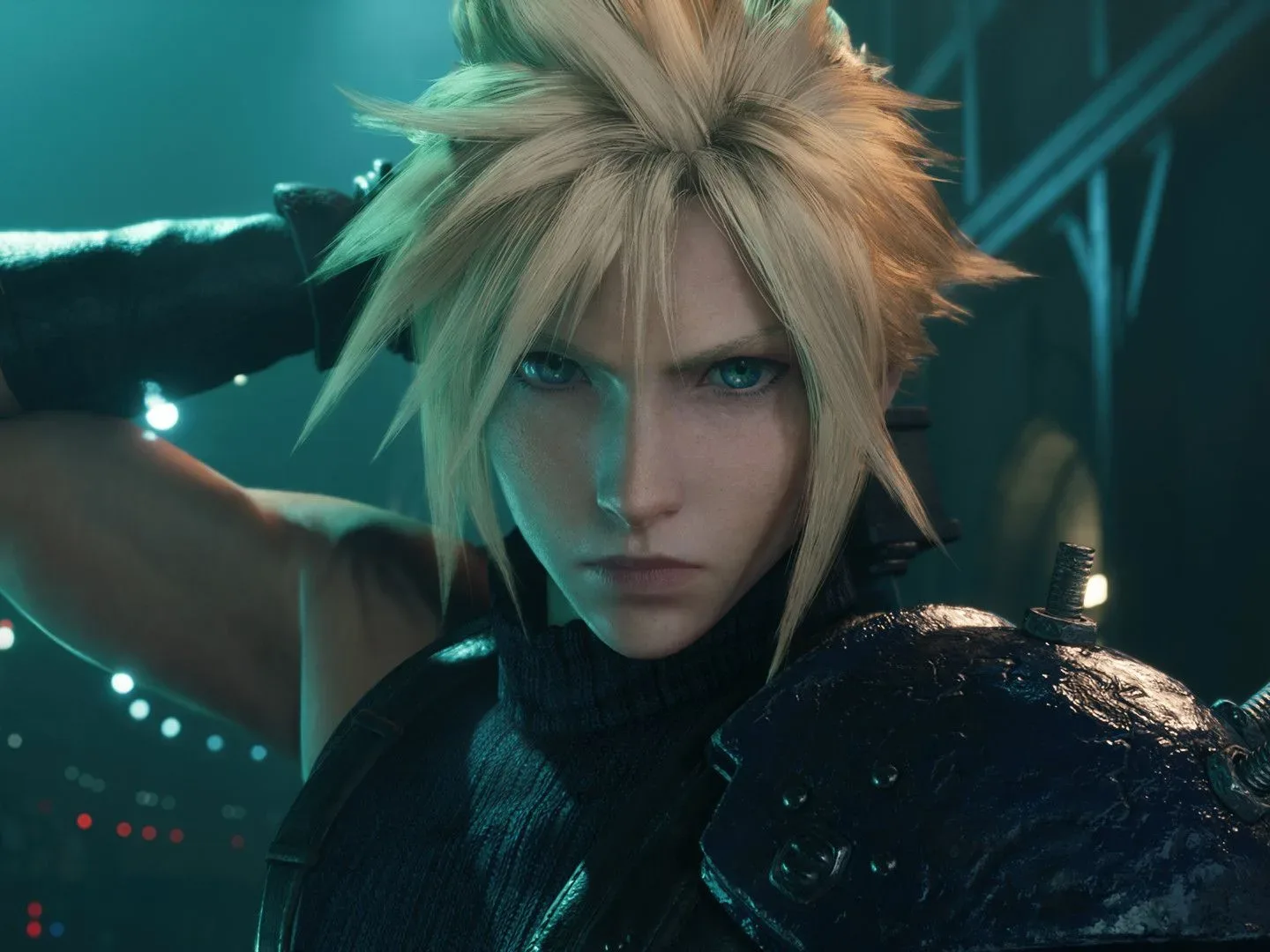
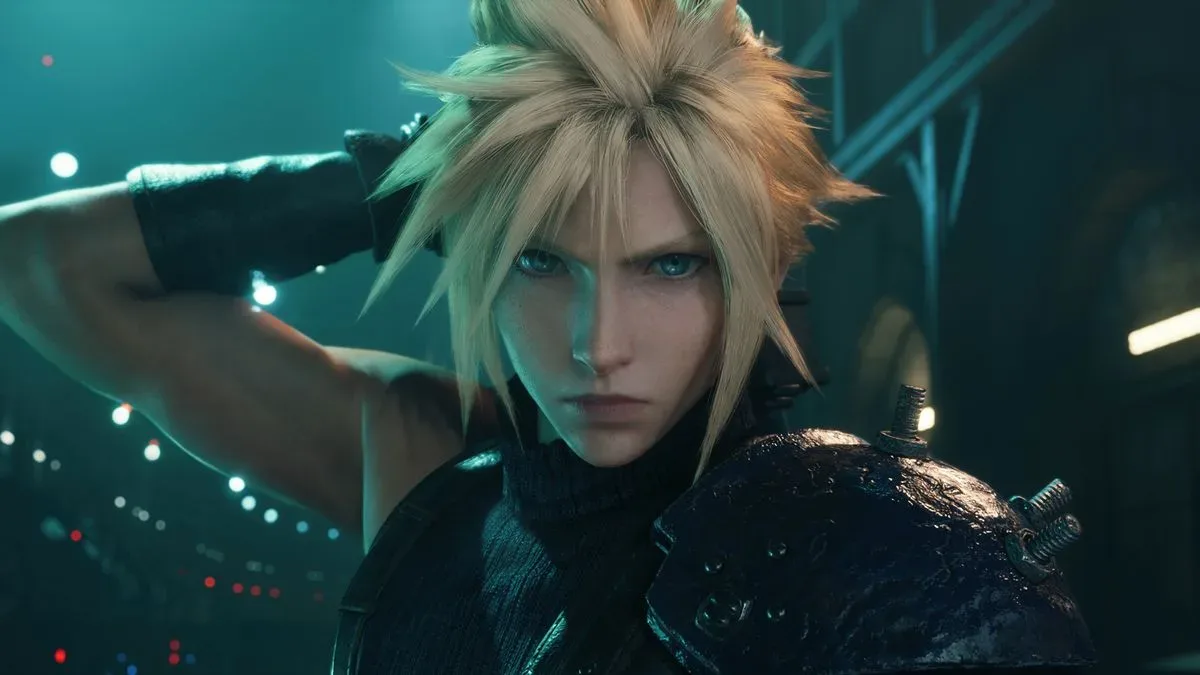
That tension is visible in the finished project. Final Fantasy VII Remake is not a scene-for-scene reproduction of the original PlayStation game, and its closing stretch deliberately changes the conversation around what a “remake” can be. Yet it still presents familiar places, imagery and story foundations in forms designed to be immediately recognizable. Kitase’s comments suggest that balance was not accidental. It was negotiated.
A remake is not automatically a restoration
The word remake can cover several very different creative approaches. At one end is a close reconstruction: the original structure, plot beats and look are retained, with newer technology primarily improving presentation or usability. At the other is a reinterpretation, where creators keep the broad premise while revising how the story unfolds, what it emphasizes and sometimes what it means.
Final Fantasy VII Remake sits in the contested territory between those approaches. It returns to the world, characters and major early framework that players associate with the original, but it also introduces substantial differences and late-game developments that reframe expectations. That is why its name has prompted such persistent debate: “remake” can imply preservation to one player and reinvention to another.
Kitase’s perspective makes clear that the team did not treat faithfulness as the only valid goal. He felt that the remake format gave the creators room to disregard parts of the original to some extent and pursue greater change. In other words, the project could have leaned still harder into the idea that returning to an old story is an opportunity to tell it differently rather than merely restage it.
That is a defensible artistic position. A decades-old game carries constraints tied to its original hardware, production methods and era. A modern production can revisit the material with different pacing, a more expansive sense of place, altered visual language and story devices that would not have worked in the earlier format. Simply having the ability to change something, however, does not settle whether changing it is a good idea.
The Mako Reactor became a useful test case
One early design discussion centered on the iconic Mako Reactor seen at the beginning of Final Fantasy VII. Concept art explored a far more radical structure, described as a huge form with spike-like projections emitting mako. The final version instead remained much closer to the original game’s reactor design.
Related coverage includes Kitase Wanted Bigger Final Fantasy VII Remake Changes, While Hamaguchi Defended Its Iconic Look.
On paper, that may sound like a relatively contained art-direction decision. In practice, opening imagery carries unusual weight. The reactor is part of the first impression of the setting: an industrial symbol tied to the game’s environmental and corporate conflict, and an image long embedded in players’ memories. Changing its shape dramatically might not alter a line of dialogue, but it could alter the immediate feeling of arriving in this version of the world.
That distinction matters because visual fidelity is not always about duplicating individual polygons or camera angles. It is about preserving recognition. A player can accept a far more detailed, modern rendering of an old location while still expecting its silhouette, function and emotional role to register instantly. The final reactor design appears to have been guided by that principle.
Kitase said the discussion led him to recognize that directors need to respect the visual impressions players have carried with them. This does not mean every familiar object must be frozen in its earliest form. Rather, it identifies an important boundary for adaptation: some images do more than decorate a game. They help anchor a shared understanding of its identity.
Why newer developers may have argued for restraint
It is tempting to assume that veteran creators are always the most protective of their past work while younger staff push for disruption. Here, the reported dynamic was the reverse. Kitase wanted a broader break from the original, while Hamaguchi and the newer team members made the case for safeguarding what had made it resonate.
That reversal makes sense. A creator who worked on an original may see it as a starting point rather than a museum piece. They know where compromises were made, which ideas were unfinished, and which areas they would revisit if given another chance. Their relationship to the work can be active and forward-looking.
Developers who arrived later may approach the same material as both a game and a cultural touchstone. Their job is not necessarily to preserve every detail, but they may be especially alert to the elements that audiences identify as essential. Hamaguchi’s position, as described by Kitase, was not simply “do not change anything.” It was a defense of the original’s strengths.
That is a crucial distinction. Meaningful restraint is not the same as creative timidity. It requires identifying which pieces of a work are structurally or emotionally important enough to retain, even when the production has the resources to replace them. The reactor discussion provides a concrete example: the bolder concept may have been visually striking, but closeness to the original was judged more valuable for the opening’s recognition and atmosphere.
The finished games reflect both impulses
Players do not need access to every abandoned design to see the compromise at work. Final Fantasy VII Remake makes major changes while continually invoking established iconography. It is willing to surprise, but it also knows that surprise has more force when it is set against a recognizable baseline.
That explains why the series can feel simultaneously faithful and disruptive. Familiar visual landmarks and story material establish trust, then deviations ask the audience to reconsider what they think they know. A completely detached reinterpretation would not produce the same effect; nor would a rigid reproduction that never risks upsetting expectations.
This approach also clarifies why responses can be so divided. For players who wanted a close return to the original, major narrative shifts can feel like an unnecessary threat to a beloved story. For players interested in a remake that has its own dramatic purpose, those shifts can make revisiting familiar material uncertain and newly suspenseful. Neither response is irrational, because each one rests on a different expectation of the word “remake.”
In that sense, controversy is not merely a side effect of a high-profile revival. It is built into the project’s central proposition. The closer the team keeps the game to the original, the more it invites comparisons to every remembered detail. The further it moves away, the more it risks losing the landmarks that made the return meaningful in the first place.
What the debate means for the series going forward
Kitase’s remarks do not establish that every unused radical idea would have improved the remake series, nor do they mean the current games were shaped by a simple vote between old and new. They do, however, offer a clearer view of the design philosophy behind a production that has often been discussed only through its final plot turns.
The core challenge is not whether a remake should be faithful or bold. It is how it decides what deserves faithfulness and where boldness can add value. The Mako Reactor example points toward a useful answer: preserve the visual and emotional anchors that help players recognize the world, then use changes purposefully rather than treating difference as an achievement by itself.
That same question extends beyond Final Fantasy VII. Any team revisiting a revered game has to separate an original work’s surface-level details from its deeper identity. Some changes make an older experience legible to a new audience. Others may replace the very images, rhythms or relationships people hoped to revisit. The hard work lies in telling those categories apart.
It is also an industry-wide issue worth watching as more major series return in new forms. Creative leaders across large game projects are often asked to preserve a legacy while proving a remake has a reason to exist. The balancing act in Final Fantasy VII Remake is a particularly visible version of that broader challenge, much like the questions around distinct identities raised in how studios define a sequel without simply copying another major game.
For Final Fantasy VII, the stated disagreement is revealing precisely because it ends without a clean winner. The remake series contains conspicuous, consequential departures, so Kitase’s appetite for change plainly found expression. At the same time, the reactor example shows Hamaguchi and the younger developers successfully defending the power of familiar imagery. The result is a series built not on total preservation or total replacement, but on a continuing argument between the two.