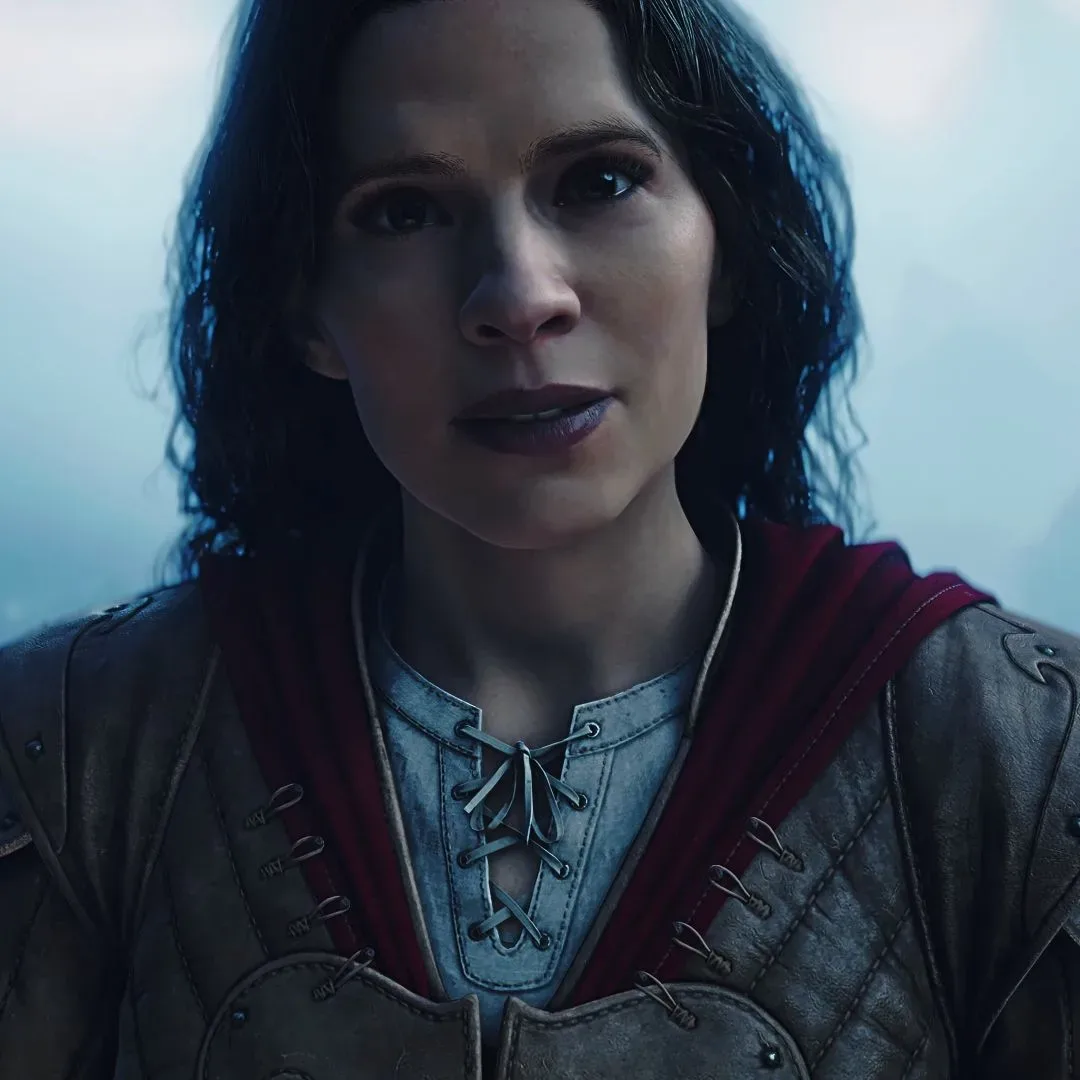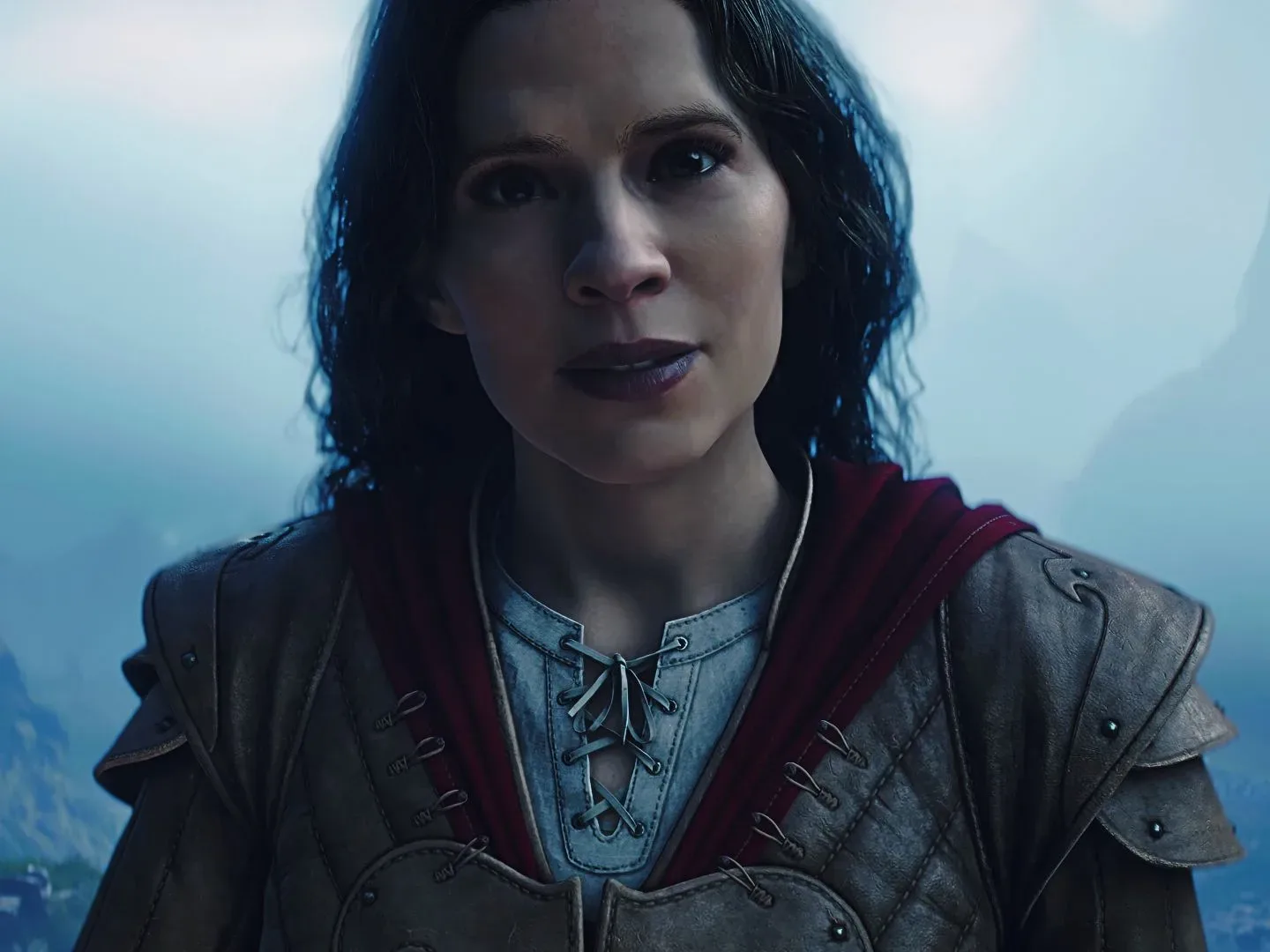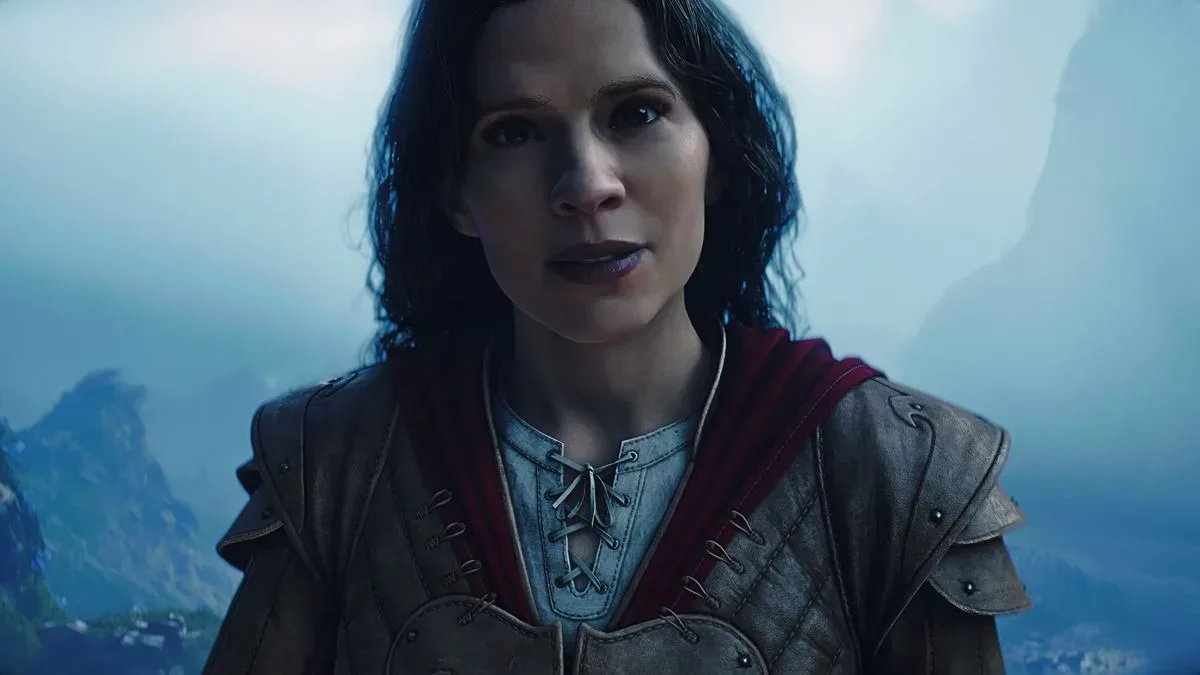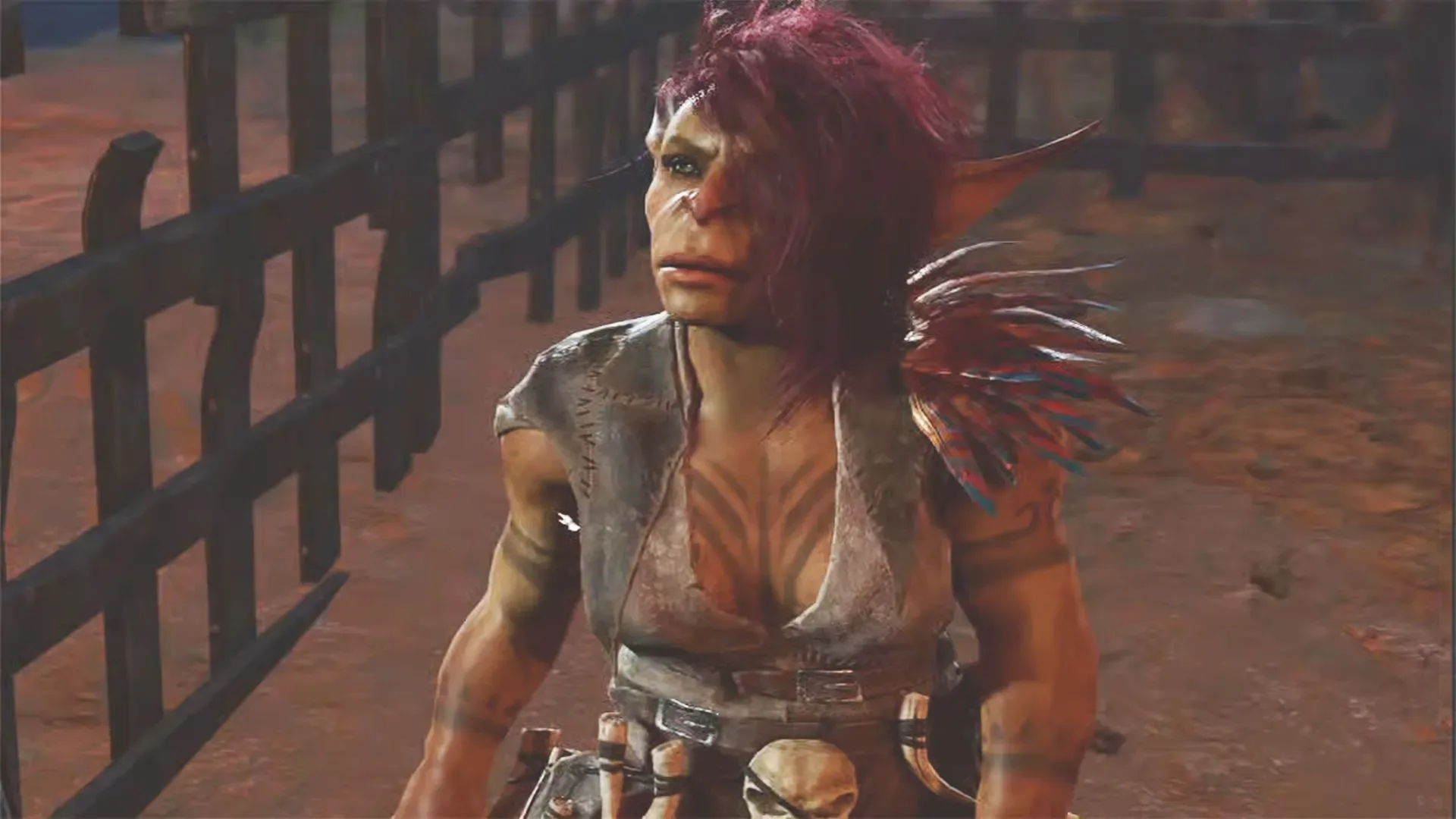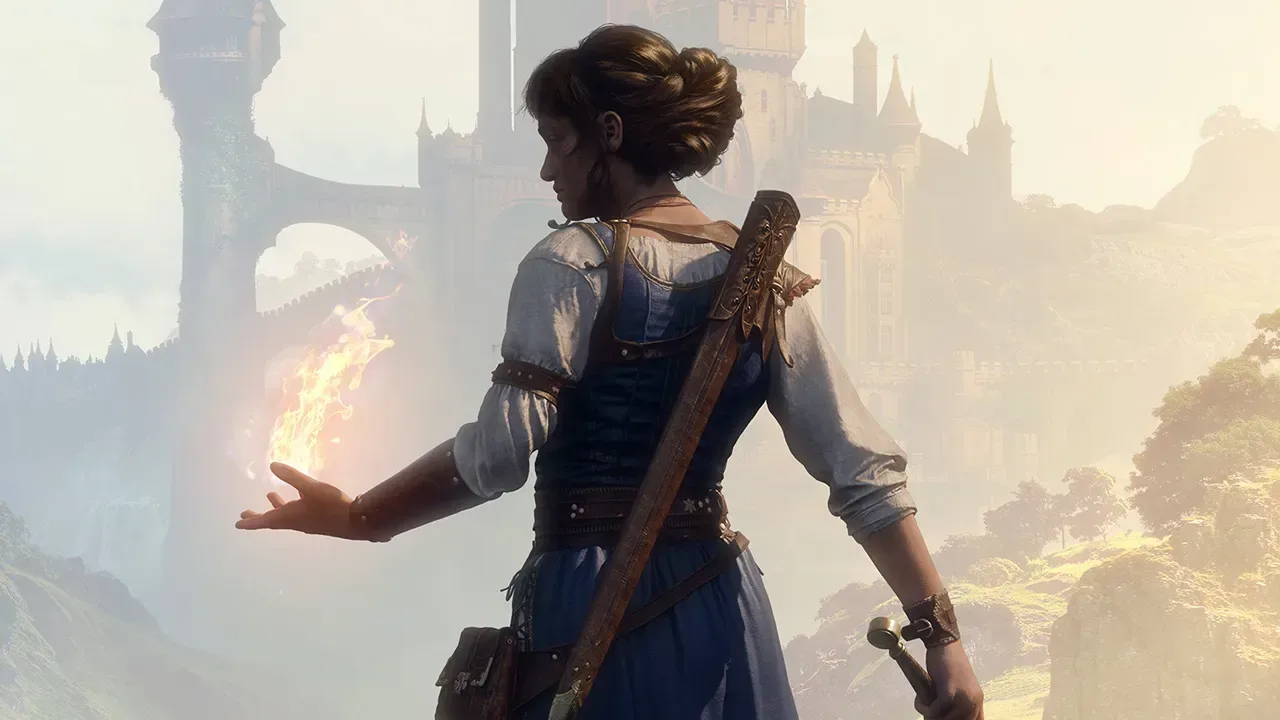
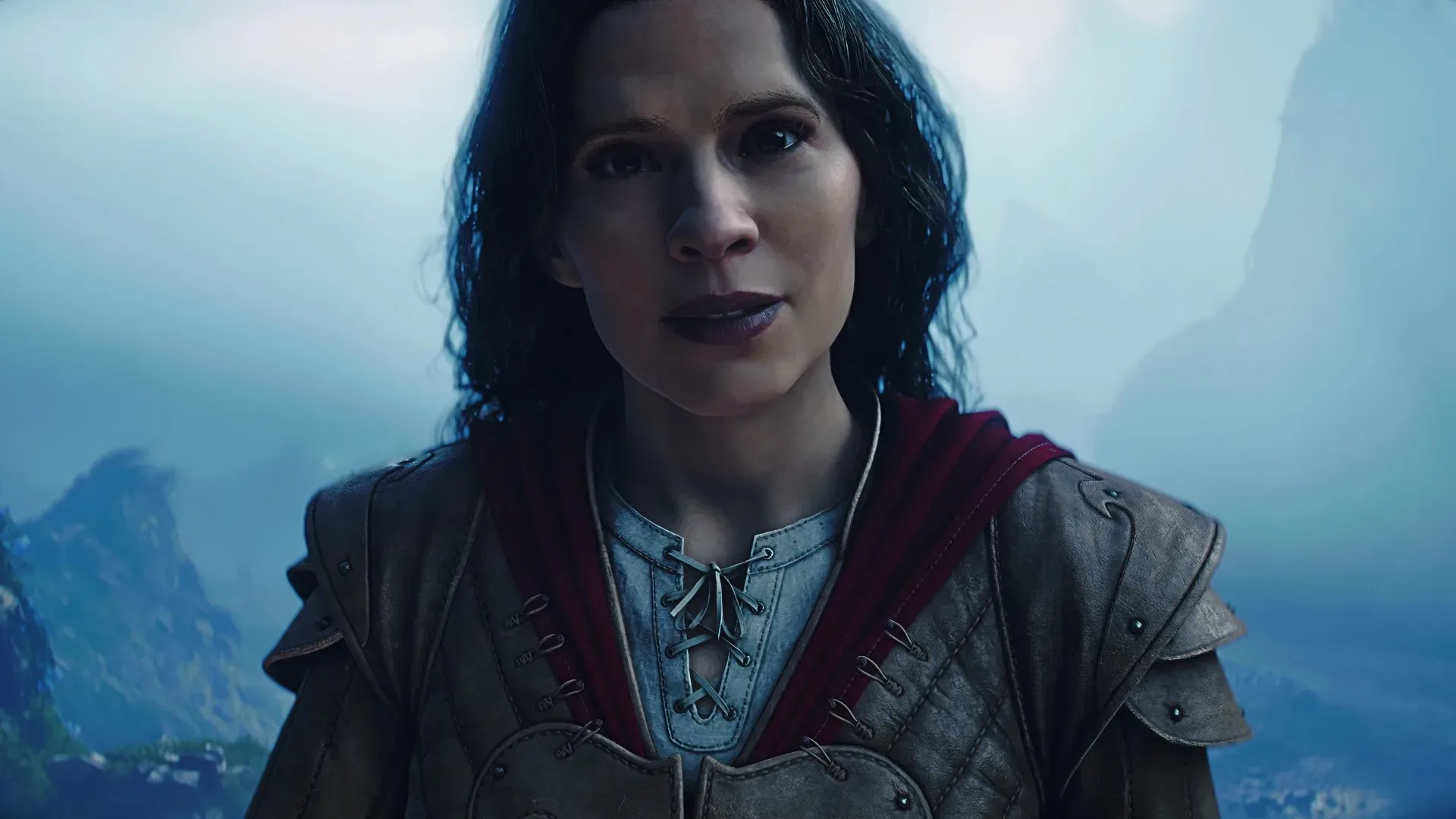
Playground Games is putting an enormous amount of recorded speech into its next Fable. Ralph Fulton, the game’s general manager and a Playground Games co-founder, says more than 100 voice actors from around the United Kingdom have contributed more than 150,000 lines of dialogue.
That figure describes a major voice-production undertaking rather than a simple promise that every conversation will be long. A line of dialogue is generally one discrete recorded piece of speech: a greeting, a quest instruction, a reaction to the player, a cutscene sentence, a combat bark, or a response attached to a particular choice. A game can accumulate a huge total by accounting for many characters, alternative player paths, regional performances and situational reactions.
For this project, the sheer count is paired with a more specific creative goal: making the world sound recognisably British in a wider sense than the polished, broadly familiar fantasy voices often heard in the genre. Fulton said the cast includes performers and accents from across the UK, pointing to Sheffield, Belfast and Edinburgh as examples.
A large dialogue count, in context
The 150,000-plus total places Fable above several frequently cited RPG benchmarks. Skyrim has roughly 60,000 spoken lines, while Mass Effect 3 is cited at around 40,000. Fallout 4, at approximately 111,000 lines, is nearer to the new figure but still below it.
Those comparisons are useful as a scale check, but they should not be mistaken for a quality ranking or a precise measure of game length. Dialogue totals can be shaped by the number of branching choices, optional characters, repeatable ambient remarks, localized reactions, companion exchanges, and scenes that exist only under particular conditions. One title may invest heavily in dense conversations with fewer actors; another may spread shorter reactions widely across its world.
What the number does establish is the scale of the recording pipeline. Fulton described the task as a mammoth operation, and the team has spent more than 1,000 hours during the year recording dialogue across multiple studios. That is time spent in the booth, but a spoken line also needs writing, direction, performance, editing, implementation and checking in-game. A line that works in an isolated recording session must still play at the correct moment, at an appropriate volume, without interrupting another line or repeating too conspicuously.
Why accent variety matters to Fable
For a series built around British fantasy comedy, regional speech is not merely decorative casting. It can change a character’s rhythm, vocabulary, emphasis and comic timing. Fulton’s stated intention is to move beyond a limited set of conventional fantasy role-playing accents and include voices from many parts of the UK.
That choice could give towns, incidental characters and major encounters a stronger sense of local personality. A regional accent does not automatically create a deeper character, and it should not be treated as shorthand for a joke or a social role. But when it is part of a considered performance, it can make a fictional setting feel less like a single standardized voice has been applied to everyone in it.
Related coverage includes Fable 4 tops 150,000 lines of dialogue with a cast of over 100.
Fulton also linked the approach to the game’s humor, noting that regional ways of expressing things can bring comedy naturally. That distinction matters. The goal described here is not simply to add funny-sounding voices; it is to draw on the different cadence and phrasing performers bring to dialogue. In a game with more than 150,000 lines, those small differences can matter as much as the headline total, because players will encounter the world through thousands of short exchanges rather than one giant script.
What players can reasonably take from the announcement
The practical takeaway is that Playground is investing substantially in spoken characterization and world-building. More actors and more recorded material should create room for a broad range of voices, including dialogue that may only be heard on particular routes through the adventure.
It does not, by itself, confirm how dialogue choices function, how many endings or quests the game has, how frequently lines repeat, or how much of the script belongs to core story scenes instead of background chatter. Those are separate design questions. A giant recording count is impressive production data, but it does not reveal the final balance between player agency, writing density and exploration.
It may also make accessibility options especially important. Accents from throughout the British Isles are central to the project’s stated identity, yet some players may find unfamiliar dialects more difficult to parse in fast-paced scenes. Clear subtitle controls can help players follow every performance without flattening the variety that the casting is designed to celebrate. No specific subtitle features were detailed alongside the recording figures.
The workload behind a “mammoth” recording effort
Voice recording on this scale is a coordination problem as much as an acting one. Multiple studios, more than 100 performers and a six-figure line count all require a consistent understanding of character, tone and context. Performers need direction on who they are addressing and what has happened immediately before a line; otherwise, an individually strong take may not fit the scene once it is assembled.
There is also a practical reason to be cautious about reading too much into an early numerical total. Large games evolve during development, and dialogue can be revised, replaced or cut as quests and systems change. The recorded number is a snapshot of a substantial amount of work, not a complete map of the finished experience.
Still, the commitment is notable: the next Fable is being framed not only through a larger quantity of speech, but through an effort to make that speech carry a broader set of UK identities. It is a production decision that aligns scale with tone, and the eventual test will be whether those 150,000-plus lines feel purposeful once players begin meeting Albion’s people.
Large productions also depend on the people making them, an issue visible elsewhere in the business through developments such as recent worker discussions at Rockstar. For Fable, the stated 1,000-plus hours of recording offers a concrete reminder that a memorable fantasy voice is the result of extensive creative and technical labor before it reaches a player’s speakers.