Exodus has shown 40 minutes of gameplay, and the third-person science-fiction action shooter is making a very clear case for players who miss cinematic, squad-focused space RPGs. The footage follows protagonist Jun Aslan on a mission to free the Kay, sentient frog-like caretakers of an orbital platform, from a hostile human faction. Along the way, it lays out a familiar-but-purposeful combination: companions in the field, powers and weapons selected from a combat wheel, enemies protected by different defense layers, and dialogue decisions that can change how allies view Jun.
The timing gives the showing an extra charge. Archetype Entertainment was founded by former BioWare developers, and the game’s visual language and mission structure inevitably invite comparisons to Mass Effect. Still, the useful takeaway from the extended footage is not simply that Exodus resembles an older favourite. It is that the developers are presenting a specific kind of role-playing experience built around tactical squads, interspecies politics and consequences that reach beyond a single conversation.
Jun Aslan’s mission begins with a larger human story
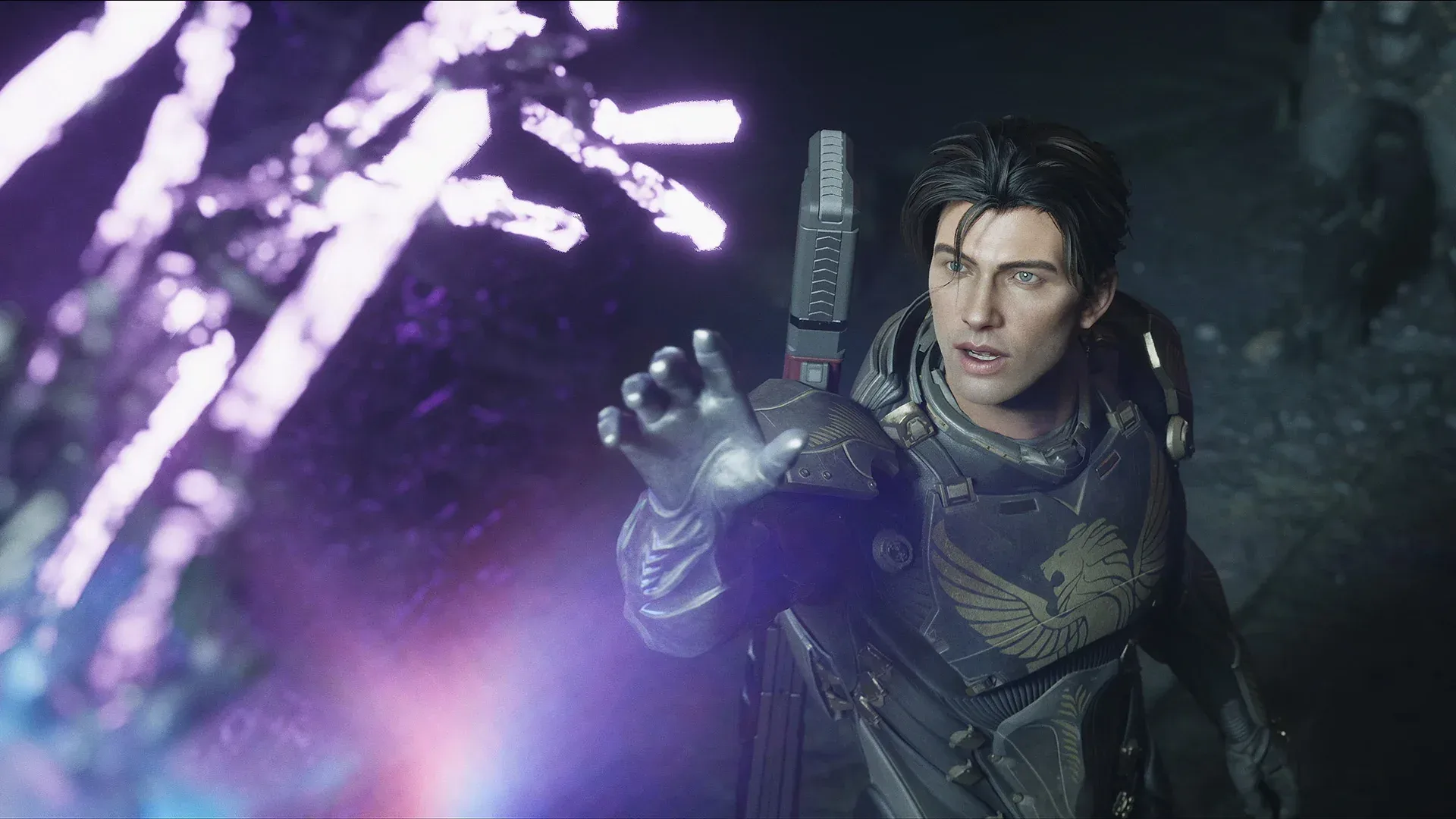
Players take the role of Jun Aslan, heir to a Traveller dynasty. The Travellers are described as leaders who guided humanity across the galaxy in search of new homes after Earth suffered ecological collapse. That setup positions Jun within an inherited institution rather than as a total outsider suddenly given command. It also gives the game’s spacefaring backdrop a social purpose: humanity’s presence among the stars stems from displacement and survival, not merely exploration.
The showcased operation centres on an orbital platform and the Kay who care for it. The immediate goal is liberation, but the situation is not framed as a simple shooting gallery. Jun and the squad are intervening in a conflict between a human faction and an intelligent species whose work is tied directly to the platform. The eventual decision shown in the footage concerns the fate of an entire species, raising the stakes from a local rescue to a wider political and moral question.
That kind of premise matters in a squad RPG. Combat can establish who has weapons and power in a scene, while the dialogue and mission outcomes can establish who gets safety, autonomy or leverage after the fighting stops. The gameplay video indicates Exodus wants both parts of the equation in play.
The setting makes room for aliens and the Awakened
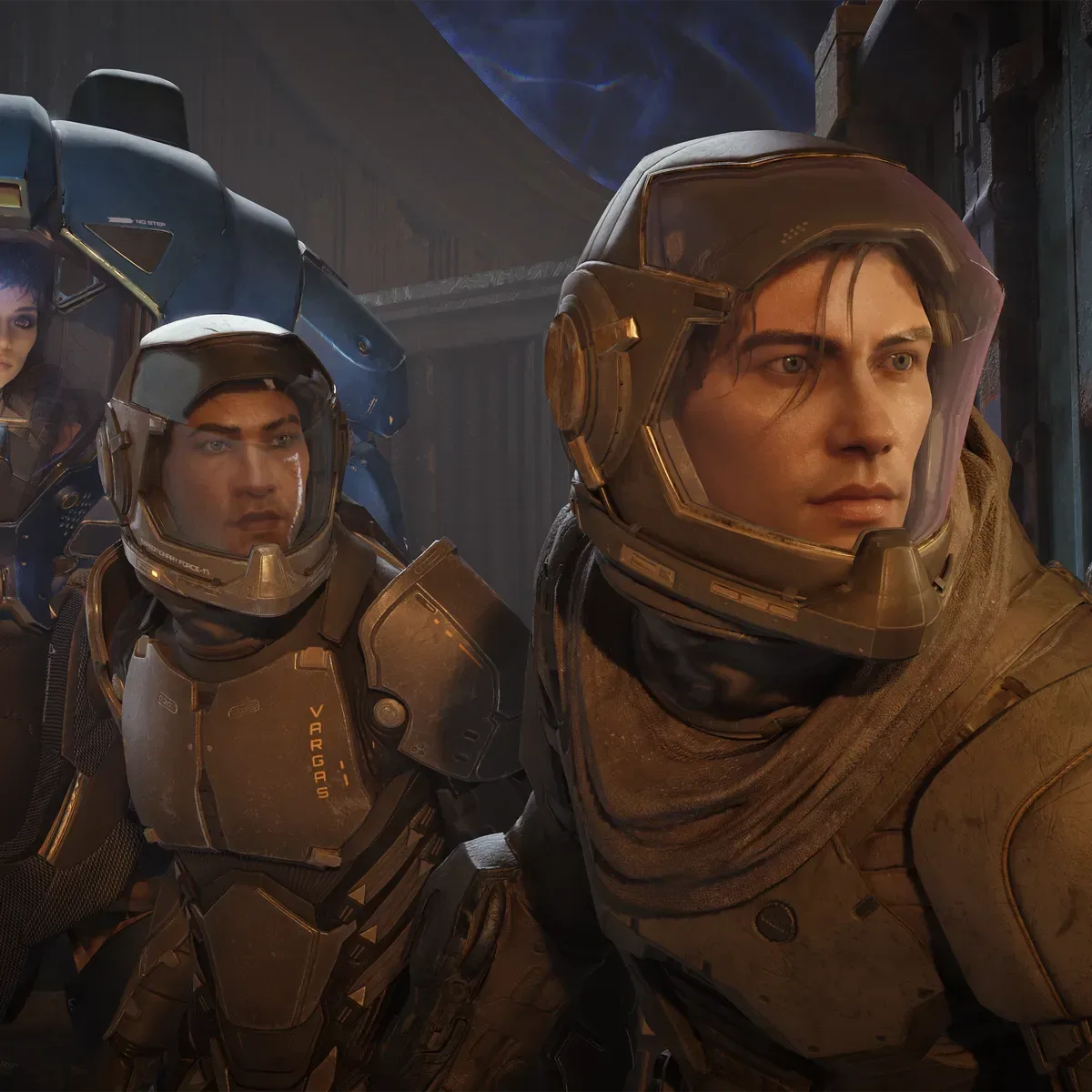
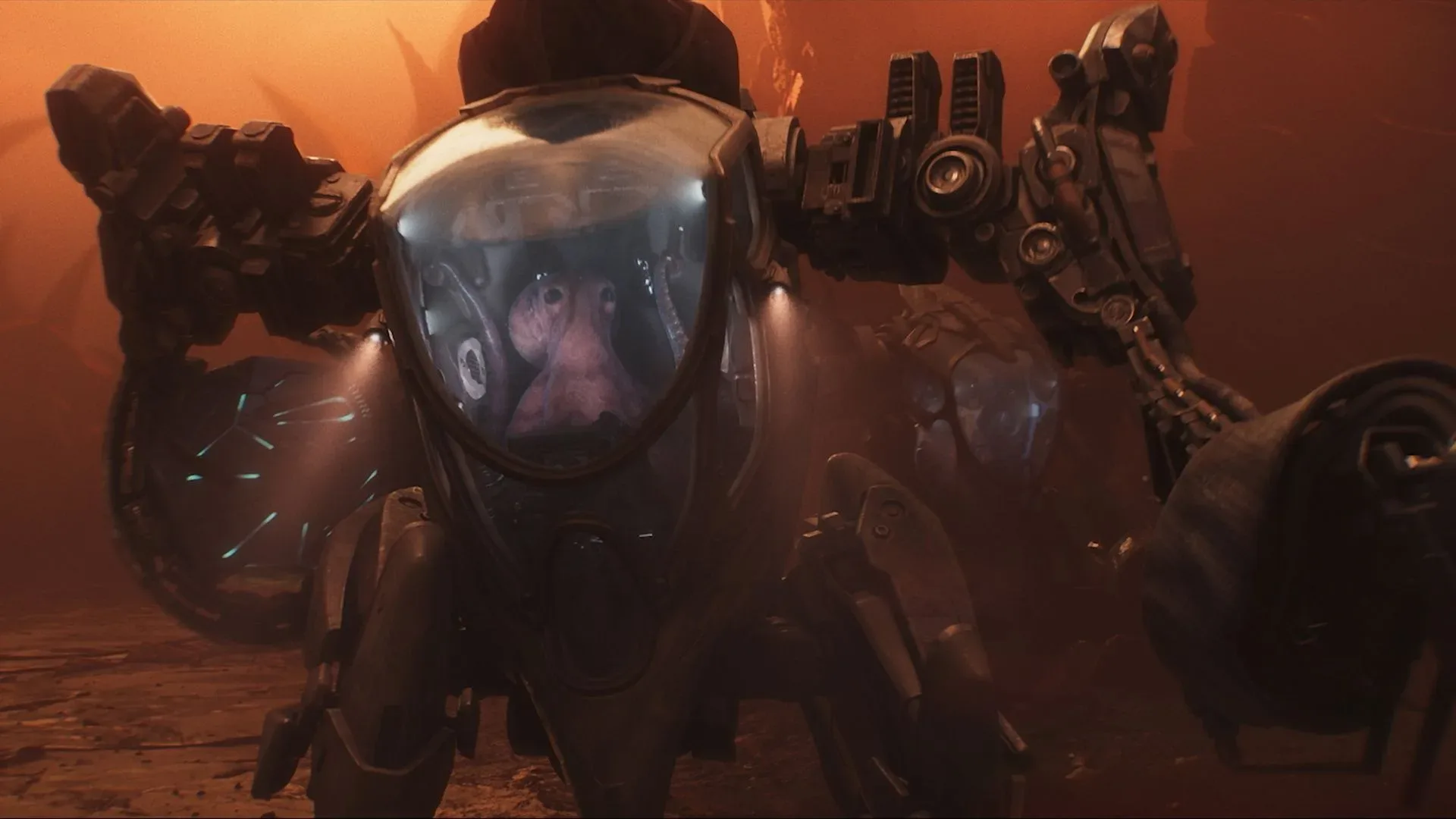
The Kay are not the only non-human presence. Exodus also includes the Awakened: oversized sentient animals who live and work beside humans. The footage’s standout example is a companion who is an octopus operating a mech. It is an instantly unusual character image, but it also signals that the game’s societies are meant to treat intelligent non-humans as participants rather than mere wildlife, targets or background decoration.
That choice offers practical storytelling opportunities. A crew made up of people with different origins, needs and loyalties can make each decision feel personal as well as strategic. It also helps distinguish a setting from the usual galactic roster of uniform humanoid aliens. The footage does not establish every implication of the Awakened’s place in society, so it is too early to draw firm conclusions about how deeply that idea will shape the full game. What it does establish is that Exodus is putting the concept near the centre of its companion-driven pitch.
Science-fiction games can make creatures memorable through sheer visual variety, but a setting becomes more interesting when that variety has social consequences. The Kay’s position as platform caretakers and the Awakened’s role alongside humans both suggest that labour, dependency and power may be important parts of Exodus’s conflicts—not just the size of somebody’s blaster.
Related coverage includes Exodus Gameplay Showcase Reveals a Familiar Space-RPG DNA.
Combat uses readable layers of protection
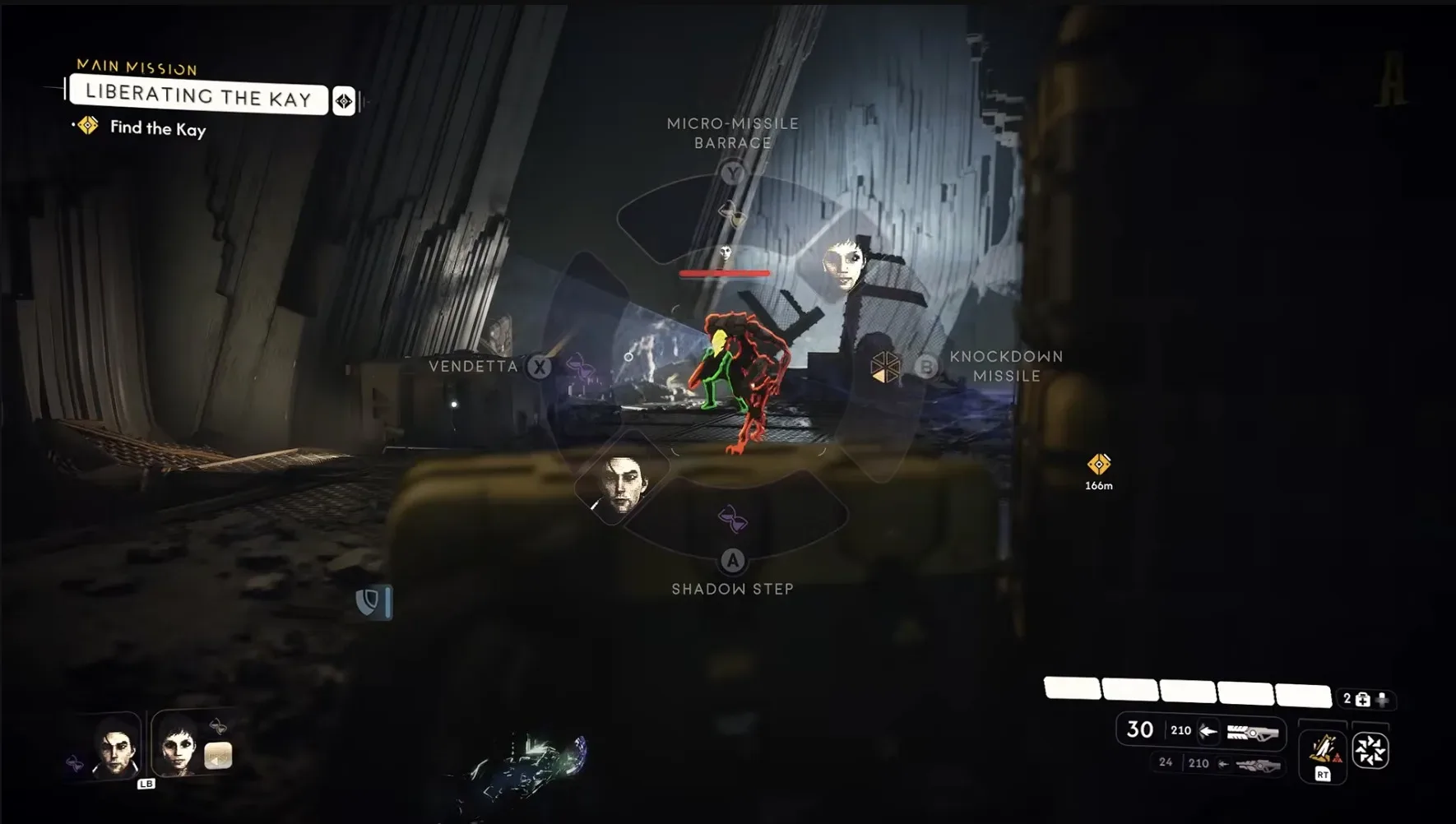
Exodus presents its firefights from a third-person perspective and gives Jun’s squad a tactical interface. Players can issue orders to companions and swap Jun’s equipment through a radial combat wheel. A combat wheel is a circular selection menu that lets a player choose weapons or abilities without navigating a long list; in squad games, it can also provide a moment to assess the battlefield and assign actions deliberately.
The enemy UI divides protection into three visible categories:
- Red for health.
- Yellow for armour.
- Blue for shields.
In gameplay terms, these are defense layers: separate forms of protection a player must strip away or counter before defeating an opponent efficiently. The footage indicates that Jun and the squad have different abilities suited to different layers. That creates a basic tactical loop: identify what is protecting an enemy, select the correct tool, and coordinate the team rather than relying on one all-purpose attack.
Clear colour coding is not glamorous, but it is valuable in a fast encounter. A player can read what is happening at a glance rather than pausing to decode a complicated icon set. Red, yellow and blue also provide an immediate shorthand for threat management when several targets are active. The presentation is strongly reminiscent of the conventions associated with Mass Effect, but the underlying principle is broader: a squad shooter needs information to be quick to read if its tactical choices are going to feel usable under pressure.
Companion commands are equally important. A party-based combat system can become busy if allies act entirely on their own, yet it can become cumbersome if the player must micromanage every move. A command layer gives the player influence over key moments—such as choosing an ability for an ally—while maintaining the pace of an action game. The extended video demonstrates that Exodus is pursuing that middle ground.
Dialogue choices affect relationships and resources
Combat is only one half of the showcase. Small on-screen indicators tell the player when a companion reacts to Jun’s conduct, making relationship consequences visible during the mission. These are effectively approval signals: feedback that an ally’s disposition has shifted in response to the player’s decision.
The demonstration shows both outcomes of one dialogue exchange. One branch ends with a potential enemy being shot in the head. At the end of the mission, the stakes grow considerably as Jun must make a choice about the Kay’s future. The outcomes are not presented as a clean division between a universally correct option and a universally disastrous one. Suliman and his benefactors prefer one choice, while the alternative puts Jun at odds with them.
That conflict has a mechanical dimension. Jun needs Suliman’s help to acquire components for upgrading the ship, making his approval useful beyond simple companion banter. It is a notable design choice because it connects role-playing to progression. In other words, a player may have to weigh the outcome they believe is right against a relationship that can provide practical benefits.
The footage also suggests that some parts of the eventual outcome remain unchanged regardless of the choice. This is often called convergent branching: a narrative can offer different decisions, reactions or short-term results while steering certain major story conditions back toward the same destination. It can preserve authorial control and keep production manageable, but it puts pressure on the game to make the differences that do exist feel meaningful. Here, companion reactions and access to ship-upgrade parts appear to be among the consequences players will want to watch.
Why the Mass Effect comparison is so immediate
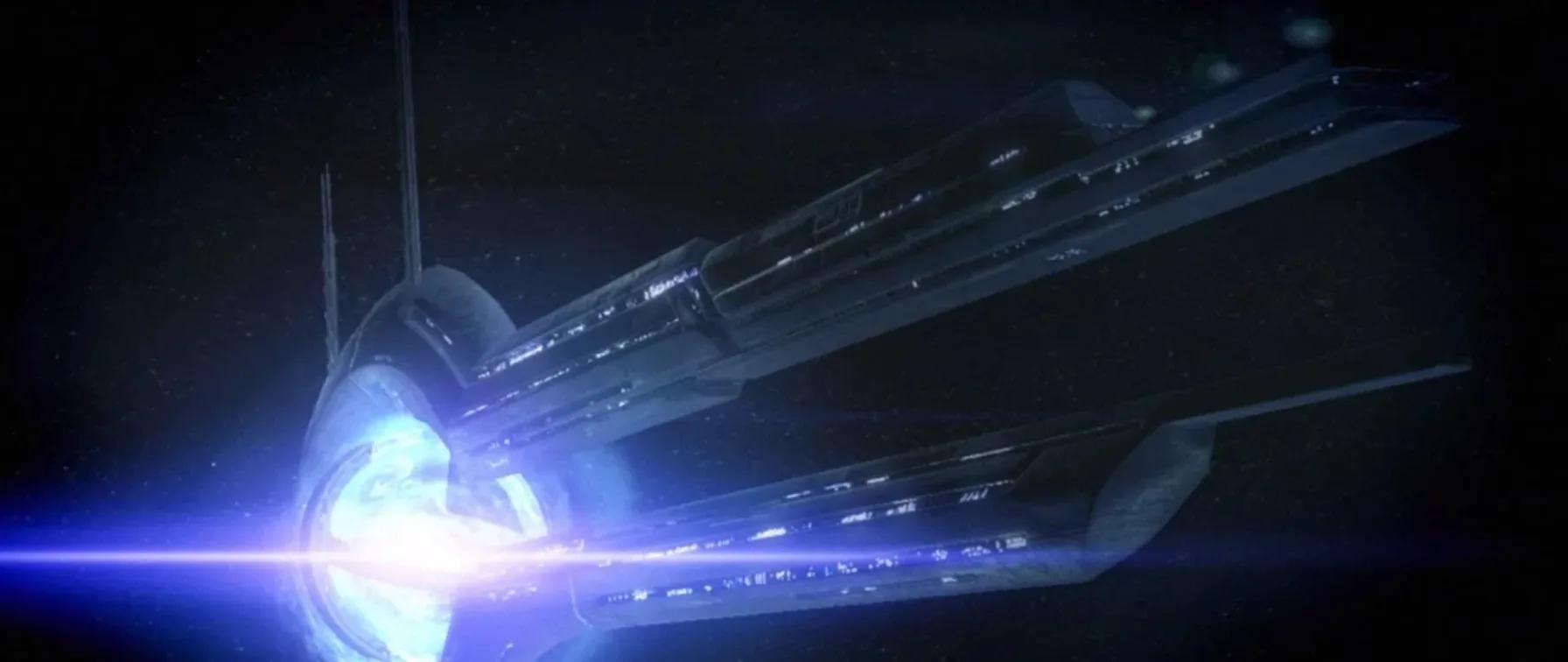
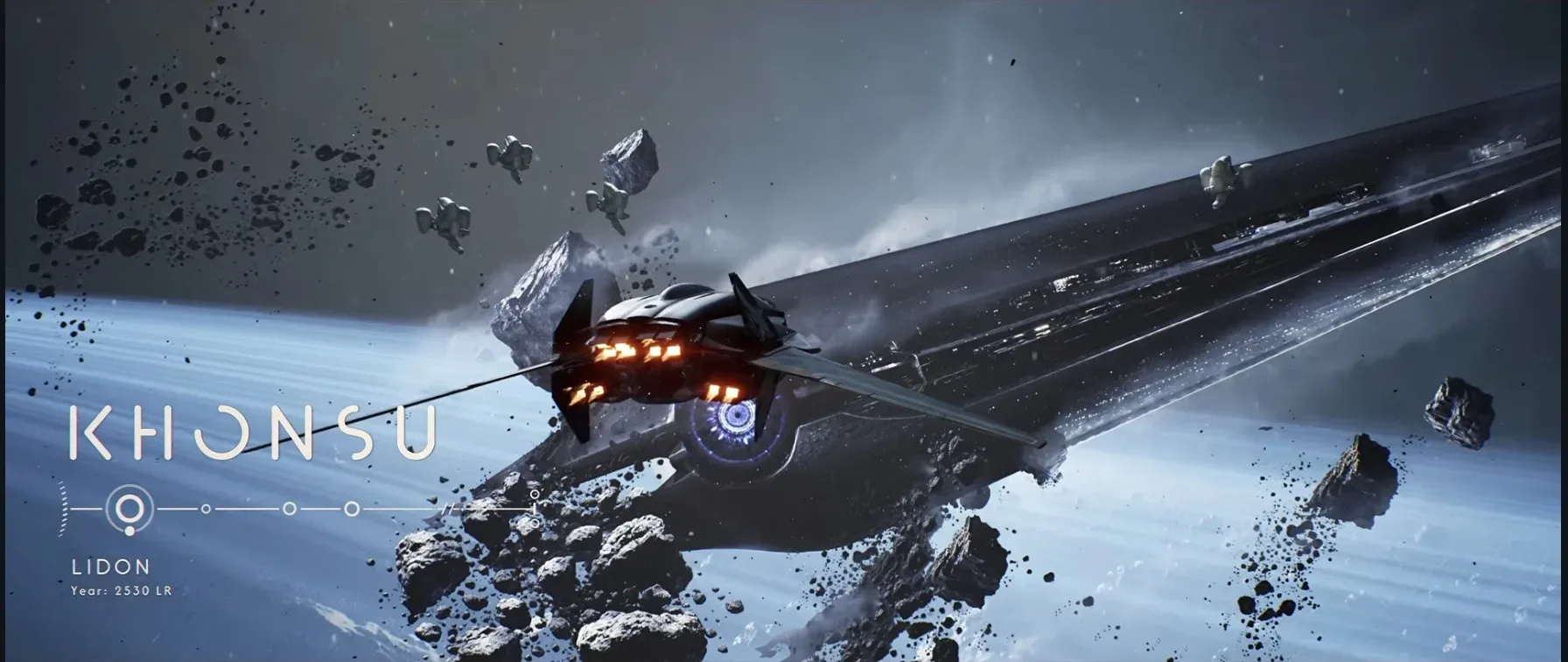
The resemblance is apparent from more than one interface colour. The footage opens on a major space vista featuring the orbital platform, whose colossal silhouette evokes the kind of transport infrastructure many players associate with Mass Effect. Then there is the broader package: a protagonist travelling with a specialist crew, a combat wheel, squad orders, readable barriers and armour, companion-response indicators, and big choices that combine emotional consequences with gameplay rewards.
None of those ingredients alone belongs to a single series. Radial menus, colour-coded combat information and party approval systems are established design solutions because they communicate complex systems clearly. But their combination creates a particular rhythm: shoot tactically, consult the crew, make a decision, live with the response, and improve the ship for what comes next. Exodus is visibly leaning into that rhythm.
For players, the encouraging part is not that the game is trying to hide its influences. It is that the showcase is concrete about the components it is bringing forward. There is a defined playable protagonist, a mission with a specific oppressed species at its centre, combat systems that can be read in motion, companions with opinions, and an upgrade economy tied to those opinions. Those are elements audiences can evaluate more clearly than a vague promise of a “choice-driven galactic adventure.”
What the footage can—and cannot—answer
Forty minutes is enough to explain the shape of Exodus, not enough to settle every question that matters in a full RPG. The gameplay establishes the presence of meaningful-looking dialogue branches, but it cannot yet show how often those choices produce substantially different paths across the wider game. It demonstrates squad tools and defence types, but a single mission cannot reveal the final range of enemy encounters, build options or companion combinations.
Likewise, the video makes the orbital-platform operation feel consequential, but it does not by itself prove how broadly the Traveller legacy, the Kay or the Awakened will be explored. Players should treat the showing as a strong statement of design intent rather than a full accounting of the finished experience.
Even so, the intent is unusually legible. Exodus is presenting an original setting populated by humanity, the Kay and the Awakened, then applying a recognisable squad-RPG framework to questions of loyalty, protection and power. For a broader look at how games can make non-human life part of the world rather than simple scenery, see GTA 6’s reported animal-world ambitions.
Exodus has not concealed the traditions it is drawing from. Instead, its gameplay showcase argues that the appeal of a beloved style of science-fiction RPG is bigger than any one piece of branding: it comes from the interplay of a crew, a mission, a moral choice and the consequences that follow into the next journey.