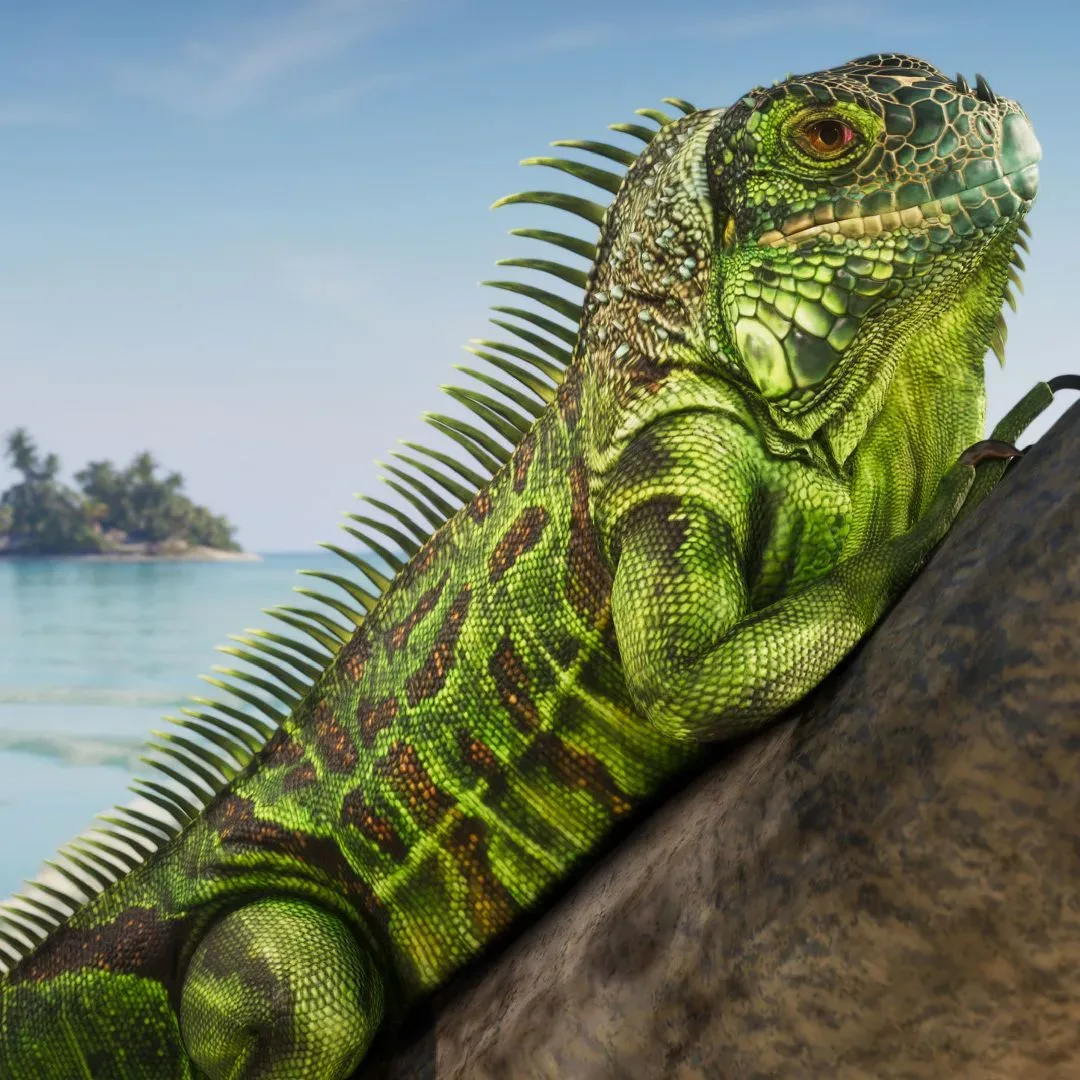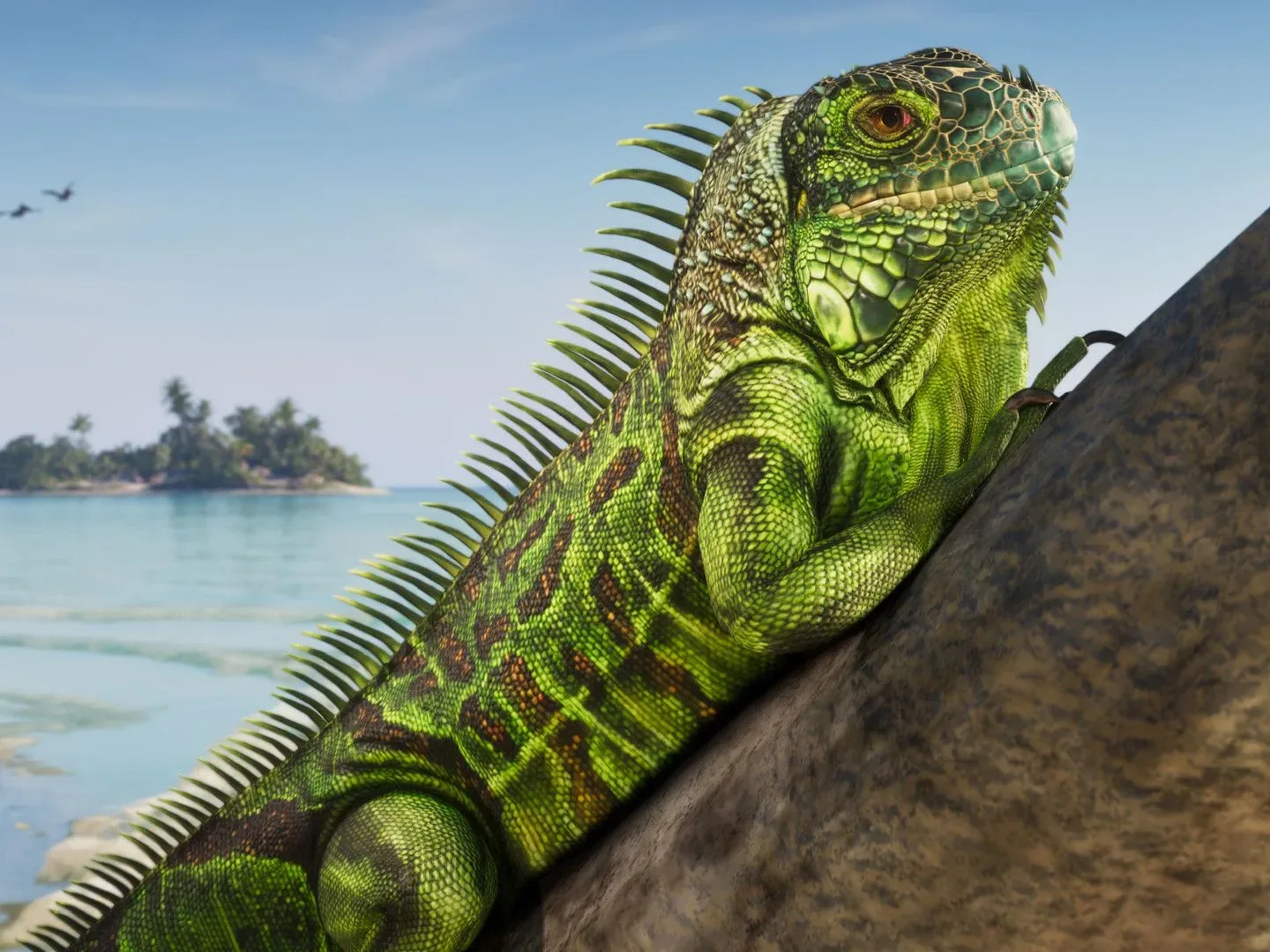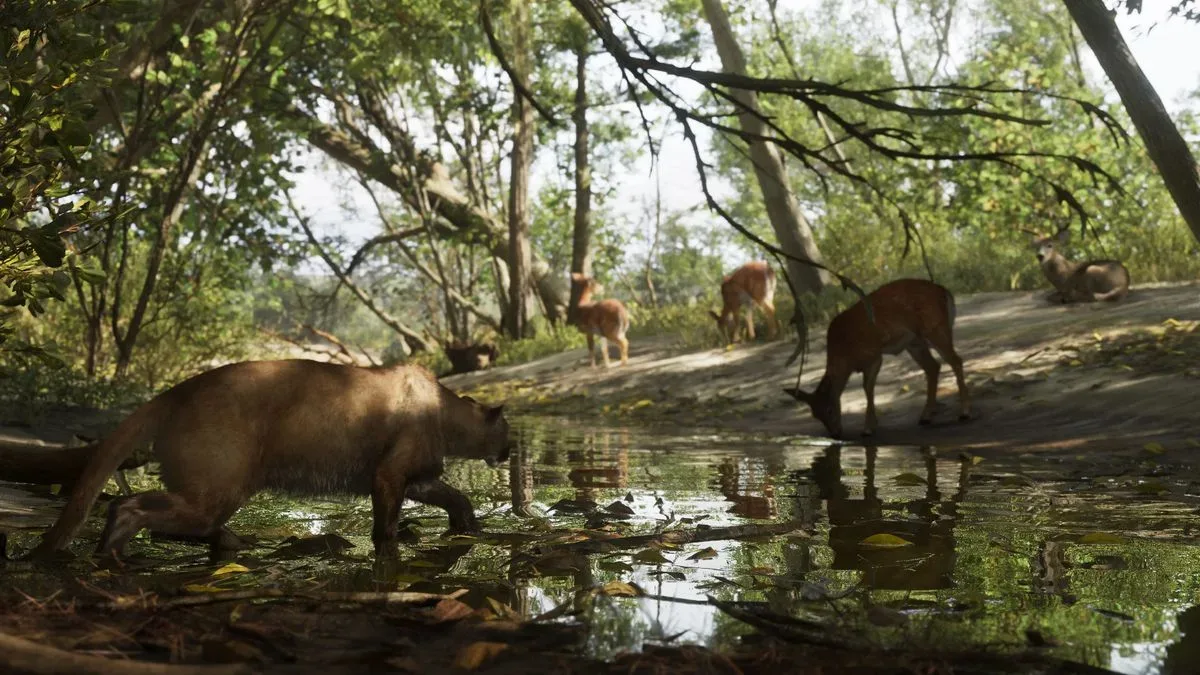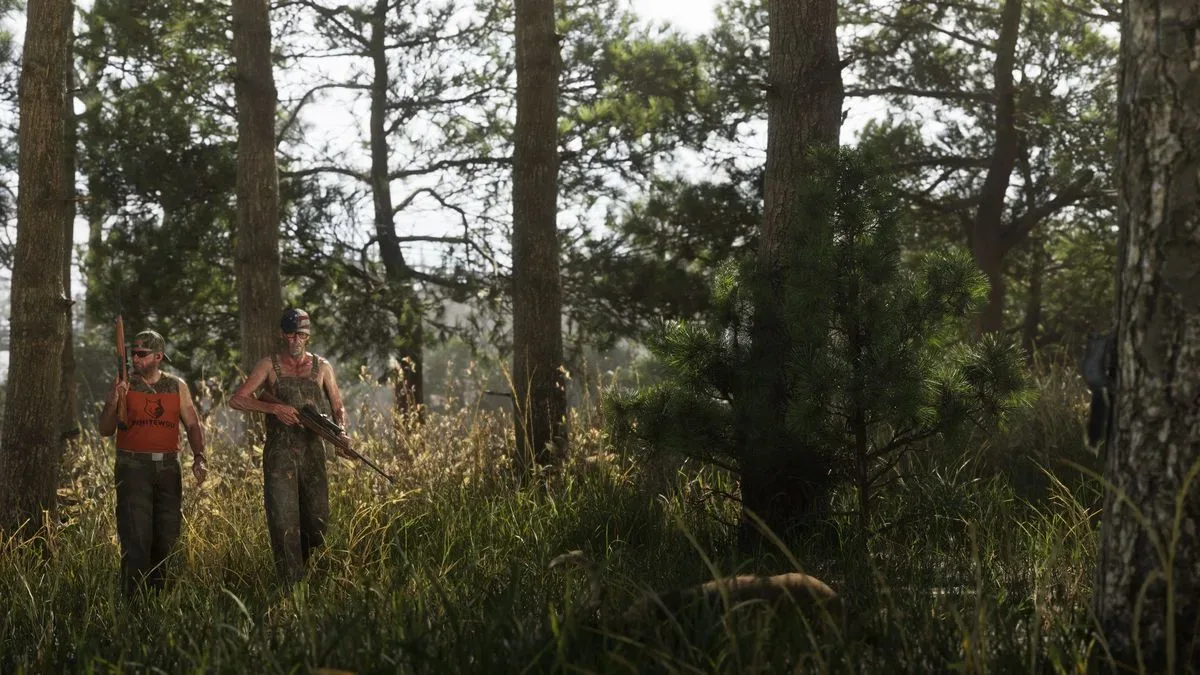
Grand Theft Auto 6 is shaping up to give Leonida a wildlife population on a scale beyond previous Rockstar games. More than 170 species are expected to appear, including over 60 kinds of birds and more than 30 land mammals, alongside reptiles, fish and other creatures. The stated total matters less as a checklist than as a sign of intent: animals appear positioned as part of the texture of city streets, apartment complexes, wetlands, open water and at least one dedicated zoo attraction.
That does not mean every animal has had its exact habitat, behaviour, rarity, or gameplay function spelled out. Much remains deliberately undisclosed. But trailers, screenshots and preview material have established a sizeable group of species, an interaction menu for at least some animals, a Study function that feeds a compendium, and three unusual-animal classifications: Rare, Discoverable and Legendary.
For players who enjoyed turning off the main route to observe the world in Red Dead Redemption 2, the crucial detail may be the compendium. GTA has traditionally encouraged players to move quickly through its cities and missions; a logbook tied to animal study gives a reason to slow down, look around, and pay attention to what is living beside the roads, in the water and beyond Leonida’s urban spaces.
Animals currently identified in GTA 6
The revealed roster already spans familiar domestic animals, regional wildlife, marine life and birds. Some entries are broad groupings rather than one named species: dogs are described as having various breeds, while sharks likewise cover multiple species. The list should therefore be treated as a confirmed starting point, not a complete field guide to all 170-plus animals.
- Alligator
- Bald eagle
- Bear
- Cane toad
- Domestic and feral cats
- Cougar
- Cow
- Deer
- Dogs of various breeds
- Dolphin
- Duck
- Flamingo
- Frog
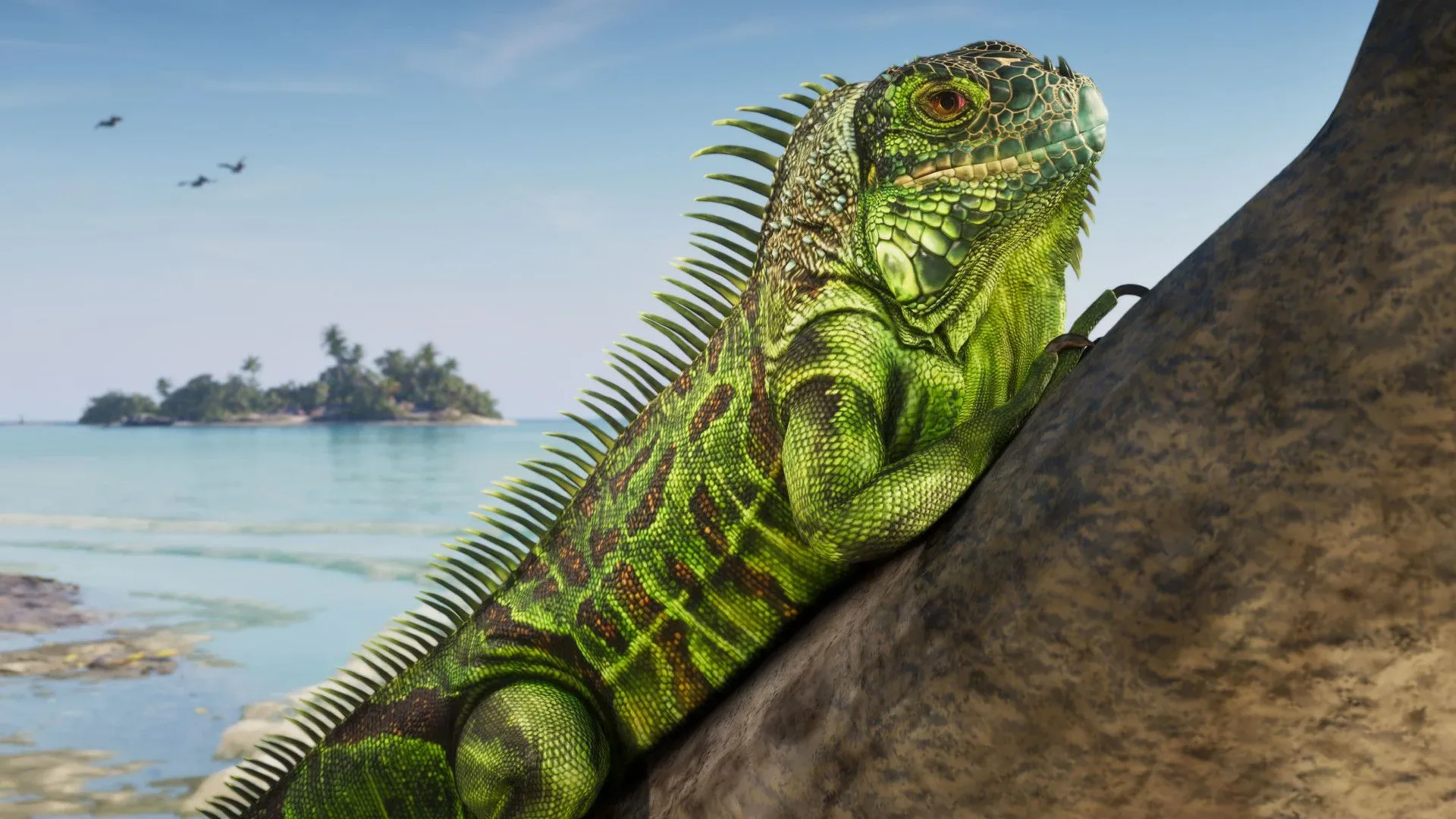
- Green iguana
- Jellyfish
- Manatee
- Manta ray
- Nine-banded armadillo
- Pelican
- Pigeon
- Raccoon
- Rat
- Rhesus macaque monkey
- Sea turtle
- Seagull
- Sharks of various species
- Snake
- Whale
- Whooping crane
It is an intentionally mixed lineup. Pigeons, rats, dogs and cats can help populated neighbourhoods feel inhabited at ground level. Cows and deer suggest rural or less-developed areas. Alligators, armadillos, iguanas, manatees and wading birds broaden the environmental identity of Leonida, while dolphins, turtles, manta rays, jellyfish, sharks and whales signal that the coastline and sea may be as important to animal discovery as the land.
The selection is also said to include both wildlife expected in each environment and invasive species, echoing Florida’s real-world ecological variety. “Invasive” here means a species living outside its native range, often after human introduction. In a game world, that detail can do more than add names to a list: it gives different settings a more specific character without requiring every animal encounter to be a mission event.
A zoo is a side activity, not just scenery
Leonida will have a zoo that players can visit, making it one of the game’s side activities. That provides a concentrated place to see animals rather than relying entirely on chance encounters in the wilderness. The zoo visit comes with one notable restriction: players need to clear their Wanted Level first if they want a peaceful outing.
A Wanted Level is GTA’s measure of law-enforcement attention. The higher it is, the more immediate the pressure to evade or escape becomes. The zoo requirement is a small but telling example of the game connecting ordinary leisure activities to the broader consequences of player behaviour. It also suggests that the animal system will not be isolated from the rest of the open world; even a visit built around observation can be interrupted or blocked by an active pursuit.
Related coverage includes GTA 6 Animals: More Than 170 Species, Zoo Visits, Study Options and Legendary Wildlife.
What has not been detailed is the zoo’s full animal lineup, whether it contains species unavailable elsewhere, or whether it has its own objectives. It is best viewed as a confirmed destination rather than a confirmed collection hub. Still, its presence could be useful for players beginning a compendium, especially if the wider ecosystem includes animals that are elusive, location-specific or active only under particular conditions. Those possibilities remain unconfirmed.
Study, praise, scold and pet: the interactions shown so far
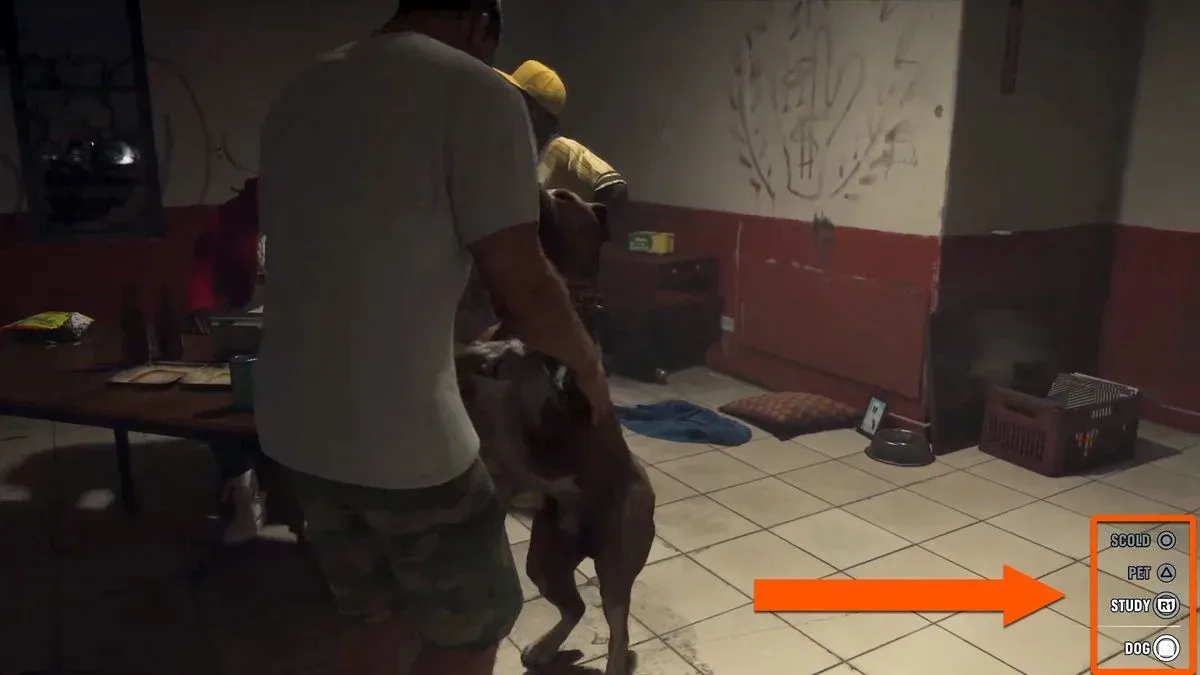
The Extended Look showed Jason encountering a dog at an apartment complex. From a distance, he can Praise the dog. At close range, he can Scold it or Pet it. Most importantly for exploration-minded players, he can choose Study.
Study adds the animal to a compendium in a format compared with Red Dead Redemption 2. A compendium is an in-game catalogue that records subjects the player has identified or examined. In this case, it potentially turns fauna into an optional discovery track: finding an animal is one step, but using the interaction to document it is what appears to make it count.
The dog sequence should not be overread as proof that every species shares the same choices. A petting option makes obvious sense for a friendly domestic dog; it does not establish that a player will be able to praise, scold or touch every animal in Leonida. The supported takeaway is narrower and still significant: animal encounters can offer contextual choices, and animals respond to those choices.
That response layer is important because it separates the system from simple ambient decoration. Ambient wildlife can make an open world feel busy, but interaction gives players a reason to form small, unscripted moments with it. The exact range of responses, effects on behaviour, and species-by-species options have not been outlined.
There is an expectation that filling the logbook could lead to rewards, but that has not been specified. Players should not assume a particular prize, completion threshold or unlock until those details are formally revealed. The dependable point is that studying animals adds them to the compendium; any reward structure remains an open question.
Why fur, feathers and water effects matter
The animal presentation is also being framed around detailed rendering and animation work. Creatures are expected to use researched movement animations, while their appearance can draw on effects including iridescence, bioluminescence, translucency and varied feather types.
Iridescence is the shifting, angle-dependent colour effect seen on certain feathers, shells or surfaces. Bioluminescence is light produced by a living organism. Translucency describes materials that allow some light through without being fully transparent. These are visual terms rather than promised gameplay mechanics, but they point to an effort to make different animal materials read distinctly under changing lighting and water conditions.
Coats and pelts are also set to use updated hair and fur systems. The stated features include colour variation, wetness-driven appearance changes and dirt matting acquired from the environment. In practical terms, an animal that has moved through water or terrain need not look identical to the same creature in a clean, dry setting. That kind of reactive surface detail can make close encounters more convincing, while also helping wildlife look connected to the spaces it occupies.
The bigger technical challenge is consistency. A large species count only improves immersion if creatures move, react and appear plausibly across dense streets, natural areas and water. The emphasis on movement research and changing coat conditions suggests the animal population is being treated as more than a background number.
Rare, Discoverable and Legendary animals remain the biggest mystery
Beyond ordinary encounters, GTA 6 will include unusual animals that players can track. They are divided into Rare, Discoverable and Legendary categories, with the approach compared to the tracking of special animals in the Red Dead Redemption games.
Those labels establish a hierarchy of sorts, but they do not yet explain its rules. “Rare” may describe animals that appear infrequently, “Discoverable” may signal creatures designed to be found through exploration, and “Legendary” naturally implies exceptional encounters. Those are reasonable readings of the words, not confirmed definitions. There is no detailed information yet on tracking tools, spawn conditions, rewards, whether these categories overlap, or how many animals sit in each one.
Keeping that material under wraps has a clear upside: it preserves the surprise of finding something unexpected while exploring Leonida. For completionists, the practical lesson is simply to expect an animal catalogue that may extend beyond obvious roadside sightings. For everyone else, it is another sign that a trip into the wetlands, a beachside detour or a visit to the zoo may offer more than a visual break from GTA’s criminal chaos.
That balance between everyday wildlife and deliberately unusual encounters could become one of GTA 6’s most effective world-building tools. The common animals make places feel lived in; the special categories give curious players a reason to search. More granular details will determine how deep that system ultimately goes, but the foundation already points to Leonida being designed for observation as well as action.
For a separate example of how changing game access can reshape what players can do, see our coverage of the Dark Souls 2 and Dark Souls 3 server shutdown.