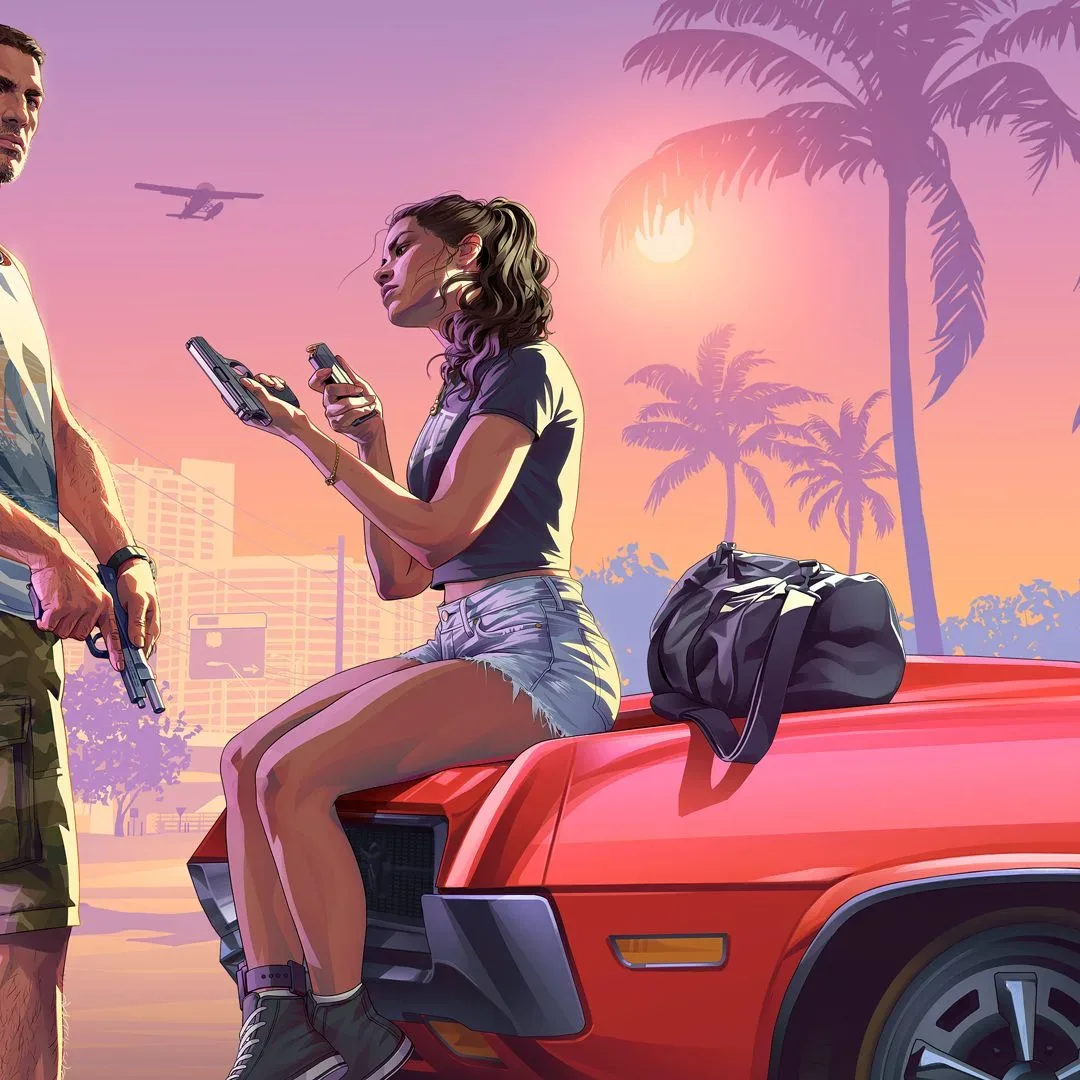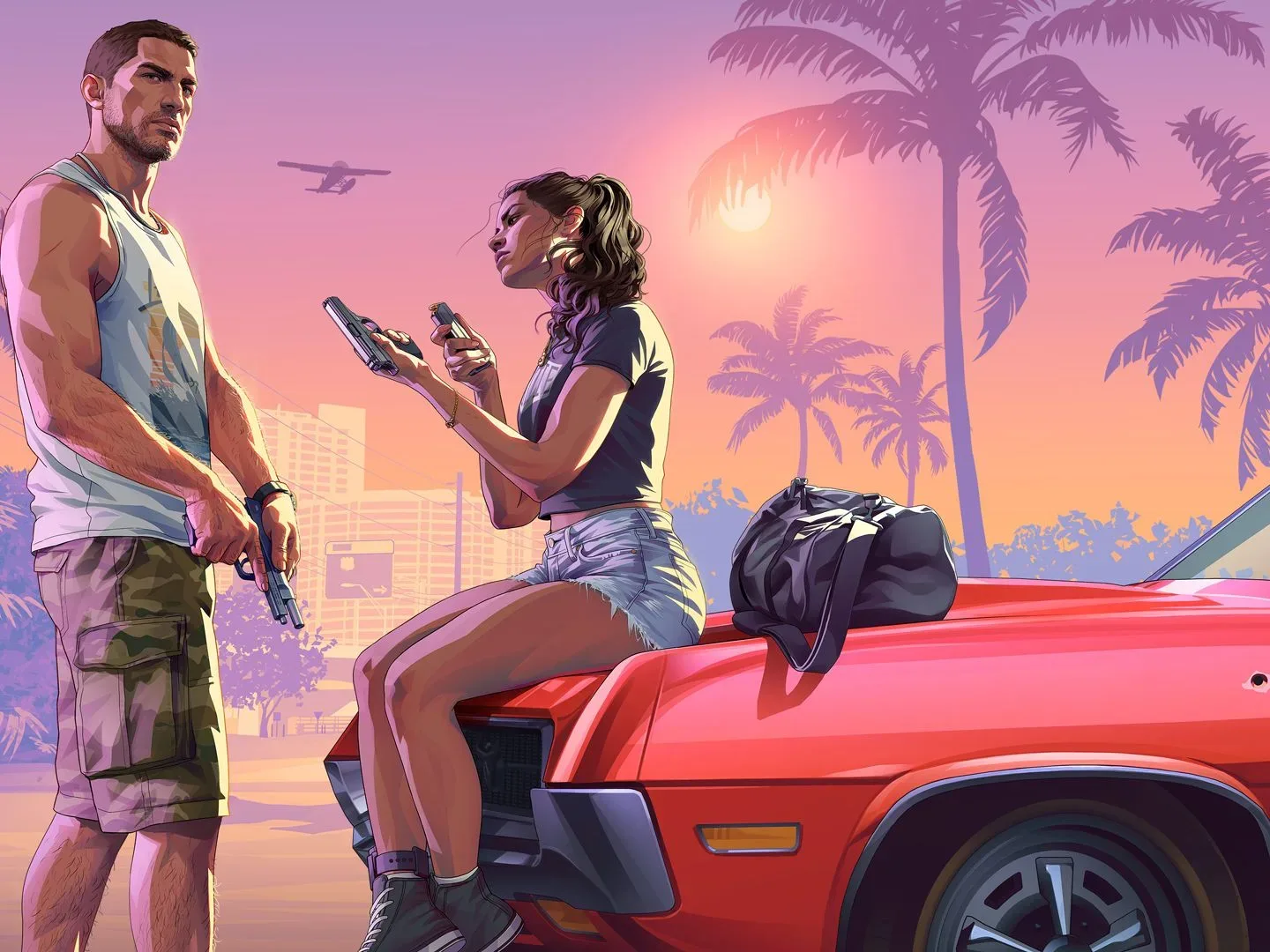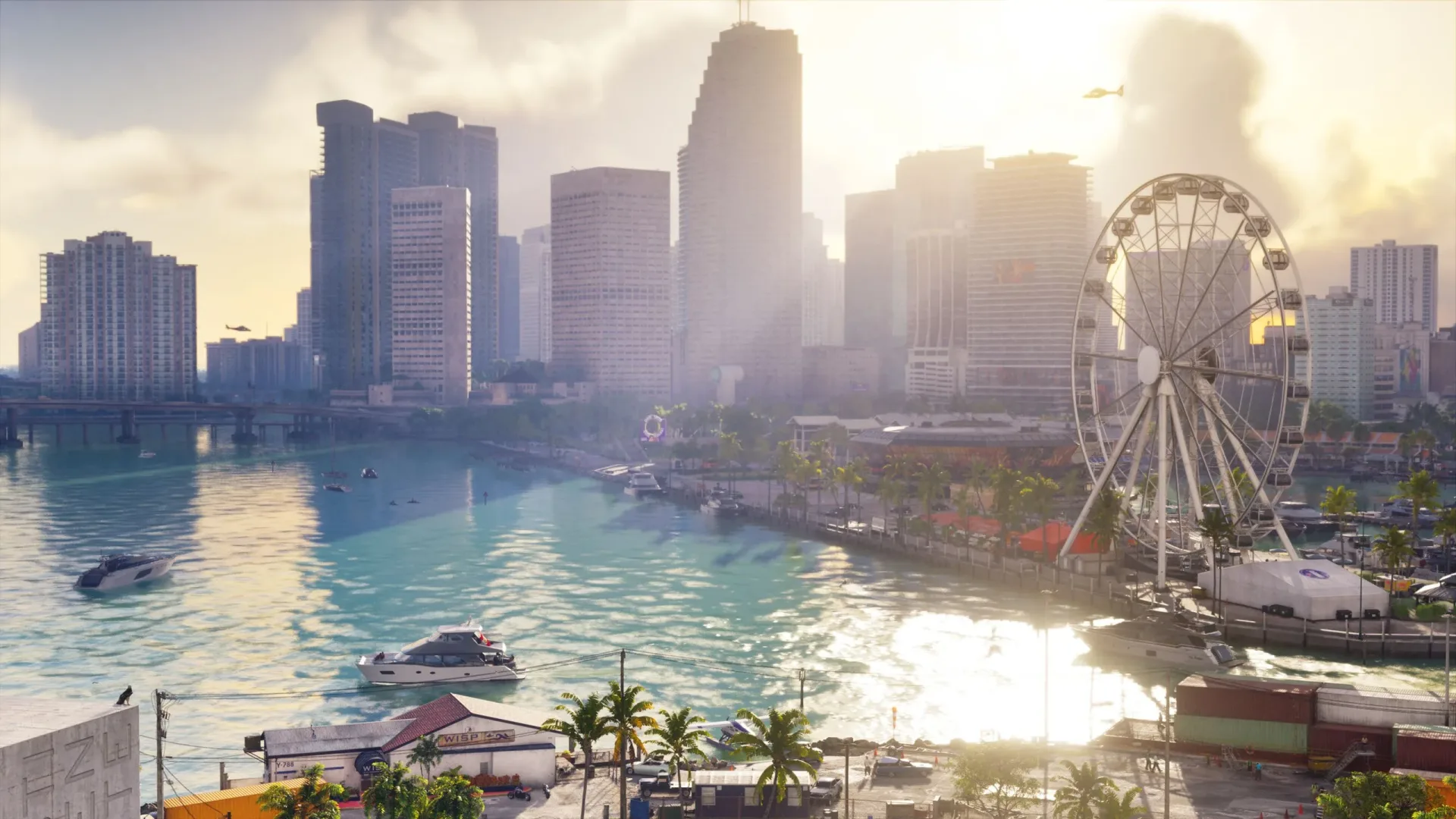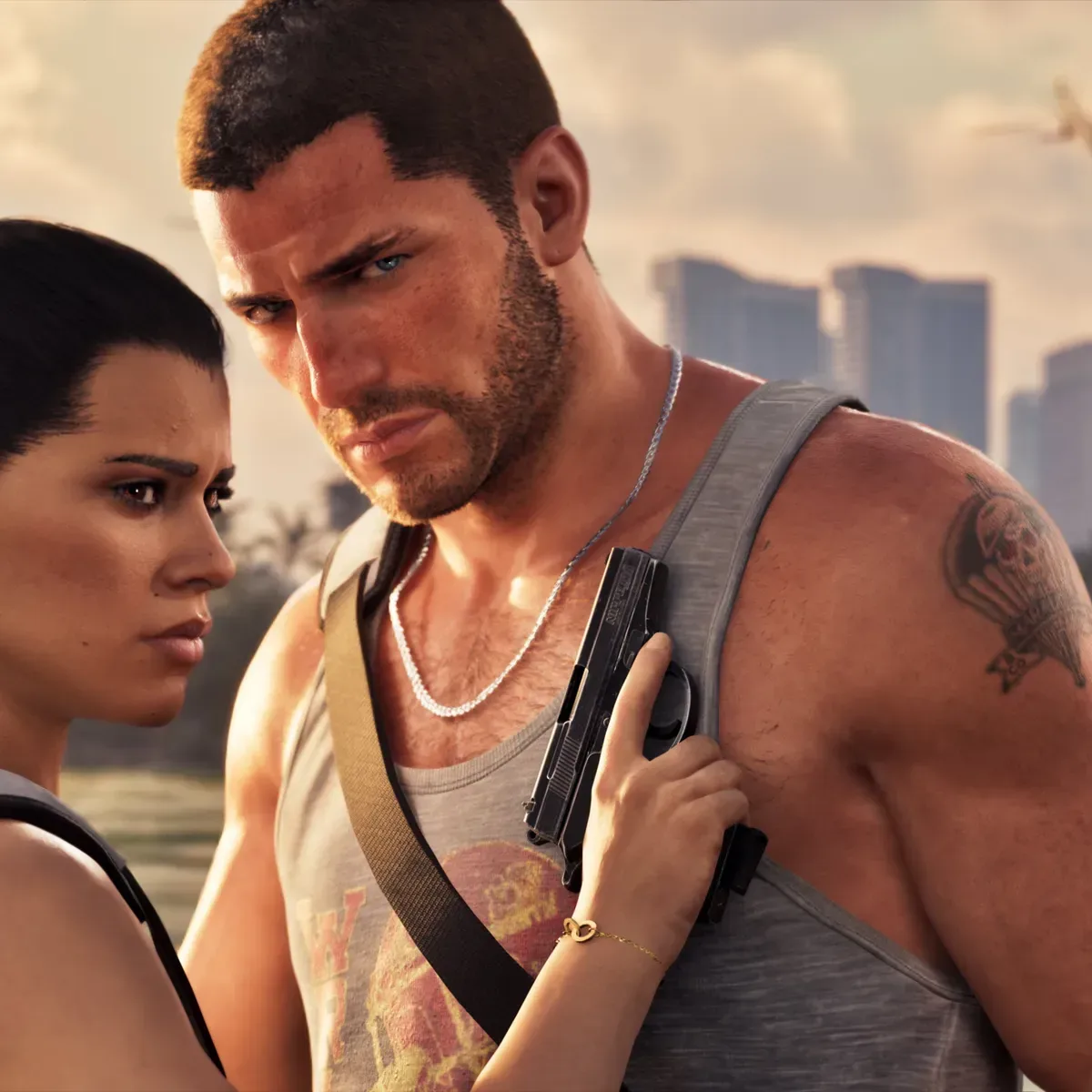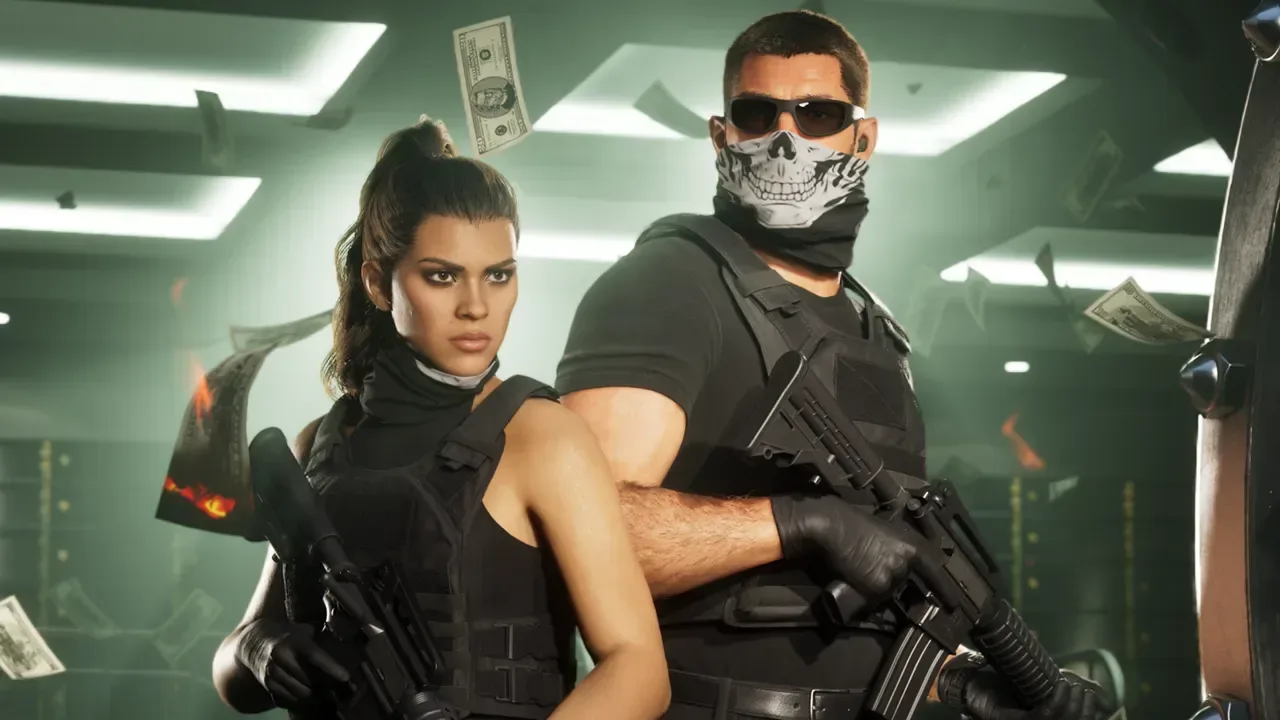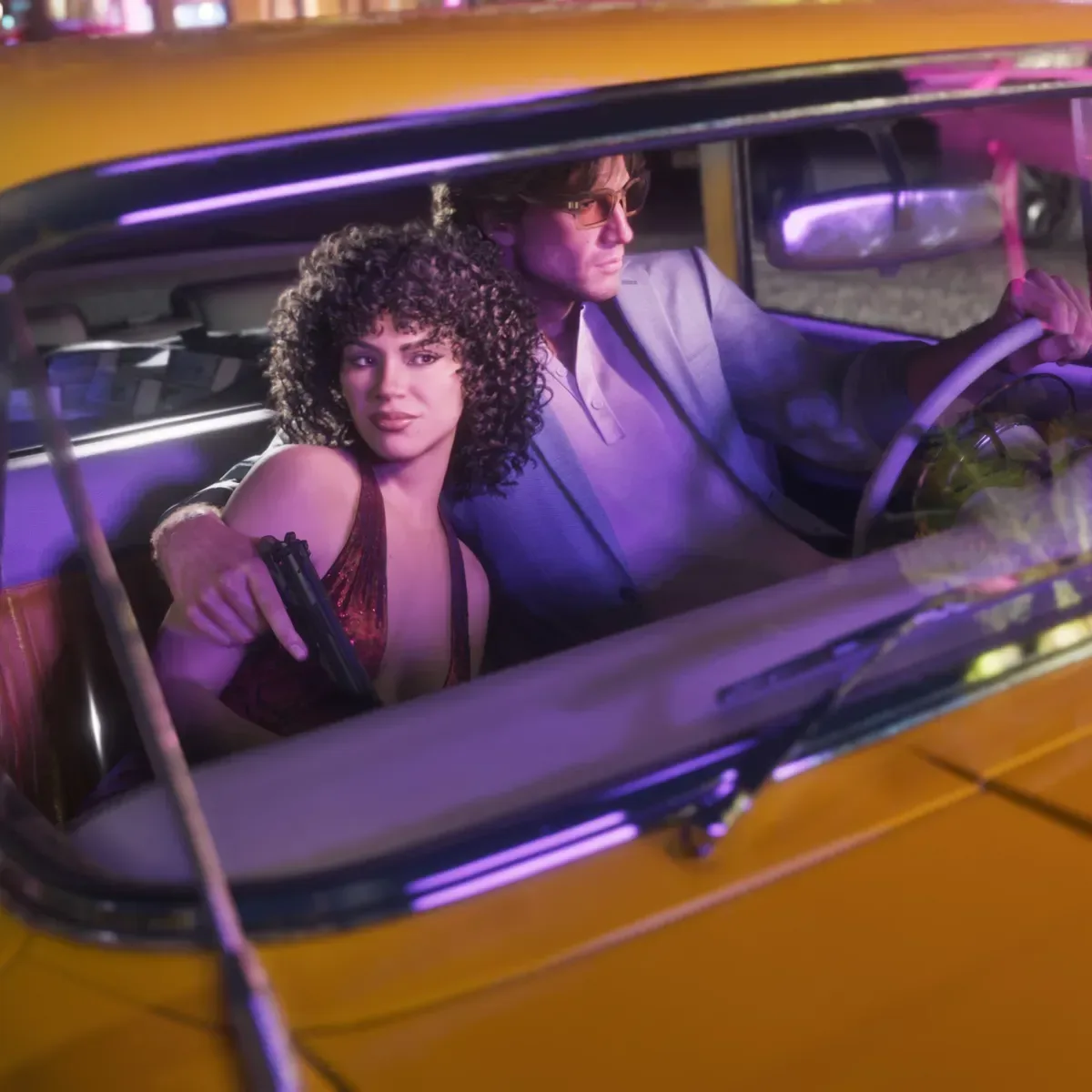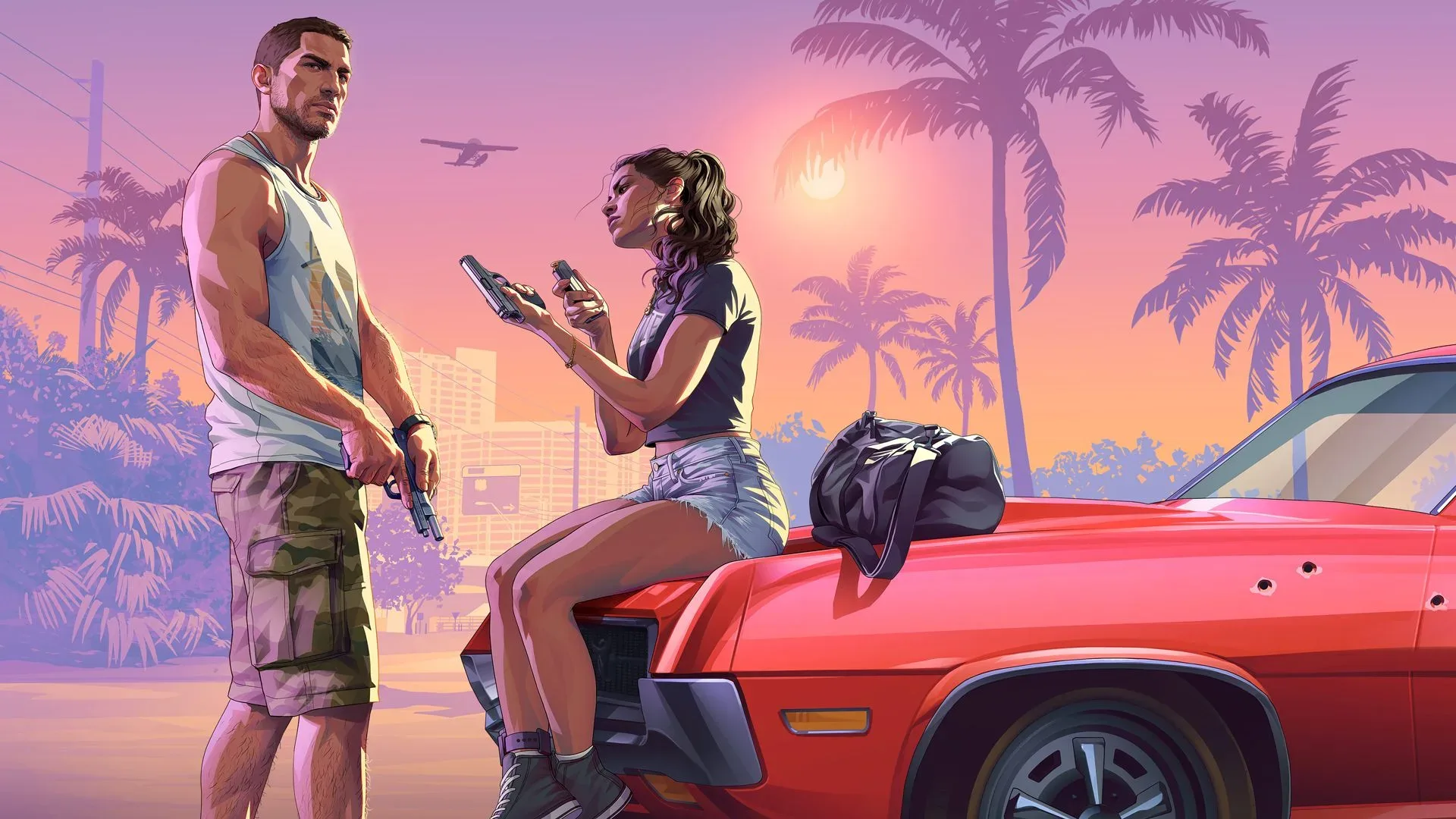
Grand Theft Auto VI is aiming for a more complicated kind of freedom than previous games in the series. Rockstar Games has outlined an enormous Leonida where the big promise is not simply map size, spectacle, or an endless list of side activities. The more meaningful idea is that ordinary decisions should have context: who saw a crime, what they saw, what was left behind, whether a vehicle can be tracked, how a crowd reacts to a visible weapon, and how Jason Duval and Lucia Caminos treat one another while trying to stay alive.
That is a major shift in emphasis. In older open-world crime games, escape can often become a short exercise in distance: drive far enough, survive long enough, wait for the alert to fade. GTA 6’s reported systems suggest a more investigative model. The player is not merely fleeing the police; they are trying to make the description of the suspects less useful. It is a small distinction on paper, but potentially a huge one in play.
The game is scheduled for November 19, 2026. Rockstar has not presented this as a promise that every action will spiral into a full police operation. Instead, the stated goal is a world where people notice what makes sense for them to notice, and where the consequences of a bad decision can be managed creatively rather than erased by a timer.
Leonida’s scale is supposed to be felt in density, not just distance
Rockstar says Leonida, including Vice City and the surrounding territory, has a landmass nearly as large as the playable worlds of GTA IV, GTA V and Red Dead Redemption 2 combined. It is also described as roughly twice the size of GTA V’s map. Those are attention-grabbing numbers, but size alone has become a blunt way to judge an open world. Bigger landscapes can mean longer drives between familiar-looking points of interest.
GTA 6’s more notable claim is an “order of magnitude” increase in interiors over earlier Rockstar games. The point is not merely that doors open. Developers describe interiors as layered spaces with the traces of individual lives: family photographs, scattered possessions, kitchens and living rooms arranged with particular habits in mind. One example involved a home decorated with pictures of a dog, followed by the less charming evidence of what the dog did while alone.
That anecdote matters because it illustrates how the game’s systems are intended to overlap. A disgust reaction originally developed for a specific piece of content was generalized so it could apply elsewhere. In the described house, Jason could recoil without a unique scripted cutscene having been made for that exact visit. This is what developers mean when they discuss emergent gameplay: an unscripted result created when separate systems meet. The game does not need an author to predict every possible moment if the world rules can produce convincing ones on their own.
There is a practical implication for players, too. More explorable interiors could make curiosity more rewarding, but it may also make trespassing feel riskier and more intimate. If the environment communicates who lives there, breaking in stops being a trip through an anonymous loot box and starts feeling more like an intrusion. That tonal difference fits the broader GTA 6 design: crime is still central, but it is meant to feel less frictionless.
NPCs are being built to react to circumstances, not just panic on cue
Rockstar says it art-directed every pedestrian and produced around 600,000 animations for the game. Animations alone do not necessarily make a crowd convincing, though. The more consequential detail is that non-player characters, or NPCs, have personality traits and situational information that can affect their responses. Temperament, aggression, location, what an NPC has witnessed and how the player behaves are all part of the stated equation.
Related coverage includes Grand Theft Auto VI Details Leonida's Reactive World, Crime Systems and Jason and Lucia's Partnership.
One demonstration began with Jason staring at a man walking a dog. The situation escalated not because a mission required it, but because the man took offence; he released the dog, and Jason ran. That kind of encounter is important because it gives public space some social volatility. A player may not be able to predict whether somebody will retreat, argue, fight or draw a weapon.
Weapon handling is another apparent change. Carrying a shotgun on Jason’s back is said to draw a different response from holding it in his hands. Crowds may give the player space, scatter, or challenge them. The distinction appears designed to address a familiar open-world oddity: a game can render streets in enormous visual detail, then undermine the illusion by having everyone ignore an obviously dangerous person until a weapon is aimed directly at them.
This does not sound like a zero-tolerance simulation. Rockstar says players have room to lower the temperature before behaviour reaches the wanted-level threshold. Dropping a weapon can matter. The intended effect is not that Leonida treats every awkward act as a capital offense; it is that information should travel organically through the world. The difference is crucial. A reactive city needs to distinguish between suspicious behaviour and a crisis, otherwise it becomes exhausting rather than believable.
The heat system makes escape about what the police know
GTA 6’s reported heat system is perhaps the clearest expression of that idea. Heat tracks the information law enforcement has collected about a crime, including physical descriptions, clothing, weapons, CCTV footage, whether the suspects worked together, and witness accounts. Icons reportedly show the player the elements of the police report that remain useful.
That creates a more tactical definition of escape. If witnesses identify two offenders, separating Jason and Lucia could remove one identifying detail. A clothing change can weaken the match to a description. Discarding a weapon can eliminate another piece of evidence. Rather than treating a wanted level as a countdown, the system makes it a problem of recognizability.
It is an especially fitting approach for a game built around a pair of thieves. Jason and Lucia are not being framed simply as unstoppable action heroes. Rockstar’s description instead leans into precariousness: back alleys, hastily abandoned vehicles, searchlights and attempts to disappear into the city. A botched robbery shown during a demonstration reportedly led to a motorcycle escape, a police stinger strip, a crash, and a K9 pursuit. The value of that sequence is not that every getaway will play out exactly that way; it is that different systems can take turns making the plan worse.
Cars, naturally, sit at the center of this. A driver might flee when confronted, but another may be armed and unwilling to surrender a vehicle. A stolen car can be reported, and a newer, more expensive model may have a tracker broadcasting its position. Rockstar also says each vehicle has a fuel gauge and engine-health readout. Fuel is described as lasting a long time, so it should not turn every trip into a forecourt chore, but it adds another consideration to a risky escape.
The phone app WAINK reportedly lists cars wanted by fences, along with security and tracking information. Better-protected vehicles are harder to steal, may alert the police, and can demand a cleaner delivery to secure the best payout. This gives “grand theft auto” a more deliberate loop: select a target, weigh its risk, plan a route, control damage and lose pursuit before reaching the drop-off. Players who want the old improvisational madness may still be able to seize whatever is nearby, but the game appears prepared to make that choice genuinely uncertain.
Jason and Lucia are the game’s other persistent system
Rockstar’s new leads are partners in crime with a relationship that can develop across a four-point closeness scale. Spending time together through activities such as walking, cycling, working out, or simply driving can strengthen the relationship. Players can also switch between the two characters when the narrative allows, including during some pursuits, with the AI taking over the other role.
This sounds more structured than a fully open-ended romance simulator. Rockstar’s framing is clear: players may influence the intimacy and stability of the relationship, but Jason and Lucia remain criminals and remain bound to one another by the larger story. The meaningful question is not whether either one can abandon the premise entirely. It is whether they can preserve a shared future while the work they do keeps putting that future under pressure.
The Criminal Profile system is intended to connect behaviour to that story. It tracks the pair across a scale from “Professional” to “Irredeemable,” represented by angel and devil icons. Intimidation, restraint and incapacitation can be alternatives to lethal violence; repeated brutality moves the profile in a harsher direction. Rockstar says those choices affect how the story unfolds, so the system is not presented as a purely cosmetic morality meter.
That claim should be read carefully until the game is in players’ hands. “Influence” can range from dialogue changes and scene variations to far larger narrative consequences. Still, the design intention is notable. GTA 6 seems to be asking not only whether players can succeed as criminals, but what sort of criminals Jason and Lucia become and whether their bond can survive the answer. For more background on the pair’s still-unannounced performers, see our look at what GTA veterans have said about the long road facing Jason and Lucia’s actors.
Weather, transit and slower time can change the rhythm of a city
Rockstar is also describing more granular weather than GTA V’s broad sunny, rainy and overcast presets. Clouds can move independently based on wind, humidity, fog, time of day and season. A storm may be visible in the distance before a player drives into it; roads become wet, buildings drip, and surfaces dry at different rates afterward.
The effects extend beyond visuals. Wind influences trees, waves and clouds. Buildings and islands can shelter water, changing how boats behave near shores and in bays. Aircraft may be buffeted by storms and can receive light damage during severe conditions. Pedestrians seek cover as weather worsens. This is another example of simulation systems doing several jobs at once: atmosphere, navigation, vehicle handling and crowd behaviour all react to the same changing conditions.
GTA 6 also lengthens its day-night cycle substantially. Rockstar found GTA V’s faster timing felt wrong for a richer-looking world, particularly around sunset and at night. Longer evenings could be more than a visual flex. They provide more time for a particular mood to settle in, whether that means quietly travelling through the city, setting up a job after dark, or dealing with the consequences of a crime under reduced visibility.
For players who enjoy the mundane side of a massive sandbox, fully functioning bus and train systems are also planned. This may sound modest next to storms and shootouts, but reliable public transit is a useful test of simulation credibility. It enables a player to pause, move through Leonida at street level and watch the world rather than constantly treating it as a racetrack. Rockstar’s stated ambition is to let people make the game fit their preferred rhythm, from chasing missions to riding transit or simply spending an evening in the world.
Ambition will ultimately be judged by coherence
Rockstar says GTA 6 has been built through repeated milestones, intensive play sessions and thousands of notes across teams working on different systems. That process matters because Leonida’s pitch depends on cohesion. A richly animated crowd is less persuasive if crime reporting is simplistic. An elaborate weather system is less useful if vehicles and pedestrians do not react. Plenty of interiors are less memorable if they do not invite discovery or tell a story about place.
The encouraging theme in what has been described so far is overlap. Traffic, witnesses, CCTV, clothing, vehicle tracking, weapons, weather, crowd reactions and the partnership between Jason and Lucia are not being presented as isolated bullet points. They are supposed to collide. The result could be a city where the funniest disasters and smartest escapes are not handed down by a mission script, but arise from a plan meeting a complicated world.
That is an enormous promise, and it carries an equally enormous execution challenge. But if the systems function as described, GTA 6’s biggest upgrade may not be that Leonida is bigger than past GTA settings. It may be that the world is much harder to treat as if nobody is watching.