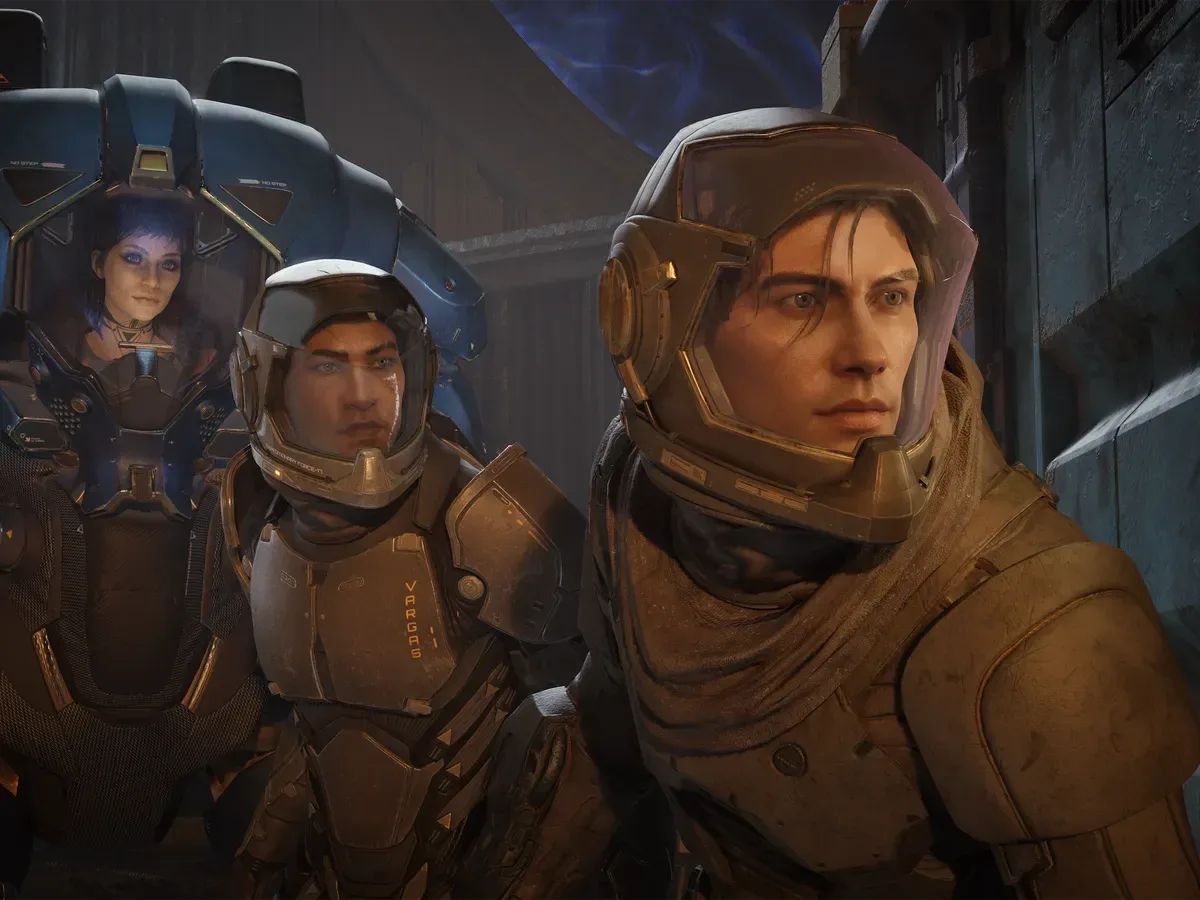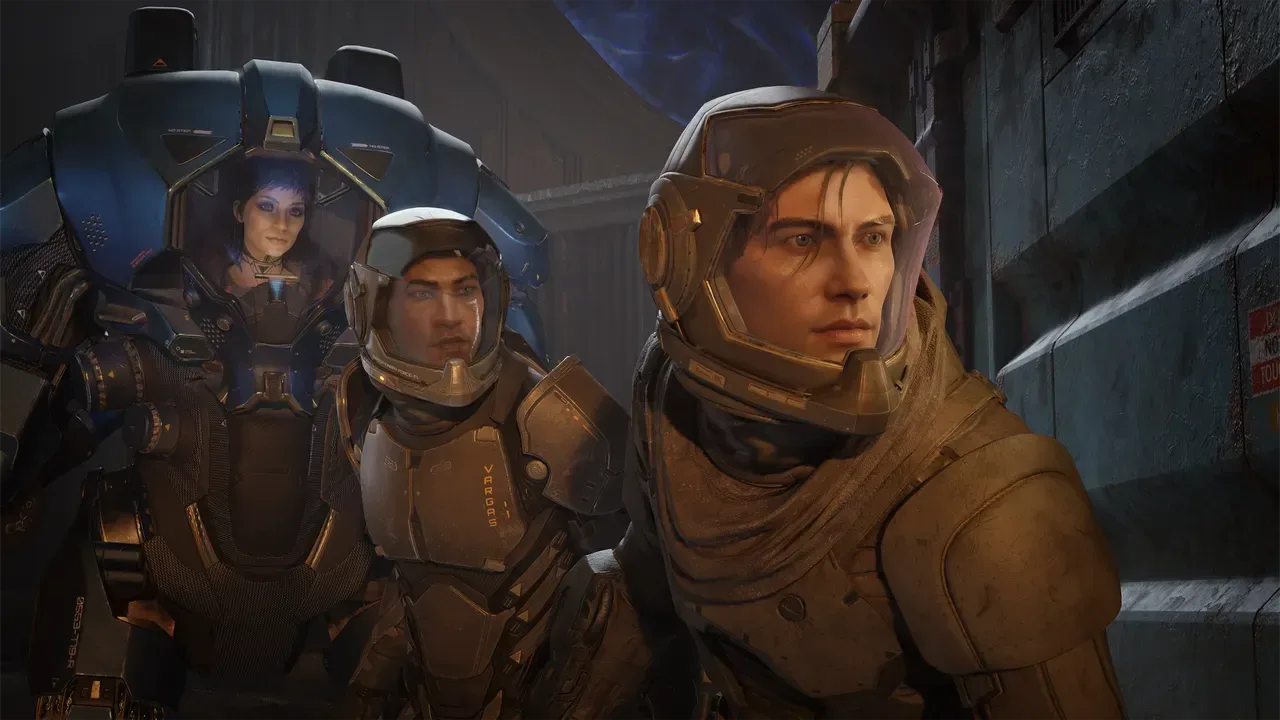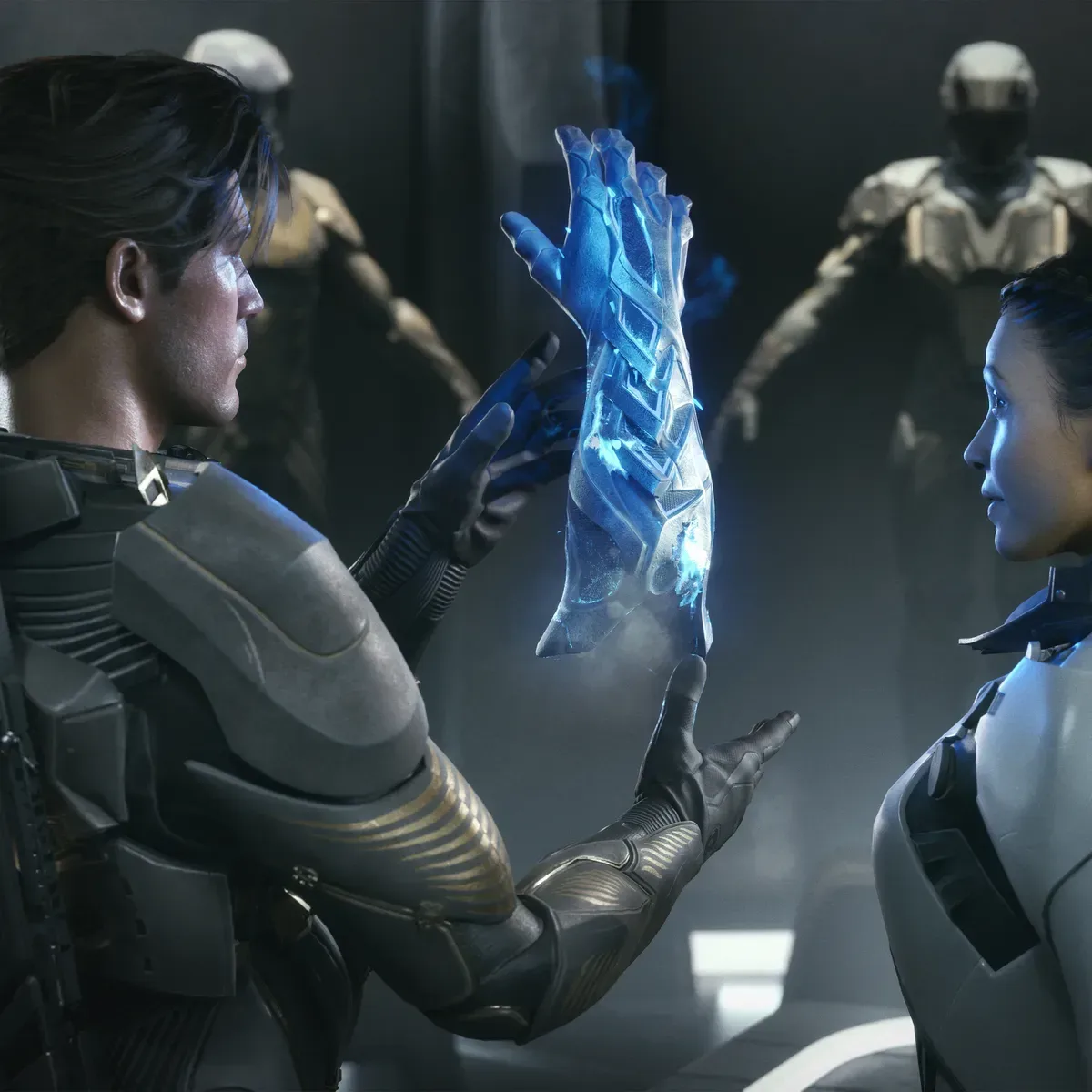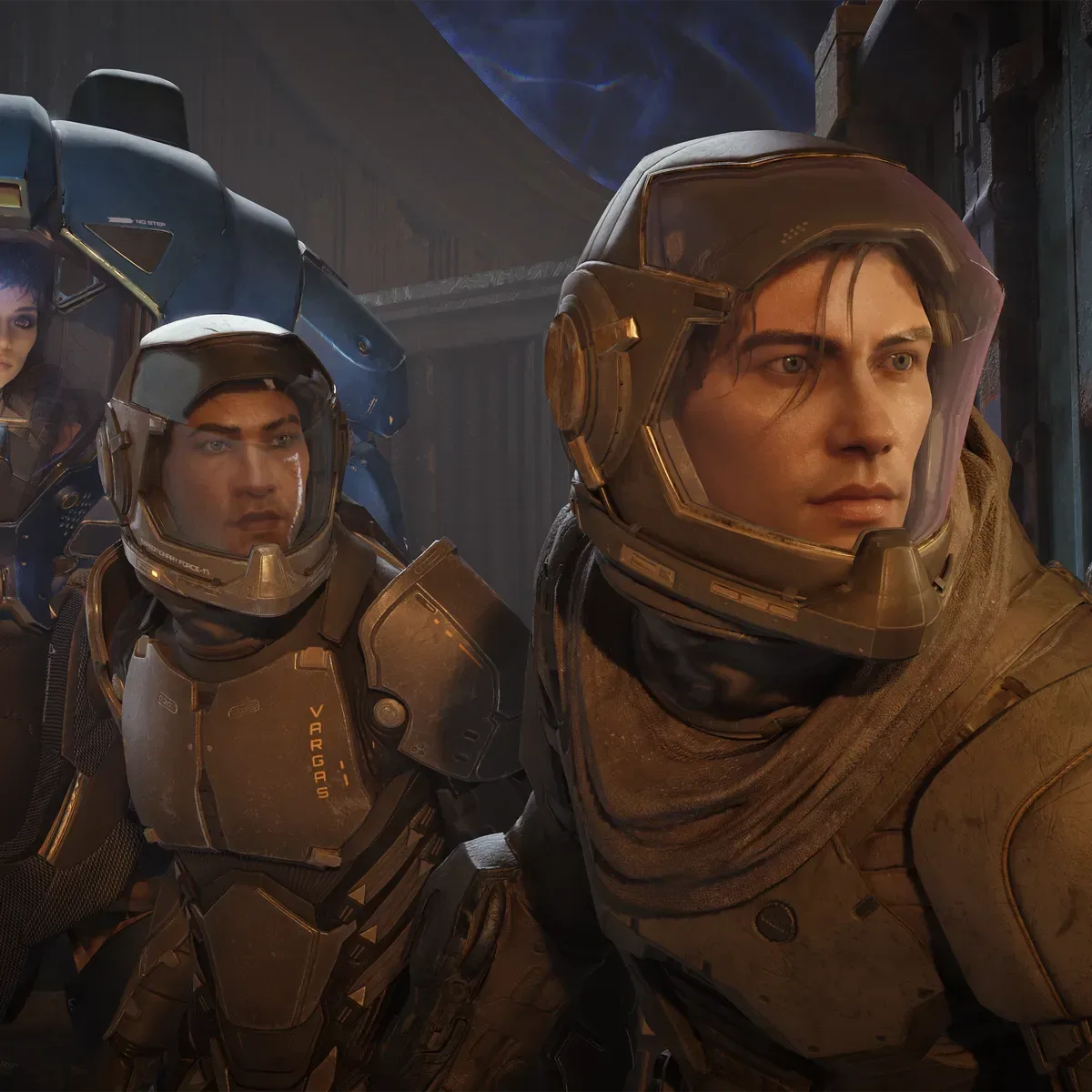
Archetype has unveiled a revised visual model for the male version of Exodus protagonist Jun Aslan, responding to an unusually focused piece of pre-release feedback: players did not much care for the original face.
Discussion around the earlier model centered on its proportions and expression, with community comments calling out a longer-looking face, small-looking eyes and cheeks that some felt appeared overly smoothed or artificial. The newly shown Jun has a noticeably different facial structure, particularly around the cheekbones and jaw, creating a younger and more conventionally heroic read at a glance.
That may sound like a narrow cosmetic adjustment, but it is a meaningful one for a role-playing game built around a player character who will occupy the center of a lengthy, choice-led story. A protagonist’s face is not just menu art: it is the person players will see in conversations, promotional material and emotional story scenes. If the default presentation distracts a sizable portion of the audience before launch, a revision is a practical way to prevent that first impression from swallowing the conversation around the game itself.
A visual update, not a new protagonist
Jun Aslan remains the lead character of Exodus. Players will be able to choose whether Jun is male or female and customize aspects including hairstyles, hair color, facial hair and tattoos. That customization matters when assessing the feedback. Hair is an adjustable preference; the underlying facial model is the element Archetype has elected to revise.
The early community response to the new male model has been broadly more positive. Even posters who were not keen on the default hairstyle have pointed out that they expect to change it, while arguing that the revised facial structure is the larger improvement. Others felt the result better suits the game’s intended image of a charismatic science-fiction lead.
There is an important distinction here between character customization and a character model. Customization is the set of player-selectable choices layered onto a base character, such as hair, facial hair, color and markings. The model is the digital structure beneath those choices: the shape and proportions that determine how a face reads in still images and animation. A haircut can change the silhouette, but it cannot fully solve concerns about the face underneath it. The new material suggests Archetype understood that distinction.
The studio has not yet shown the female version of Jun, sometimes referred to by fans as “FemJun.” It has said that her reveal is still to come and has framed it as a separate presentation rather than an omission from the game’s character options. Until that reveal arrives, there is no basis to assume the male-model update indicates a broader overhaul of every customization option.
Why the timing is drawing attention
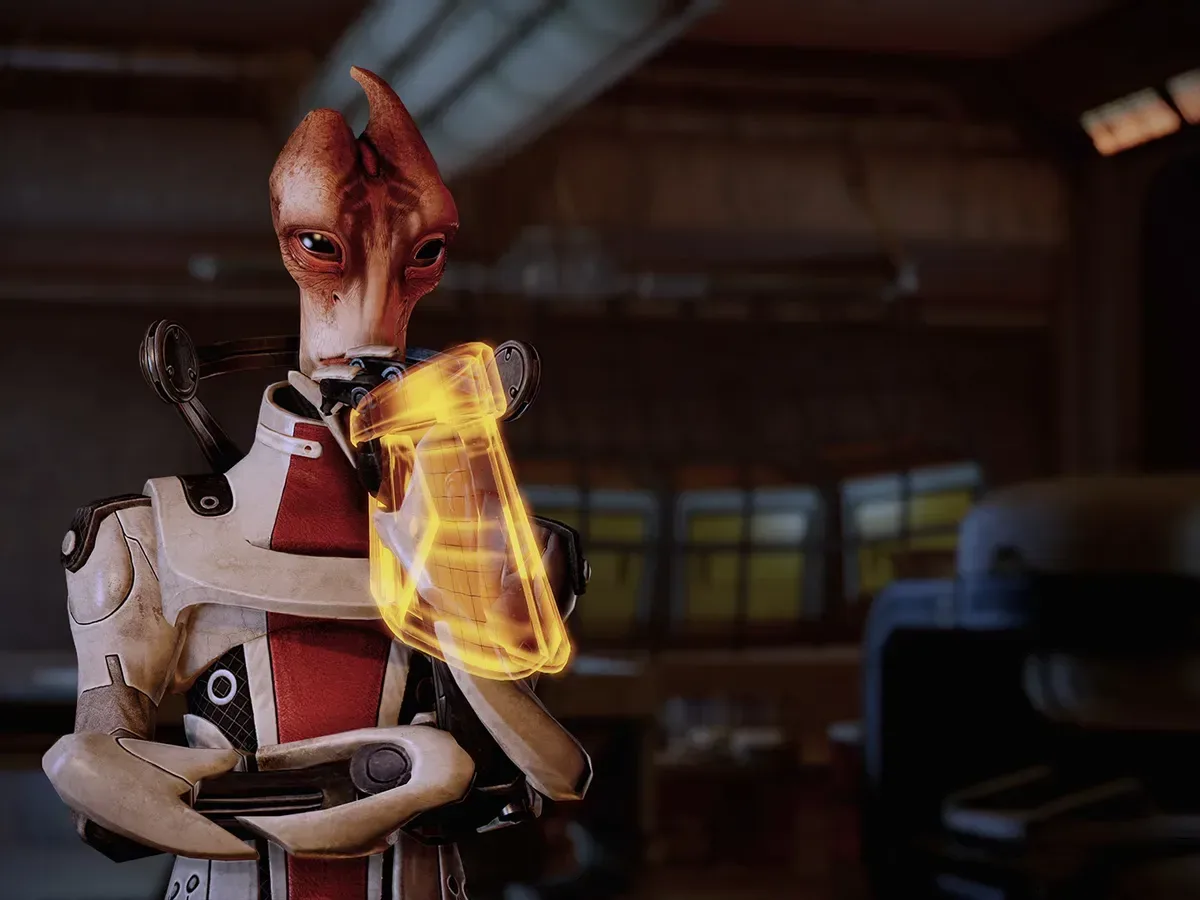
The update has landed during a difficult and highly emotional moment for fans of big-budget, companion-focused space RPGs. EA has announced the closure of BioWare and the cancellation of Mass Effect 5. The ripple effects of that news extend beyond one unfinished game: Mass Effect has long represented a particular style of RPG, one driven by squad relationships, galaxy-spanning decisions and a protagonist who has to carry both the plot and the player’s choices.
Related coverage includes Exodus Reveals a Redesigned Jun Aslan as Fans Look to a New Era of Space RPGs.
For more on what that closure and cancellation mean for the franchise’s immediate future, see our coverage of BioWare’s closure and Mass Effect’s uncertain position.
Exodus is now being viewed through that wider lens. The game places players in the role of a ship captain making consequential choices across alien worlds, with an emphasis on crew relationships, including romance. Its development team includes former Mass Effect staff, among them lead writer Drew Karpyshyn. Those facts explain why some players see the project as one possible successor in spirit to the kind of space RPG Mass Effect represented, even though Exodus is its own game and should be judged as such.
Another project, Owlcat’s The Expanse: Osiris Reborn, is receiving similar attention from audiences looking for the next major narrative-driven science-fiction RPG. That does not turn either title into a replacement by default. “Spiritual successor” is a useful shorthand for shared creative DNA or familiar genre ambitions; it is not a guarantee that a new game will reproduce another series’ structure, tone or quality. Still, the absence created by a canceled sequel inevitably makes projects with related talent and themes more visible.
The face of a choice-driven RPG matters
Exodus is promising a dark narrative in which player actions have significant effects on the world, supported by branching dialogue trees. A branching dialogue tree is a conversation system in which a player selects from multiple responses, potentially changing information, relationships, mission outcomes or later story paths. The important claim is not merely that players will choose dialogue lines, but that those choices are intended to matter beyond the immediate scene.
That promise raises the profile of Jun’s presentation. In a linear action game, a protagonist can primarily function as a fixed performer. In a choice-led RPG, the lead must also work as a player avatar: someone specific enough to belong in cinematic scenes, but flexible enough that players can project their own decisions and personality onto them. Visual customization helps bridge that tension, and the default model remains important because it is the foundation from which all those options begin.
It is also why online reactions to a face model can become more intense than they initially seem. This is not only a debate over whether a screenshot is flattering. Players are evaluating whether they want to inhabit this character for an entire campaign, potentially through scenes of conflict, romance and consequence. The warmer response to the redesign suggests that the revision has helped more people picture themselves doing exactly that.
At the same time, a better-received character model does not answer the larger questions that will determine Exodus’s success. How deep are the dialogue branches? How often do choices reshape events rather than changing a short-term exchange? How are companions written, and how does the game balance a captain’s authority with meaningful player freedom? The supplied information establishes Archetype’s intentions around consequential choices and crew relationships, but it does not yet establish how those systems will work in final form.
What Archetype has actually committed to
For now, the firm details are relatively straightforward. Exodus is planned for release on April 7, 2027, for PlayStation 5, Xbox Series X|S and PC. Archetype is presenting it as a dark, choice-led space RPG with major world consequences, branching dialogue and relationships with the crew. Jun Aslan can be played as male or female, with appearance options including hairstyles, hair color, facial hair and tattoos.
The male Jun update should therefore be read as a presentation change within that stated framework, not as proof of new gameplay systems, a revised release date or a broader change in scope. Nor does it settle every conversation about character design. Taste remains subjective, and players will have different preferences for default appearances even where sliders and cosmetics are available.
But it does show a studio revisiting an element that had become a recurring complaint and putting a revised version in front of the public well ahead of release. In the current context, that has made the reveal more than a routine character-art refresh. Exodus is attracting heightened scrutiny because it shares some broad ambitions with a beloved but currently sidelined space-RPG lineage. The revised Jun gives the game a cleaner first impression; the eventual test will be whether its choices, crew and worlds give players a reason to stay aboard.