Disney has opened its first Created in L.A. creator event at the El Capitan Theatre in Hollywood, putting digital-native video on a venue more commonly associated with major film premieres. More than 350 creators, innovators and industry leaders gathered for the opening of the two-day program, which is designed around conversation, relationship-building and the business future of creator-led storytelling.
The premise was deliberately simple: work normally encountered on phones and laptops can also merit a theatrical setting, red-carpet treatment and an audience of peers. Creator, entrepreneur and media personality Jon Youshaei conceived and hosted the event, making that case as he introduced the opening night.
It is a notable meeting point between two systems that often move at radically different speeds. Large entertainment companies develop films and series through long production and release cycles. Creators can publish, receive immediate feedback and adjust their next work almost in real time. Created in L.A. does not, by itself, announce a project or partnership, but Disney’s decision to convene the event makes the intended exchange unusually explicit.
A theatre built for premieres welcomes creator video
The El Capitan has hosted premieres for Disney titles including The Lion King, The Avengers, Frozen, Coco and Lilo & Stitch. That history gave the location significance beyond simple event logistics. Premiering creator films there places internet video in a space associated with studio-scale launches and audience spectacle.
Youshaei’s pitch centered on that contrast. The question was not whether creator videos belong exclusively on a cinema screen, but whether some have reached a level of craft and cultural attention that makes a communal premiere meaningful. Disney agreed to the idea, leading to the two-day gathering of keynotes and conversations.
That framing matters because “creator-led storytelling” can mean many things. In this setting, it describes work driven by people who have built direct relationships with audiences on platforms such as YouTube, Instagram and TikTok, rather than solely through conventional studio, television or film distribution. It also reflects a business model in which the creator’s identity, publishing cadence and community interaction can be inseparable from the content itself.
The scale of the audience in the room
Youshaei said attendees collectively represented more than 800 million YouTube subscribers, 80 million Instagram followers and more than 350 million TikTok followers—more than 1.6 billion followers in total. The figure combines followings across platforms, so it should not be treated as a count of unique people; audiences can overlap and individual users can follow the same creator in more than one place. Even with that important distinction, it conveys why an entertainment company would view the room as strategically consequential.
Creators traveled from Argentina, Australia, England, the Netherlands, Canada, Georgia and Morocco. That international participation reinforces another defining feature of the creator economy: audience reach is not necessarily tied to the geography of a production company or broadcaster. A creator can publish from one place, build a community across several countries and become part of an event in Hollywood without following the historical path into film or television.
For Disney, the attraction is not merely raw reach. A sizable following does not automatically guarantee that viewers will care about every new format, character or collaboration. The more distinctive value described during the opening was creators’ familiarity with their audiences and their ability to react quickly to audience response.
What Disney says it wants to learn
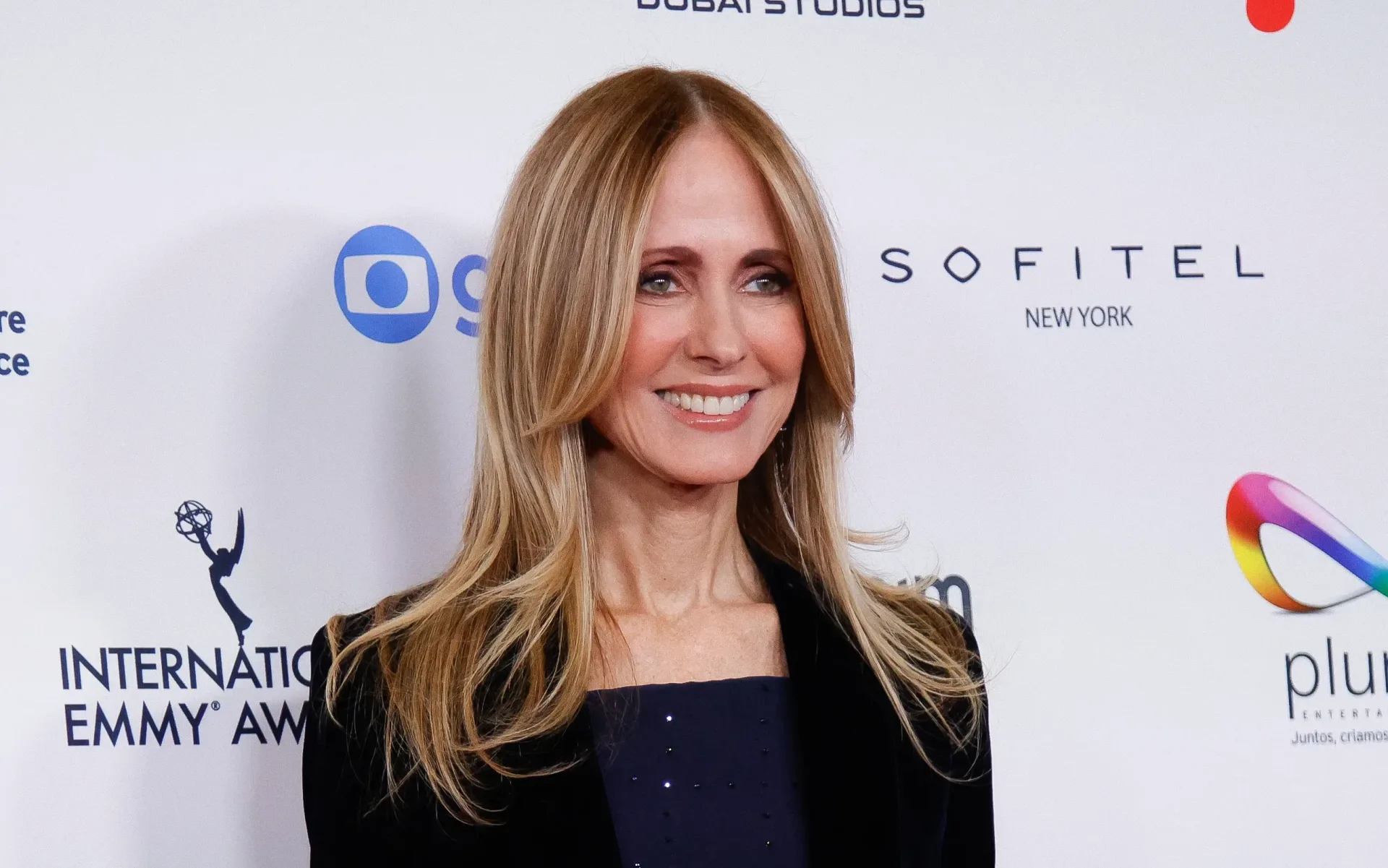
Dana Walden, Disney’s president and chief creative officer, emphasized that creators often know their audiences intimately because they hear from them constantly and can adapt accordingly. She contrasted that loop with the longer path by which films and series reach viewers. In traditional screen production, the interval between development and audience response can span years. In creator publishing, the delay may be seconds.
That is the technical and practical meaning of audience feedback loops: the cycle in which a work is published, viewers respond through comments, viewing behavior or other platform interactions, and a creator uses those signals to shape subsequent decisions. A rapid loop can influence presentation, subjects, series direction or release rhythms. It is not a substitute for long-range creative planning, but it can make audience response a live part of the process rather than a report received after release.
Walden described the opportunity as treating the audience more like a collaborator. That does not mean every comment should dictate a story, nor did the event outline a formula for converting creator feedback into studio productions. The stated ambition was reciprocal learning: Disney can study the immediacy and audience instinct associated with creators, while creators may find value in lessons Disney has developed over decades of storytelling.
Her closing hope was that the event could start meaningful relationships and perhaps lead to stories told together. The wording is aspirational, not confirmation of specific deals. For observers of entertainment business strategy, that distinction is important. Created in L.A. establishes a setting for contact and exchange; it does not establish which creators, franchises or formats might ultimately emerge from those conversations.
A showcase with two very different kinds of screen storytelling
The evening ended with the Golden State Award, introduced by Youshaei. Lucas and Curtis Nicotra, known as Sticks, received the first award. Their film, The Technoblade Movie, premiered alongside Zach King’s Star Wars parody, Cardboard Strikes Back. King received the second Golden State Award.
The pair of premieres illustrates the range a creator showcase can hold without reducing all online video to one genre. The Technoblade Movie is presented as a film from Sticks, while King’s work is a parody drawing from the Star Wars universe. Both played in a formal theatrical context, but their creative purposes and audience expectations can be very different. That variety may be central to any future studio-creator relationship: creator video is not a single format waiting to be absorbed into a single production pipeline.
It also gives the event a gaming-adjacent cultural angle. Technoblade was a major name associated with online gaming video, and the premiere of a film carrying that name at the El Capitan signals how creator communities can bring their own histories, emotional stakes and viewing rituals into traditionally film-centered spaces. The supplied details do not identify a broader Disney gaming initiative, however, so the screening should not be read as one.
Why the event is worth watching
The entertainment industry already overlaps with the creator economy in many ways, but Created in L.A. makes that overlap public and ceremonial. A company with longstanding film and television institutions invited creator talent into a landmark theatre, centered their work on a large screen and openly acknowledged that traditional media has something to learn from their relationship with audiences.
For creators, a setting like this can offer access to executives, peers and a different kind of visibility. For a studio, it offers a closer look at creative communities that have built enormous attention outside the normal commissioning model. The meaningful test will be whether those conversations produce collaborations that preserve what makes creators effective: their voice, their responsiveness and the trust developed with viewers.
More broadly, the gathering arrives as entertainment companies continue to navigate shifting technology, distribution and audience habits. Disney’s creator-focused event is one part of that larger industry picture, alongside the corporate and regulatory questions covered in recent entertainment-industry developments. Created in L.A. is narrower in focus, but its message is clear: creators are not being viewed only as external promotional partners. They are being welcomed as storytellers whose production methods and audience relationships may influence how major entertainment businesses think about the next chapter.