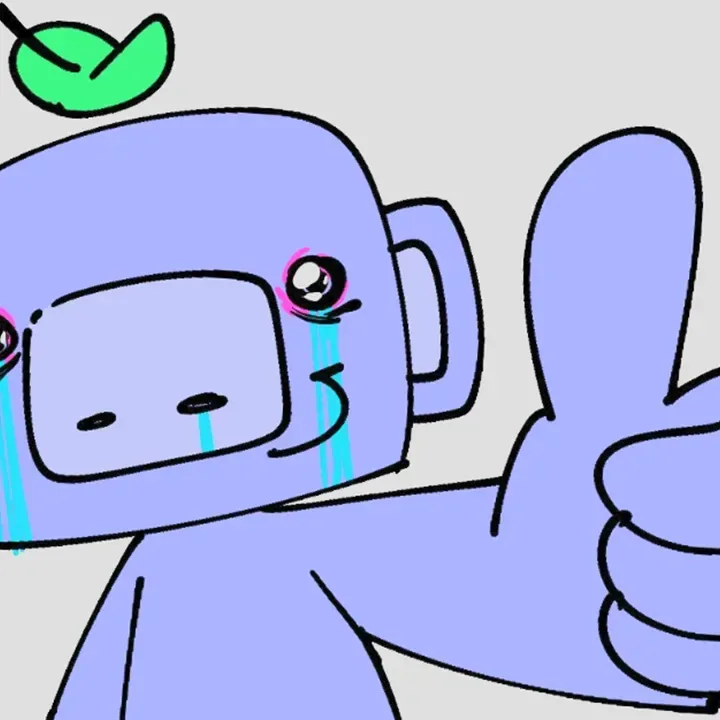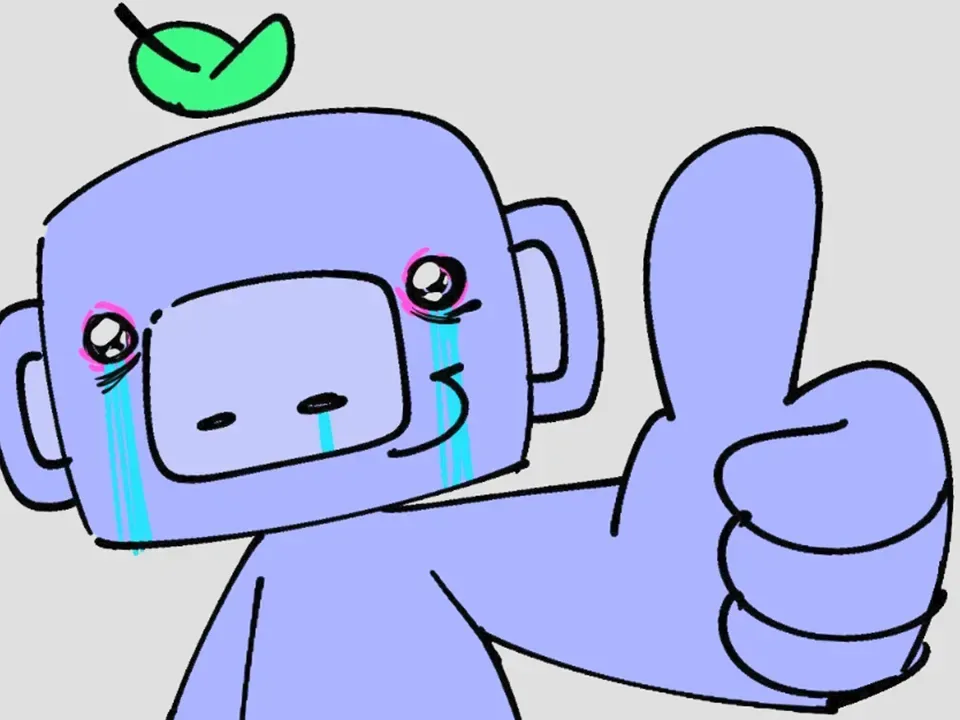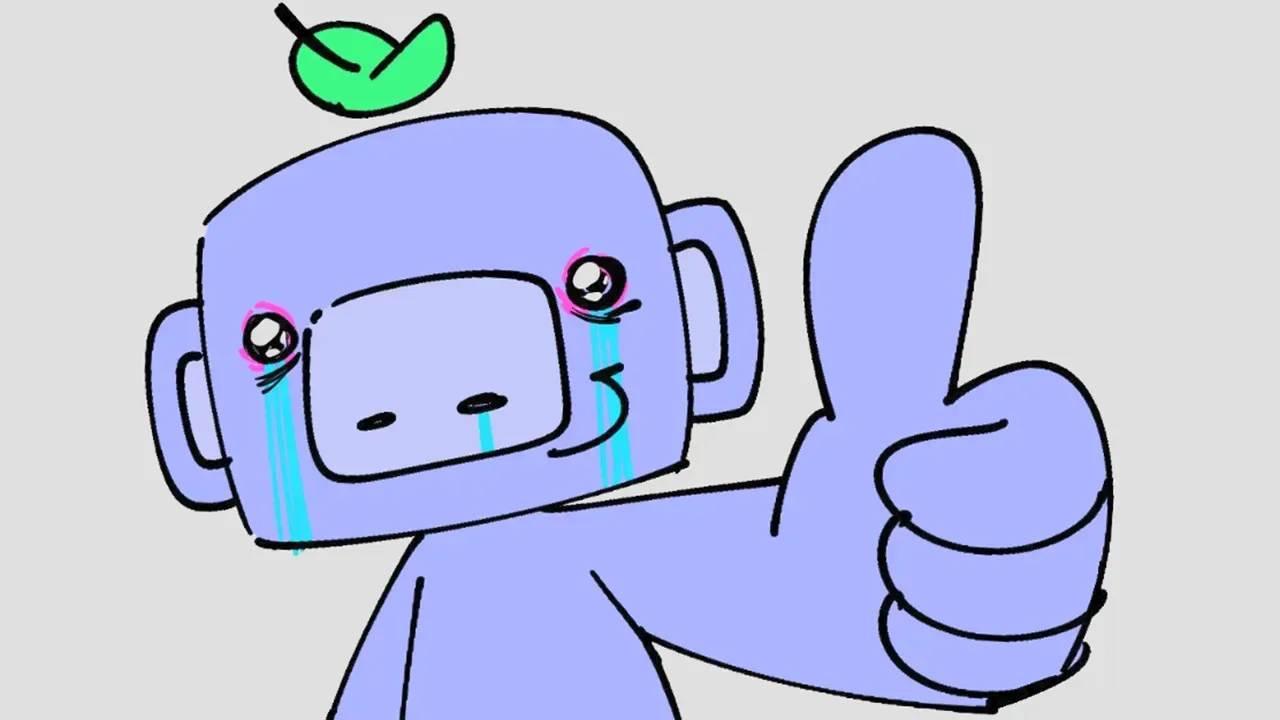
Discord’s new age assurance system has become the target of a very online kind of protest: users are making the service’s purple mascot, Wumpus, the unwilling star of deliberately gruesome fan art. The pictures are not a celebration of the mascot. They are a visual shorthand for anger over age verification, privacy, and the company’s decision to meet early rollout problems with sarcasm.
The flashpoint was a Discord post on X that joked about launching an “extremely popular” age assurance update “that everyone on Discord was really looking forward to” and then encountering bugs. The wording was plainly sarcastic, and Discord later made that explicit in a reply. But it landed badly with people already objecting to the system itself.
The post received roughly 36,000 likes, while its reply count approached 10,000. In the quote-posts, artists and users transformed Wumpus from a friendly, leaf-wearing mascot into the recurring victim of exaggerated horror scenes. References ranged from fantasy and games to anime and monsters. The most prominent quoted post used an image based on historical “quartering,” a method of execution in which victims were pulled apart by animals. That post alone drew about 260,000 likes.
The art is intentionally extreme, but its message is not especially mysterious: users feel the company is treating a serious concern like a social-media gag.
What the anger is actually about
Age assurance is the broad term for systems intended to determine or estimate whether a person meets an age threshold before they can access certain spaces or material. It is not necessarily identical to a simple birthdate prompt. In this case, the supplied information establishes that Discord launched a new system and that it affected access to age-restricted servers, but it does not establish the precise verification method, what data is collected, how it is stored, or how long it is retained. Those distinctions matter, and they should not be filled in with assumptions.
The available evidence does show why the reaction is so focused on privacy. Users have voiced privacy objections since the system was announced earlier in the year, and commenters are connecting those worries to a significant Discord data breach last year. A breach does not, by itself, reveal the design or security of a later product feature. It does, however, change the context in which users judge a request for age-related information or a system built around age gating. Trust is cumulative; a company’s past security incident can make a new data-sensitive rollout far harder to sell.
That is why the backlash is larger than an argument over a malfunctioning server switch. Early bugs reportedly blocked access to age-restricted servers. Discord subsequently said that particular issue had been fixed. Fixing the bug is important for people improperly denied access, but it answers a usability problem, not the broader question users are asking: why should they trust the platform’s approach to age assurance in the first place?
A mascot becomes the pressure valve
Wumpus is useful protest material because a mascot is an instantly recognizable symbol of a company, while also being detached from any individual employee. Rather than direct their frustration at named staff, participants turn the platform’s soft, playful branding into a visual complaint. The contrast is the joke: Discord’s cuddly purple avatar is placed in absurdly brutal situations precisely because the company’s own post used a breezy, self-aware tone.
Related coverage includes Discord's Age Verification Rollout Sparks Wumpus Protest Art Across Social Media.
There is also a communication imbalance behind the pile-on. A platform post can frame a rollout as an ordinary technical stumble. Thousands of quote-posts can reject that framing in public, rapidly, and with a shared visual language. One image is easier to notice than a detailed privacy objection; hundreds of variants make the objection difficult to ignore. The popularity of the largest Wumpus image suggests the meme has become a rallying point, not merely an isolated reply.
Still, the meme’s reach should not be confused with a complete measure of user opinion. Likes and replies show attention and, in many cases, agreement with the criticism. They do not establish how all Discord users feel about age assurance, whether every artist shares the same specific concern, or whether the system’s goals are broadly opposed. The documented response is unmistakably negative in this visible social-media conversation, but it remains a conversation rather than a survey.
Why Discord’s joke became the story
Companies often use humor to make a technical outage feel less intimidating. That approach works best when users already accept the underlying change and the failure is clearly minor. Here, the joking post arrived amid an existing dispute over privacy. Instead of signaling candor, its “extremely popular” phrasing was interpreted as dismissive.
Several replies made that divide explicit. One user argued that a company perceived as collecting sensitive data could no longer lean on “smol bean” social-media branding. Another criticized what they called a “data harvesting scheme.” Those are user accusations and expressions of distrust, not demonstrated descriptions of Discord’s technical practices. Their importance lies in what they reveal about sentiment: the company’s playful voice has become part of the objection.
Discord’s follow-up saying the access-blocking bugs had been resolved was a concrete operational update. Yet it did not address the criticisms filling the replies. As presented here, there is no supplied statement from Discord explaining how the age assurance system handles privacy concerns, nor any response to the data-breach context invoked by users. That silence leaves a vacuum, and on social platforms vacuums tend to be filled by memes, speculation, and increasingly pointed satire.
For gaming communities, Discord is not a minor add-on. It is often where players organize group sessions, manage clans and guilds, share mods, arrange events, and coordinate discussions around age-restricted material. A problem that blocks age-restricted servers can therefore become a community-access issue rather than a solely personal account inconvenience. The same is true of broader trust questions: users may tolerate a clumsy interface change, but they are less likely to shrug off a change they associate with personal information.
That broader dependence is part of why platform governance stories can matter as much as a new feature announcement. Communities already rely on digital services to stay connected, including PC-focused spaces around hardware and games—an ecosystem reflected in projects such as WiCi One’s proposed wireless gaming setup for slim laptops. When the place where those communities gather changes its access rules, the effects can travel well beyond a single settings screen.
What would reduce the temperature?
The immediate technical issue appears to have been addressed: Discord said bugs that were preventing age-restricted-server access had been fixed. But the visible protest indicates that a functional rollout alone will not restore confidence among critics.
Practically, the unresolved issue is communication. People raising privacy concerns will want clarity about what age assurance requires and why, while people affected by access failures will want assurance that the fix holds. The supplied information does not provide the answers, so it would be premature to claim the system is either safe or unsafe. What can be said is simpler: users want more than a sarcastic acknowledgement when a contested age-related system breaks at launch.
For now, Wumpus is carrying the argument—sometimes through references to Sephiroth, Broly, wolves, or cosmic horror, and sometimes through images far more graphic than a mascot normally invites. The meme is funny in the dark, internet-native way that mass creative backlash often is. It is also a warning about brand tone. If users believe a platform is being cavalier about privacy, turning the mascot into a punching bag is not a random act of chaos. It is a way of saying the joke is no longer landing.