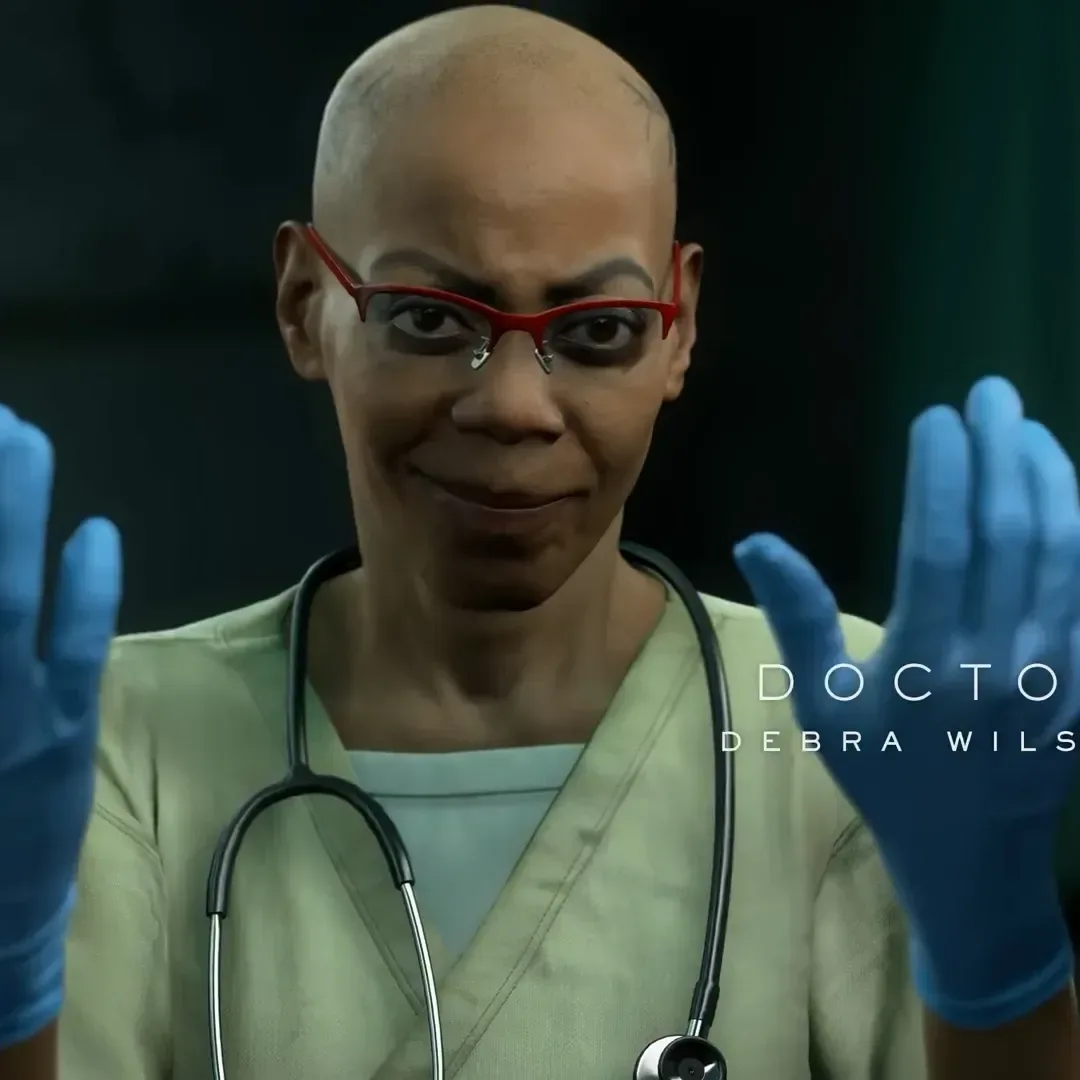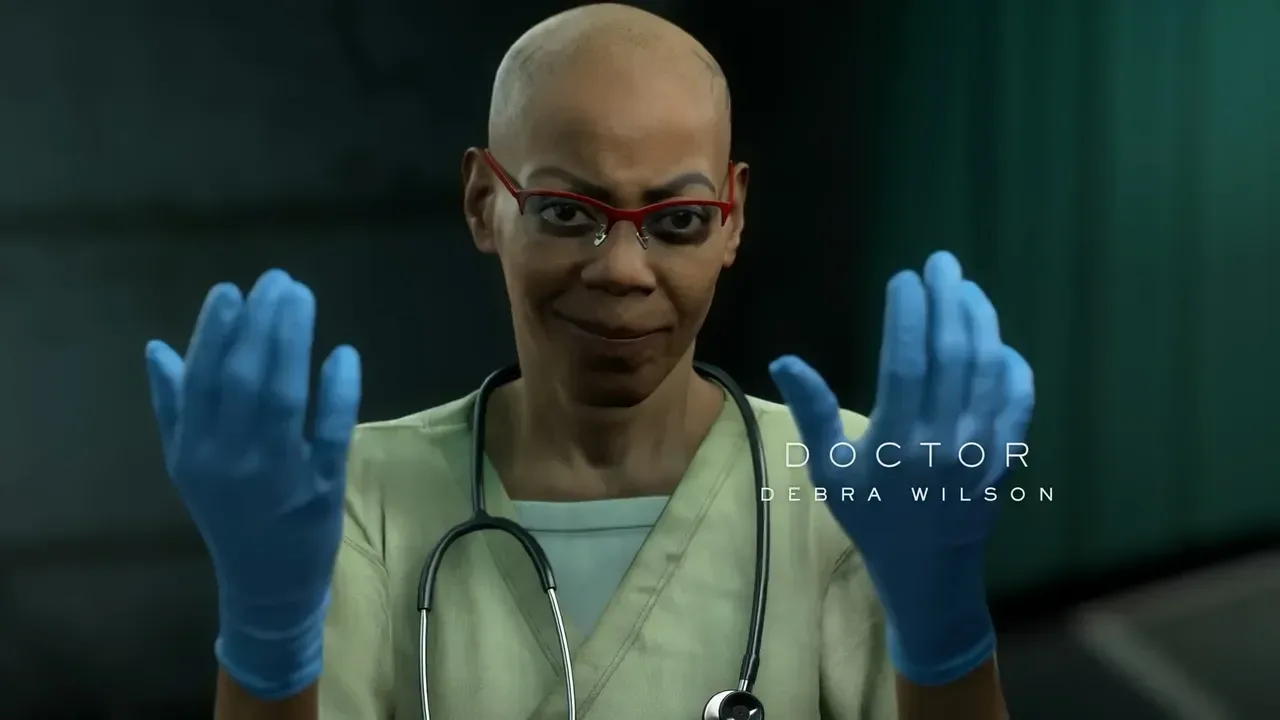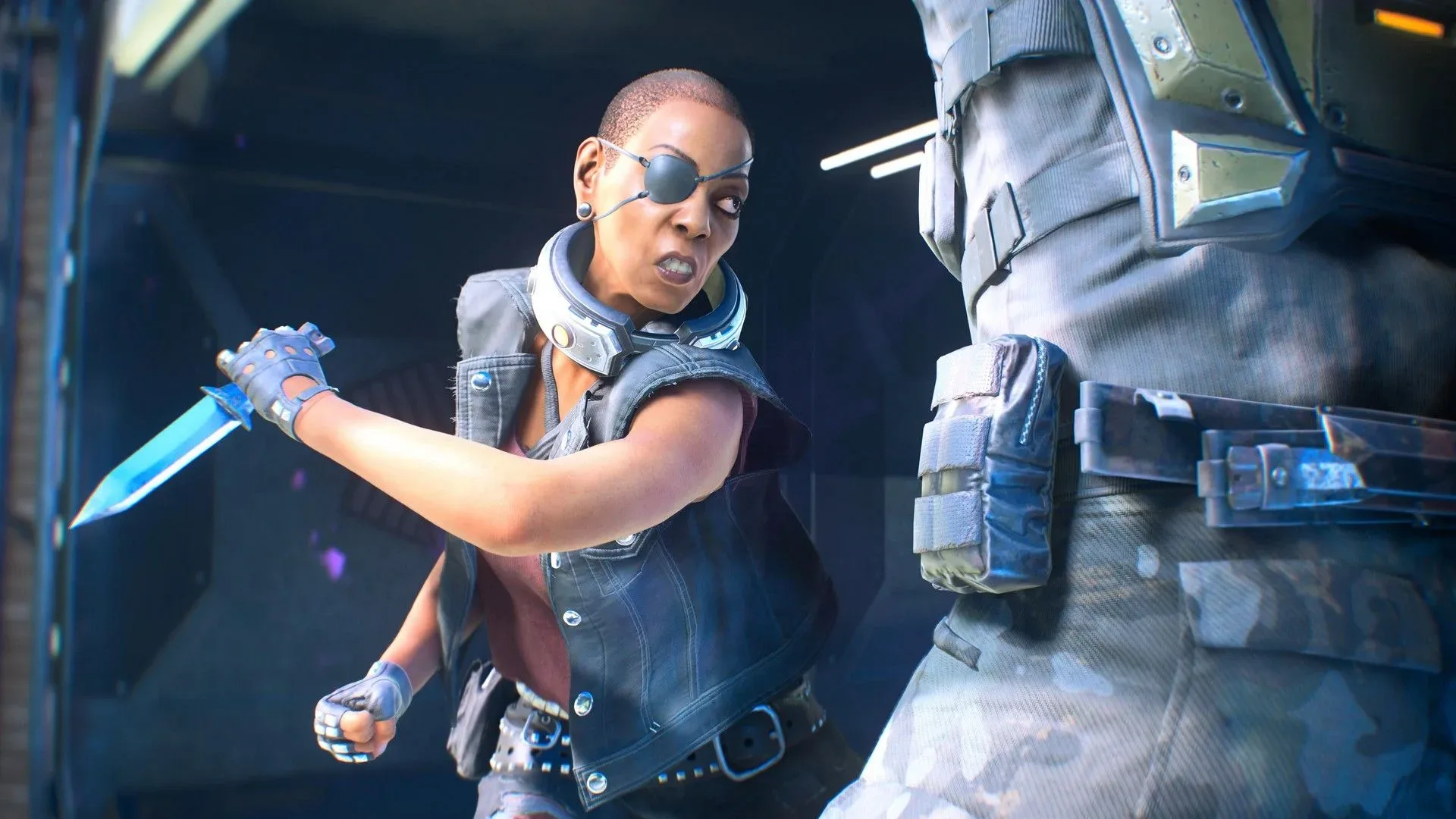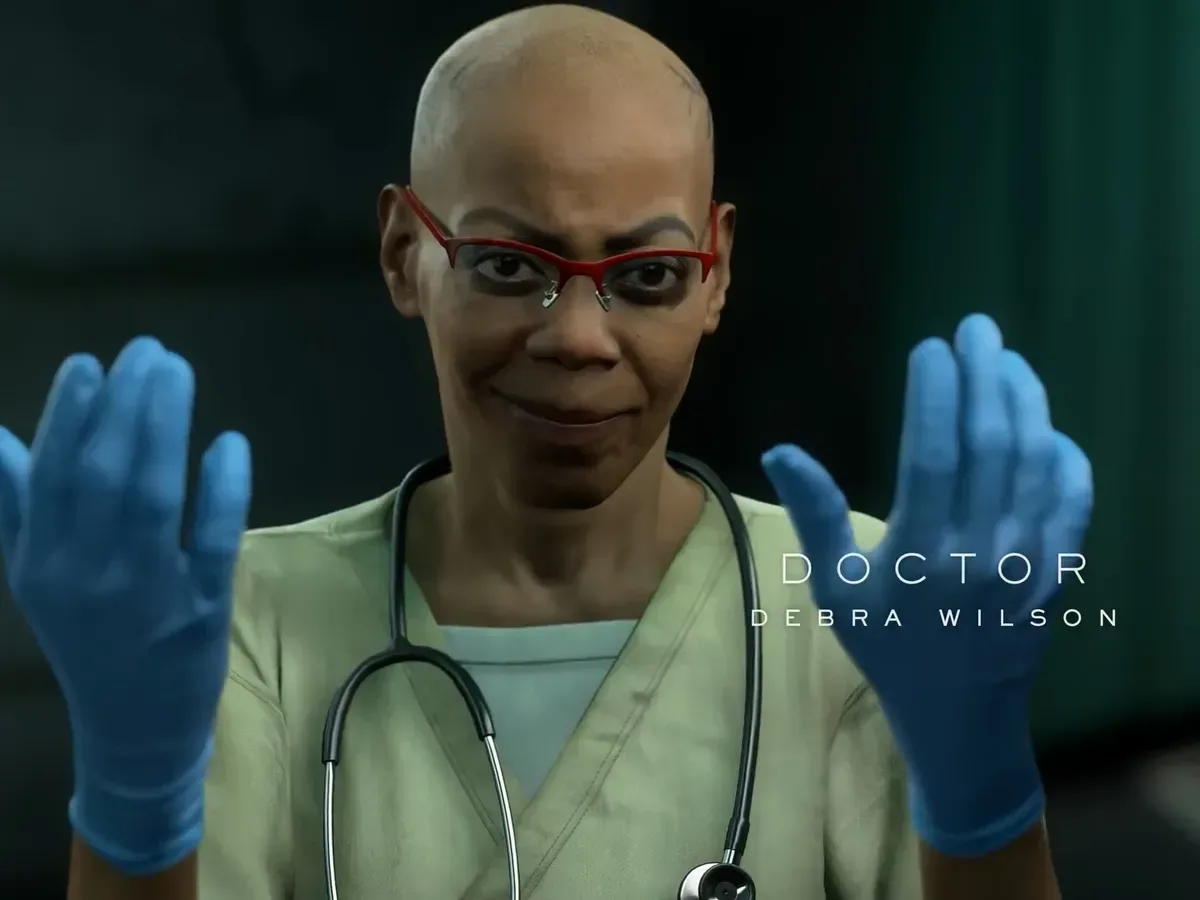
Debra Wilson has raised a pointed concern about a familiar part of modern game production: the increasing use of performers’ actual faces. The actor, whose game work includes roles in Star Wars Jedi: Fallen Order, Wolfenstein: The New Colossus, God of War Ragnarök, Suicide Squad, and the forthcoming Marvel’s Wolverine, says she does not necessarily enjoy seeing her own likeness repeatedly transferred into virtual characters.
Her objection is not a broad rejection of facial scanning or of the developers who choose it. Instead, Wilson’s comments draw a distinction that is easy to overlook when realism is treated as an automatic visual upgrade: an actor’s performance and an actor’s identifiable physical appearance are not the same creative contribution.
Wilson said that frequent use of her face can make it harder for players to stay immersed in a game. She also said she understands the reaction from players who recognize her across multiple projects and feel pulled away from the character. In her view, the repetition can turn the performer herself into the thing audiences notice, rather than the fictional person, creature, or role on screen.
When recognition becomes the distraction
Facial scanning is the process of capturing a person’s facial structure and features so artists can build a digital character around them. Depending on the project, that likeness may then be paired with voice acting, motion capture, facial-performance capture, traditional animation, or some mixture of all four. It can give a character a very specific and realistic human presence. But it can also make the person behind the role immediately visible.
That is the tension Wilson is describing. A recognizable actor can be an asset when a game intentionally wants the audience to see the performer. In other cases, recognizability can compete with the fiction. Rather than reading a character as a military leader, villain, survivor, or fantasy figure, players may simply register that a familiar actor has appeared again.
Wilson characterized the issue bluntly: if a game is going to use her face so directly, it can feel closer to appearing on camera than disappearing into a role. Her concern is especially understandable in a medium where the same performer may be cast across radically different settings, genres, and character types.
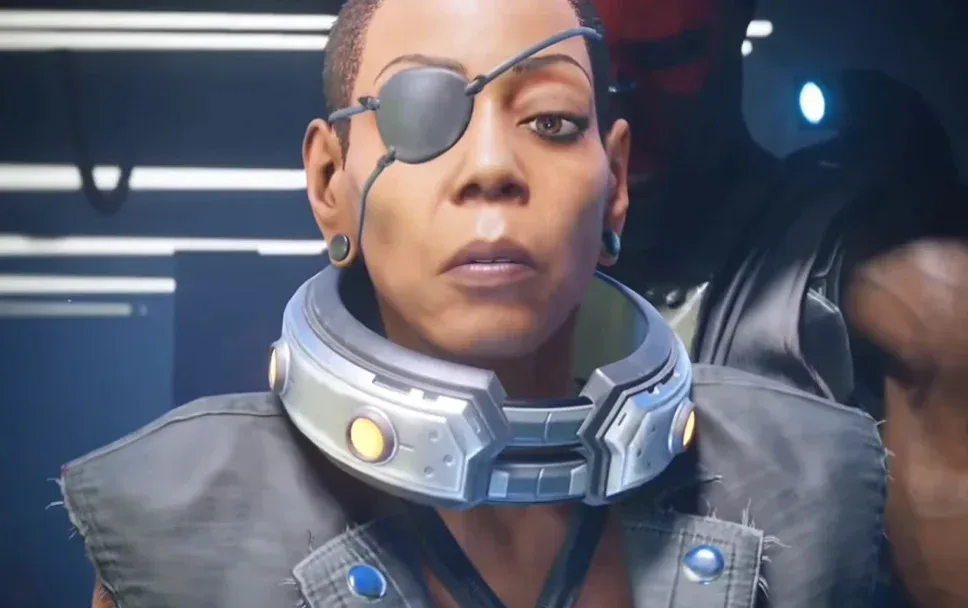
She named Amanda Waller in Suicide Squad, Grace Walker in Wolfenstein: The New Colossus, and Callisto in Marvel’s Wolverine as examples of characters audiences may connect to her appearance. The repetition has become a running joke in some gaming communities, but Wilson’s remarks give that joke a more serious professional dimension. Being recognizable can create work and visibility, yet it may also constrain how readily a performer is allowed to transform.
The tattoo request was a boundary
Wilson’s clearest example of that boundary involved Marvel’s Wolverine. She said the development team wanted to scan her original tattoos for Callisto, and she refused. The request moved beyond a general resemblance and toward reproducing personal body art that exists outside the character.
Related coverage includes Debra Wilson Wants Game Characters to Be More Than Digital Versions of Herself.
That distinction matters. A game character can be designed to resemble a performer in broad ways, but tattoos are often highly personal identifiers. They can carry individual history, cultural meaning, or simply represent a part of someone’s private appearance that does not need to become a reusable piece of game art. Wilson’s response was emphatic: for her, reproducing the tattoos was a step too far.
Her comments do not establish a universal industry rule, nor do they suggest that every performer will draw the line in the same place. They do show why discussions of likeness rights cannot be reduced to a yes-or-no question about whether a face can be scanned. The relevant choices can include the face, body, distinctive marks, wardrobe, voice, animation, and the extent to which a digital character is expected to be associated with a real person.
For developers, the practical lesson is less about avoiding scans altogether and more about having clear conversations early. A performer may be comfortable supplying a voice but not a likeness. Another may welcome a likeness while objecting to particular tattoos or other personal details. Others may prefer an altered or entirely invented character design, even when their acting remains central to the role.
Wilson does not want to restrict artists
Importantly, Wilson said she would not want to turn this preference into a contractual demand. She expressed a desire to leave artists free to make the stories they want to make. That caveat prevents her remarks from becoming a simple anti-scan argument.
Instead, she is describing a creative preference informed by the kind of work she has done. Wilson noted that she has played demons, dragons, and other non-human entities. Those roles make the case for transformation particularly clear: voice and performance can communicate personality, menace, humor, authority, fear, or emotional weight without asking the audience to look at the actor’s ordinary face.
That is also why casting and character design should not be treated as interchangeable decisions. A performer can be ideal for a part because of vocal control, emotional range, timing, physicality, or experience in motion-capture work. None of those qualities requires a one-to-one digital reproduction of the actor. Using a performer’s likeness can be a valid artistic choice, but it is not the only way to put that performer’s talent into a game.
Wilson said she has appreciated roles in which her characters are European, suggesting that visual distance from her real-world appearance can help restore the imaginative separation she prefers. The observation is not a criticism of realistic character art; it is an argument for making room for performers to disappear into roles rather than always being presented as digital versions of themselves.
Why Death Stranding 2 felt different
Wilson also made clear that context changes her view. She cited Death Stranding 2 as a case where her likeness was used, but said she was not upset by that decision because nearly every actor in the game looked like themselves. She praised Hideo Kojima’s artistic vision.
That example identifies an important difference between a game built around recognizably scanned performers and one where a single actor’s face is repeatedly mapped onto otherwise unrelated roles. In an ensemble where the production’s visual language openly embraces real actors’ appearances, the scan is part of the project’s shared premise. It asks the player to accept recognizable people as a deliberate feature of the world.
By contrast, Wilson’s concern is strongest when the same likeness becomes a recurring visual shorthand across projects that otherwise ask audiences to meet entirely new characters. Her point is not that realism breaks immersion by default. It is that realism can be deployed in ways that either support a game’s artistic identity or inadvertently make the audience focus on casting repetition.
A useful conversation for game performance
Wilson’s perspective arrives at a moment when digital performances are more visible than ever. As character models become more detailed, the boundary between an actor, a character, and a marketable image becomes more complicated. Players may enjoy spotting familiar faces, but they can also become so accustomed to that recognition game that it overwhelms the role itself.
For audiences, there is a useful distinction to keep in mind: seeing a familiar face is not proof that a character lacks performance or craft. At the same time, an actor saying “use my performance, not necessarily my face” is a meaningful artistic position. It recognizes that games have tools cinema does not always have. A game can cast a performer for their voice and movement while transforming their appearance into nearly anything.
Wilson recently played Jessica Pike in Ace Combat 8: Wings of Theve, Callisto in Marvel’s Wolverine, and contributed background voices to Modern Warfare 4. Her body of work makes the broader point especially well: game performers can occupy many worlds and many kinds of characters. The more production technology makes literal replication possible, the more intentional teams may need to be about when replication is actually the most expressive choice.
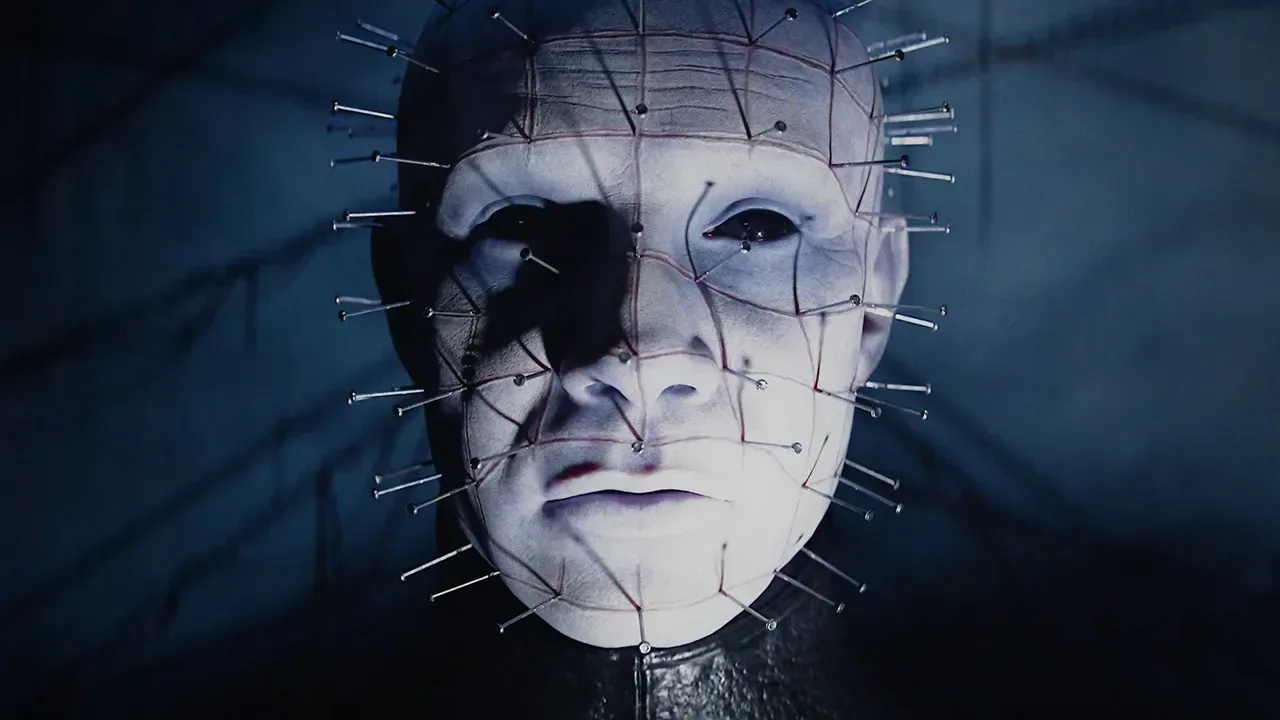
That question is likely to remain relevant across the industry, including in games that lean heavily into authored horror identities and character performance, such as Clive Barker’s Hellraiser: Revival. Wilson’s comments are a reminder that visual fidelity is only one part of a performance. Sometimes the more imaginative choice is to let the actor be heard, felt, and believed without making them instantly recognizable.