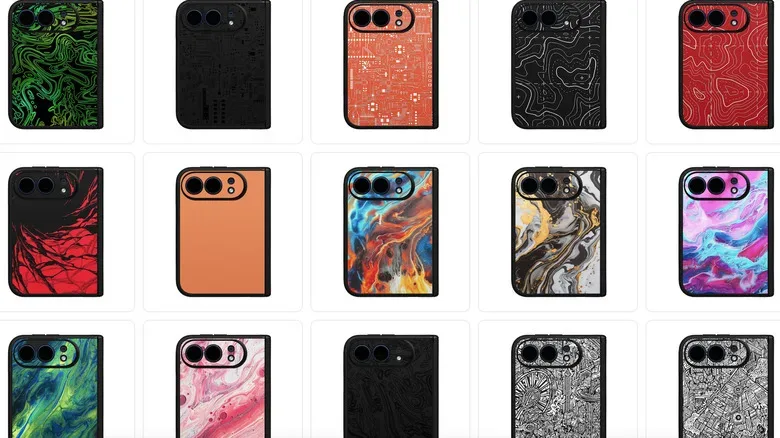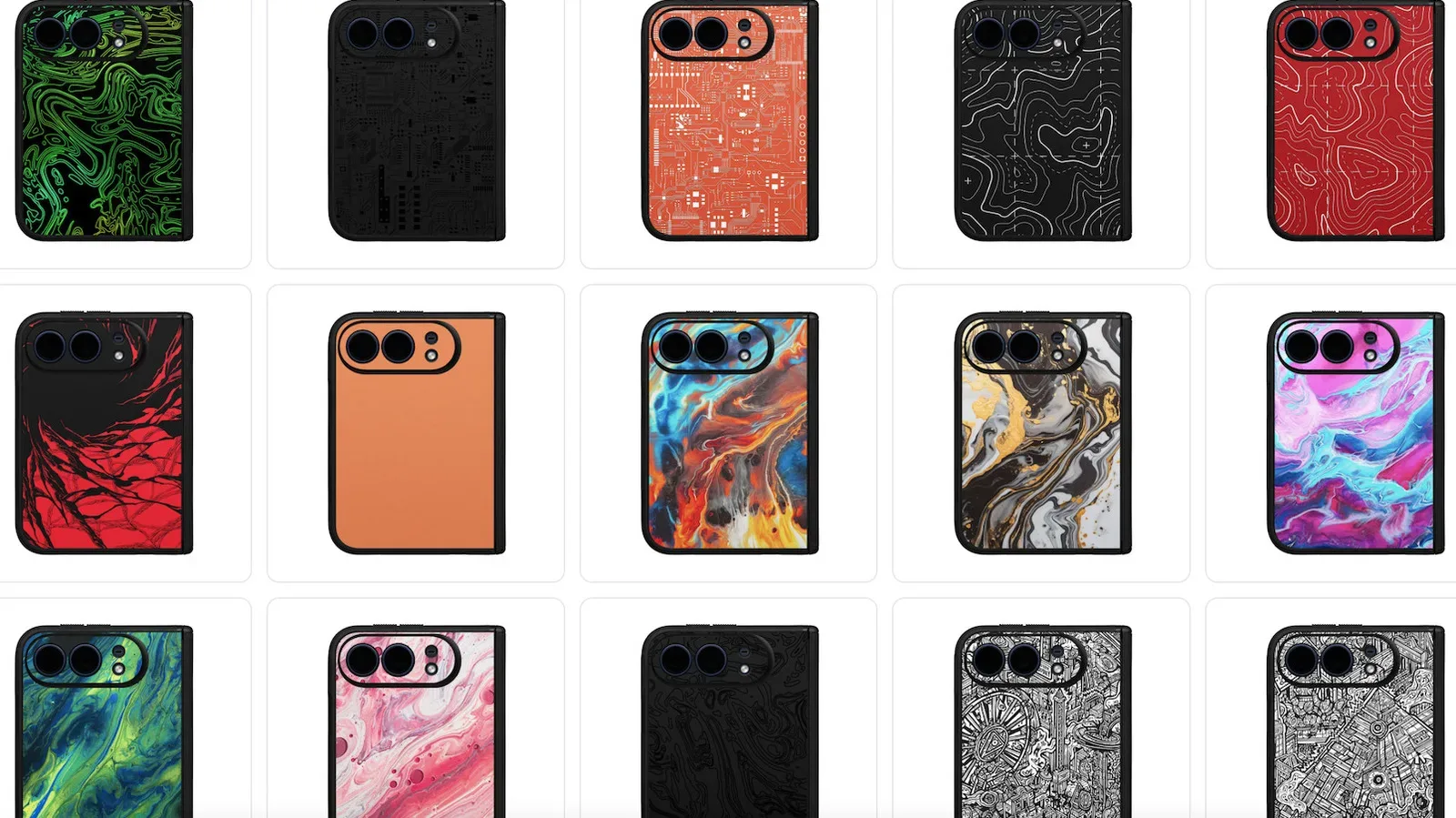
Apple may be preparing to turn one of the smartphone world’s longest-running rumors into an actual product, but accessory maker Dbrand appears unwilling to wait for the keynote slide deck. The company has listed nearly 50 Grip Case variations for a device identified as the iPhone Ultra, despite Apple not having officially announced a handset by that name.
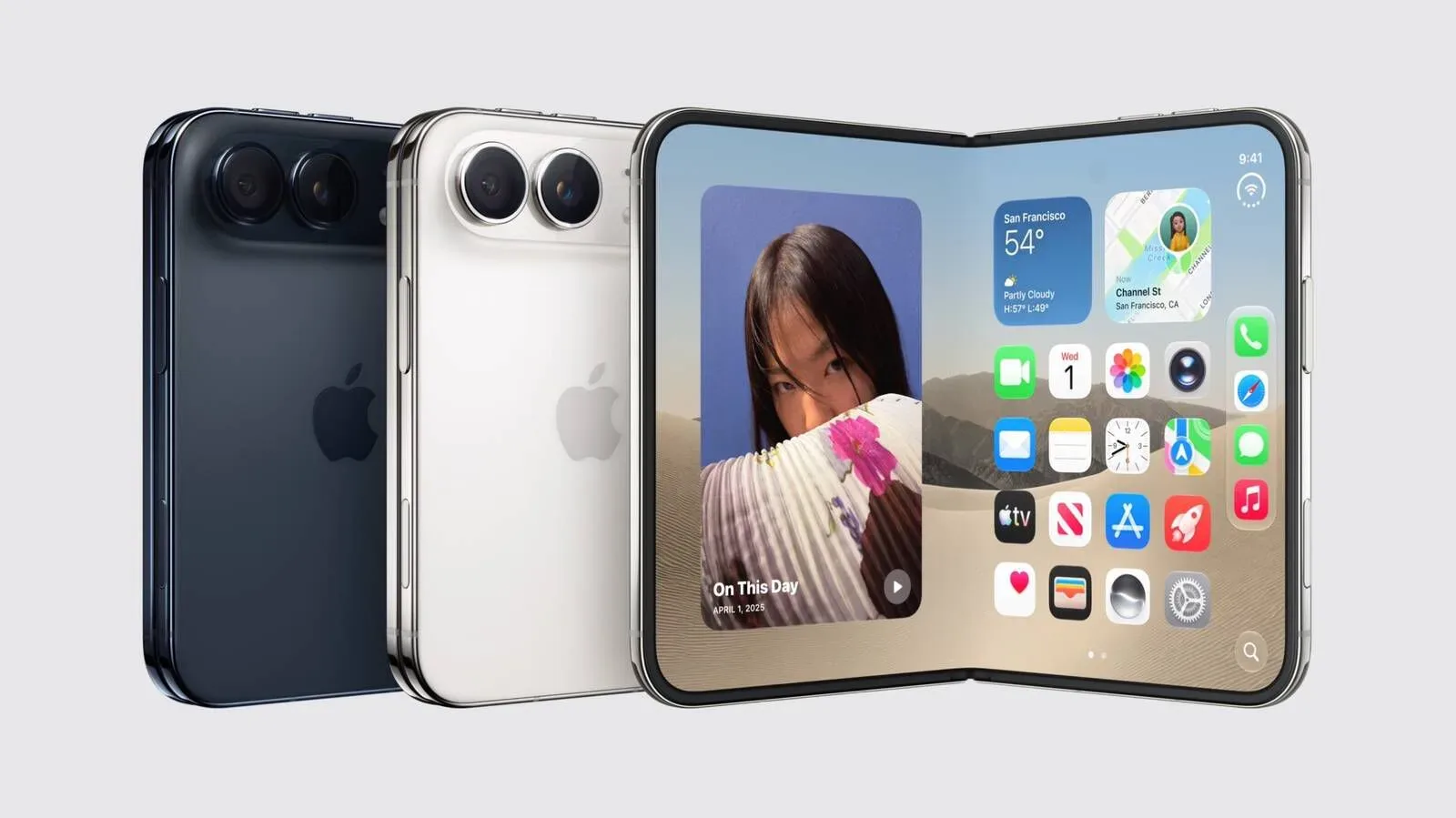
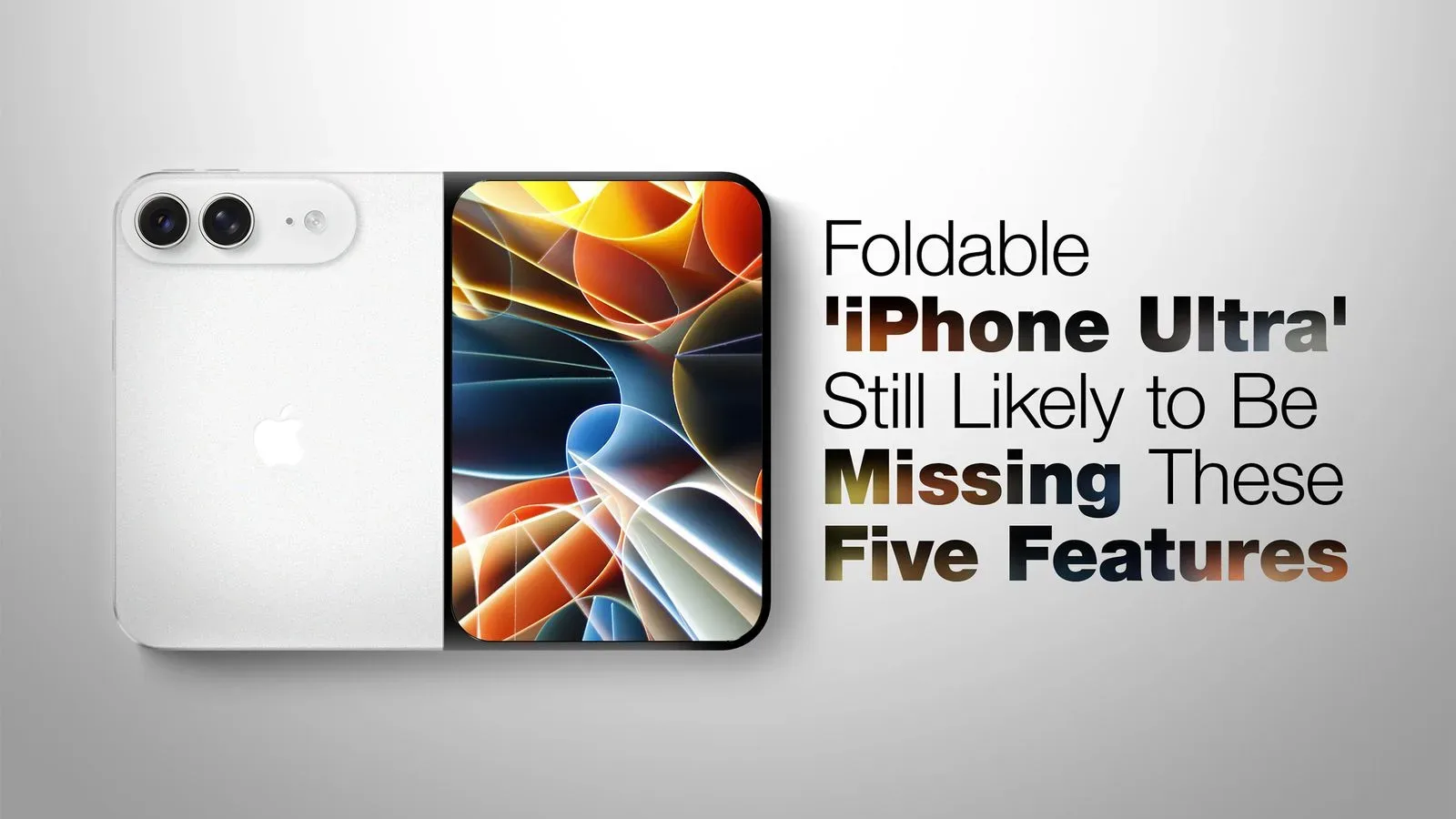
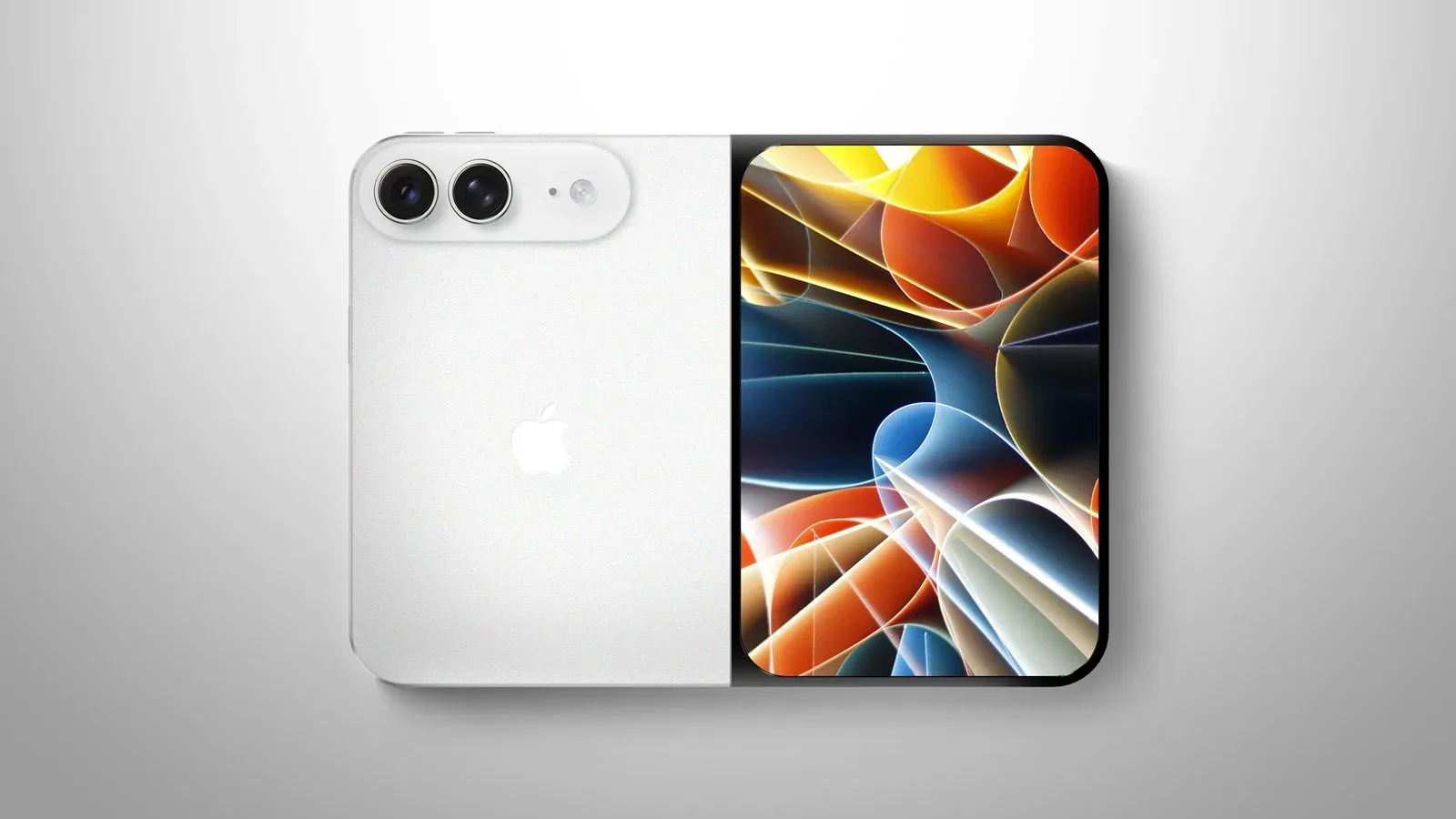
The listings do not settle every question surrounding the rumored phone. They do, however, add a loud, rubberized exclamation mark to expectations around Apple’s September 9 event, scheduled for 1 p.m. ET. If the device arrives, it is widely expected to be Apple’s first foldable iPhone: a premium, book-style model that opens from a conventional phone-sized exterior into a substantially larger inner display.
For gamers, collectors, and anyone who has ever watched a pristine handheld acquire a mysterious scratch while sitting perfectly still, the timing is notable. Cases appearing before a formal reveal are a reminder that consumer electronics launches involve a giant orbit of manufacturers, supply-chain partners, software developers, retailers, and accessory brands. Sometimes the accessories walk onto the stage before the star does.
What Dbrand’s case listings actually tell us
The concrete detail is straightforward: Dbrand is offering a substantial set of Grip Case options specifically labeled for the iPhone Ultra. Nearly 50 designs is not the kind of catalog treatment normally given to a vague, hypothetical internet nickname. It suggests that Dbrand believes there is enough information, confidence, or commercial value behind the product designation to begin selling cases around it.
That still is not the same as an Apple confirmation. Accessory listings can be based on dimensions circulated among manufacturing partners, industry reporting, CAD material, expectations around a launch, or a company’s own read on the market. The presence of cases cannot independently verify final specifications, final branding, release timing, or whether every cutout and contour will match the hardware Apple eventually presents.
In other words, the case may be early, but buyers should not treat it as an engraved invitation from Cupertino. Anyone considering an order should check the seller’s compatibility language, shipping details, cancellation policy, and return terms. A foldable device has more physical variables than the average slab phone, especially around the hinge, camera hardware, buttons, and the open-and-closed footprint.
A foldable iPhone has been rumored for years
The possibility of an iPhone Ultra is hardly a brand-new whisper. Apple foldable talk has circulated since 2017, with the alleged project repeatedly framed as a future-facing device that faced delays, changes, or technical hurdles. The current expectation is that an iPhone Ultra could resemble the Samsung Z Fold and Google Pixel Fold approach: a phone that can be unfolded like a book for a larger display.
That format would put Apple in a category that has existed for years but has not yet become an everyday default. Foldables promise two devices in one: a pocketable phone when shut and a compact tablet when opened. The compromise has always been that fitting both roles into one body requires complicated hinges, flexible screens, tight battery packaging, and a price that can make a flagship phone look like the budget option.
Reports and speculation have pointed to a modified iOS experience that would use the larger screen with a more iPad-like layout. That does not establish what Apple will announce, but it identifies the software challenge clearly. A large display is only compelling when apps, multitasking, media controls, keyboards, games, and notifications use the extra real estate intelligently.
That is why the possible device is interesting beyond the usual annual-camera-and-chip conversation. A folding iPhone would represent a different interaction model, not merely a better version of the same rectangular screen. For gaming, that could mean roomier touch controls, larger maps, easier inventory management, more comfortable remote-play interfaces, and a more natural home for controller-assisted sessions. It could also make the device a convenient screen for cloud gaming or companion apps, though none of those use cases should be mistaken for announced Apple features.
The crease question matters more than it sounds
One recurring expectation around the Ultra concerns display technology designed to make the inner-screen crease less noticeable when the phone is open. Foldable screens bend; physics remains stubbornly unbeaten. The visible and tactile crease has consequently become one of the category’s most closely watched design issues.
A reduction in crease visibility would be meaningful because the expanded screen is central to the entire pitch. Watching video, reading, browsing, playing a game, or scrolling a feed can all make the eye return to the fold line. The less intrusive that line becomes, the more convincingly the interior panel can feel like a single display rather than two phone halves attempting a diplomatic merger.
No exact technical specifications have been established here. There is no confirmed display size, resolution, brightness figure, battery capacity, camera arrangement, processor, storage tier, weight, or durability rating. Those details should remain in the rumor column unless and until Apple provides them.
The Ultra could carry an ultra-sized price
Industry expectations have also positioned the supposed iPhone Ultra as extremely expensive. Estimates have generally put it at a minimum of $2,000, with some projections rising toward $2,400. Those figures are not official pricing, and the difference between a rumor range and a checkout-page total is enormous. Still, the broad logic tracks with the current foldable market: flexible displays and folding mechanisms are expensive components in expensive devices.
At that level, buyers would be assessing more than a phone upgrade. The proposition would compete with combinations of phone, tablet, handheld gaming hardware, and laptop accessories. The value calculation would depend heavily on whether the device genuinely replaces another screen in a person’s daily routine or simply becomes the fanciest way to open messages while standing in a grocery line.
The cost pressure may also be part of a wider hardware story. Component availability can affect launch plans and consumer prices, and the rumored device is said to be particularly complex. PC players have already seen how broader infrastructure demand can reshape what ordinary hardware costs; AI’s growing demand for storage has made SSDs and hard drives tougher purchases for PC gamers. Storage and RAM are different components, of course, but both sit within a supply environment where demand shocks can travel farther than buyers expect.
Announcement and availability may not be the same date
Another reported possibility is that Apple could unveil the iPhone Ultra at the September 9 event but delay its commercial launch until later in the year. The suggested reasons are the complexity of the hardware and an ongoing global RAM shortage. Neither point has been confirmed by Apple, and a keynote announcement would be the place to clarify whether the product exists, when it ships, where it will be sold, and what configurations will be offered.
A staggered approach would not be strange for a category-defining or unusually difficult device. A foldable has more ways to demand careful production planning than a standard handset, from hinge assembly to display yield and quality control. It also creates added accessory considerations. A case cannot casually interfere with the mechanism that gives the device its reason to exist, and a poorly fitted one can become a very expensive annoyance.
For Dbrand, the early case lineup is therefore both a marketing move and a practical signal that the company sees the rumored form factor as real enough to support a deep design roster. For Apple, it means the alleged surprise has already been surrounded by an accessory aisle.
What to watch at the September 9 presentation
The event is scheduled for September 9 at 1 p.m. ET, and it should provide answers quickly. The most important questions are basic ones:
- Will Apple announce a foldable iPhone at all?
- Is iPhone Ultra the final product name?
- Does the device open in the expected book-like format?
- How does its software use the larger interior display?
- Has Apple meaningfully addressed the foldable-screen crease?
- What is the official starting price?
- Will it be available immediately, later in the year, or on a different timetable?
Until then, the Dbrand listings offer an unusually visible piece of pre-event evidence, not a complete spec sheet. The company may have helped turn a whispered product into a very public silhouette, but the hardware, the name, the software behavior, pricing, and launch plan still need official confirmation. If the Ultra does show up, Apple’s foldable era will begin with an accessory maker already holding the coat rack.