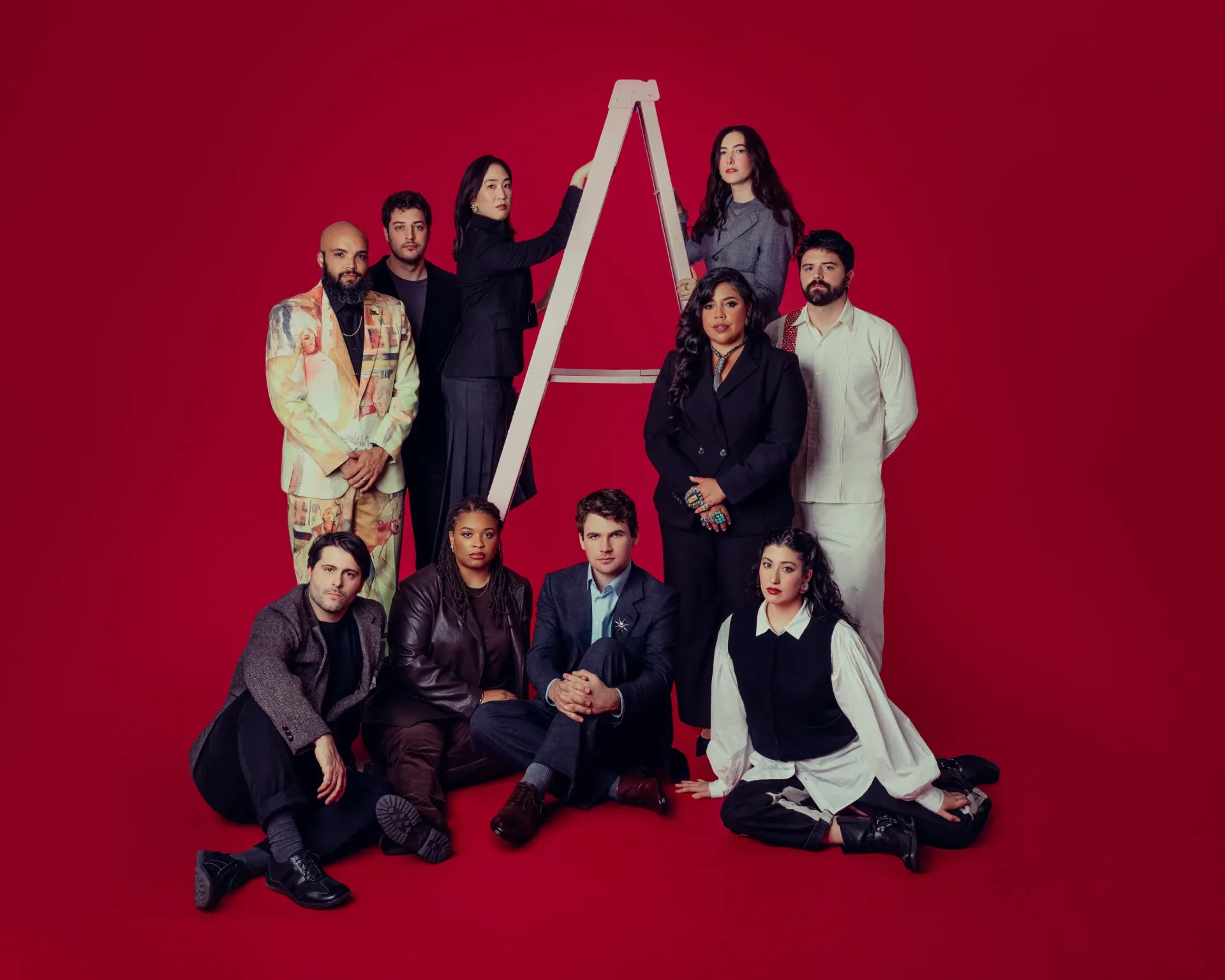
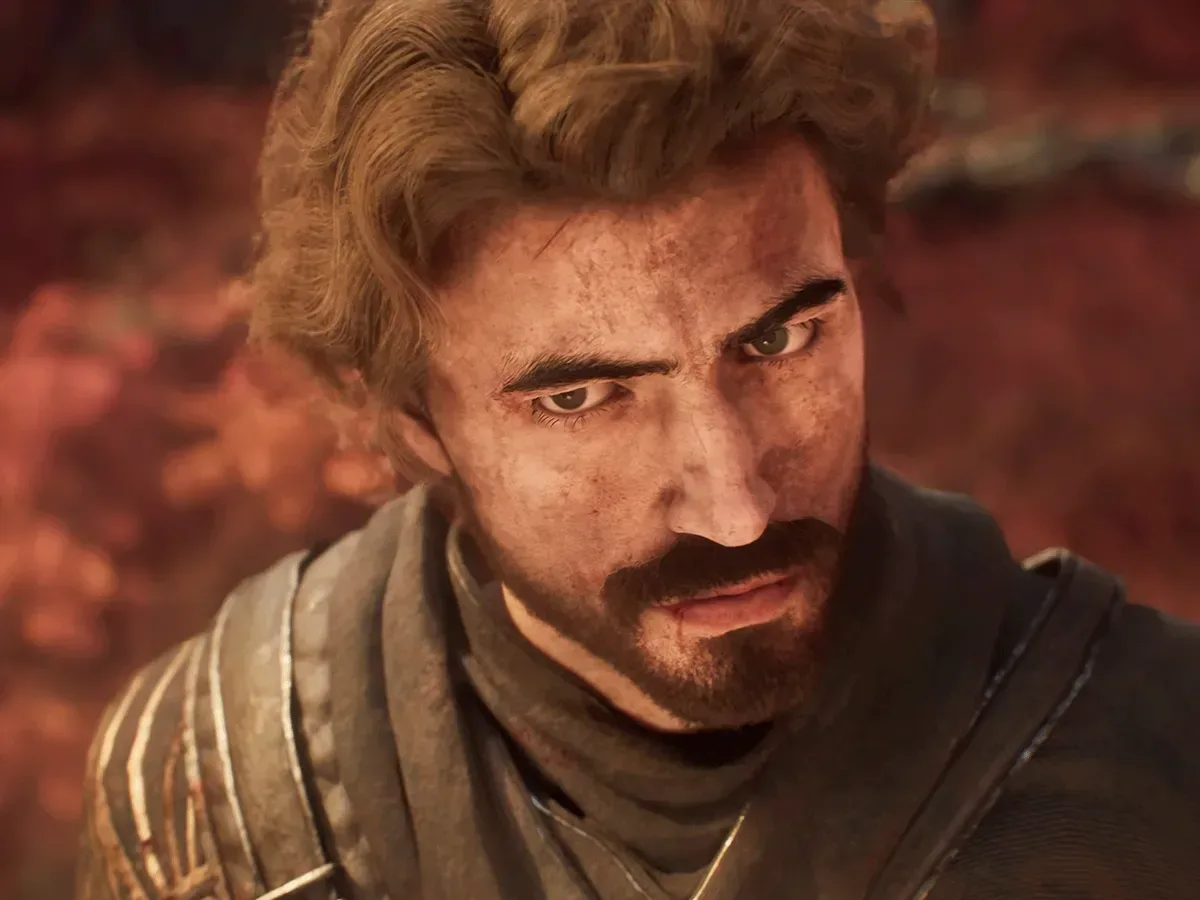
Jennifer Svedberg-Yen, narrative lead on Clair Obscur: Expedition 33, has left developer Sandfall Interactive after completing final work on the acclaimed RPG. Her next focus is broader than a single project: she is establishing a fund intended to advance narrative design in games and help develop new writing talent.
The move comes after a major year for Expedition 33, which collected more than 400 awards and was recognized across major award shows, including Best Game at the BAFTA Awards. Svedberg-Yen also received a BAFTA Breakthrough U.S. award earlier in the year. While consulting on stories around the industry, she has argued for a shift in how studios approach writing: bring narrative into a game at the beginning, rather than using it to explain decisions made much later.
A departure after Expedition 33’s final work
Svedberg-Yen said she left Sandfall in July after wrapping up remaining work on Expedition 33. The departure does not come with a confirmed next game from her. Beyond the proposed fund and consulting work, she has said she has a couple of television ideas.
That distinction matters. This is not an announced narrative role on another game, nor is it confirmation of a new project from Sandfall. It is a change in where Svedberg-Yen intends to apply her experience: toward supporting story work across the medium and helping newer writers build careers.
Sandfall, meanwhile, is planning its next project. Its details remain undisclosed, although the available indication is that it may be another adventure in the Clair Obscur universe. Until the studio shares more, that remains an expectation rather than a formal description of the game.
What “narrative-first” means in practice
Svedberg-Yen’s central point is not simply that games need more dialogue or larger scripts. Her argument concerns the order in which a game gets made and the degree to which departments share a creative foundation.
She has criticized the idea of narrative as a “skin”: a layer applied after combat, progression, environments, and other systems are already established. In that model, writers may be asked to make a pre-existing collection of mechanics, spaces, objectives, and characters feel coherent after the fact.
A narrative-first production approach instead begins with story, themes, characters, and intended emotional movement, then asks how game systems can express and reinforce those elements. It does not mean that writers work in isolation or that every gameplay decision is subordinate to dialogue. In a collaborative game team, it means narrative direction is present early enough to inform decisions by design, art, audio, animation, and other disciplines.
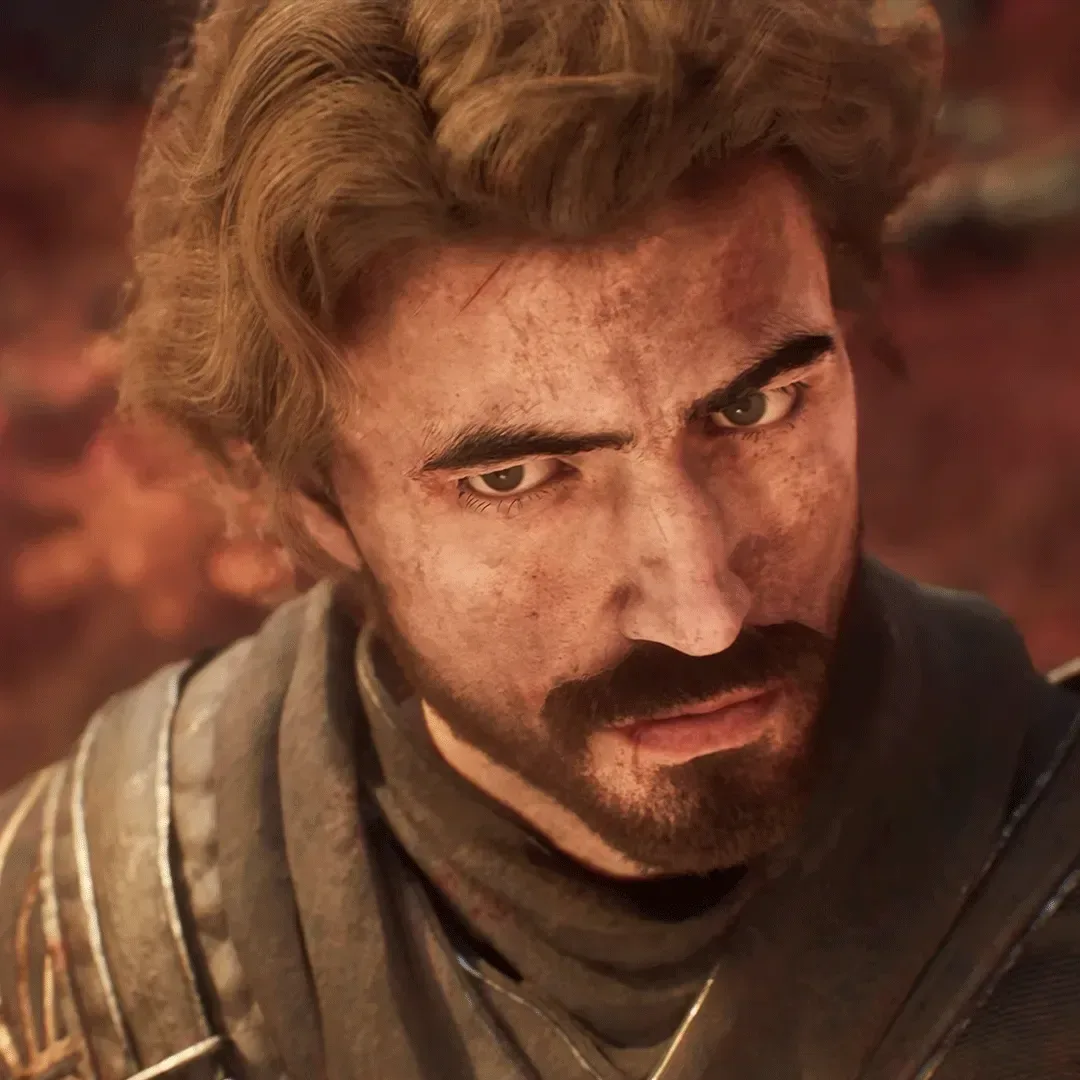
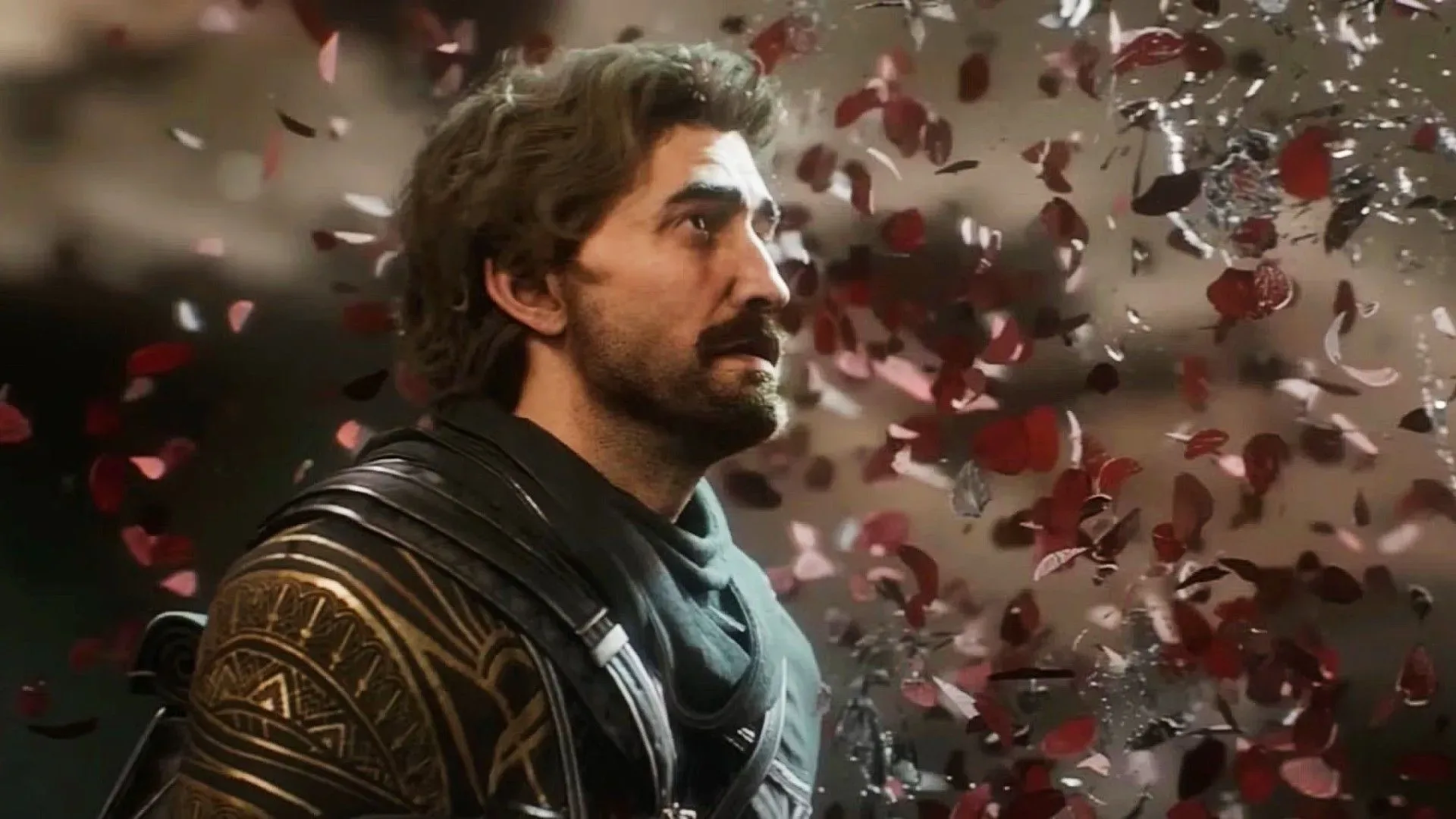
Svedberg-Yen described Clair Obscur: Expedition 33 as a narrative-first game in which story was the guiding priority. The game’s systems were built around the story in an effort to support its themes and control the timing of major moments. That coordination is the key claim behind the approach: when teams are building toward the same narrative goals from the outset, the pieces of a game can reinforce one another rather than compete for attention.
Systems can carry story, not merely sit beside it
In game-development terms, a system is a repeatable rule set that shapes what players do: combat actions, turn structure, real-time inputs, progression, exploration, rewards, and similar interactive components. Expedition 33 combined real-time and traditional turn-based RPG mechanics, making its gameplay structure a notable part of how players encountered the game.
A narrative-first approach treats systems as part of storytelling rather than as a separate track that needs explanation later. The source material does not detail every production choice behind Expedition 33, so it would be wrong to claim a specific mechanic was created for a specific scene or theme. But the principle Svedberg-Yen outlines is clear: game mechanics can help establish rhythm, tension, character perspective, and the pace of dramatic beats when they are designed with the narrative in view.
That is particularly relevant for role-playing games. RPGs often ask players to spend significant time with a party, make decisions within combat and progression systems, and move through a long arc of discovery. A strong story cannot replace satisfying interaction, but a disconnect between interaction and story can make a game feel fragmented. Svedberg-Yen’s position is that early alignment gives a team a better chance to make those elements feel like one work.
The institutional-knowledge problem
Svedberg-Yen has linked her new direction to a concern about lost institutional knowledge amid disruption in the games business. Institutional knowledge means practical, accumulated understanding that experienced workers carry with them: how teams solve problems, how departments communicate, where common production risks appear, and how less-experienced developers learn through participation.
It is knowledge that often cannot be captured completely by a design document or a handover note. New creators gain formative experience by working alongside people who have already navigated the difficult trade-offs of shipping projects. When teams repeatedly lose experienced staff or are broken apart, the industry can lose both expertise and opportunities for mentorship.
Her proposed fund is therefore positioned as more than a vehicle for individual scripts or isolated writing assignments. Its stated purpose is to advance narrative design and nurture emerging talent. Specific structure, funding, participants, and projects have not been announced in the material available, so its eventual scope is still unknown. Yet the stated mission addresses a real production concern: stories in games involve more than writers, and writers need pathways to understand the collaborative process through which interactive stories are made.
Why Expedition 33 is central to the argument
Clair Obscur: Expedition 33 was Svedberg-Yen’s first video game after a prior career in private equity. Its reception turned that debut into a useful case study for her larger perspective. The game drew praise for its mixture of real-time and turn-based RPG design as well as for a mysterious plot, emotionally resonant moments, and its characters.
That combination is important. The game was not being celebrated as a story detached from its game design, nor solely as a combat system with attractive fiction attached. Its success was associated with the meeting point between the two. Svedberg-Yen has attributed part of that cohesion to narrative having a decisive role from the beginning of development.
She has also said players contacted her to describe how the game helped them process grief and move through the world after personal loss. Those accounts are personal responses rather than a measurable outcome for every player, and they should not be generalized beyond the people who shared them. Still, they illustrate why emotional intent and craft can matter in an interactive work. For some players, a game’s narrative is not background decoration; it can become part of how they interpret difficult experiences.
The discussion also lands during a continuing conversation about the value of focused, authored games. For a broader perspective on why single-player experiences remain culturally and creatively significant, see this look at the case for single-player games.
What this does—and does not—say about Sandfall’s future
Svedberg-Yen’s exit naturally raises questions about the future of the Clair Obscur series, especially after Expedition 33 achieved major recognition. But there is limited confirmed information. Sandfall is working on its next project, and the suggestion is that it could remain in the same universe. There are no confirmed details here about its narrative team, story, release plans, or the extent of any future connection to Svedberg-Yen.
It is equally important not to read her departure as a rejection of games. Her stated goal is explicitly tied to video-game narrative design, and she has already been consulting with developers. The difference is that her work appears to be moving from one studio’s production to an industry-facing effort, with television ideas also in the mix.
A challenge to the “story comes later” model
The most durable part of Svedberg-Yen’s message may be its challenge to a familiar production assumption. If narrative is assigned late, its team may be forced to reconcile decisions it did not help shape. If it is considered early, it can give the wider team a common point of reference as gameplay, art, and pacing take form.
Neither model guarantees success. A narrative-first game still needs clear design, capable execution, and effective collaboration across every discipline. Conversely, a game can find meaningful storytelling late in development. But Svedberg-Yen’s experience with Expedition 33 makes the case that treating narrative as foundational, rather than cosmetic, can produce a more consistent whole.
Her planned fund will be worth watching for the practical answer to that argument: how it supports new writers, what forms of narrative-design development it prioritizes, and whether it creates more opportunities for storytellers to participate early enough to influence games at their roots.