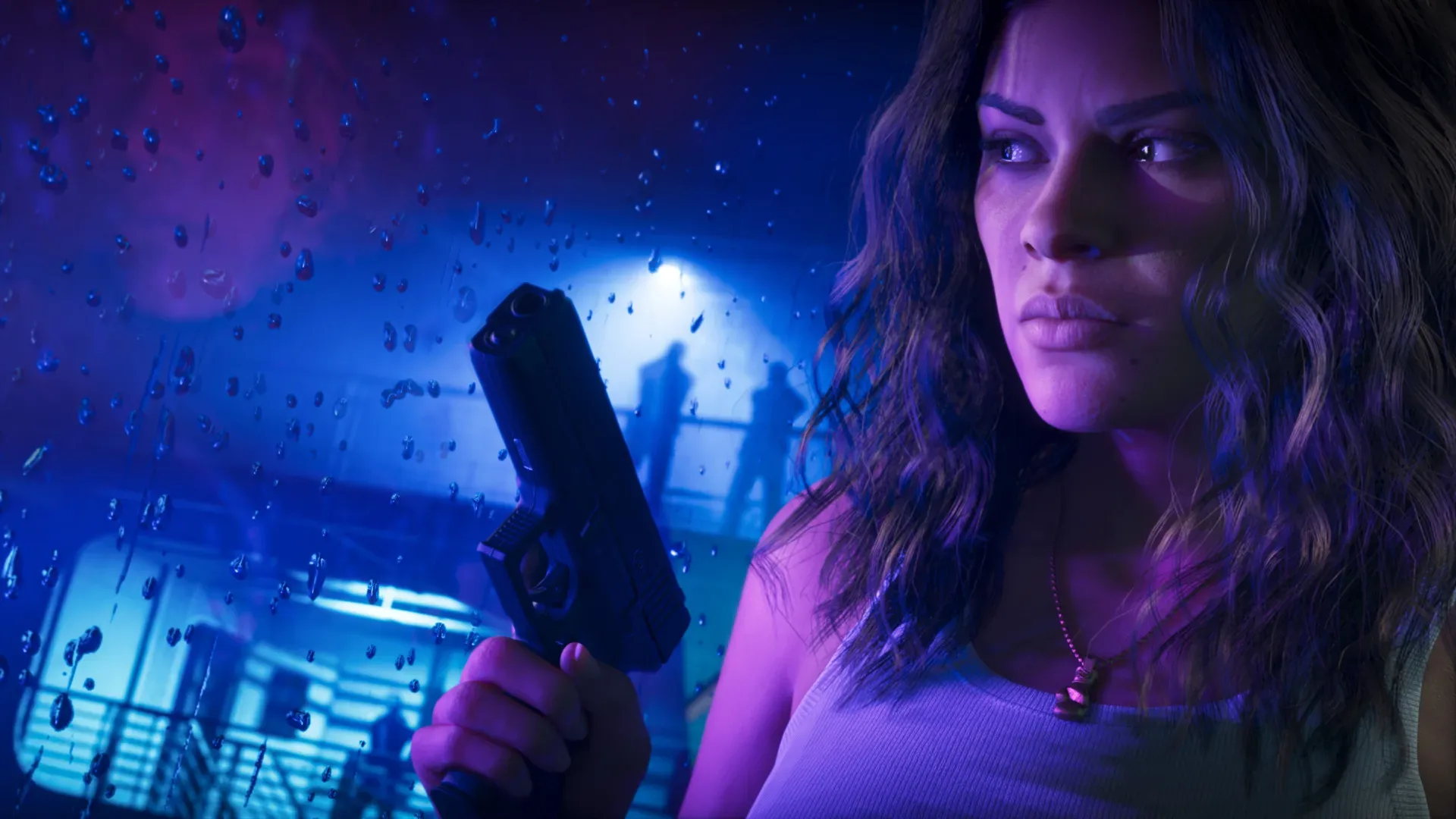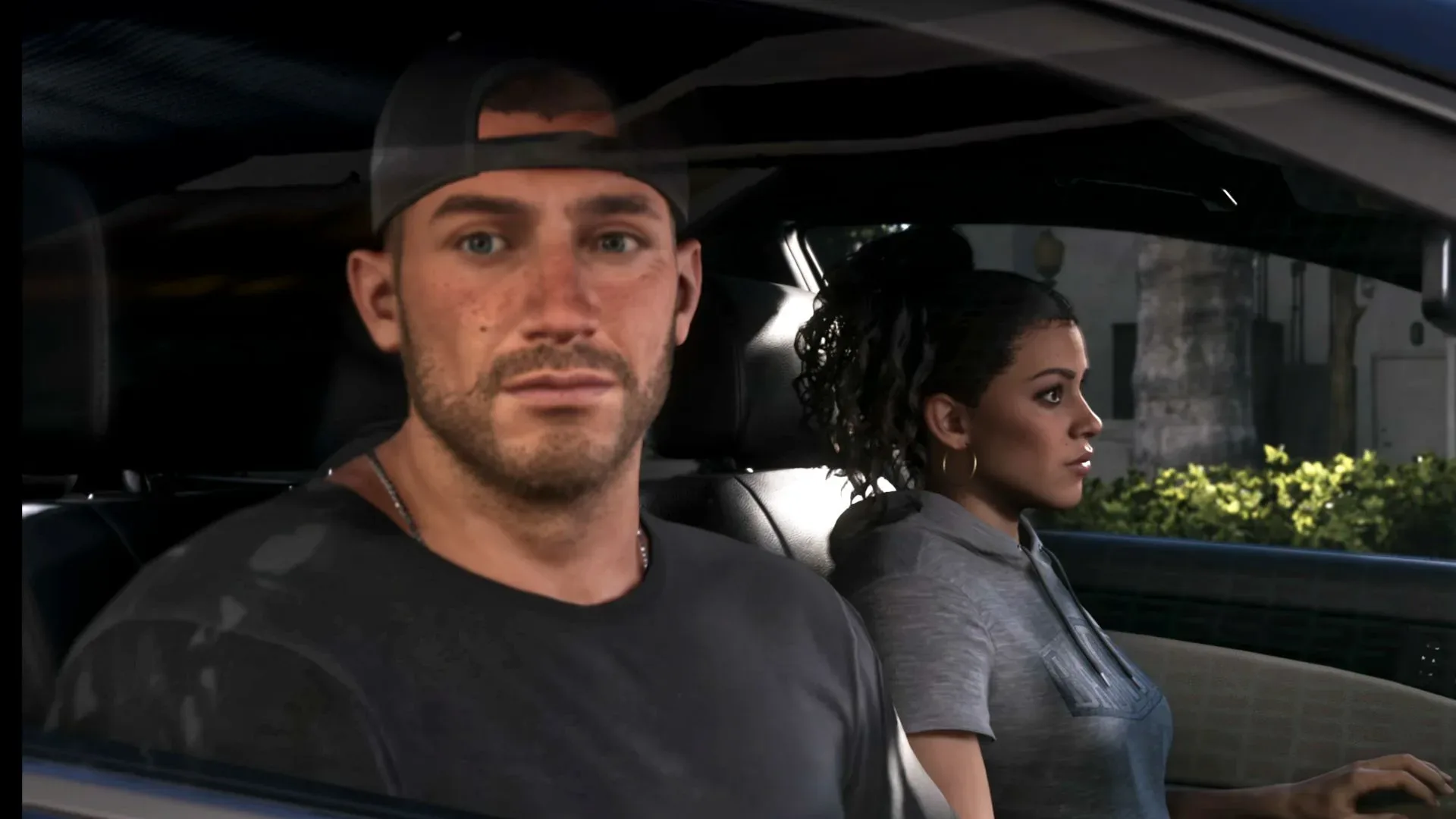

For years, the games business has repeatedly entertained a particularly stubborn question: are single-player games on the way out? Online games, recurring updates, seasonal content and the broader live-service model have often been treated as the industry’s presumed future. Yet two of 2026’s biggest November releases make the premise look remarkably flimsy.
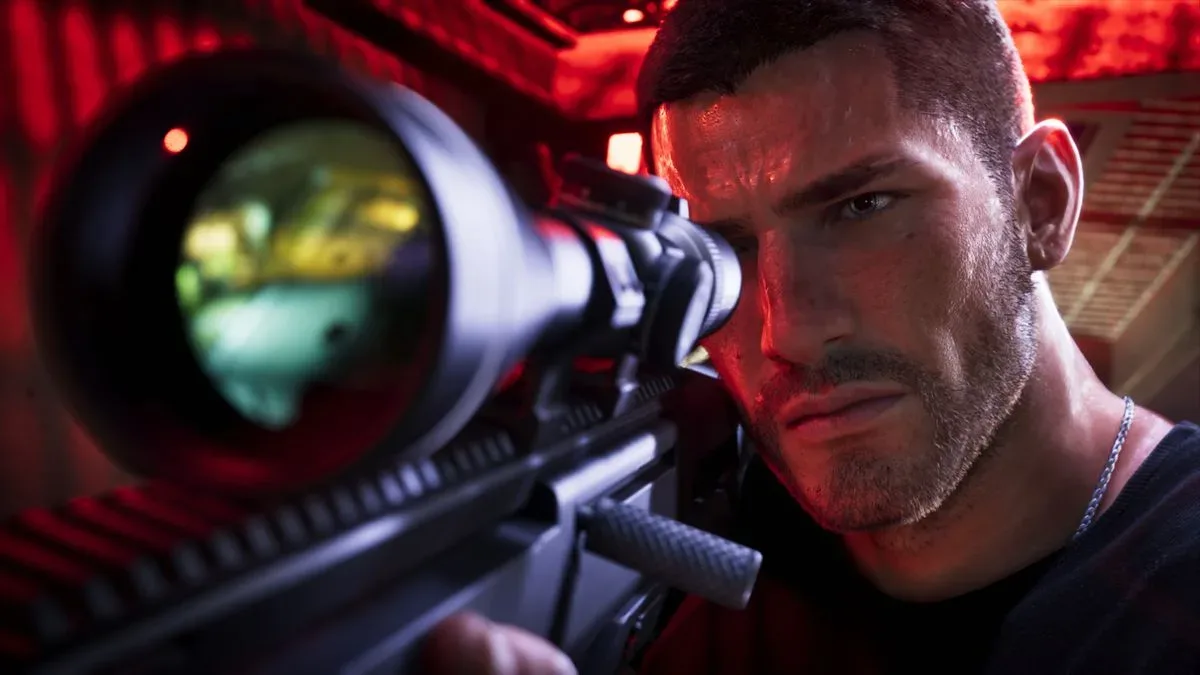
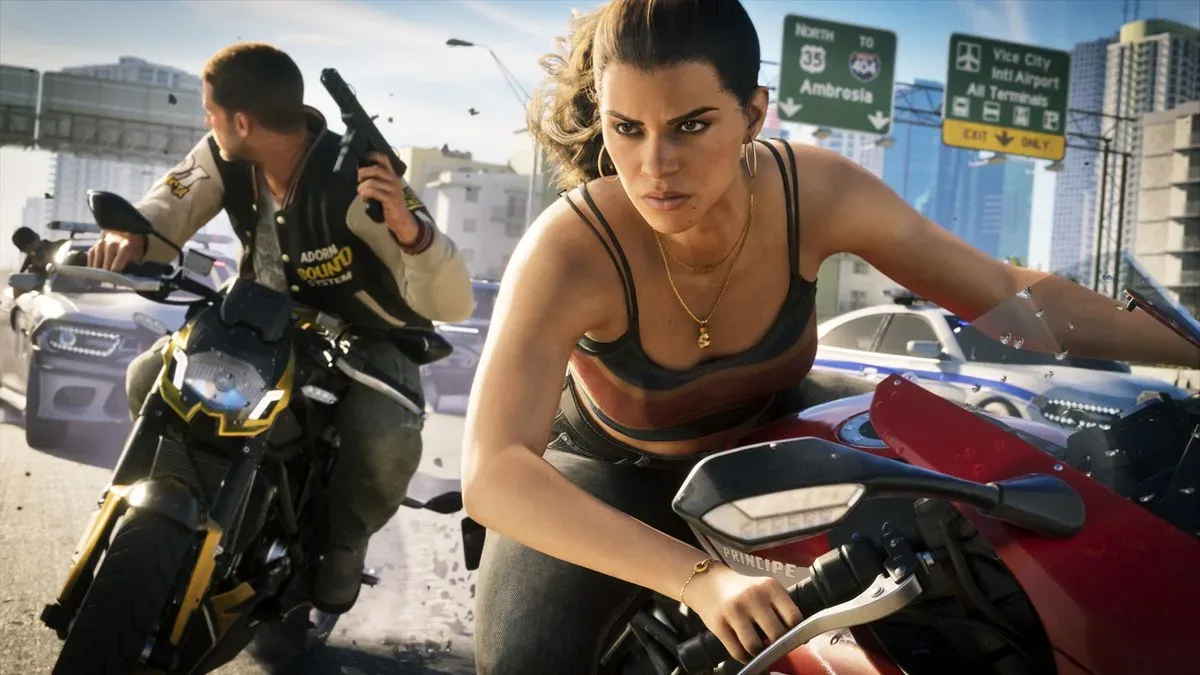
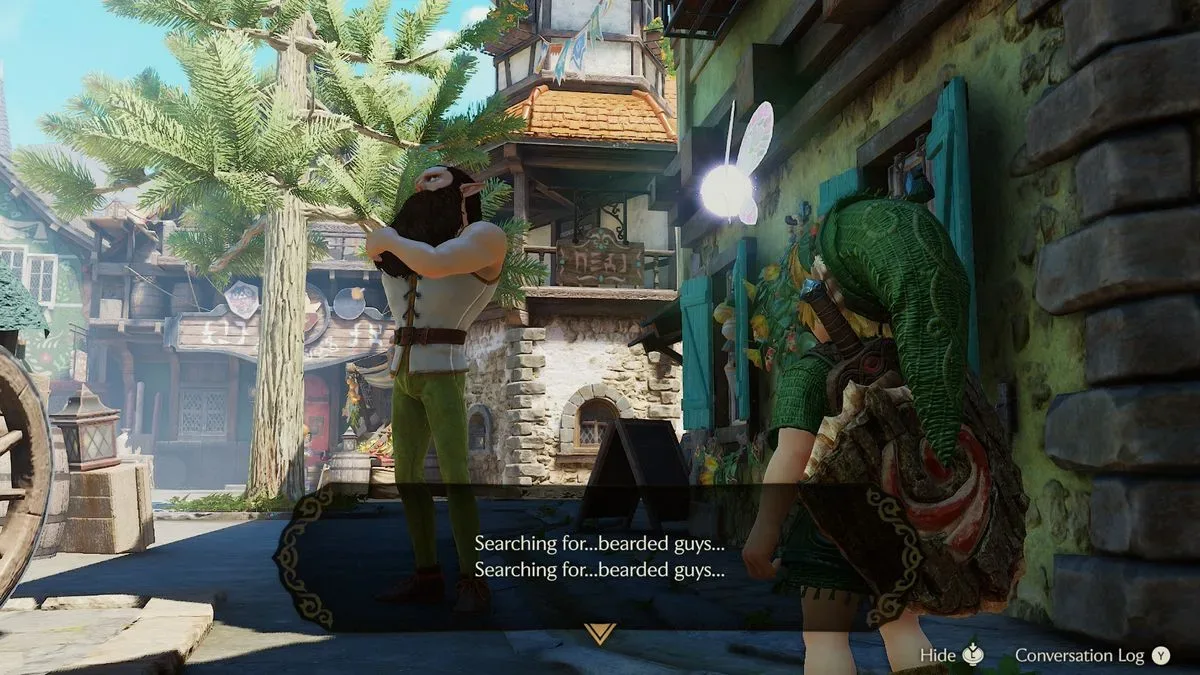
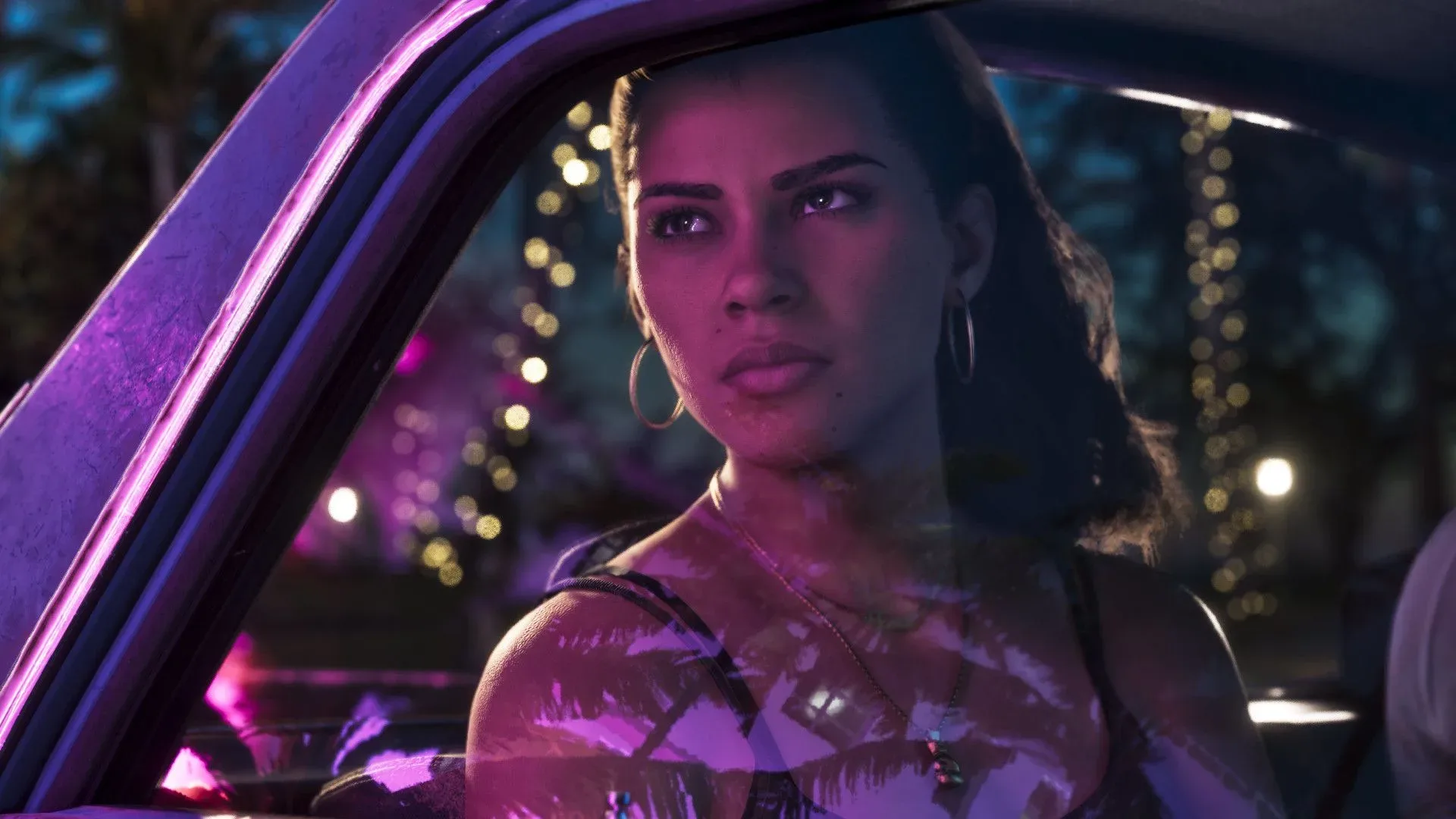
Grand Theft Auto 6, Rockstar Games’ long-awaited open-world release, has reportedly generated an estimated $1.45 billion while being available in an all-digital form. Crucially, there is no GTA 6 Online component alongside it at launch. Meanwhile, The Legend of Zelda: Ocarina of Time remake became the best-selling physical game of 2026 in the United States after only one week on store shelves. Both are fundamentally solo adventures, but the similarities largely stop there.
One is a mature crime-story sandbox built around a huge contemporary world; the other is a fairy-tale adventure in one of Nintendo’s most enduring series. Their commercial momentum does not establish that every offline game will succeed, nor does it make multiplayer irrelevant. What it does show, rather loudly, is that players will still turn out in enormous numbers for a polished, self-contained game with a compelling world and a clear creative identity.
Two successes, not one narrow formula
It would be easy to dismiss these results as inevitable because Grand Theft Auto and Zelda are both famous names. Brand recognition matters, of course, and neither franchise began this month with the burden of anonymity. But that explanation is incomplete. A well-known name may persuade people to notice a game; it cannot by itself explain why they buy, play and continue talking about it.
GTA 6 arrived after a 13-year wait. Its performance suggests that the appetite for a major new single-player Grand Theft Auto was not diminished by the lack of an immediate online counterpart. A sandbox is a game world designed to let players approach activities and objectives with a considerable degree of freedom. In this case, that freedom is paired with a structured single-player story rather than being contingent on a social lobby, squad or ongoing online service.
The game’s reception reinforces that point. Its 99 Metacritic score puts it level with the original Ocarina of Time in the aggregate ranking mentioned here. An aggregate score is not a substitute for an individual player’s taste, and it certainly cannot predict every game’s future. Still, a near-unanimous critical response can make a useful broader point: technical scale and solo storytelling are not mutually exclusive ambitions.
Ocarina of Time remake supplies the opposite kind of evidence. Its immediate physical-sales result speaks to a game that is not defined by the sprawling, modern crime-sandbox model at all. It is an accessible fantasy adventure, rooted in exploration, atmosphere and a familiar heroic structure. The remake’s success is a reminder that “single-player” is a mode of engagement, not a genre. It can describe a massive city simulation, a compact puzzle game, a role-playing adventure or a classic quest rebuilt for a new audience.
The useful lesson is not that one design should replace every other kind of game. It is that solo games remain commercially and creatively viable when the experience gives players a reason to care.
Related coverage includes GTA 6 and Ocarina of Time Remake Show Single-Player Games Still Rule.
What “live service” means—and what these releases do not prove
Live service is a business and development approach in which a game is intended to operate over a long period through regular updates, online events or other continuing engagement. That format can create memorable social experiences, and playing with friends remains one of gaming’s great pleasures. It also asks studios to support a game continuously and to compete for a limited pool of player time.
The recent difficulties around big online initiatives make that competition impossible to ignore. PlayStation’s attempt to build multiple live-service games has struggled, with Fairgames joining an already troubled slate of online projects. That does not mean online games have no future. It means that a costly online plan is not an automatic route to durable success merely because it promises repeat engagement.
This is where GTA 6’s initial all-digital performance is especially notable. Digital-only describes distribution rather than design: players buy and download the game instead of purchasing a disc. But the distinction matters in this case because the reported $1.45 billion estimate came without the boost of a physical edition and without GTA 6 Online at launch. Readers weighing the implications of that launch structure can also see how a code-in-a-box debate has framed some of the trade-offs of digital-only releases.
None of this is an argument that a game needs to be offline to be worthwhile. It is an argument against treating perpetual online design as a universal answer. Multiplayer and single-player games satisfy different needs. A shared match or co-op session can create stories that exist because other people were there. A solo adventure can offer concentration, pacing and emotional intimacy on the player’s own terms. The medium is richer when both are allowed to exist.
The harder context behind the optimistic headline
There is a reason the “single-player games are dead” claim has lingered. In 2010, EA said they were “finished,” a statement that became a touchstone for a wider industry belief that social and connected experiences would displace standalone adventures. The years since have included major successes for single-player games, yet the conversation has kept returning as development costs rise and publishers look for reliable revenue.
Recent layoffs make the question more painful than a simple format debate. BioWare, the EA-owned studio associated with landmark offline role-playing games, closed last month. The studio had also worked in the live-service space with Anthem and early versions of Dragon Age: The Veilguard. Its closure should not be reduced to a tidy morality tale about one genre defeating another. Studio closures and job losses are far more serious than a talking point. But the situation does expose the risk in assuming that chasing a prevailing market model is safer than investing in the strengths that made a developer distinctive.
Larian Studios head Swen Vincke has offered the clearest rebuke to the old prediction: single-player games are not dead; they need to be good. It is a deceptively simple observation. “Good” does not mean every title requires the scope, budget or brand history of GTA 6. It means the game needs a coherent reason to exist—whether that is a strong story, engaging mechanics, unusual art direction, satisfying exploration or a focused idea executed well.
That standard is also important for games outside the AAA spotlight. The single-player conversation can become distorted when it only measures the largest releases, the largest publishers and the largest sales totals. Solo-focused independent games can succeed too, even when their achievements do not arrive with billion-dollar estimates or a best-selling physical-game headline. A healthier view of the format leaves room for those projects instead of using only blockbuster performance as proof of life.
Why the contrast between GTA and Zelda matters
The strongest evidence in this moment may be the contrast between the two games. GTA 6 and Ocarina of Time remake are not succeeding because they look alike or because they ask players to enjoy a single prescribed kind of adventure. Their shared trait is confidence in the value of a designed experience that can be undertaken alone.
For GTA 6, that means a high-fidelity sandbox and a story set within it. High fidelity, in this context, refers to the degree of detail and believability achieved in the game’s presentation and world design. It is a description of ambition, not a genre. The player can inhabit a lavishly constructed space while still following a narrative intended for a single person’s journey through it.
For Ocarina of Time remake, the appeal rests in an adventure framework that has endured long enough to warrant a modern return. Its rapid physical performance makes clear that nostalgia alone is not the whole story. A remake must still persuade audiences that revisiting a known world has value. Its reception indicates that players remain interested in a guided, authored fantasy quest alongside the broad freedom of open-world play.
That breadth should matter to players deciding what they hope publishers fund next. The objective is not to demand that every studio build the next Grand Theft Auto or revive a revered Nintendo classic. Those are exceptional circumstances. The more practical takeaway is that publishers should avoid viewing one revenue model as a substitute for creative judgment. A smaller, more focused solo project may be right for one team; a long-running online game may be right for another. The choice should follow the game’s actual strengths rather than a blanket industry slogan.
A useful correction, not a victory lap
It is tempting to respond to huge numbers with a new absolutism: single-player won, online games lost. That would repeat the same mistake behind the old “finished” declaration. Games are not a zero-sum contest between solitude and sociability. Players can spend one night in a multiplayer session with friends and another absorbed in a story-driven world alone. The formats coexist because they meet different moods and expectations.
Still, November provides a necessary correction. GTA 6 has made an estimated $1.45 billion in an all-digital launch without GTA 6 Online present, and Ocarina of Time remake became the United States’ top-selling physical game of 2026 within a week. Those facts are too substantial to wave away as an exception to a supposed rule that solo games no longer matter.
They instead reinforce a less dramatic, more valuable truth: single-player gaming was never a relic awaiting replacement. It remains a flexible creative form, capable of encompassing enormous open worlds and storybook adventures, established icons and smaller projects. Success is never guaranteed, especially in a period marked by instability and layoffs. But the demand for meaningful solo experiences is plainly still there—and these two releases make the case with unusual force.