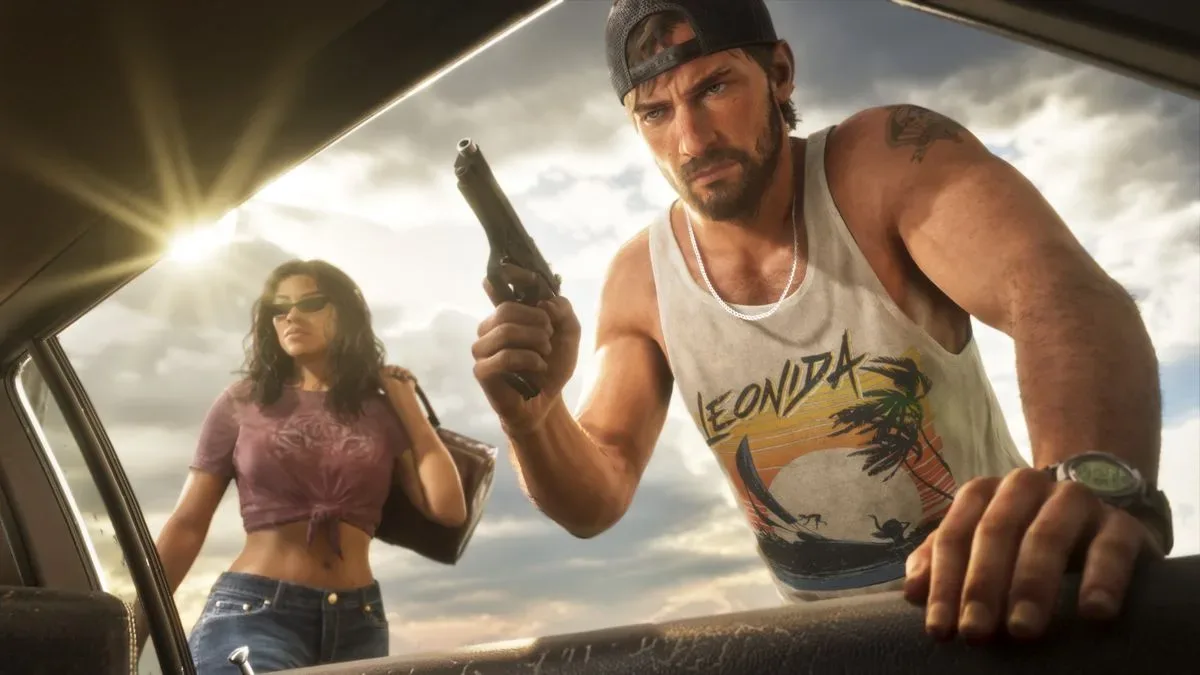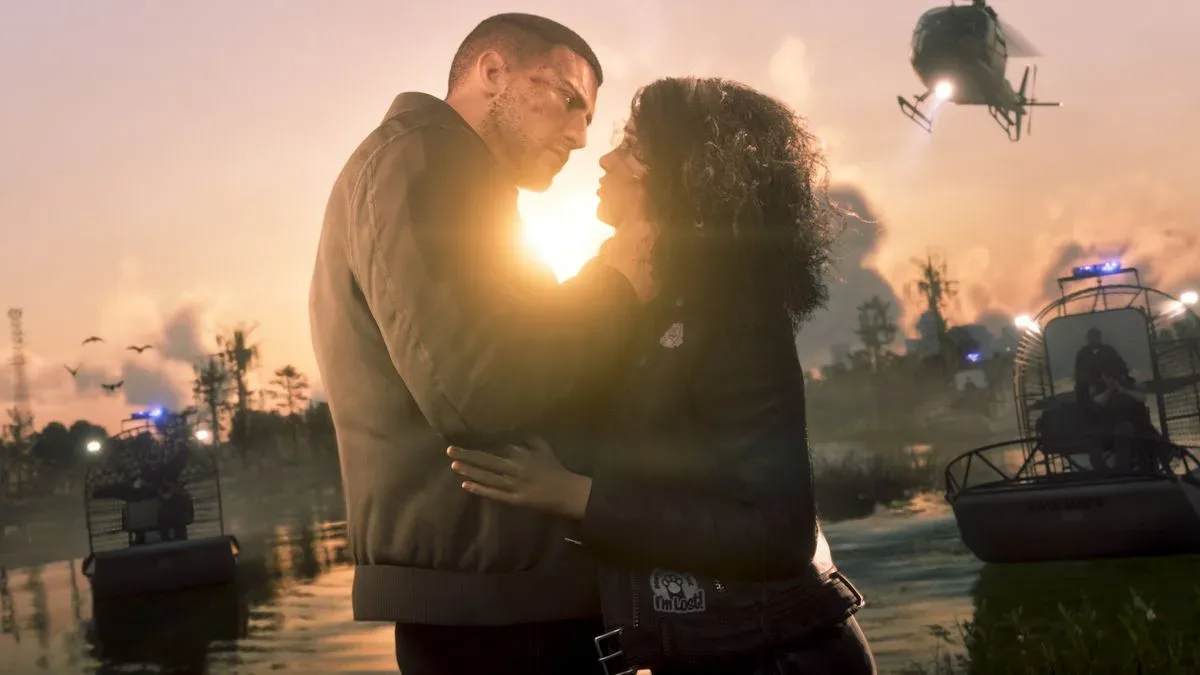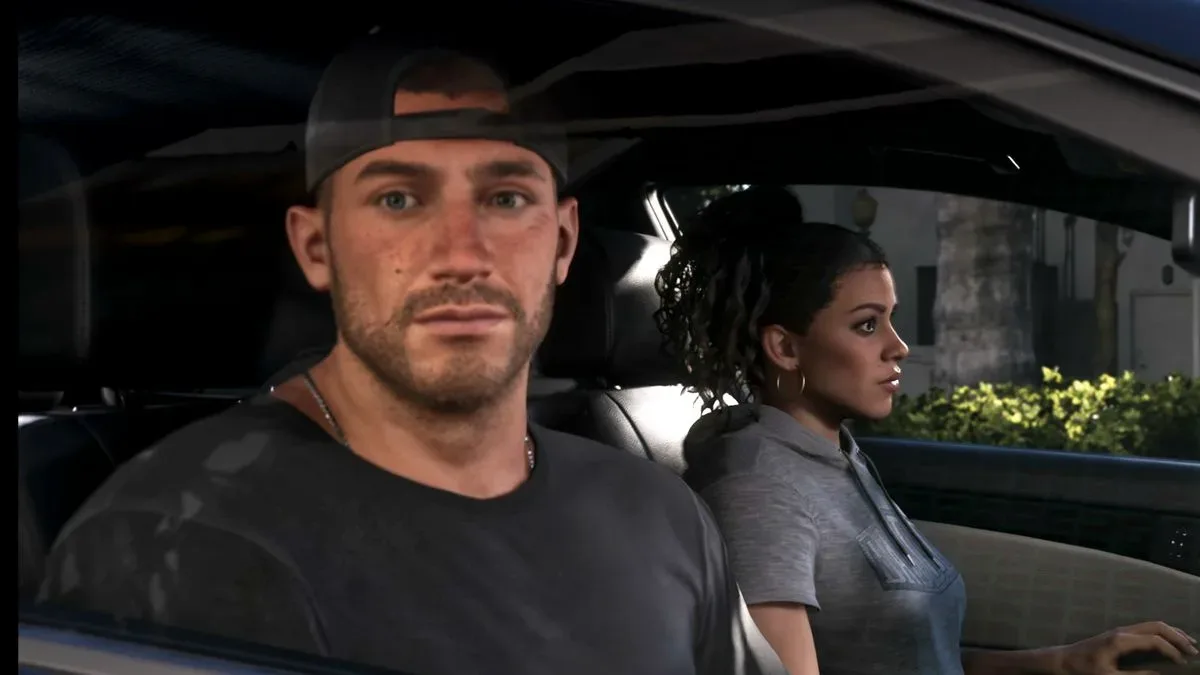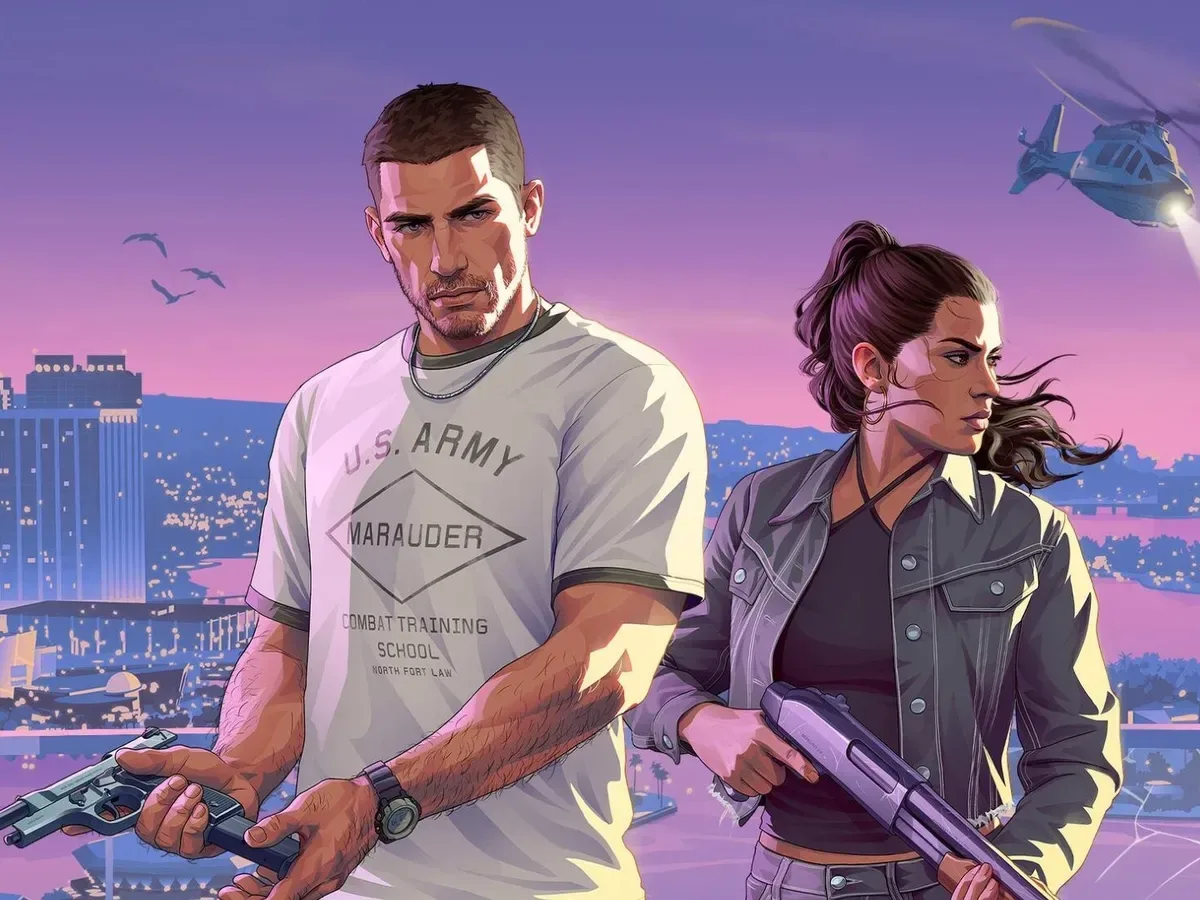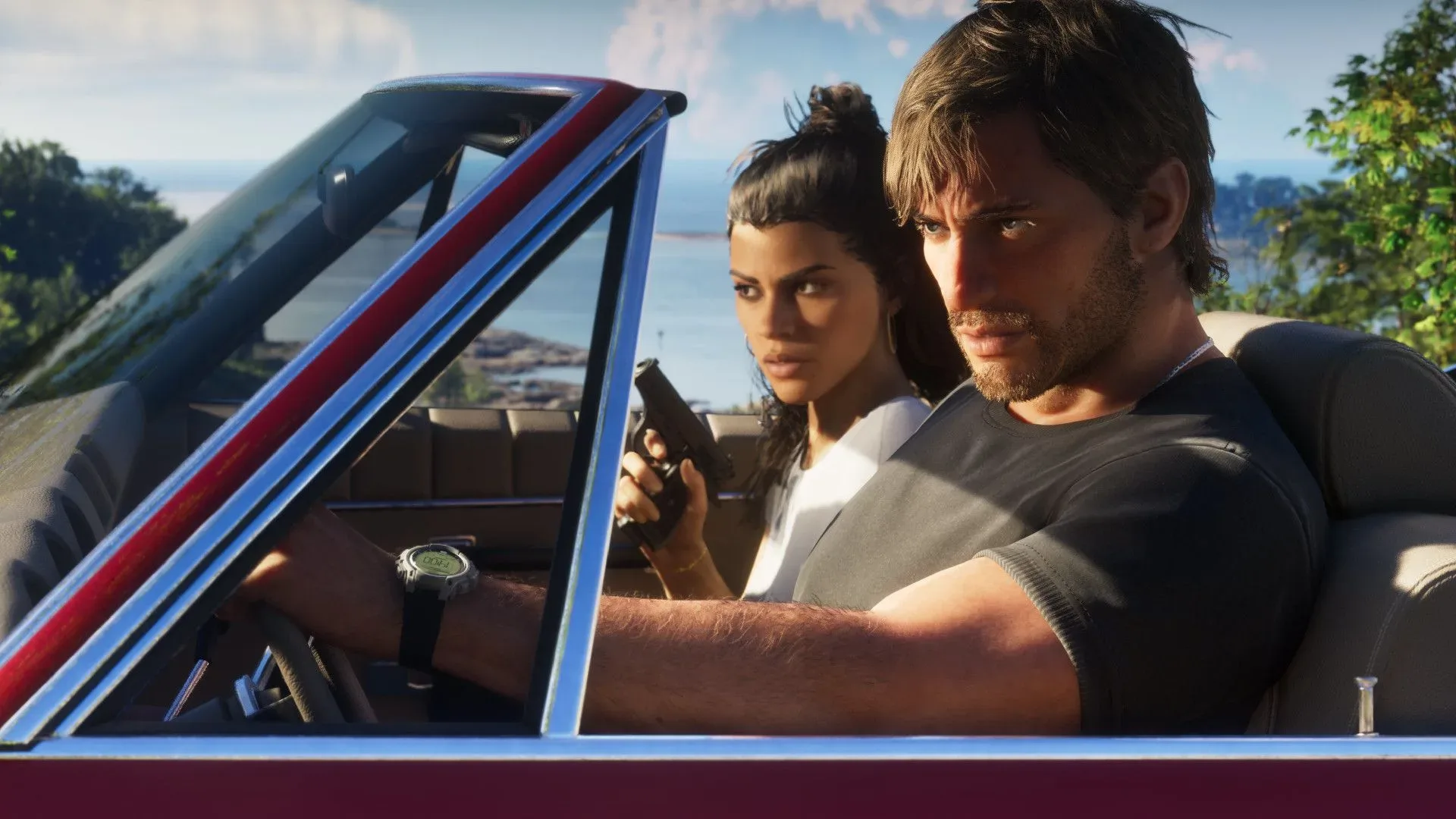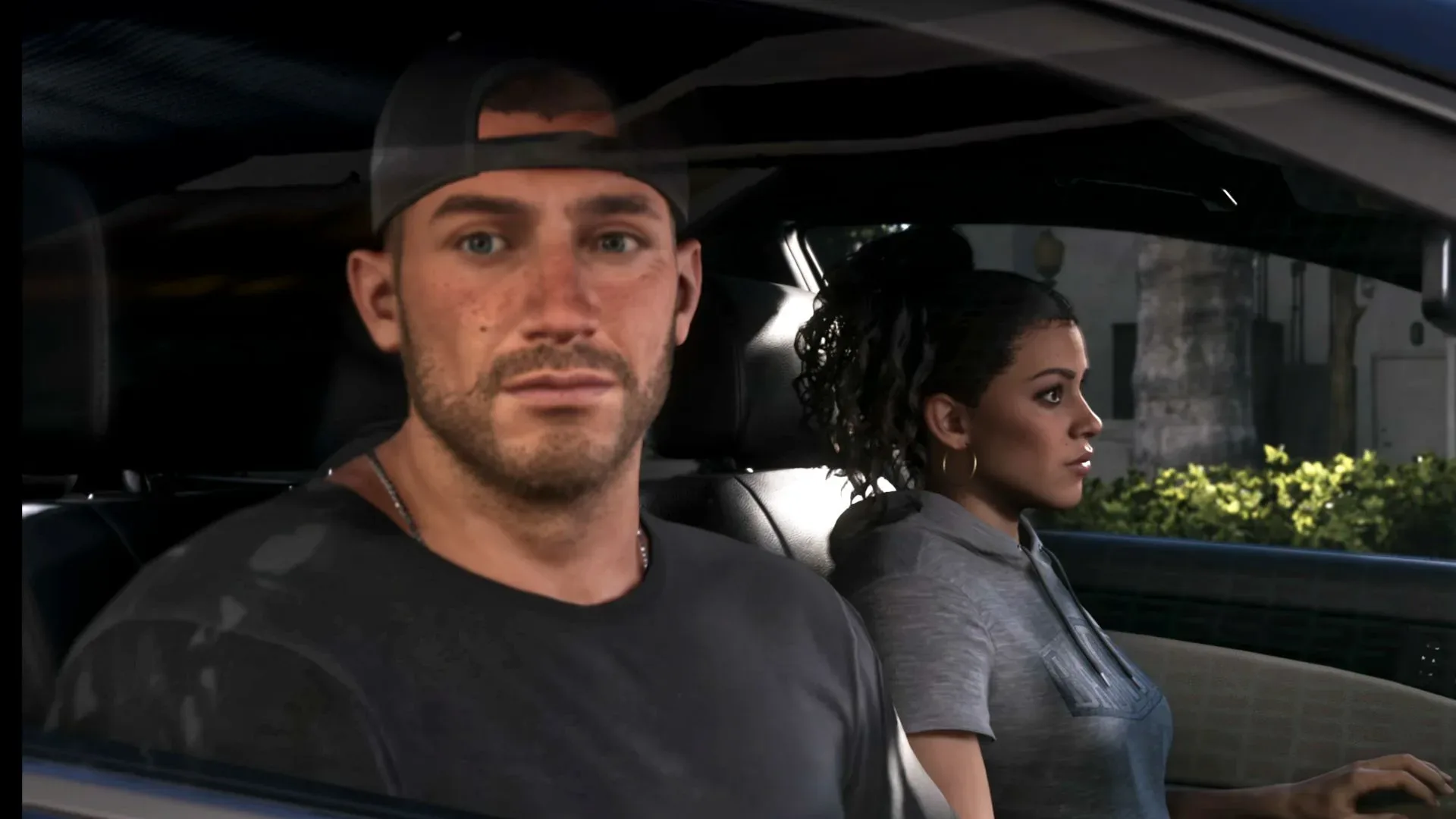
Grand Theft Auto VI appears set to make a very deliberate trade on current consoles: a 30-frames-per-second presentation on PlayStation 5 and Xbox Series X, with PS5 Pro in the same broad performance conversation. That choice is understandable for a game trying to sustain a dense city, large crowds, detailed animations, seamless character switching and ray-traced shadows all at once. It is also exactly the sort of decision that leaves a substantial group of players looking toward a future PC version.
Neither reaction needs to be treated as a failure of taste. A lavish 30 FPS game can be impressive, playable and artistically coherent. But a player who would gladly trade some image quality for a stable 60 FPS is not asking for the impossible merely because the trade is technically difficult. They are stating a preference about what they feel while playing.
For GTA 6 in particular, that preference carries more weight than it might in a slower game. Grand Theft Auto is not a pure twitch-action game, but driving through a busy city, aiming during gunfights and rapidly responding to open-world chaos are all activities where motion clarity and input response matter. The spectacle may be the first thing seen in a trailer; the moment-to-moment handling is what players live with for dozens of hours.
What 30 FPS and 60 FPS actually change
FPS, or frames per second, is the number of complete images a game delivers each second. At 30 FPS, a new frame is presented roughly every 33 milliseconds. At 60 FPS, that interval falls to roughly 17 milliseconds. That does not mean every aspect of input latency is instantly cut in half, since displays, controllers and game processing also add delay. It does mean the game has more frequent visual updates and more opportunities to reflect a player’s input.
The visible result is usually easiest to notice during camera movement, fast driving and panning across detailed scenery. At 60 FPS, motion tends to look clearer and control can feel more immediate. At 30 FPS, the experience can still be entirely serviceable, especially when frame pacing is consistent, but it has less temporal information: fewer snapshots of moving objects are being delivered to the screen.
Frame pacing is important here. A locked 30 FPS that presents frames evenly can feel far better than a game which nominally reaches higher numbers but repeatedly stutters or dips. The debate is therefore not really “30 is unplayable” versus “graphics are all that matter.” Stable performance is foundational at either target. Once stability is achieved, the question becomes which target best fits the kind of game and the individual player.
That distinction also explains why people can reasonably have different thresholds. Turn-based combat and modest camera motion may not gain much in practical playability from moving beyond 30 FPS. Fast martial-arts action, racing and competitive shooting make the benefits much harder to ignore. GTA sits somewhere in between, but its driving and shooting mean it is not immune to the appeal of smoother performance.
A giant open world is not a graphics slider
It is tempting to imagine that a 60 FPS mode is simply a matter of lowering resolution, removing a few reflections and calling it a day. In practice, a modern open-world game’s performance budget is shared by far more than the pixels on screen.
Related coverage includes GTA 6 at 30 FPS Rekindles the Performance Mode Debate.
GTA 6 is expected to depict a sprawling city populated by dense NPC activity, complex environmental detail and elaborate animation work. All of that can create demands on a system’s processor as well as its graphics hardware. The processor side is particularly relevant for simulations, crowd behavior, streaming a world as the player moves through it, gameplay systems and other work that does not disappear just because the image is rendered at a lower resolution.
Ray tracing is one of the visual technologies in this discussion. It is a rendering approach used to model the behavior of light more physically, potentially improving elements such as shadows, reflections and ambient lighting. It can be striking, but it is demanding. Ray-traced shadows have become a prominent part of the PS5 Pro conversation surrounding GTA 6, yet their value is inherently subjective. Some players will see a major atmospheric gain; others would rather have conventional shadows and a faster frame rate.
That is the central constraint: lowering graphical fidelity may help, but it cannot automatically solve every performance bottleneck. Crowd density, simulation and streaming workloads can place limits on a higher frame-rate mode. Rockstar’s apparent preference for 30 FPS should therefore be read as a creative and technical prioritization rather than proof that developers overlooked an obvious menu toggle.
Still, understanding the difficulty does not obligate players to prefer the result. A 60 FPS option would require compromises, potentially substantial ones, and some players would enthusiastically accept them. Fewer visual flourishes, a lower resolution, reduced ray-tracing effects or less dense scenes may be a bargain rather than a sacrifice to anyone who prioritizes controller response and fluid motion.
Why PS5 Pro questions will not go away
The PS5 Pro makes the conversation sharper because premium hardware is usually evaluated through expectation as much as specification. If a high-profile game remains aimed at 30 FPS across PS5, Xbox Series X and PS5 Pro, prospective buyers naturally ask what the more powerful console changes for this particular release.
The answer does not have to be “nothing.” Better image quality, more advanced shadow rendering or other visual refinements can matter. But those benefits will not satisfy a player whose main reason for spending more would be access to a 60 FPS mode. A graphical upgrade and a performance upgrade are not interchangeable rewards, even if both are technically improvements.
That disconnect is at the heart of the debate explored in the wider question over what PS5 Pro is buying GTA 6 players. Hardware has no universal “better” setting. It has a set of trade-offs, and the usefulness of those trade-offs depends on what a buyer values before they ever open a settings menu.
For the player who wants the cleanest possible image and the richest lighting, 30 FPS may be a reasonable, even preferable, endpoint. For the player who always chooses a performance mode, it can make expensive new hardware feel oddly disconnected from the improvement they most want to experience. Both positions are more precise than simply declaring the console powerful or weak.
The performance-mode generation has changed expectations
This generation has helped make performance options a more visible part of console culture. Players have become used to choosing between a fidelity-focused mode and one that targets smoother gameplay in many releases. That menu-level choice has educated people about trade-offs that were once largely hidden behind a developer’s single fixed configuration.
As a result, the absence of a 60 FPS choice can feel more conspicuous now than it would have years ago. The feeling is not necessarily that every game must hit 60 FPS. It is that players have learned what they prefer, and they increasingly expect the option when a game’s design can accommodate it.
Storage is another meaningful current-generation improvement, particularly with M.2 NVMe SSDs. Faster storage can greatly reduce loading interruptions and assist a game in moving data around more efficiently. That is a genuine quality-of-life benefit in large worlds. Yet quick loading and high frame rate solve different problems. An SSD can make getting into the city feel faster; it does not by itself guarantee the city will update at 60 FPS once the player is there.
This is why “the consoles are much more powerful than the last ones” does not settle the argument. Developers can spend added capability on larger worlds, more detailed models, lighting, animation, density and simulation. Those improvements are real, but they can consume the very headroom that players hoped would instead be spent doubling the frame rate.
PC waiting is a preference, not a promise
Waiting for a PC release is a sensible personal choice for anyone who ranks performance first, but it should not be treated as a guarantee of effortless 60 FPS. PC performance depends on the eventual version, available settings, hardware and optimization. None of that can be assumed from the console target alone.
What PC can plausibly represent is flexibility. A player may be willing to lower resolution or visual settings, disable costly effects, or otherwise tune the game toward their preferred balance. That freedom is especially attractive when someone’s acceptable image-quality floor is already well below the extravagant realism modern blockbuster games pursue.
There is also a broader consumer point beneath the FPS argument. Not everyone wants to chase increasingly costly hardware for subtler improvements in shadows, surfaces and character detail. For some, a game that resembles a polished late-generation PS4 title but runs cleanly at 60 FPS would be more compelling than a more technically ornate 30 FPS showcase. That is not anti-technology; it is a different definition of what makes technology valuable.
The useful version of the GTA 6 argument
The least useful framing says that a game at 30 FPS is automatically bad, or that anyone asking for 60 FPS is insensitive to development realities. The useful framing recognizes that Rockstar appears to be building an unusually ambitious package and has seemingly elected to preserve its visual and world-detail goals at a 30 FPS target on current consoles.
That decision may deliver an extraordinary-looking open world. It may also leave players who are sensitive to motion and responsiveness wishing for a different set of compromises. They do not need GTA 6 to look worse in some abstract sense. They need it to spend more of its finite technical budget on the parts of the experience that register most strongly in their hands.
For those players, the PC wait is not a rejection of GTA 6’s ambition. It is an acknowledgement that smoothness is part of presentation, too. A convincingly lit street, finely animated pedestrian or carefully rendered shadow can enrich a scene. But when the car turns, the camera swings and the action erupts, the rate at which that world responds remains a feature players can feel every second.