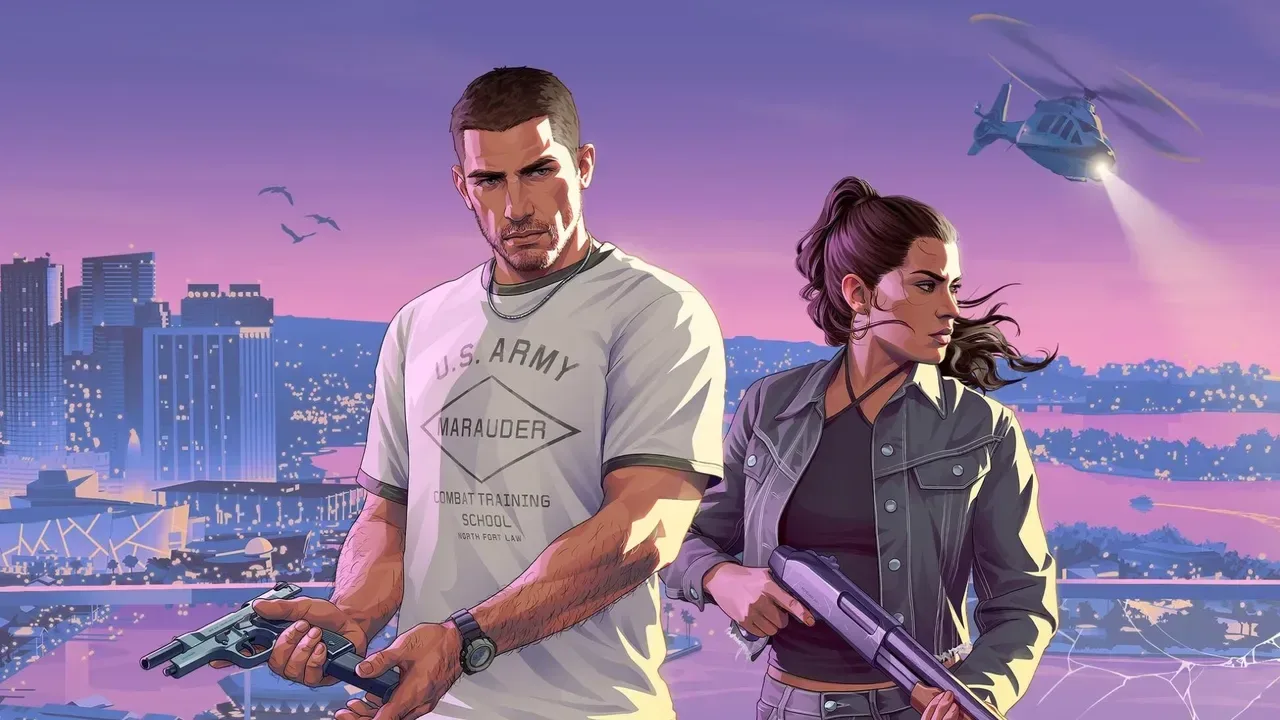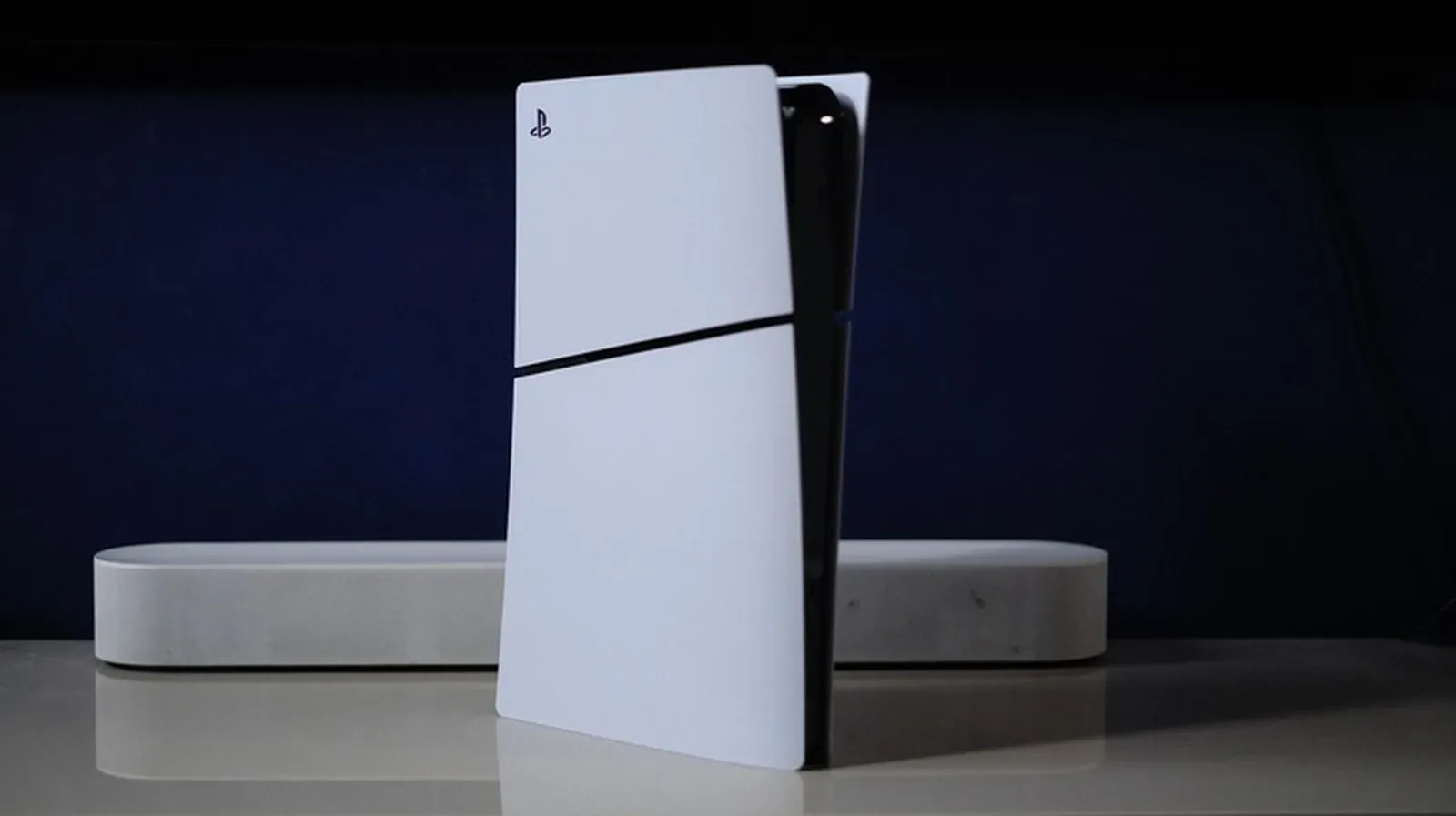
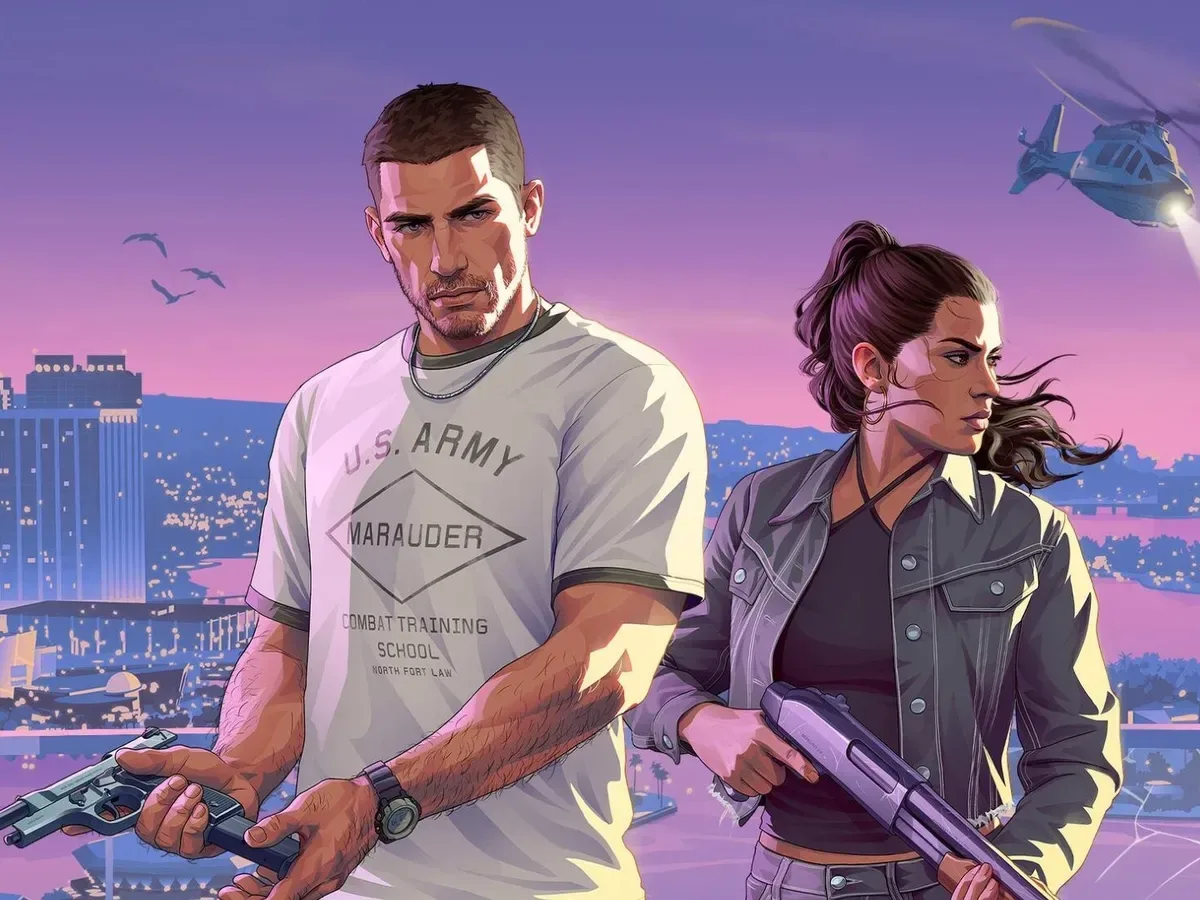
Grand Theft Auto VI is targeting 30 frames per second on consoles, including PlayStation 5 Pro, settling one of the biggest technical questions hanging over Rockstar’s next open-world blockbuster just nine days before launch. It has also ignited an argument that is bigger than one number on a settings screen: what should players reasonably expect from an expensive mid-generation console upgrade, and which compromises matter most in a game built at enormous scale?
The response has been sharply divided. One camp sees the choice as an understandable consequence of trying to run an unusually dense, visually ambitious world with many systems active at once. Another sees a 30fps cap in 2026—particularly with no indicated 40fps or 60fps performance option—as a disappointing limitation for a game arriving on premium hardware.
Both reactions are rooted in a real trade-off. A higher frame rate can make camera movement, driving and aiming look and feel more immediate. But a lower frame-rate target can give developers more time per frame for the visual detail and world simulation that define a massive open-world game. GTA 6 appears to have chosen the latter priority on console.
What 30fps means in practical terms
Frame rate is the number of complete images a game displays each second. At 30fps, the game produces a new frame roughly every 33 milliseconds. At 60fps, it has roughly half that time—about 17 milliseconds—to render each frame and complete the associated work.
That difference affects more than visual fluidity. Each frame can require the system to draw the scene and process everything the game is simulating: traffic, pedestrians, artificial intelligence behavior, animation, physics, audio and unscripted world activity. In a large city-focused game, increasing the frame rate can therefore mean reducing some other burden, whether that is resolution, ray-traced effects, graphical settings, population density, simulation complexity, or a combination of them.
This is why a number of players have reacted to the 30fps target with resignation rather than surprise. Their argument is that GTA 6’s apparent priority is a richly populated, graphically intensive world, and that attempting 60fps could demand cuts to the very systems that make that world feel alive.
That reasoning should not be confused with a guarantee about the precise compromises Rockstar faced. The available information does not detail the game’s individual technical settings, its internal resolution, or which systems most constrain performance. Still, the broad principle is straightforward: a game can be limited by graphical rendering work, by CPU-side simulation work, or by both. A resolution reduction may help rendering performance, but it does not automatically solve a workload tied to simulation, AI, or crowd and vehicle activity.
The missing option is central to the criticism
The frustration is not only that GTA 6 is targeting 30fps. It is also that the game does not appear to offer the kind of performance mode many players now expect in major releases.
Related coverage includes GTA 6's 30fps Console Target Sparks Debate Ahead of Launch.
Performance modes generally seek a higher frame rate by accepting a visible or technical compromise. That might mean lower resolution, reduced or disabled ray tracing, lighter visual effects, or changes to other demanding features. They are popular because they let players decide for themselves whether smoother motion or richer image quality is more important.
For critics of GTA 6’s approach, that choice is exactly what is missing. A player who values 60fps may be willing to trade some image quality for it. Another may prefer the fullest visual presentation at 30fps. With a single 30fps console target, that preference is not presently available as a setting.
A 40fps mode has also come up repeatedly in the conversation as a potential middle ground. It is not the same as 60fps, but it can offer a perceptible step up from 30fps for players using compatible displays, while requiring less performance than a full doubling to 60. There is no indication that GTA 6 will include such a mode, however.
Why PS5 Pro owners are feeling the sting
The news has landed especially badly with some PS5 Pro owners. The upgraded console is expected to offer benefits such as ray-traced shadows and PSSR, or PlayStation Spectral Super Resolution, an upscaling technology designed to reconstruct a higher-quality image from a lower-resolution render.
Those features can improve presentation, and they may still provide visible differences in GTA 6. But they do not necessarily turn a 30fps game into a 60fps game. If the fundamental limitation is the amount of work required to simulate the game world each frame, improved image reconstruction or visual effects capabilities may not unlock the performance result some buyers hoped for.
This is the gap between a console’s theoretical advantages and the player-facing expectation. A premium machine can help developers improve picture quality, apply more advanced lighting, or stabilize a demanding game. Yet those gains may be less emotionally satisfying to players who made an upgrade chiefly to avoid a 30fps cap.
That does not mean PS5 Pro has no role in the game’s presentation. It means that the upgrade’s value will depend on what each player prioritizes. Someone who cares most about enhanced lighting and image quality may see the benefits differently from someone who considers 60fps the baseline for an action game on premium hardware.
Stability and responsiveness still matter at 30fps
Frame rate is important, but it is not the only performance measure that shapes how a game feels. Players defending the target have pointed to Rockstar’s prior console work and argued that a stable 30fps can remain enjoyable if frame pacing and input response are handled well.
Frame pacing refers to the consistency of time between frames. A game can average 30fps while still feeling uneven if frames arrive at irregular intervals. A consistent 30fps presentation is generally more comfortable than one with frequent dips or unstable delivery.
Input latency is the delay between a button press and its visible result on screen. It is related to frame rate but not identical to it. Higher frame rates can reduce the wait for a newly processed frame, but controls, display processing and other parts of the pipeline also influence responsiveness. For a game centered on driving, shooting and rapid movement, players will be closely watching both consistency and control feel after launch.
The key point is not that 30fps and 60fps feel identical—they do not. It is that a stable, responsive 30fps experience can be preferable to a higher target that cannot be maintained reliably. GTA 6’s launch will provide the first meaningful opportunity to judge that practical result.
A familiar debate, with unusually high stakes
The reaction also reflects the game’s exceptional level of anticipation. PlayStation and Xbox have said GTA 6 is the most pre-ordered title in each platform’s history, and the game’s download size is expected to be nearly 212GB. Pre-loading is already available, an important consideration for anyone hoping to play immediately at release with a slower internet connection.
With expectations that high, technical decisions receive the kind of scrutiny normally reserved for hardware launches. Some players have even indicated they will wait for a later version rather than play at 30fps now. That is a personal buying decision rather than evidence of a wider shift, but it shows how strongly frame-rate preference can influence the audience for a major release.
Comparisons with other games have also surfaced. Critics note that titles have faced harsh reactions for being locked to 30fps before later receiving 60fps support. The implication is not that every project has the same technical needs; open worlds, engines and platform targets differ. It is that players want a consistent standard when judging a high-profile release.
Rockstar’s history is part of the conversation, too. Red Dead Redemption 2 has remained at 30fps on consoles since 2018, leaving some fans doubtful that a post-launch performance upgrade should be assumed. There is currently no basis to promise one for GTA 6. It is possible that support could change after release, but players considering a purchase should treat the announced 30fps target as the relevant expectation rather than purchase on the assumption of a future patch.
PC hopes remain unconfirmed
Some fans are looking beyond the console release, speculating that a potential PC edition could offer higher frame rates and broader settings flexibility. A rumored early-2027 PC launch has circulated, but it remains unconfirmed. Rockstar has not confirmed platforms beyond PlayStation and Xbox, so it would be premature to treat a PC version, its timing, or its performance features as settled.
Xbox One cloud play has been mentioned as another route to access the game, but cloud availability does not change the stated native console performance target. It also introduces a different set of practical considerations, including connection quality and streaming latency.
For now, the clearest information is also the simplest: GTA 6 is preparing to launch with a 30fps console target, PS5 Pro included. Players who place the greatest value on a dense, visually ambitious world may accept that compromise readily. Those who consider a 60fps mode essential have a legitimate reason to pause before buying. The debate will not be resolved by the frame-rate number alone; it will be resolved by how consistently and responsively Rockstar’s enormous world actually plays when the game arrives.
For more on how console behavior and convenience settings can affect day-to-day use, see our guide to PS5 Rest Mode vs. Full Shutdown.