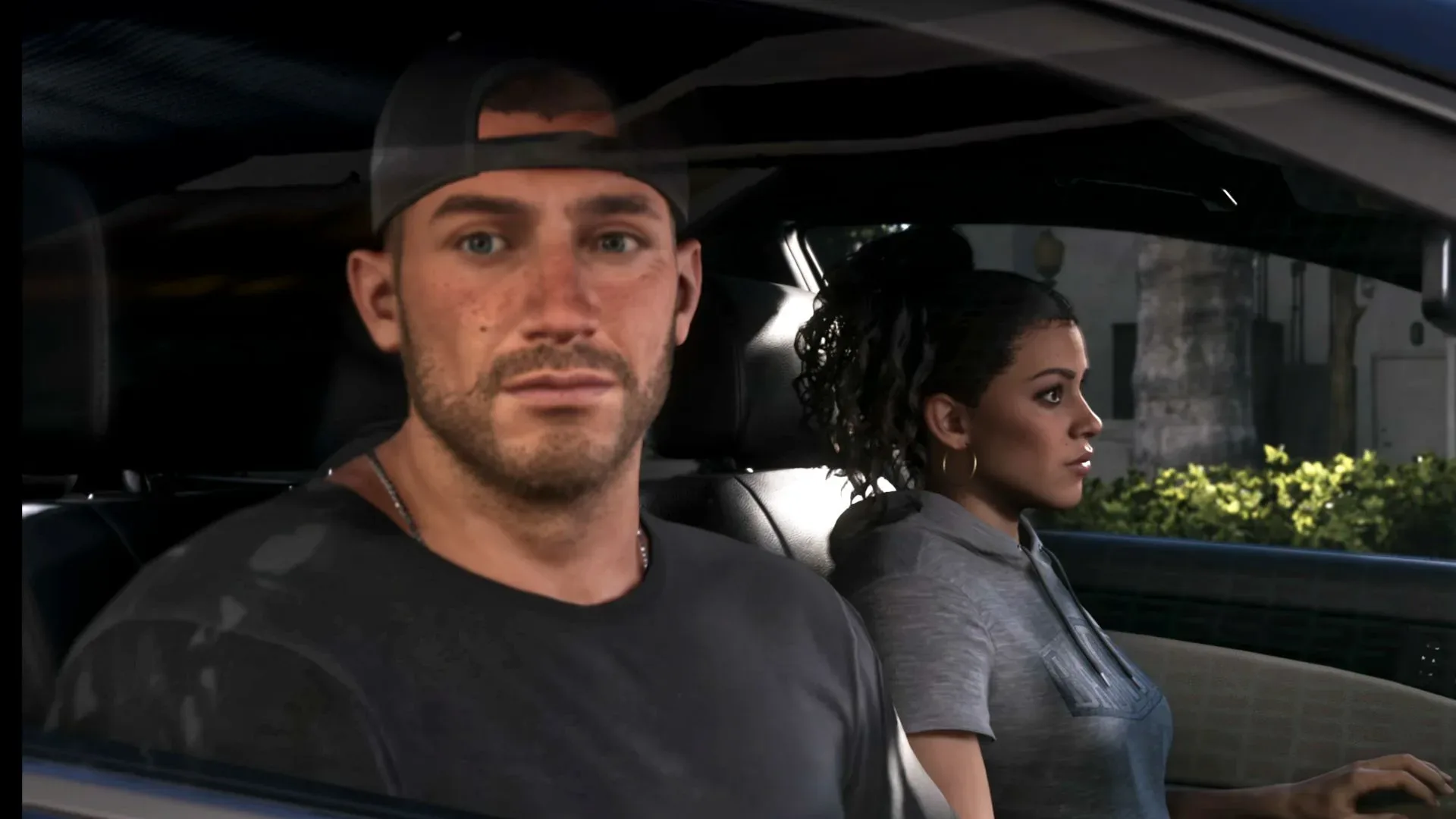

For a PC-first player, the arrival of Grand Theft Auto VI on console is not simply a release-day celebration. It is a test of priorities. The temptation is obvious: play a game that friends, colleagues and the wider gaming world are discussing right now. The counterargument is just as personal: wait for the platform where the player is most comfortable, most focused and most likely to have the experience they actually want.
That tension is especially acute around GTA 6 because this is not the sort of game that can quietly sit in a backlog while everyone politely avoids mentioning it. Its release is treated as a major shared entertainment event. Conversations will happen immediately. Players will trade anecdotes about strange encounters, side activities and story developments. Social feeds, group chats and everyday online browsing may become increasingly difficult terrain for anyone hoping to preserve surprises.
Yet “play it immediately” is not an automatically superior answer. A first playthrough matters to people, particularly for a game expected to reward close attention to its world and its characters. Choosing to wait for PC can be less about a graphics-settings arms race than a simple preference for the place, screen, controls and routine that make a long game feel like home.
The launch-day pull is bigger than simple hype
There is a practical reason a player might feel unusually compelled to join GTA 6 at launch: shared discovery has a limited window. The early period after a huge release is when friends compare what they have seen, when unexpected details are still new, and when broad discussion has not yet hardened into a pile of familiar references. Participating then can be fun in a way that cannot be fully replicated months later.
This is not merely fear of missing out in its shallowest form. It is the desire to be present for a communal cultural moment. A giant game can become a conversational backdrop, with people swapping stories of their own routes through it. Waiting potentially means missing those spontaneous exchanges, or having to avoid them to protect the story.
For GTA 6, the concern goes beyond headline plot points. The available description emphasizes two main characters who each have their own social lives and can continue their own business while the player controls the other. That is precisely the kind of detail people want to excitedly discuss, but it is also the kind of detail some players will prefer to encounter without advance explanation. A spoiler is not only the ending of a story; it can be a character beat, an activity, a surprise system, or simply knowledge that a particular possibility exists.
Readers looking to take part without having every major turn exposed may find the site’s GTA 6 discussion coverage with major story spoilers off limits a more sensible starting point than an unfiltered search or social feed. That does not eliminate the risk of learning too much, but it recognizes that launch conversation and spoiler avoidance do not have to be total opposites.
Why “wait for PC” is more than a specification-sheet argument
The stereotypical version of this debate is easy to dismiss: one side counts pixels and frames, while the other just plays games. Real preferences are rarely that neat. PC players can care about performance and still be motivated primarily by familiarity. A desk setup, a preferred monitor, a favorite controller or mouse-and-keyboard arrangement, and the ability to play in a private room all shape whether a game feels inviting.
Frames per second, usually shortened to FPS, describes how many individual images a game displays each second. A 30 FPS target means the game aims to present 30 frames in one second. Higher frame rates can make on-screen movement appear smoother when the hardware and display support them, but the number alone does not define whether a game is good or immersive. Art direction, controls, pacing, image clarity and the player’s physical setup matter too.
Still, performance is part of the decision for someone who prefers PC. The stated expectation is that a later PC edition could take advantage of newer hardware and potentially offer a step up from the console experience. That expectation should remain an expectation rather than a promise: the details of any PC release, including its features, requirements, settings and timing, should not be assumed until they are confirmed. But the preference makes sense even before a checklist exists. Some players simply want their first visit to a sprawling world to happen on the hardware they trust most.
An ultra-wide monitor is also not just an expensive bragging-rights rectangle. It is a display with a wider aspect ratio than a conventional widescreen screen. For someone accustomed to playing at a desk with that field of view close by, a living-room television across the room can feel fundamentally different—even if it is larger. The issue is not that one arrangement is universally better. It is that the preferred arrangement can make the difference between reserving time for a game and constantly finding reasons to postpone it.
The overlooked question: where can the game actually be played?
Hardware debates often overlook the physical and social conditions around a console. A living-room system may rely on a shared television. That creates scheduling friction before a game has even loaded: someone else may want the screen, someone may be in the room, and a player may only get short, interrupted sessions rather than the uninterrupted stretch they hoped for.
That problem takes on extra weight for an 18+ game in a home with children. The issue is not whether younger family members are curious; curiosity is inevitable. It is whether the content is appropriate for them to watch and whether an adult player wants every session to become a negotiation. A PC in a separate office can provide privacy and a clearer boundary. In that context, waiting is not about visual fidelity at all. It is about being able to play without worrying who walks through the room.
There is also a difference between a game that works well in short bursts and one a player wants to sink into. Console access limited by household routines can turn anticipated leisure into a series of compromised sessions. Late-night play may solve the privacy and television problem, but it introduces another compromise: fatigue. No release is improved by making sleep deprivation the only reliable route to enjoying it.
There is no perfectly clean consumer choice
The awkward truth is that the two obvious options both have costs. Buying the console version means spending money on an edition that may not be the player’s long-term preference. If a PC version follows later, they may feel pressure to buy the game again for the setup they wanted all along. They may also feel that their ideal first playthrough has been traded away for immediacy.
Waiting, meanwhile, protects the desired first experience but sacrifices the shared launch window. It asks a player to practice spoiler avoidance for an extended, uncertain period and to accept that friends may have moved through the game before they arrive. It can also make an enthusiastic player feel oddly absent from a moment they genuinely care about.
Neither choice is evidence of superior taste. Playing on console at launch does not mean a person values hype over quality. Waiting for PC does not mean they are performing contrarianism. The useful question is much narrower: which regret will linger longer? Missing early chatter and avoiding spoilers can be frustrating, but so can spending £70 ($92) on a version that does not fit one’s preferred screen, space or schedule.
A practical way to make the call
A player stuck between platforms can make the decision less abstract by treating it as a set of household and habit questions rather than a tribal platform argument.
- How often is the console setup genuinely available? Count likely uninterrupted sessions, not hypothetical ones.
- Can the game be played privately and appropriately? If not, that limitation is meaningful, not incidental.
- Would a second purchase feel acceptable? The console route may be easier to justify for someone comfortable with buying again later; it is less appealing for someone who would resent that outcome.
- How much do spoilers matter personally? Some players are happy knowing broad details. Others value surprise so highly that avoiding launch coverage is worth the inconvenience.
- Is the preferred platform about capability, comfort or both? A player who loves playing at a desk on a close monitor has a legitimate experiential reason to wait, even if the console version is impressive.
This framework does not produce one universal answer, because the trade-offs are personal. It does reveal why the decision can feel so much larger than choosing between two boxes under a television or desk. GTA 6 is being asked to fit into people’s homes, family routines, budgets and years-long gaming habits.
What the dilemma says about platform preference
Platform loyalty is often described as a contest between brands. This case suggests something more mundane and more human. A preferred platform can be tied to a person’s history with games, their work environment, their favorite control methods and the room in which they feel most able to disappear into a fictional place. For a lifelong PC player, the desire to begin GTA 6 on PC may come from accumulated routine rather than hostility to PlayStation hardware.
At the same time, massive releases expose the value of simultaneous cultural participation. The console-first player gets the immediate conversation. The PC-first player may be weighing a later, more personally suitable experience against the fleeting thrill of learning alongside everyone else. That is why this particular wait feels so difficult: the PC preference is reasonable, and the urge to join in now is reasonable too.
The best answer may not be the one that sounds most principled. It is the one that lets a player enjoy GTA 6 without turning every session into a compromise—whether that means embracing the console launch and the conversation around it, or protecting a first playthrough for the platform that feels right.