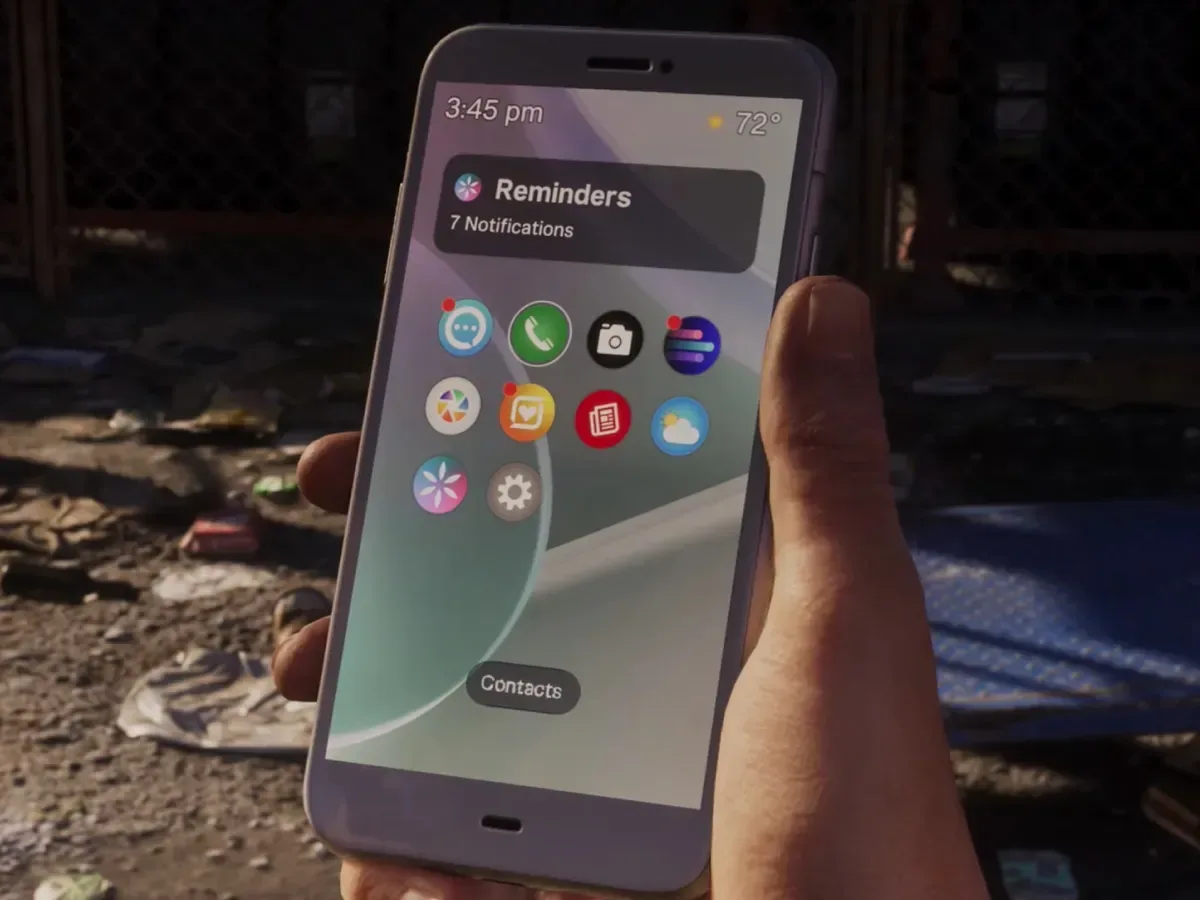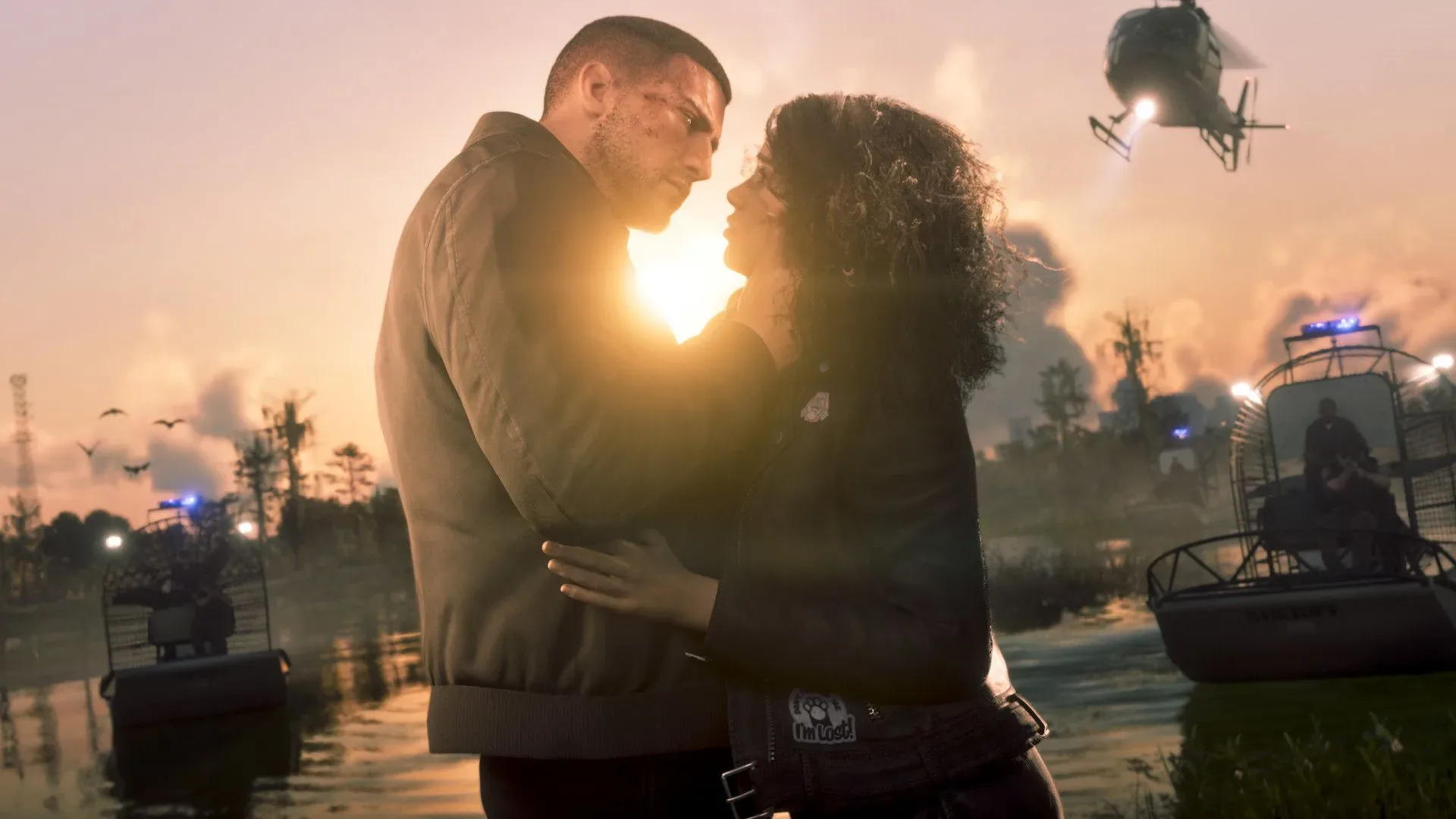
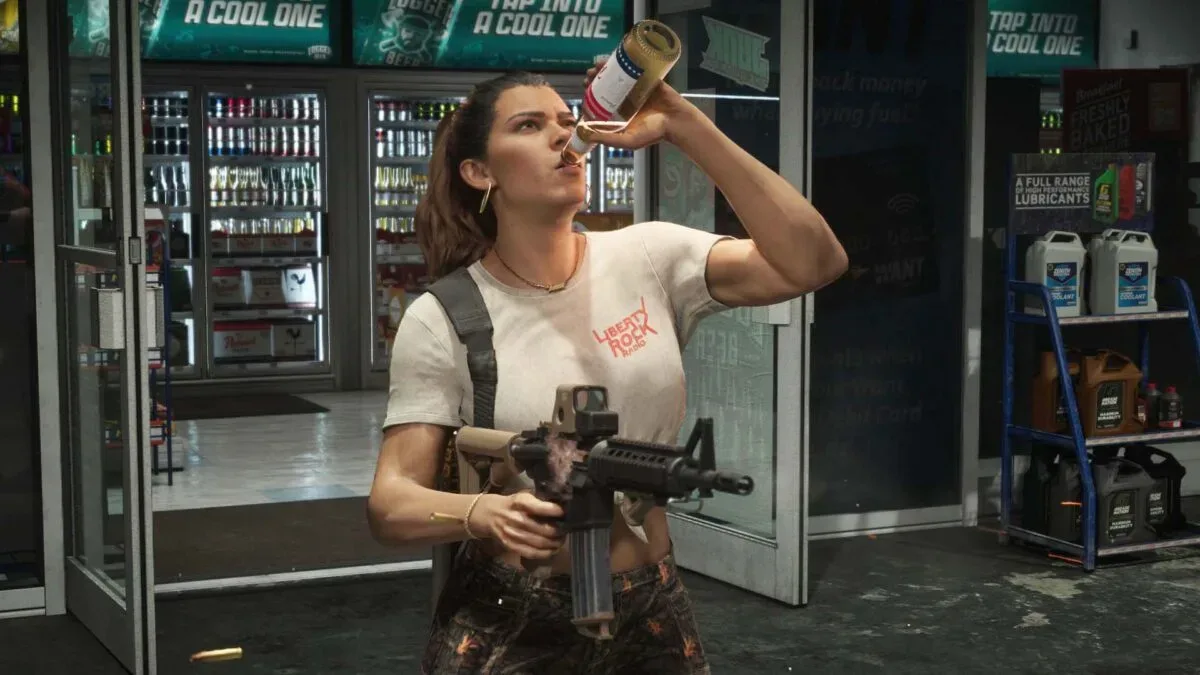
A new GTA 6 question-and-answer discussion is inviting players to ask about Rockstar’s open-world adventure after a reviewer said they had logged more than 150 hours in the game over recent weeks.
The invitation follows the lifting of the review embargo and the publication of that reviewer’s assessment. Their early verdict is emphatic: GTA 6 is described as an amazing game that surpassed their expectations. But there is one clear boundary for the conversation. Questions that would reveal major story developments, including the ending, will not be answered.
That makes the thread potentially useful for people who want a clearer picture of the game without turning the wait into an accidental plot recap. It also reflects a sensible distinction that often gets lost around a giant open-world release: there is plenty players may want to know about a game’s feel, scope, systems, and smaller details, while the narrative itself remains something many would rather encounter firsthand.
What the 150-hour figure does—and does not—tell us
More than 150 hours is a substantial amount of time with any game, especially before broad public discussion has begun. It suggests the reviewer has had room to move beyond a first-impression response and form an opinion after extended exposure to GTA 6’s open-world structure.
It does not, by itself, establish an exhaustive list of game features, a completion percentage, or confirmation of any specific activity. No such details were provided. Players should therefore treat the forthcoming answers as a potentially informed perspective on questions raised by the community, rather than as a complete catalogue of everything GTA 6 contains.
That distinction matters because “open world” is a broad genre term. In its simplest sense, it describes a game built around a navigable environment with player-directed movement and optional pursuits alongside a central progression path. How much freedom exists at any moment, how missions are structured, and which side activities are available are all separate questions. The stated invitation to ask about small details and hoped-for large features leaves room for those subjects, but it does not confirm them in advance.
A spoiler-aware way to ask about GTA 6
For anyone hoping to come away better informed without learning pivotal narrative information, the best questions tend to focus on practical play rather than outcomes. A useful question is specific enough to produce a meaningful answer, but avoids asking who lives, who changes allegiance, what happens in a major mission, or how the story resolves.
Questions that can stay useful without chasing plot twists
- How does exploration feel after many hours rather than during the opening stretch?
- Are there optional activities or environmental details that make free-roaming rewarding?
- How approachable are the game’s systems for a player returning after a long break from the series?
- Does the game encourage experimentation, or does it largely funnel players into a narrow path?
- What small quality-of-life details stood out during extended play?
- Are there aspects of the experience worth knowing before starting, without revealing story events?
These questions are framed around structure, controls, pacing, replay value, and accessibility. They can help a prospective player decide how they may want to approach the game while preserving the surprises that make a narrative-driven release land as intended.
Questions best avoided before playing
- Requests to explain the ending or a late-game reveal.
- Questions about the fate of a named character.
- Prompts to identify a “biggest twist” or most shocking mission.
- Questions that ask what a character ultimately becomes, chooses, or loses.
- Requests for a chronological rundown of late-game events.
Even a short answer to one of these can disclose more than readers intend to know. The reviewer’s stated spoiler limit is therefore not merely a formality; it sets the terms for a discussion that can serve both intensely curious fans and people trying to go in fresh.
Why the timing matters
The discussion arrives at an awkwardly familiar moment for a major game launch: some people may be ready to start immediately, while others are still waiting for access in their region or until they can buy it. A spoiler-light Q&A can be especially valuable in that gap, provided both questions and answers respect the same limits.
It may also help separate confirmed impressions from wish lists. The invitation explicitly welcomes questions about features people hope are included, but hope is not evidence. Until an answer is given, a requested feature should remain a request—not a claim about the released game. That is a small but important bit of discipline during launch-week conversation, when speculation can spread faster than verified details.
There is also a technical side to the broader GTA 6 conversation. Readers looking for a separate discussion centered on frame-rate reports across current consoles can see our GTA 6 performance coverage. Performance and gameplay impressions answer different questions: one concerns how consistently a game runs, while the other concerns what it is like to play over time. Neither should automatically be used as a substitute for the other.
Extended play can reveal more than launch-day spectacle
The strongest implication of the 150-hour claim is not a newly confirmed mechanic. It is the likelihood that questions can move beyond trailers, isolated missions, and the first few hours. Long sessions can change a player’s view of pacing, repetition, navigation, the usefulness of optional pursuits, or the degree to which a world continues to feel engaging once novelty fades.
That does not mean every answer will apply equally to every player. Open-world games invite different habits. One person may concentrate on story progression; another may spend much of their time wandering, testing systems, or looking for diversions. A detailed response is most valuable when it makes clear which kind of play it describes. Readers, in turn, can get more useful guidance by explaining what they care about: story momentum, unstructured exploration, challenge, technical smoothness, or simply the texture of the world.
For now, the confirmed takeaway is narrow but notable: someone with substantial GTA 6 playtime is taking questions, their overall response is strongly positive, and they intend to protect major story beats. That should make the conversation a better fit for players seeking grounded, non-spoiler answers than for anyone hoping for a full plot breakdown.