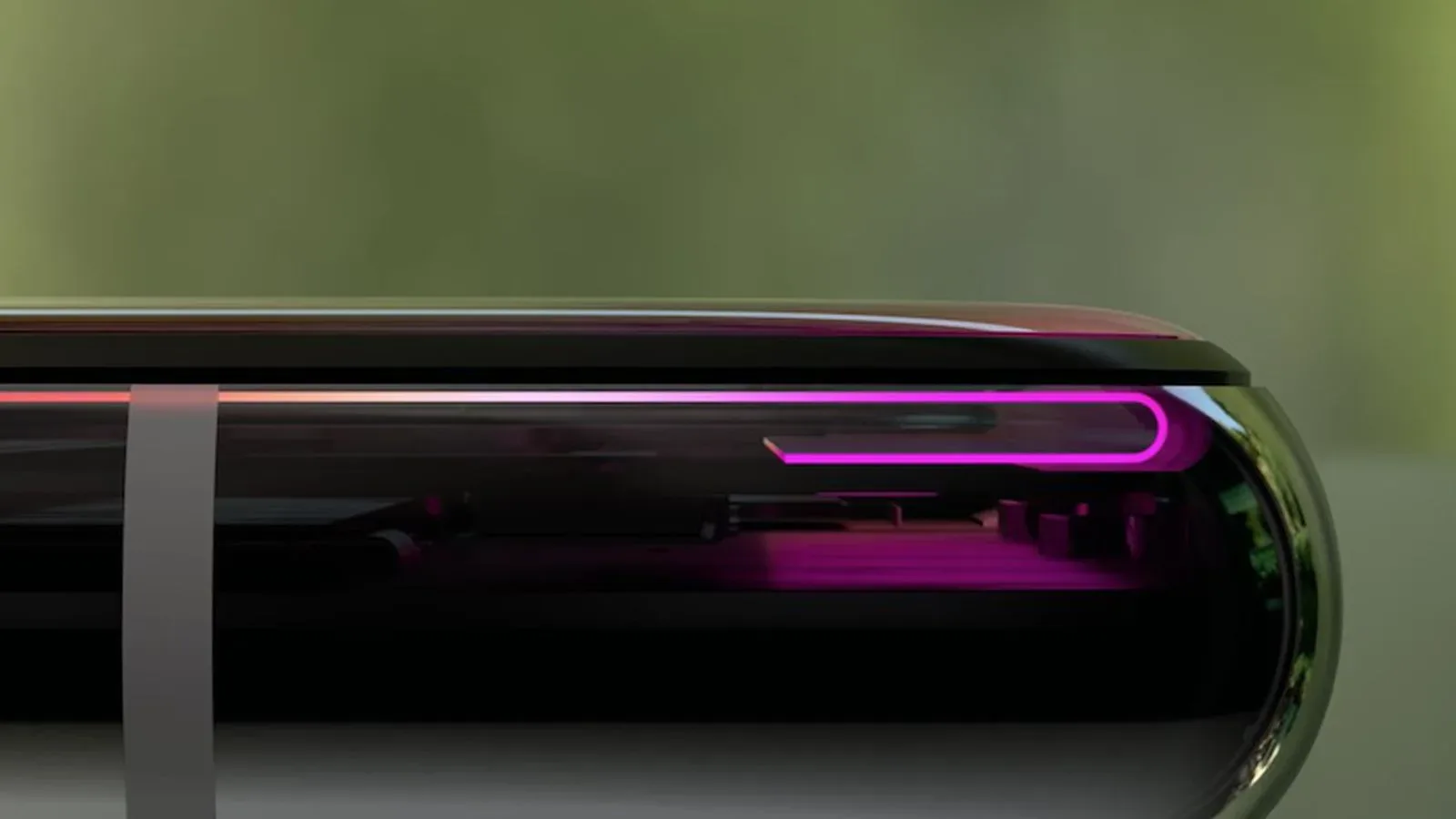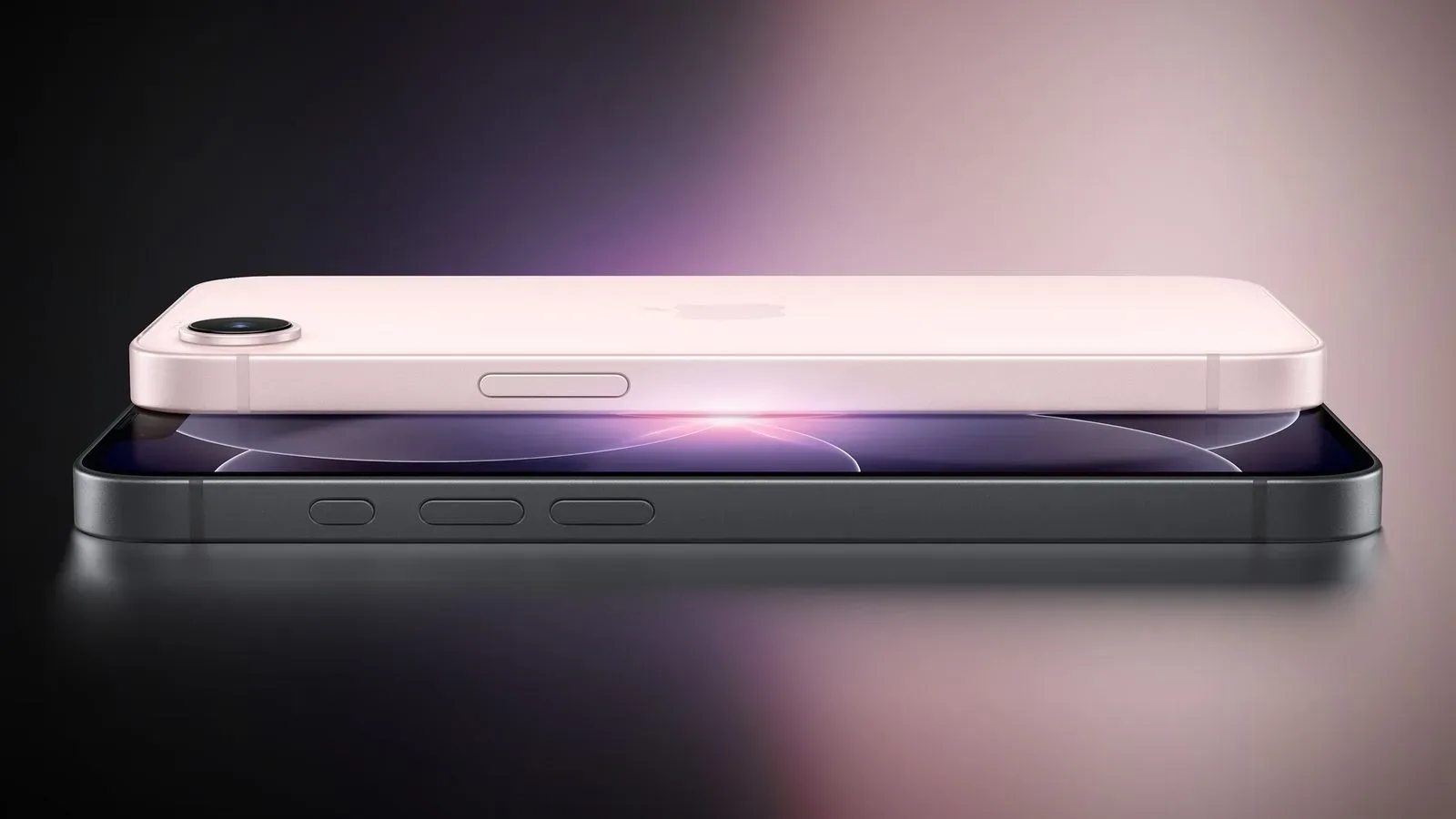
Apple’s expected 20th-anniversary iPhone lineup may include a limited-edition Pro model with a more conspicuous use of ceramic, if a new supply-chain claim proves accurate. The rumor points to unusually low planned production capacity for ceramic components and frames the project as contingent on passing engineering validation testing. That is a long way from a finished phone, but it raises an interesting question for a major anniversary device: is Apple exploring a genuinely different exterior material, rather than simply another color or storage configuration?
The device has been informally called the iPhone 20 Pro by several leakers, with an expected fall 2027 arrival. Neither that name nor Apple’s broader naming plan is settled. Apple could theoretically move past an iPhone 19 designation to make the anniversary more explicit, much as it used the iPhone X name in 2017. For now, “iPhone 20 Pro” is useful shorthand, not a confirmed product title.
The key detail is not ceramic alone, but the claimed scale
Ceramic is not completely new to Apple hardware. Apple currently offers ceramic as a premium case material for Apple Watch Series 12, in Pearl White and Night Blue, alongside aluminum and titanium versions. It also previously sold Apple Watch Edition models in ceramic, including a white ceramic Series 5.
What makes this report different is the suggestion of very limited component capacity. That would be consistent with an intentionally scarce edition rather than a material headed for every Pro model. Still, capacity planning alone does not establish the size of a final production run, retail positioning, regional availability, or whether a consumer release will happen at all. The reported work must first clear EVT.
EVT, short for engineering validation testing, is an early hardware-development stage in which a company checks whether an intended design and its components can be built to the required standard. Passing it does not mean a device is announced, priced, or guaranteed to ship. It means the concept has moved through an important practical gate: the materials and engineering approach need to work well enough to proceed toward later development and manufacturing steps.
That distinction matters especially with ceramic. A material can look compelling in a component sample while presenting further questions in a finished handset: how it integrates with the rest of the enclosure, how consistently it can be manufactured, and whether it suits the desired physical design. The information available does not specify which of those issues, if any, Apple is presently evaluating.
Which iPhone part could actually be ceramic?
The biggest unanswered question is remarkably basic: what component is supposedly ceramic? The claim does not identify it. Possibilities range from a rear panel to a larger enclosure section or a smaller external detail. Those possibilities would create very different phones visually and structurally, so it would be premature to describe this as a ceramic-body iPhone.
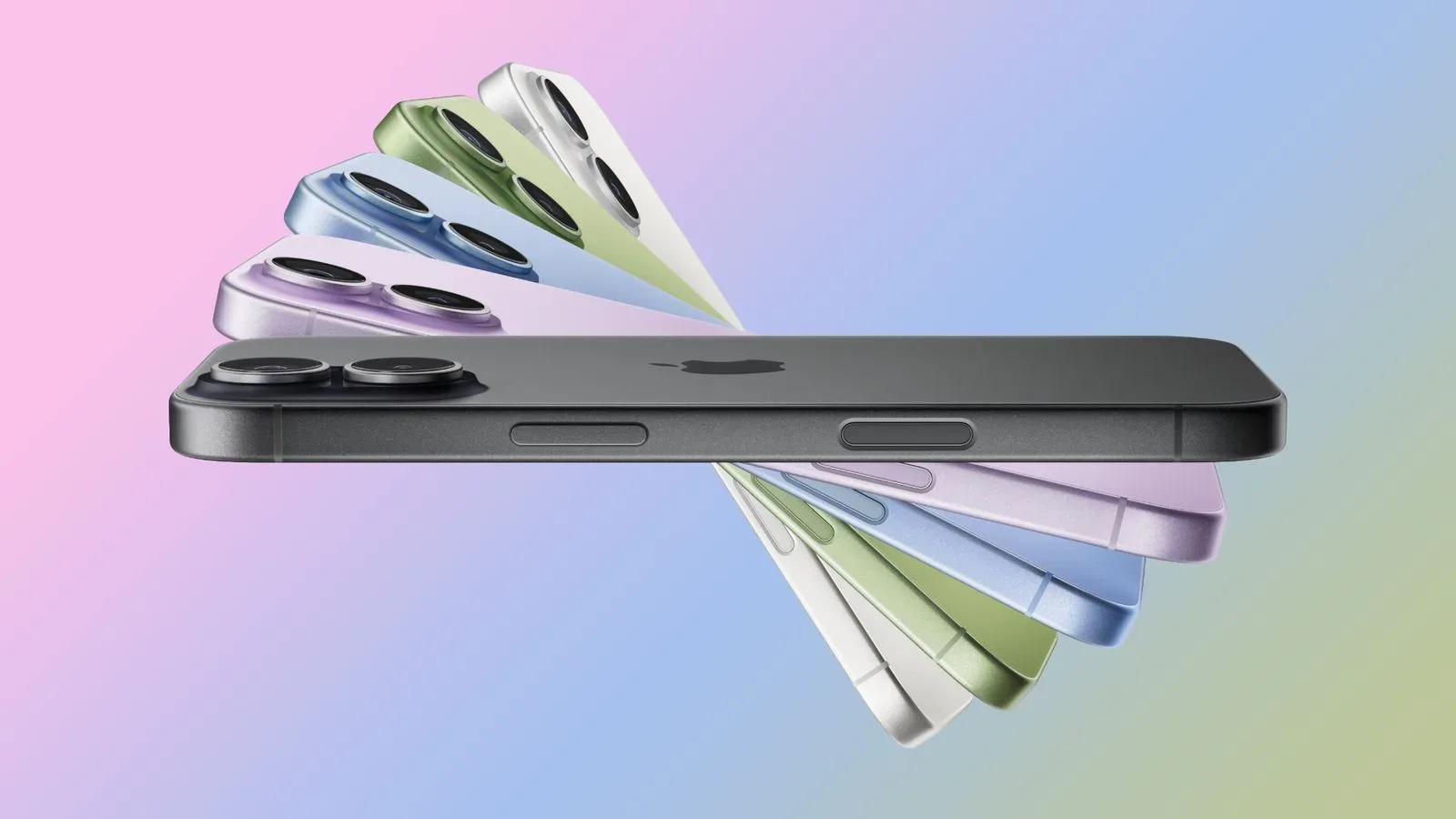
A ceramic rear panel would make the material a defining part of the phone’s appearance. Ceramic applied to a substantial enclosure section could push that idea further. A smaller exterior piece would be a more restrained interpretation, potentially providing a distinctive accent without making ceramic the entire identity of the device. No supplied information settles among those options.
Related coverage includes The anniversary iPhone ceramic rumor leaves one big question: Which part?.
That ambiguity is worth preserving because “ceramic” covers two separate ideas in the current iPhone conversation. One is a visible, premium casing material. The other is Apple’s Ceramic Shield, which is already part of display and cover-glass terminology.
Ceramic casing is not the same thing as Ceramic Shield
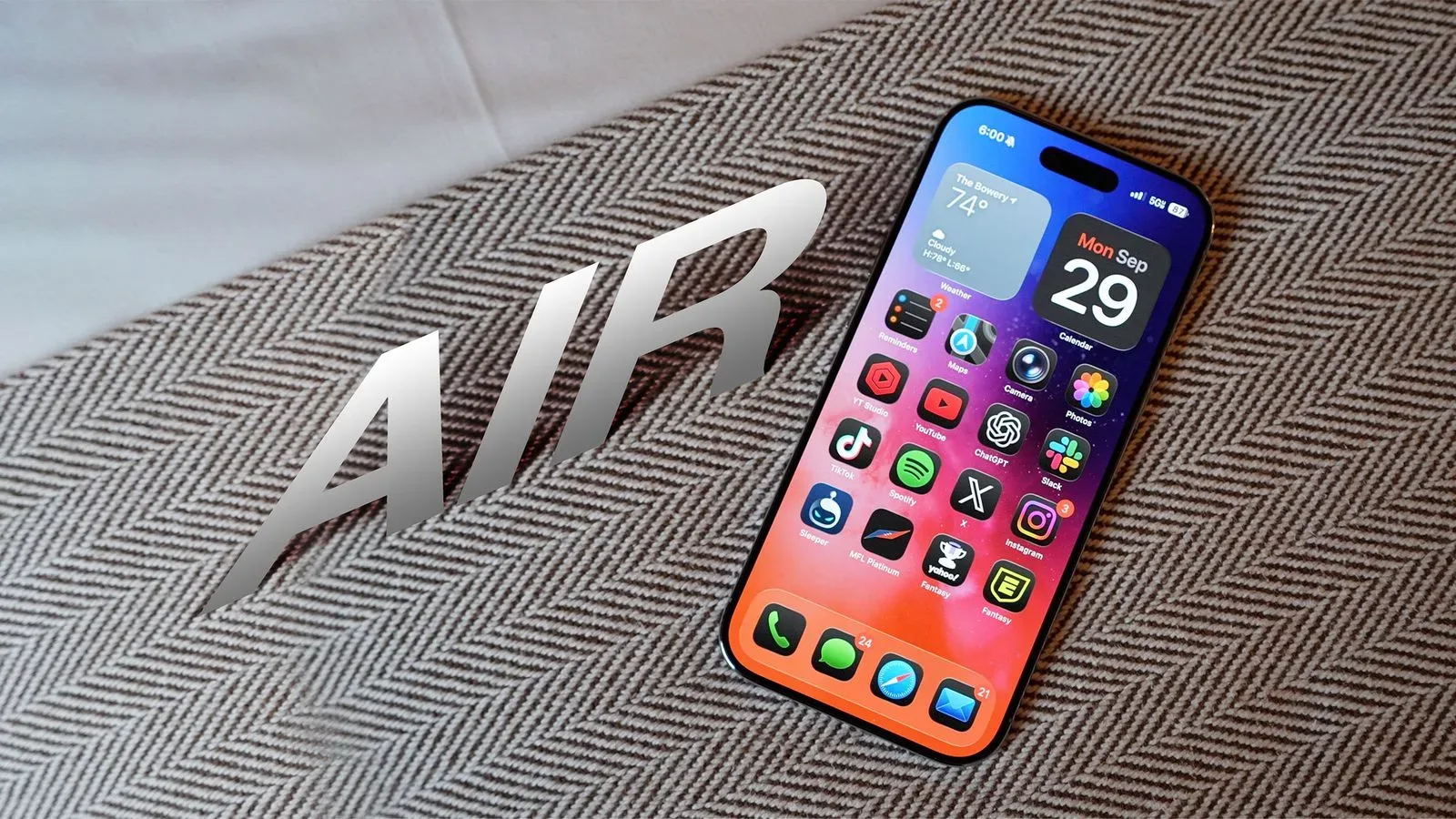
The iPhone Air uses Ceramic Shield 2 on its front and Ceramic Shield on its back. Ceramic Shield incorporates tiny ceramic crystals into a glass matrix. In practical terms, it is a form of glass engineered to preserve transparency while improving durability; it should not be assumed to mean a phone has a solid ceramic outer casing.
That is why the latest claim is potentially more interesting than a simple continuation of existing cover-glass technology. Its wording suggests a use of ceramic that may be more visible than Ceramic Shield. But it does not establish exactly how large or prominent that application would be. An anniversary model could retain ceramic-reinforced glass while separately adding a ceramic external component, or the rumor could ultimately refer to a relatively modest part.
Earlier claims about the 2027 Pro models describe the same glass design language as the iPhone Air, but with more pronounced curves around all four sides of a titanium frame. That existing rumor helps explain why material choices are under such scrutiny: a more curved, glass-centric design could make the relationship between the glass surfaces, frame, and any ceramic pieces central to the phone’s look.
It does not, however, prove that every prior design claim belongs to the same completed device. Rumors often describe prototypes, planned directions, or component experiments before a final configuration is selected. At this stage, the safest reading is that ceramic and a more curvaceous titanium-framed design are both possibilities attached to the expected anniversary generation.
A glass-centric anniversary design is still only a reported direction
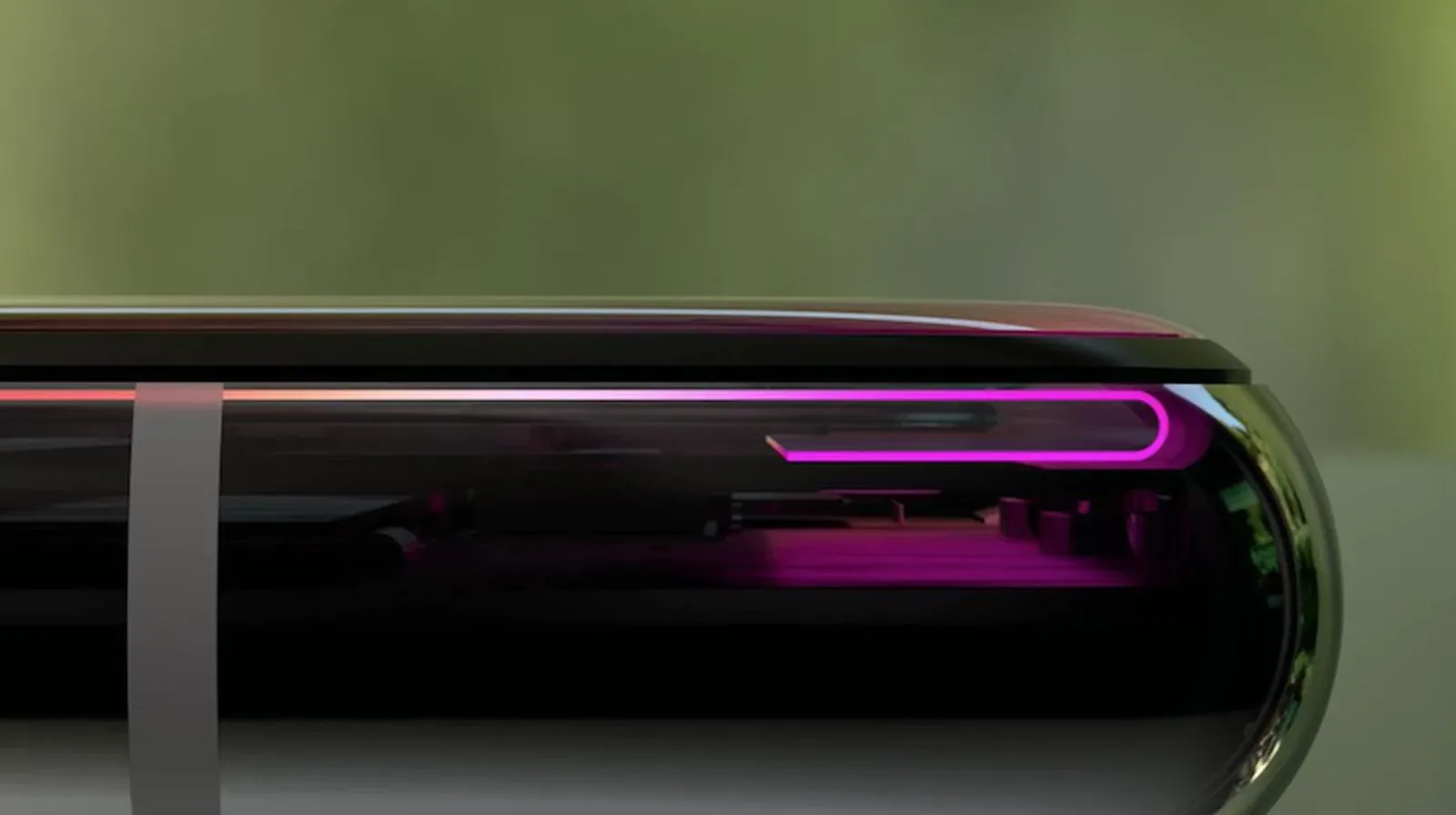
The 2027 models are expected to receive a more radical redesign centered on glass, including a quad-curved display. “Quad-curved” here means the screen is said to curve along all four sides, rather than only on the left and right edges. If realized, that approach would be a substantial visual departure from a conventionally flat panel.
A limited ceramic version could fit that broader anniversary ambition. Apple’s history with ceramic Apple Watch editions shows that it has treated the material as a premium option rather than solely a durability term. A special iPhone could similarly use ceramic to create a distinct finish or object-like feel beyond what a colorway delivers.
But the practical implications depend entirely on the missing details. A small ceramic element might be chiefly decorative. A rear ceramic panel or major enclosure section would be more consequential to the device’s aesthetic and construction. The report provides no basis for claims about weight, scratch resistance, drops, radio performance, charging behavior, repairability, or price, so those should not be inferred from the material name alone.
Scarcity is not the same as collectibility
The leaker reportedly joked that a scarce ceramic model might appreciate in value. It is a tempting idea, particularly for a 20th-anniversary product, but it should be treated as speculation rather than a reason to buy—or a prediction of a resale market. Even a low-volume release can have unpredictable long-term value, and there is not yet confirmation that this project will leave validation testing.
For prospective buyers, the more immediate implication would be choice. If Apple makes such a device, it could sit apart from the regular Pro range as a specialty option whose appeal is its material and anniversary status. That would resemble Apple’s existing use of ceramic on select watch configurations more than a standard annual iPhone material transition. Yet no model structure, pricing, or sales plan has been reported.
For the broader smartphone market, the rumor is another reminder that materials can be part of a flagship’s identity, not merely its protective shell. Titanium, aluminum, glass, and ceramic all communicate different design priorities. In this case, the reported combination of titanium framing, deeply curved glass and possible visible ceramic would point to a device designed to feel meaningfully separate from a routine generational update—if it makes it to market.
What is confirmed, what is reported, and what remains unknown
- Established context: Apple sells ceramic Apple Watch Series 12 cases in Pearl White and Night Blue, and it has sold ceramic Apple Watch Edition models in the past.
- Established context: The iPhone Air uses Ceramic Shield 2 on the front and Ceramic Shield on the back.
- Reported: Ceramic components may be in evaluation for a low-volume 20th-anniversary iPhone project expected in 2027.
- Reported: The project is said to require successful engineering validation testing before mass production.
- Reported: The anniversary iPhone may have a glass-focused redesign, a quad-curved display, and more pronounced curves around a titanium frame.
- Unknown: Whether the ceramic part is a rear panel, a major section of the enclosure, or a much smaller detail.
- Unknown: The final product name, production quantity, price, release markets, and whether Apple will ship a limited-edition ceramic version.
The naming question alone illustrates how early this remains. “iPhone 20 Pro” is a rumor label, not an Apple confirmation, even if an anniversary-driven jump in numbering would have a clear precedent in the iPhone X. Readers tracking Apple’s nearer product cycle may also want to keep the distinction between confirmed hardware and future-lineup reporting in mind; the expected schedule for the preceding family is itself subject to reports, including claims of production timing changes for iPhone 18 and iPhone 18e.
For now, the ceramic rumor is best understood as an intriguing but incomplete design lead. It gains plausibility from Apple’s established use of ceramic in watches and ceramic-infused glass in iPhones. It remains highly uncertain because the central facts—the component, the production plan, the final model name and the device’s existence as a retail product—have not been confirmed. The next meaningful signal would be a clearer picture of which part is ceramic and whether the project advances beyond engineering validation.