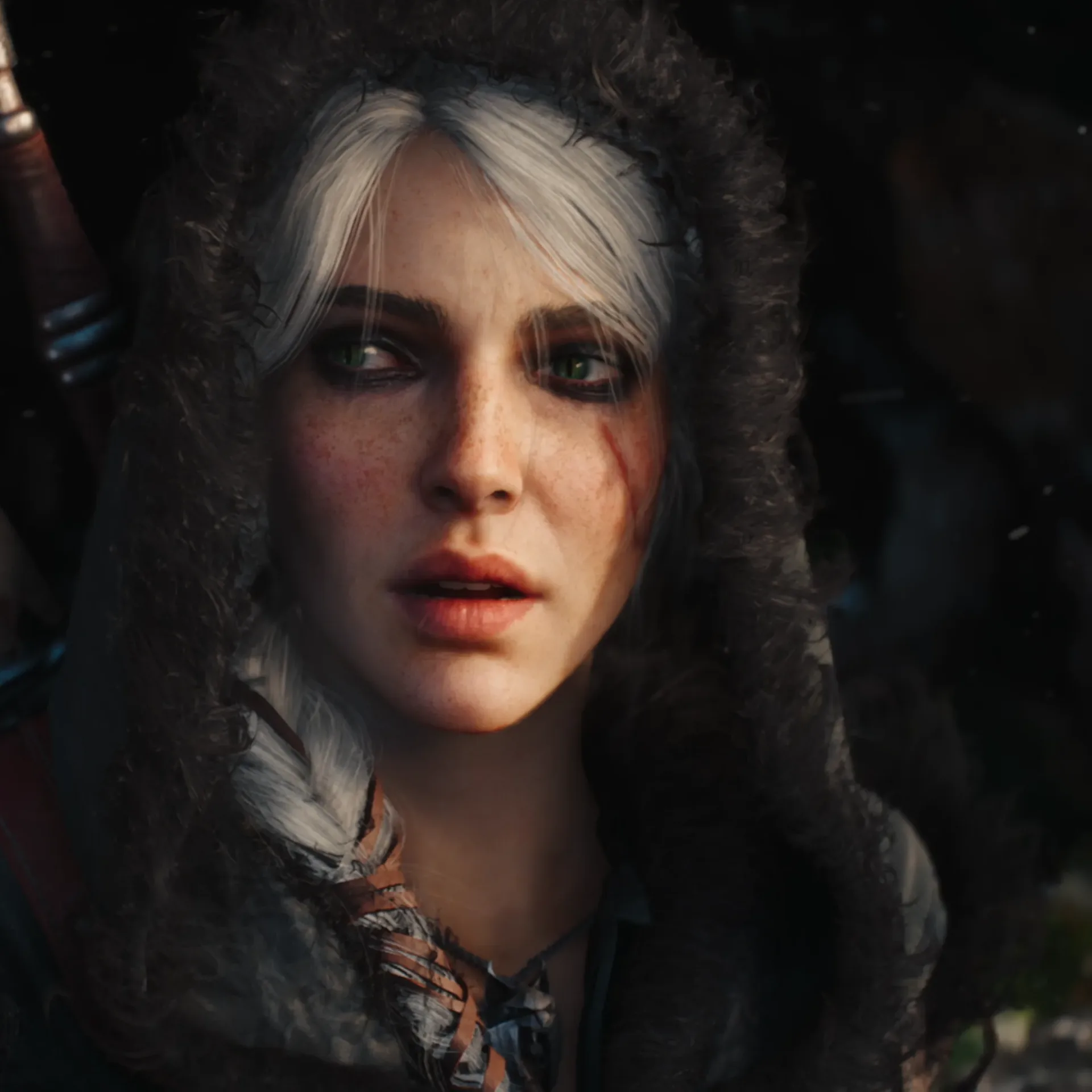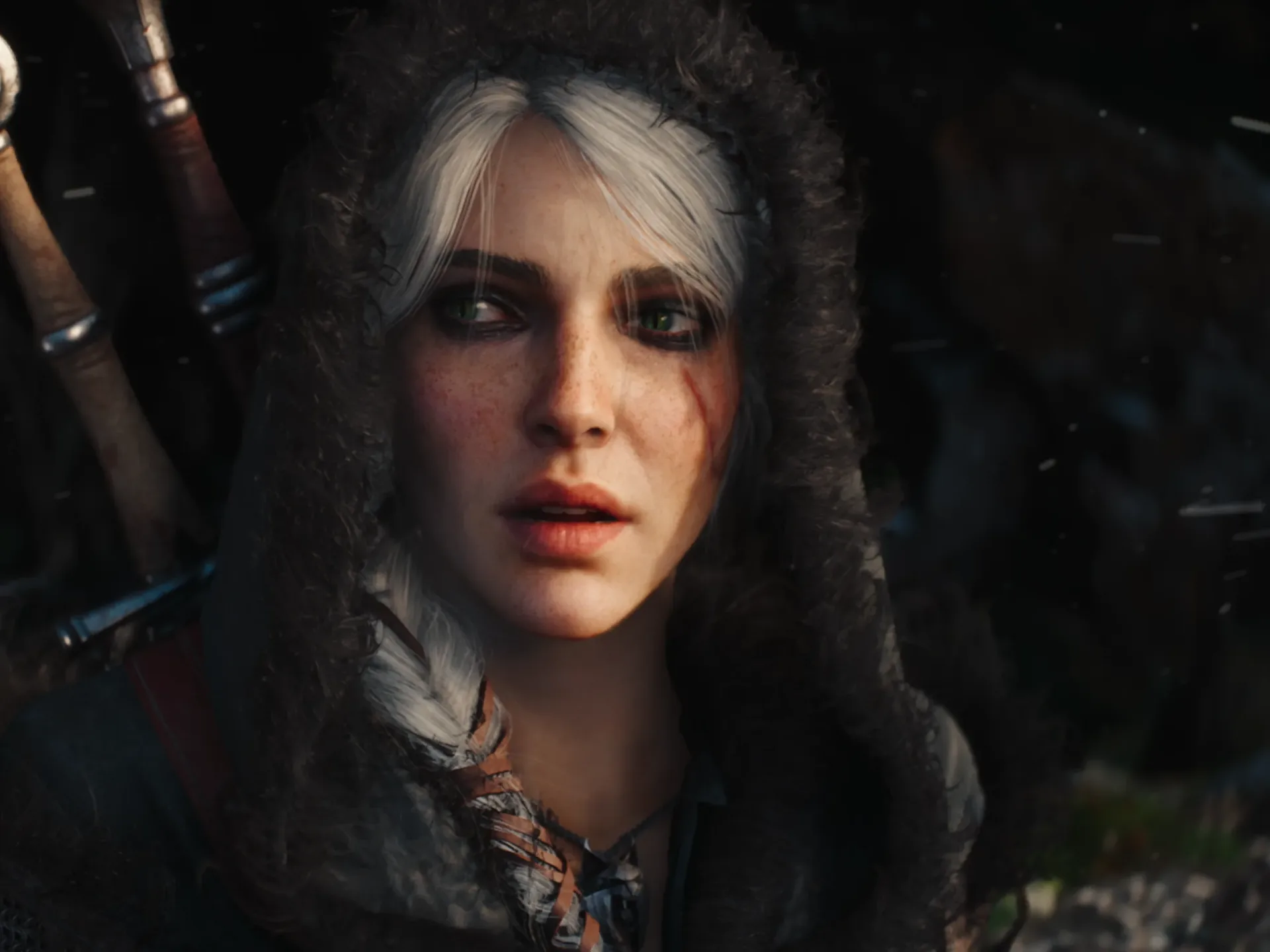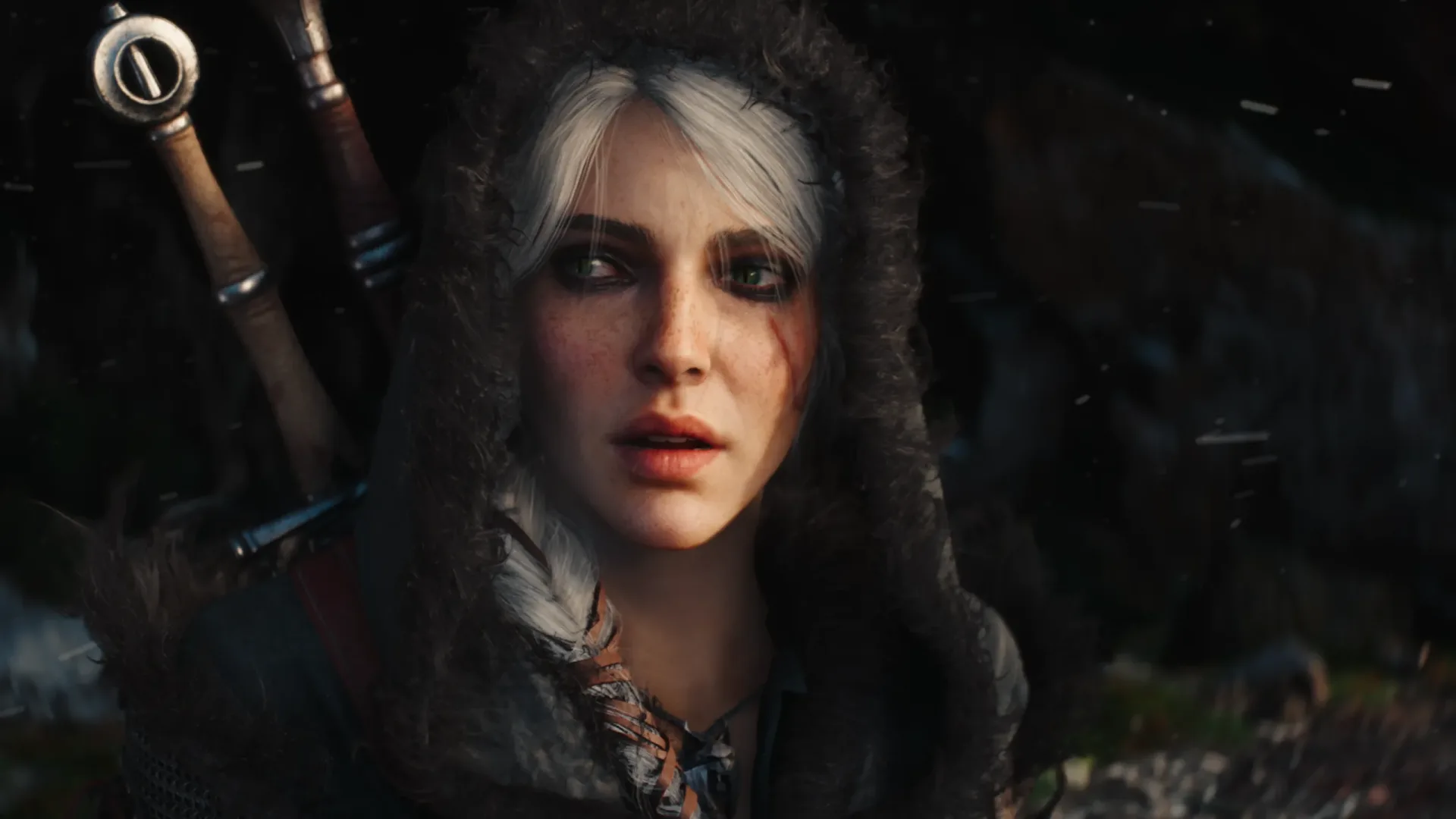
The machines have not claimed the Continent. At least, not at CD Projekt.
Speaking during the company’s latest earnings call, joint CEO Michał Nowakowski addressed the studio’s approach to artificial intelligence in game development and offered a clear, if deliberately measured, position: The Witcher 4 is still being developed predominantly by people. AI may have uses as one tool among many, but CD Projekt is not planning to hand the job of making complete games to generative systems.
That distinction matters because “AI in games” has become a phrase broad enough to cover almost anything. It can mean longstanding behind-the-scenes technology, automation that helps a production team handle repetitive work, machine-learning research, generative text and image tools, or the far more alarming prospect of a studio attempting to manufacture a game out of prompt windows and server smoke. Those are not remotely the same thing, even if they tend to get packed into one ominous crate marked THE FUTURE.
For a project as visible as The Witcher 4, the reassurance is particularly notable. The next mainline entry in a series associated with authored quests, character writing, environmental storytelling, difficult production decisions, and an enormous amount of craft is exactly the kind of game where audiences will scrutinize how new technology is used. Nobody wants to encounter a suspiciously vacant villager delivering a quest titled “Wolf Man Find Object 17.”
People remain the studio’s main development force
Nowakowski said AI is becoming part of game development, but stressed that CD Projekt’s plan remains centered on human developers. His description positioned AI as a tool that may be useful in specific areas and perhaps become more useful over time, rather than a system the company expects to build entire games for it.
That is an important boundary to draw, even if it leaves plenty of practical questions unanswered. The comments do not identify which tasks might involve AI, whether any generative tools are currently used on The Witcher 4, or what internal review and approval processes would govern their use. They also do not amount to a permanent, detailed policy for every game, department, asset, or stage of production. What they do establish is the company’s current public direction: human-led development rather than full-game generation.
In modern games, “human-led” is not a throwaway marketing phrase. Major productions require specialists across disciplines: writers, quest designers, programmers, artists, animators, cinematic teams, sound designers, QA staff, producers, localization teams, technical directors, and many more people whose work must fit together without causing a horse to launch itself into low orbit. A large role-playing game is less like one person typing an idea into a magic box and more like a huge collaboration where thousands of interlocking choices need care, communication, and accountability.
That collaborative reality is central to why the question is bigger than whether an algorithm can produce an image, a line of dialogue, or a block of code. A game’s quality comes from judgment: deciding which ideas belong, what feels coherent, where a quest needs tension, when a character should be silent, which animation sells a moment, and what needs to be rebuilt because it technically works but feels dreadful. Tools can assist individual steps. They do not automatically supply a shared creative point of view.
CD Projekt sees an ethical and creative limit
Nowakowski went further than merely describing a production preference. He said that for games as complex as CD Projekt’s, relying on AI to make complete games does not appear to be the right path, including from an ethical perspective.
The phrasing is cautious, and it avoids declaring a universal rule for every developer. Rather than attempting to speak for the entire industry, Nowakowski said each company has to make its own judgment. That restraint is sensible. Different studios make very different kinds of games, work at different scales, and face their own technical, financial, and labor realities. Still, the underlying message is difficult to miss: CD Projekt does not presently regard all-AI game creation as an appropriate route for its own complex projects.
For players, the ethical part of that answer may be as significant as the technical one. The argument over generative AI is not just a question of whether a tool can accelerate a task. It also includes concerns around creative jobs, training data, consent, attribution, quality control, and the possibility that cost-cutting choices will replace rather than support skilled workers. A company can say it uses AI “responsibly” and still leave people asking what that responsibility looks like in practice.
There is no simple industry-wide checklist. Some uses might be closer to conventional assistance and automation; others could create greater worries over originality, labor, or material appearing in a finished game. The details matter. Players interested in that distinction should resist the temptation to treat every AI-related claim as either identical or automatically harmless. Ask what tool is being discussed, who retains creative control, where its output goes, and whether it appears in the product customers ultimately play.
Why this lands differently for The Witcher 4
The Witcher series carries expectations that make a human-centered message especially resonant. Its reputation rests heavily on authored material: choices that produce consequences, memorable characters, layered side quests, and a world built to feel as though someone thought through the odd little tragedies behind its monster contracts. A generated facsimile might mimic the surface texture of fantasy writing. It is much harder to guarantee the specific judgment that makes a moment unexpectedly funny, unsettling, or emotionally sharp.
That does not mean human-made games are automatically great, nor does it mean every AI-assisted workflow guarantees catastrophe. Plenty of games created entirely by people contain bugs, bland dialogue, and menus seemingly designed during a duel. But it does mean that CD Projekt’s stated preference aligns with the kind of authorship players tend to associate with this franchise.
It also leaves room for a more realistic conversation than either extreme. The choice is not necessarily between banning every new tool and allowing a computer to write Geralt’s next 400-hour adventure while everyone else watches from a beanbag. Game development has always evolved through new engines, procedural techniques, automation, motion capture, middleware, and production tools. The meaningful issue is whether technology expands a team’s ability to make thoughtful work or becomes an excuse to remove the people whose expertise makes that work worth playing.
That broader tension is already visible beyond traditional games. New immersive formats are likewise wrestling with how technology can support creators without flattening the human experience; recent discussion around immersive storytelling and shared digital spaces shows how much the medium still depends on purposeful design, not just technical novelty.
What the statement does—and does not—promise
It is fair to see CD Projekt’s comments as a positive signal for anyone concerned that The Witcher 4 could become a showcase for fully generated content. The company says people remain predominant in development, and it says it is not planning to rely on AI to make complete games. Those are meaningful public commitments about its current approach.
It would be premature, however, to turn that into a sweeping claim that no AI-related tools will ever touch the project, or that the studio has answered every question audiences and developers may have. No detailed list of systems, safeguards, training-data standards, or production use cases accompanied the remarks. As with any large production, the eventual game and future disclosures will provide the clearest picture.
For now, the practical takeaway is straightforward: CD Projekt is presenting The Witcher 4 as a human-made game first, with AI considered a supporting tool rather than a complete replacement for the people building it. That will likely be welcome news to fans who want the next journey through the Continent to feel crafted rather than statistically assembled.
And perhaps that is the least controversial demand in fantasy: let the monsters be artificial. Let the people making the game remain real.
While waiting for more concrete information about The Witcher 4, it is worth remembering that games are often at their best when people share the same room, screen, and ridiculous argument over who picked the wrong character. The unwritten rules of couch multiplayer are a useful reminder that the medium’s best experiences have always been social, gloriously imperfect, and very human.