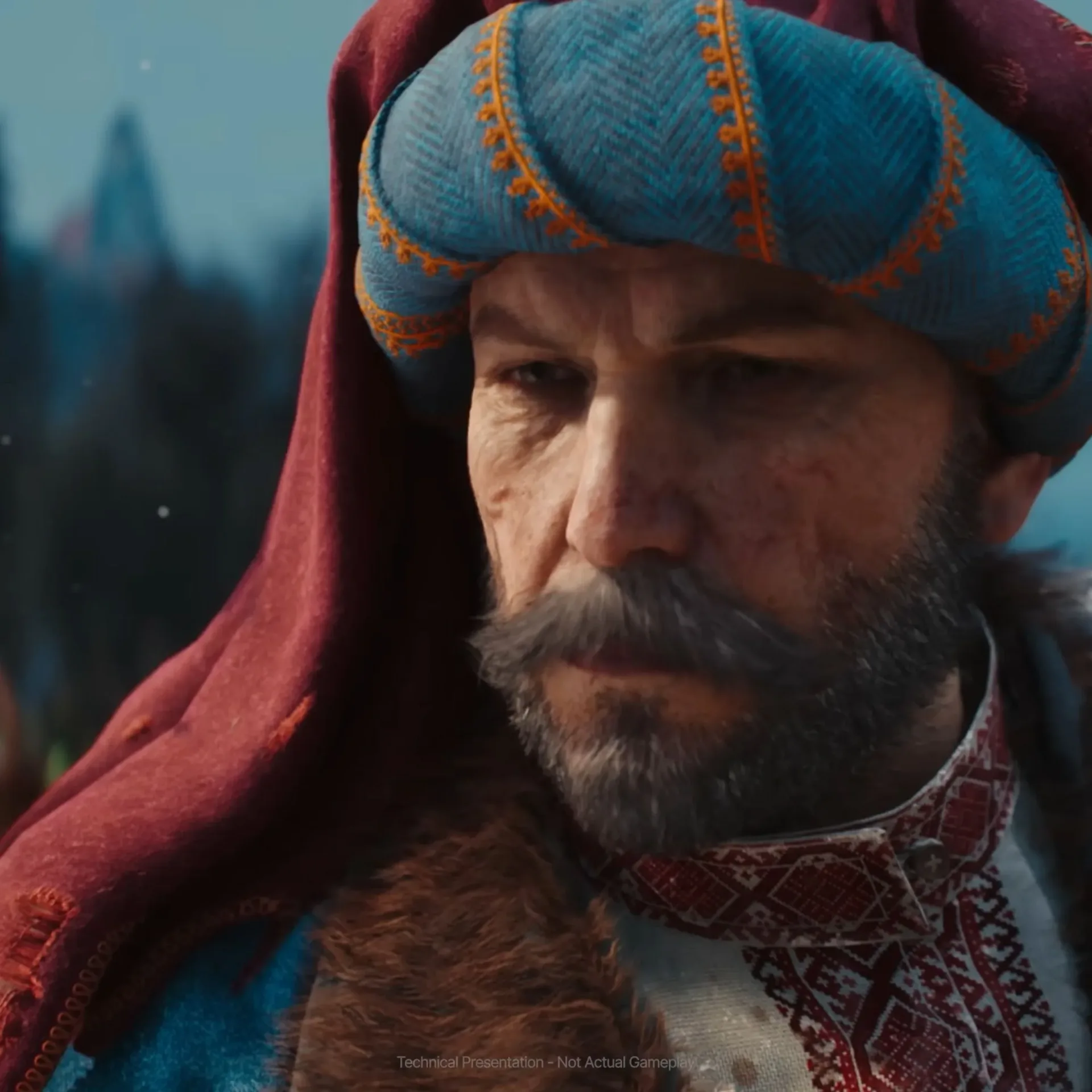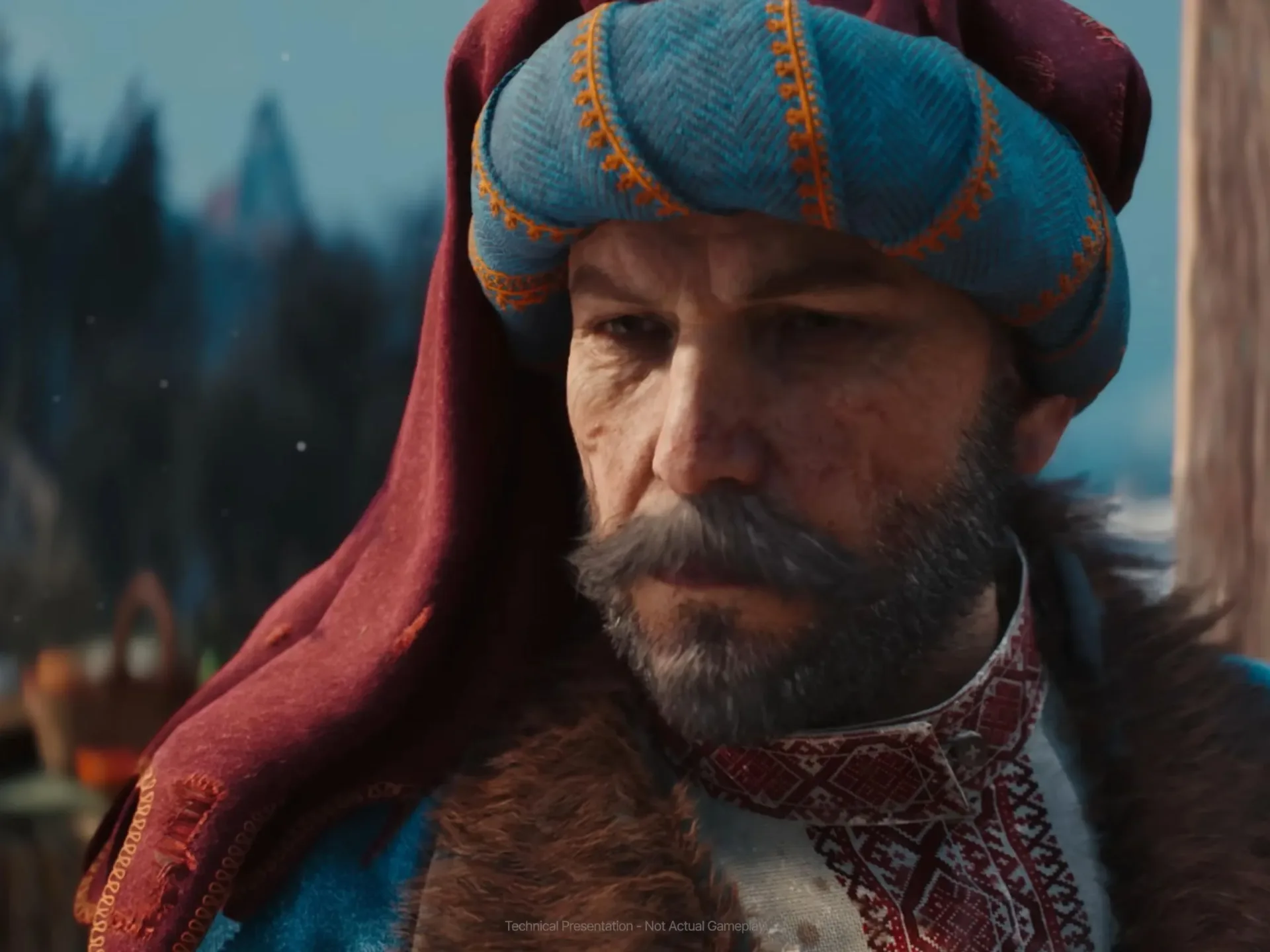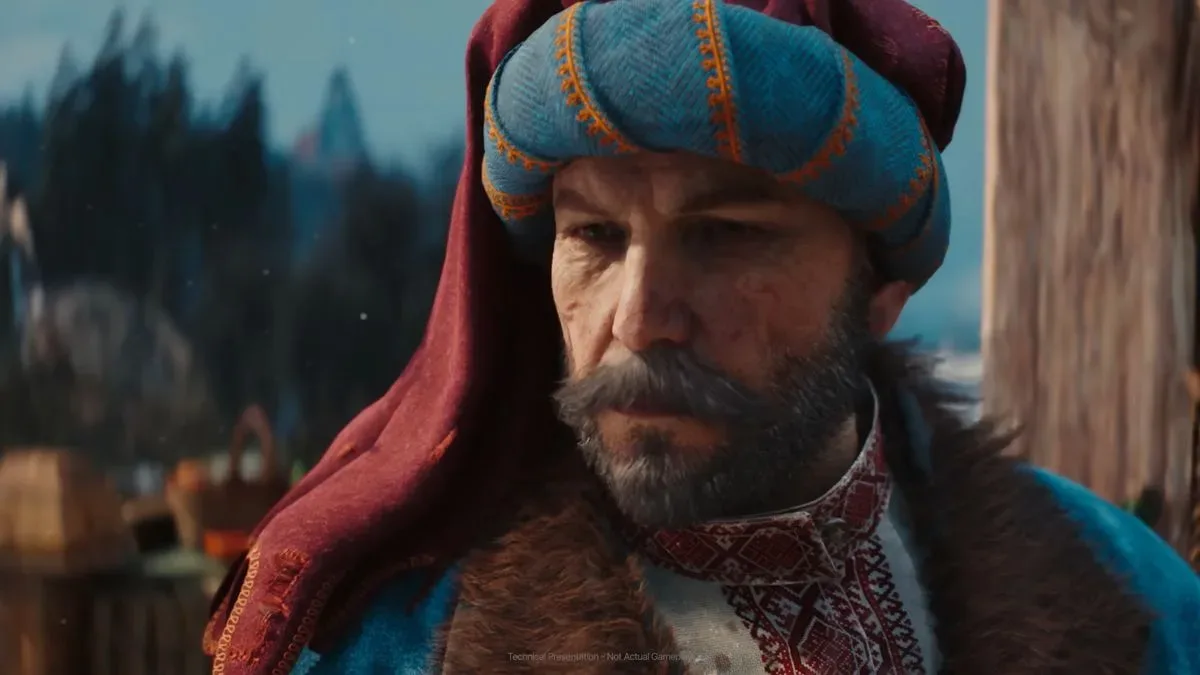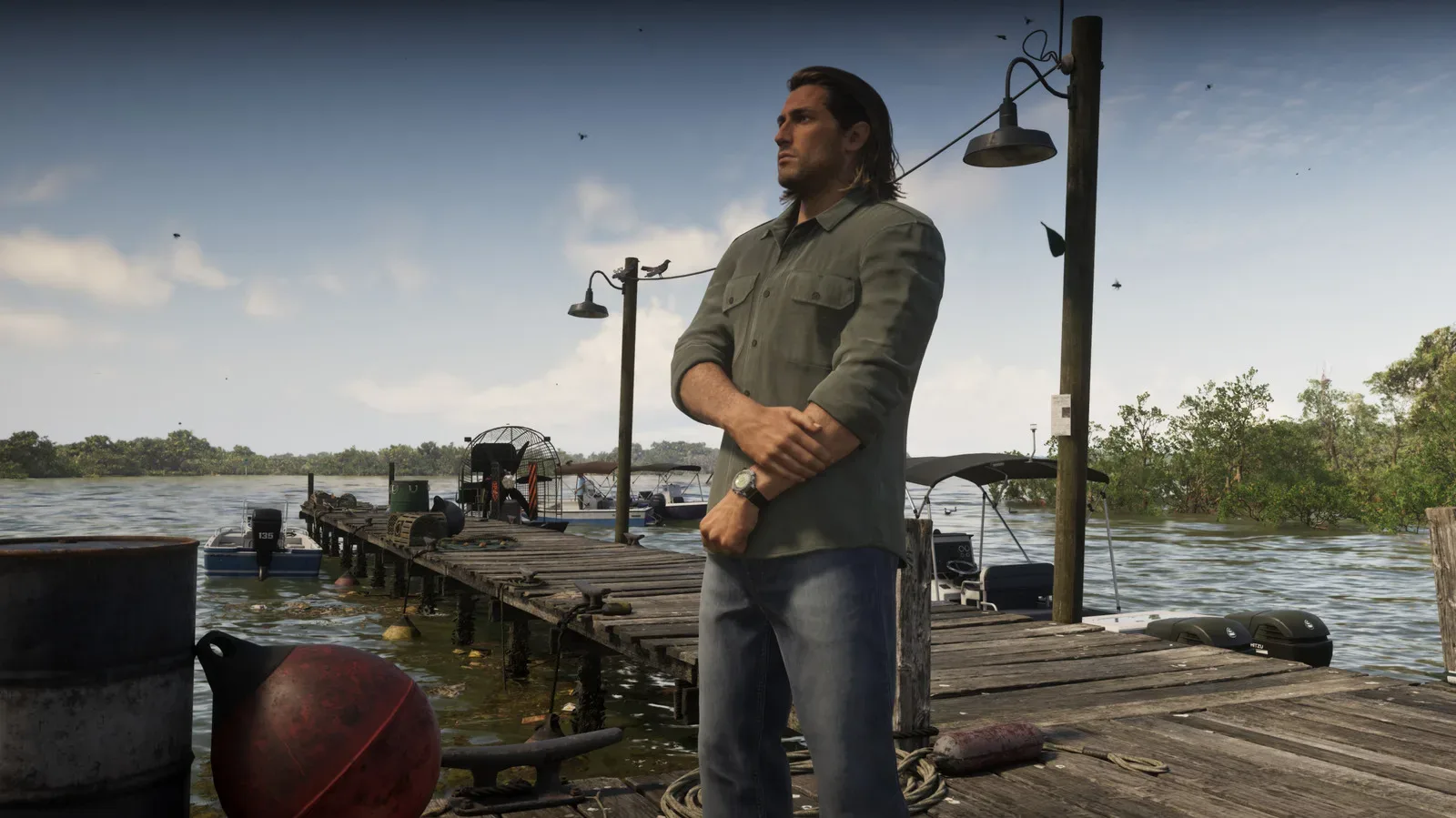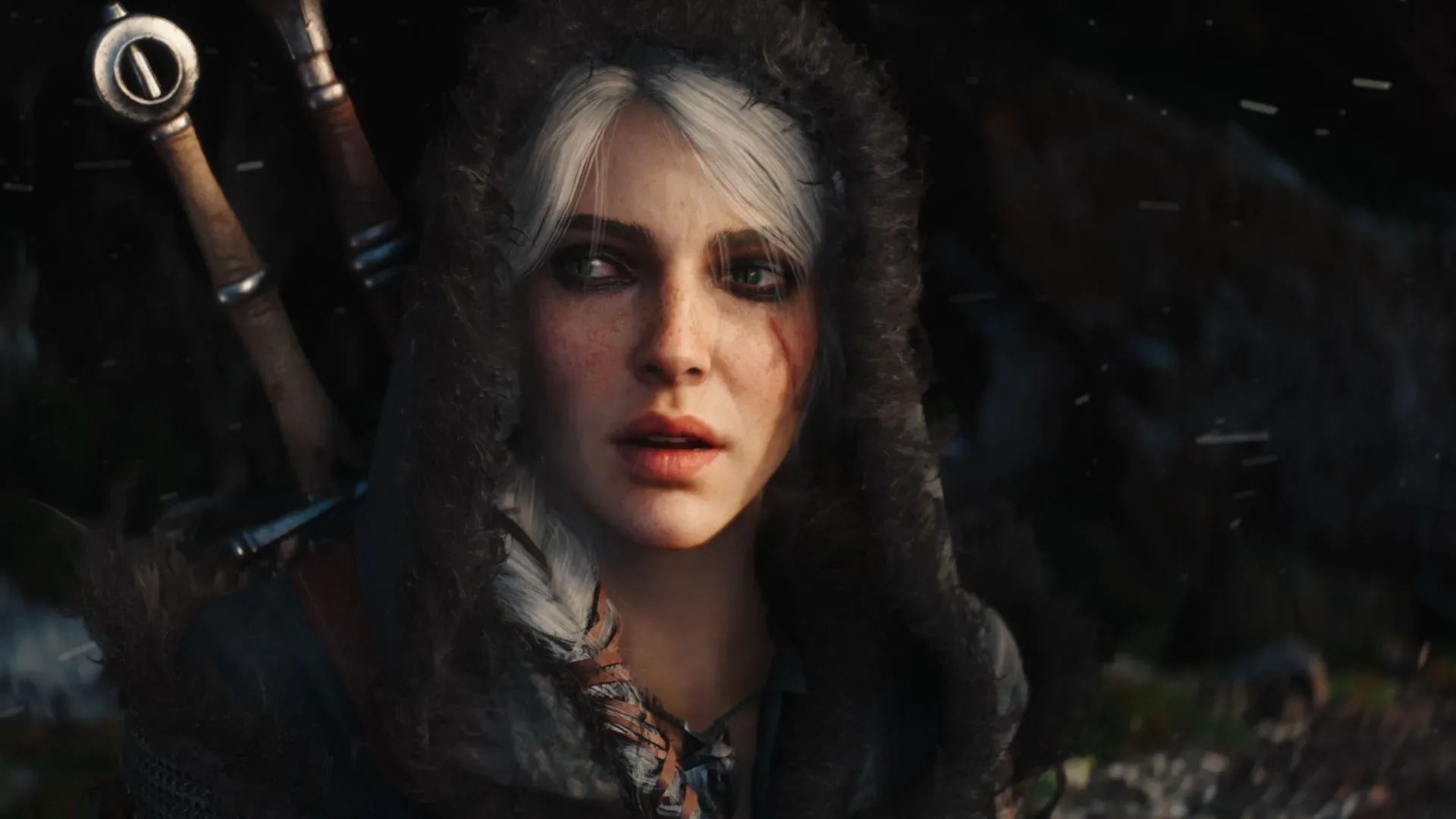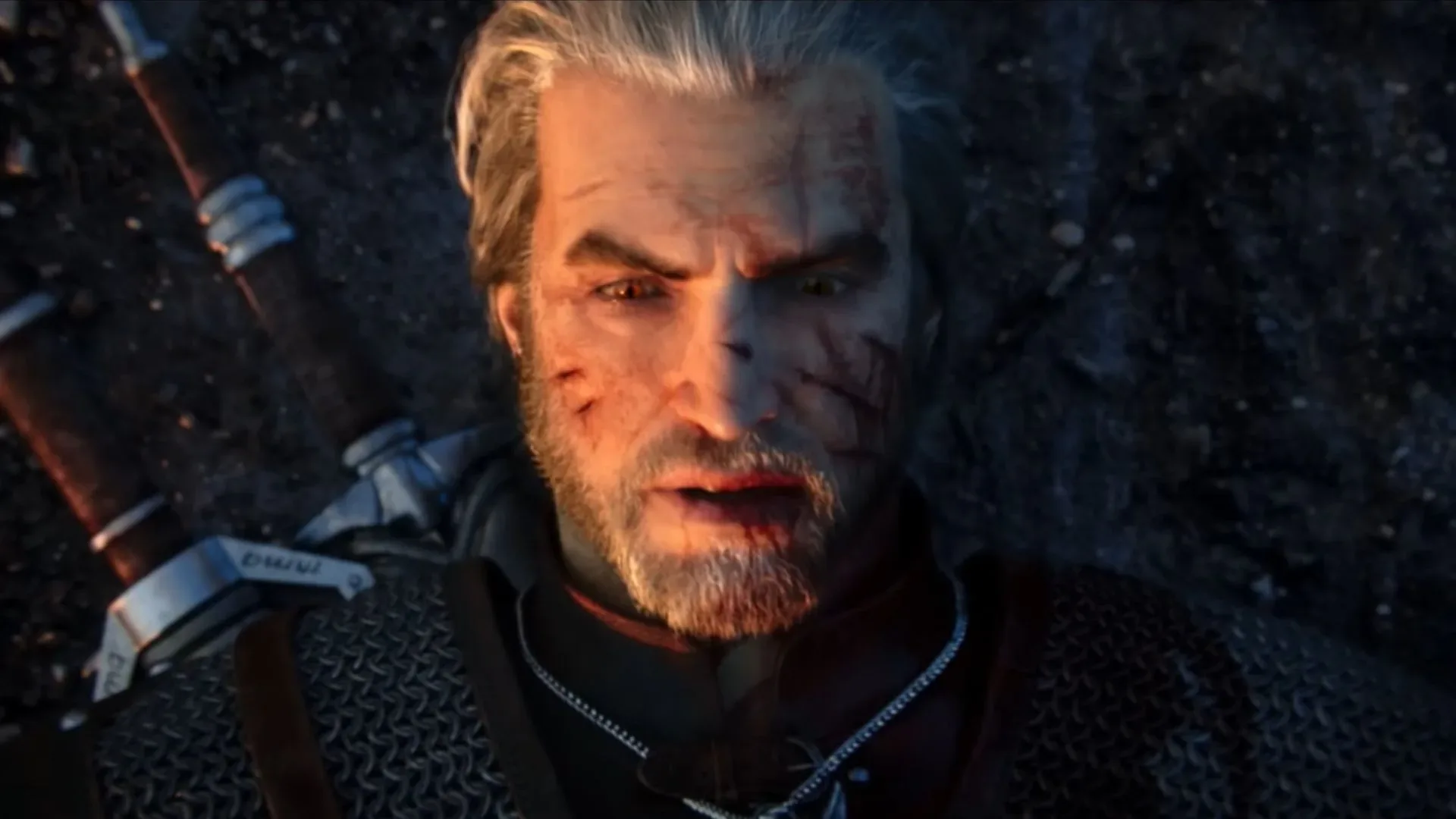
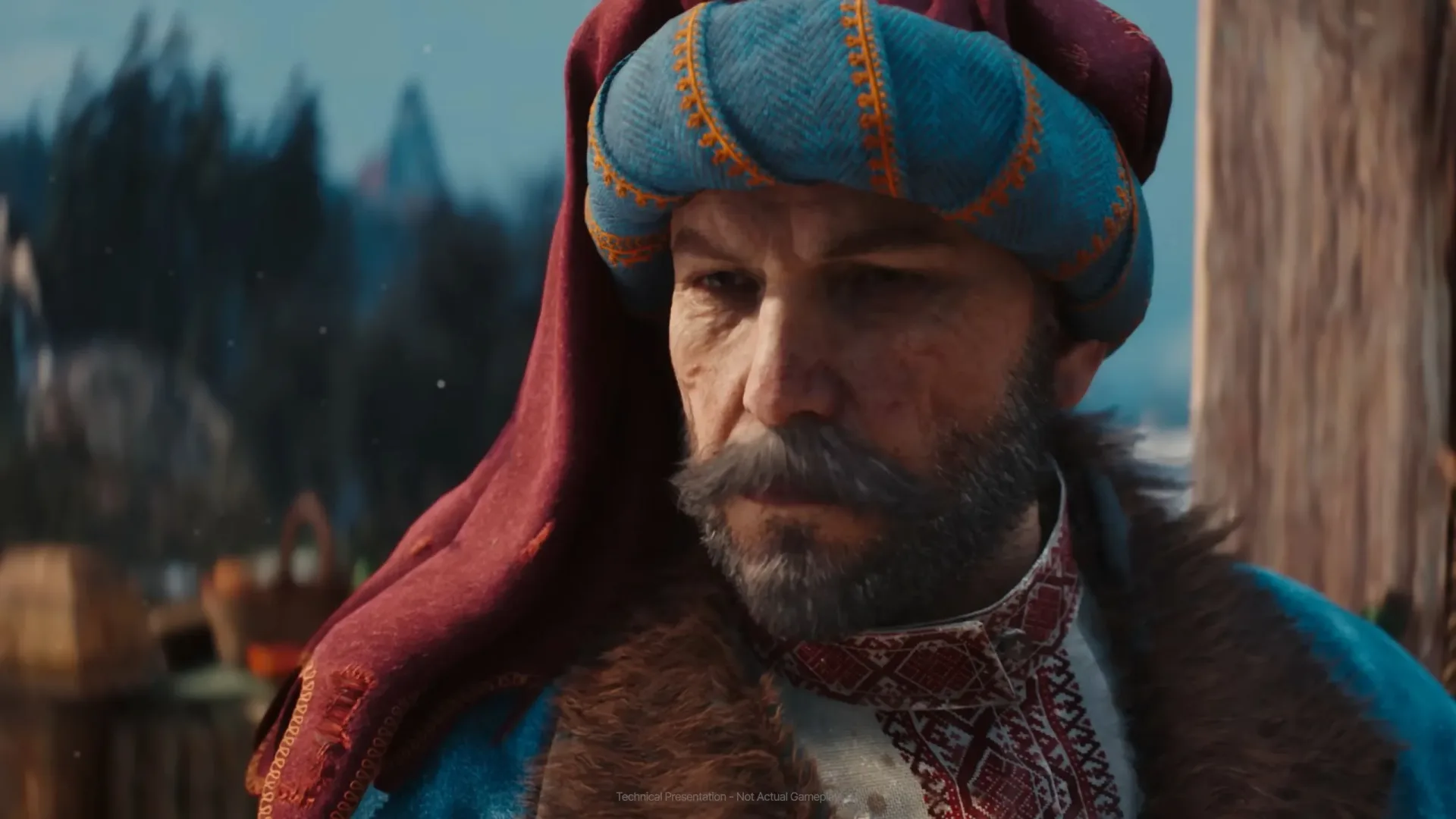
CD Projekt Red believes The Witcher 4 can make a leap over The Witcher 3 comparable to the generational change players have seen between Grand Theft Auto 5 and Grand Theft Auto 6. It is an enormous benchmark to invoke, and one that should be read as an ambition rather than a promise of identical technology, scope, or design.
The comparison came during a question-and-answer session attached to the company’s latest earnings call. Asked whether fans should expect an improvement in the same ballpark as GTA 5 to GTA 6, CD Projekt Red joint-studio CEO Michał Nowakowski said the team had looked at GTA 6 and its differences from its predecessor. He said the studio believes there will be a “comparable leap” from The Witcher 3 to The Witcher 4.
“It’s been 11 years,” Nowakowski said, adding that the team is working to make The Witcher 4 significantly better looking and improved across “pretty much every possible facet of the game.”
The Witcher 3 arrived in 2015, so the observation is grounded in the unusually long distance between the two main entries. That span matters: a sequel separated from its predecessor by more than a decade has more room to revise its visual presentation, world simulation, production methods, and ideas about how a player moves through and interacts with an open world.
But “comparable” is doing important work in the statement. It does not establish that The Witcher 4 will match GTA 6 feature-for-feature, share its scale, or use the same technical solutions. Nor does it tell players which individual improvements will be most noticeable. The value of the comment is that it sets a high-level expectation: CD Projekt Red is not framing The Witcher 4 as a modest visual refresh of a game that already remains highly regarded for its open-world craft.
What a technical leap can actually mean
In game discussion, a technical leap is often reduced to graphics alone. That is understandable—lighting, facial detail, terrain, animation, and object density are the first changes shown in trailers—but the phrase can cover far more. For an open-world role-playing game, technical progress can influence the systems beneath the image as much as the image itself.
World interactivity refers to the degree to which players can affect, use, or receive meaningful responses from the game world. It can include how objects behave, how characters respond to the player, and how individual activities connect to broader systems. A more detailed world is not automatically a more interactive one; a street can look busy without giving the player more consequential choices. That distinction will matter when players evaluate The Witcher 4 against such a bold comparison.
Simulation is another broad term often attached to big-budget open worlds. It generally describes systems that create the impression of a world operating beyond a player’s immediate view. The supplied comments do not specify what simulations The Witcher 4 will have, if any, so it would be premature to predict particular systems. Still, Nowakowski’s reference to improvement in nearly every facet suggests the studio is thinking beyond surface-level fidelity.
Related coverage includes CD Projekt Red Expects The Witcher 4 to Make a Major Leap From The Witcher 3.
Then there is scale. Bigger maps are easy to market, but scale can also mean a world with more distinct places, denser detail, more believable transitions between activities, or more narrative content that feels rooted in a location. Size alone is not an objective measure of quality. For a Witcher game in particular, players will likely care about whether environments support memorable quests, choices, characters, and monster-hunting scenarios—not simply how long it takes to cross the map.
These are useful lenses because they prevent the GTA comparison from becoming a single-question contest over screenshots. The Witcher 4 can make a meaningful generational advance through a combination of visuals, responsiveness, storytelling perspective, systems, and world design. It does not need to copy another series’ priorities to demonstrate that advance.
A high bar, and a deliberately broad comparison
GTA 6 has become a prominent reference point for modern blockbuster production because of its visual detail, interactivity, and apparent scale. Nowakowski’s comments acknowledge that benchmark rather than ignoring it. That is notable, but it is also a risky standard to cite publicly: comparisons at this level invite close scrutiny when the game is finally shown in more detail and, later, released.
There are also practical reasons not to overread the statement. Rockstar’s Grand Theft Auto games and CD Projekt Red’s Witcher games have different identities. GTA is associated with a contemporary open-world sandbox, while The Witcher is a fantasy role-playing series built around character-led adventures, choices, and questing. A “comparable” leap can therefore describe the magnitude of improvement from one entry to the next without suggesting the games will resemble one another in moment-to-moment play.
That distinction is especially important for fans trying to turn a broad executive comment into a feature checklist. There is no supplied confirmation here of map dimensions, release platforms, specific gameplay systems, performance targets, or a detailed breakdown of new technology. None should be assumed from the GTA reference alone. The soundest expectation is also the simplest: CD Projekt Red wants The Witcher 4 to feel substantially more advanced than The Witcher 3, not merely newer.
The comparison also arrives at a time when players are already intensely focused on GTA 6’s technical presentation and the questions around how it will run across platforms. For one current example of that wider conversation, see Joking Joystick’s report on unofficial GTA 6 PC recompilation projects and smoother frame-rate efforts. Expectations for major open-world games now extend beyond visual spectacle to consistency, responsiveness, and the practical experience of playing them.
The Witcher 3 is a demanding baseline for a sequel
The Witcher 3 has remained a durable point of reference for open-world RPGs long after its 2015 launch, and it has also received a more recent remaster. That gives The Witcher 4 an advantage and a challenge. The advantage is a strong foundation of player familiarity with the series’ world and expectations. The challenge is that a sequel cannot rely on the passage of time alone to feel transformative when its predecessor is still discussed as holding up against modern open-world games.
That is likely why Nowakowski’s wording reaches beyond better visuals. If the studio’s goal is an improvement in nearly every facet, players may reasonably look for a successor that feels modern in the totality of its design. Visual gains are visible immediately, but the lasting impression may come from details that are harder to summarize in a trailer: how fluidly the player explores, how convincingly environments react, how a quest unfolds, and how consistently the game sustains its world.
At the same time, a sequel should not be judged solely by whether it makes its predecessor look dated. The Witcher 3’s place in the series is not erased by a newer game using more advanced tools. The more meaningful test is whether The Witcher 4 uses its technical progress in service of the kind of fantasy RPG CD Projekt Red is making. A highly detailed world needs adventures worth having in it.
Ciri’s perspective could shape the leap beyond technology
The Witcher 4 is also positioned to differ from The Witcher 3 in a narrative sense. Ciri is described as far more hot-headed than Geralt, with players becoming more deeply involved in the story through her personal perspective. That point matters because a generational change is not only a matter of rendering technology or more densely built spaces.
A shift in protagonist can alter the tone of the game, the emotional framing of decisions, and the way a player understands events. Geralt’s established demeanor and Ciri’s reported hot-headedness may create very different story energy, even before considering any mechanical changes. The available information does not define how that perspective will affect specific quests or choices, but it signals that The Witcher 4’s identity is intended to be more than a visual continuation of The Witcher 3.
Put differently, the most persuasive version of CD Projekt Red’s ambition would combine two kinds of advancement. One is technological: a world that looks and behaves in a significantly more sophisticated way. The other is creative: a story whose protagonist gives the new game a distinct lens rather than repeating the last entry’s rhythms.
What remains unknown before release
The Witcher 4 is estimated for a 2028 release, leaving a substantial wait before the GTA comparison can be properly tested. That timeline makes restraint essential. The comments provide a direction and a level of confidence, but they do not constitute a complete product reveal.
- There is no detailed feature list attached to Nowakowski’s comparison.
- There is no confirmation of how specific visual, interactive, or systemic improvements will work in play.
- There is no basis to equate the two series’ budgets, designs, or production approaches.
- There is no answer yet to whether every part of the promised leap will be equally visible to every player.
What is clear is the scale of CD Projekt Red’s stated target. Eleven years after The Witcher 3, the studio expects The Witcher 4 to represent a markedly bigger step forward. Invoking GTA 5 and GTA 6 makes that intention impossible to miss—and ensures the eventual game will be measured not only against a beloved predecessor, but against one of the industry’s most formidable modern open-world benchmarks.