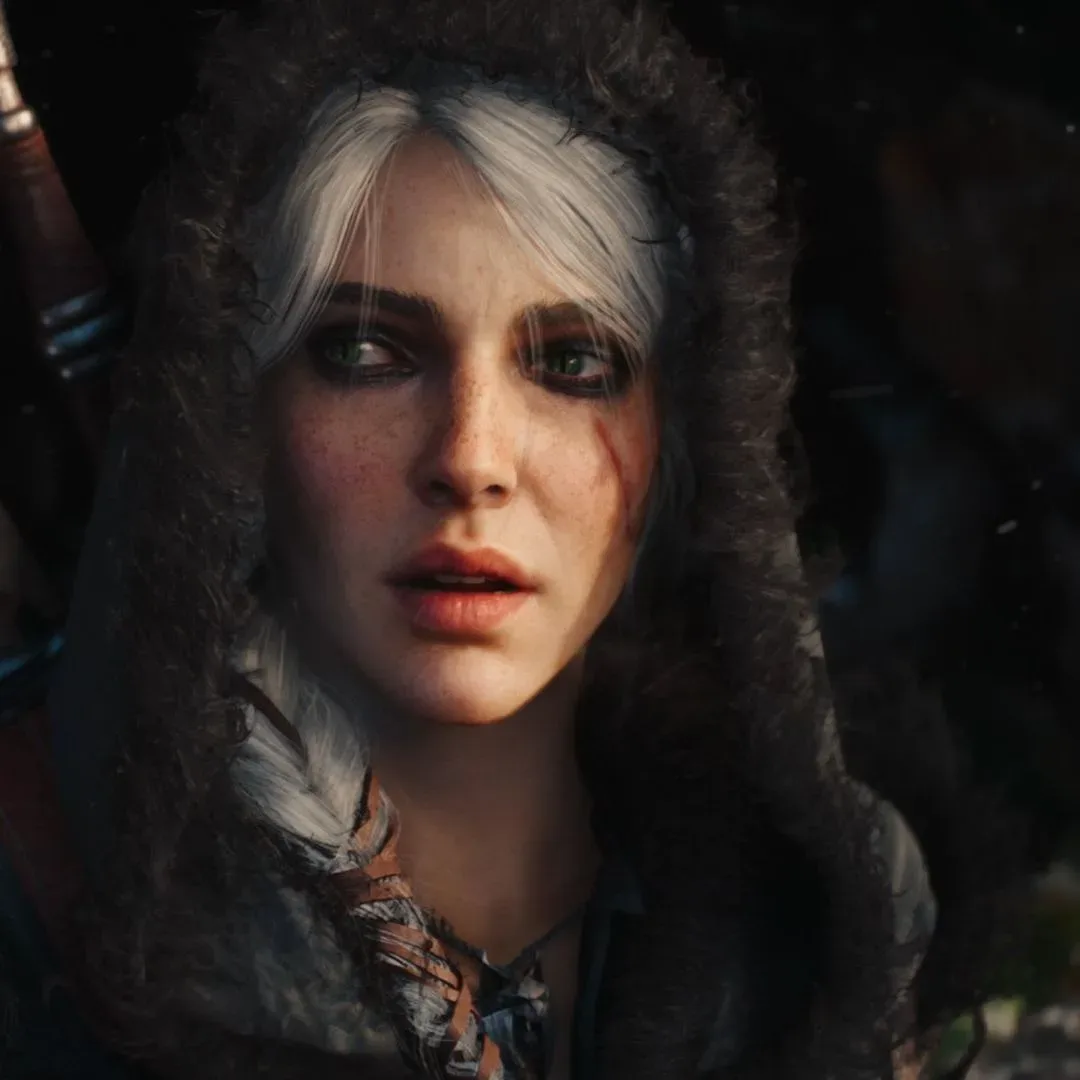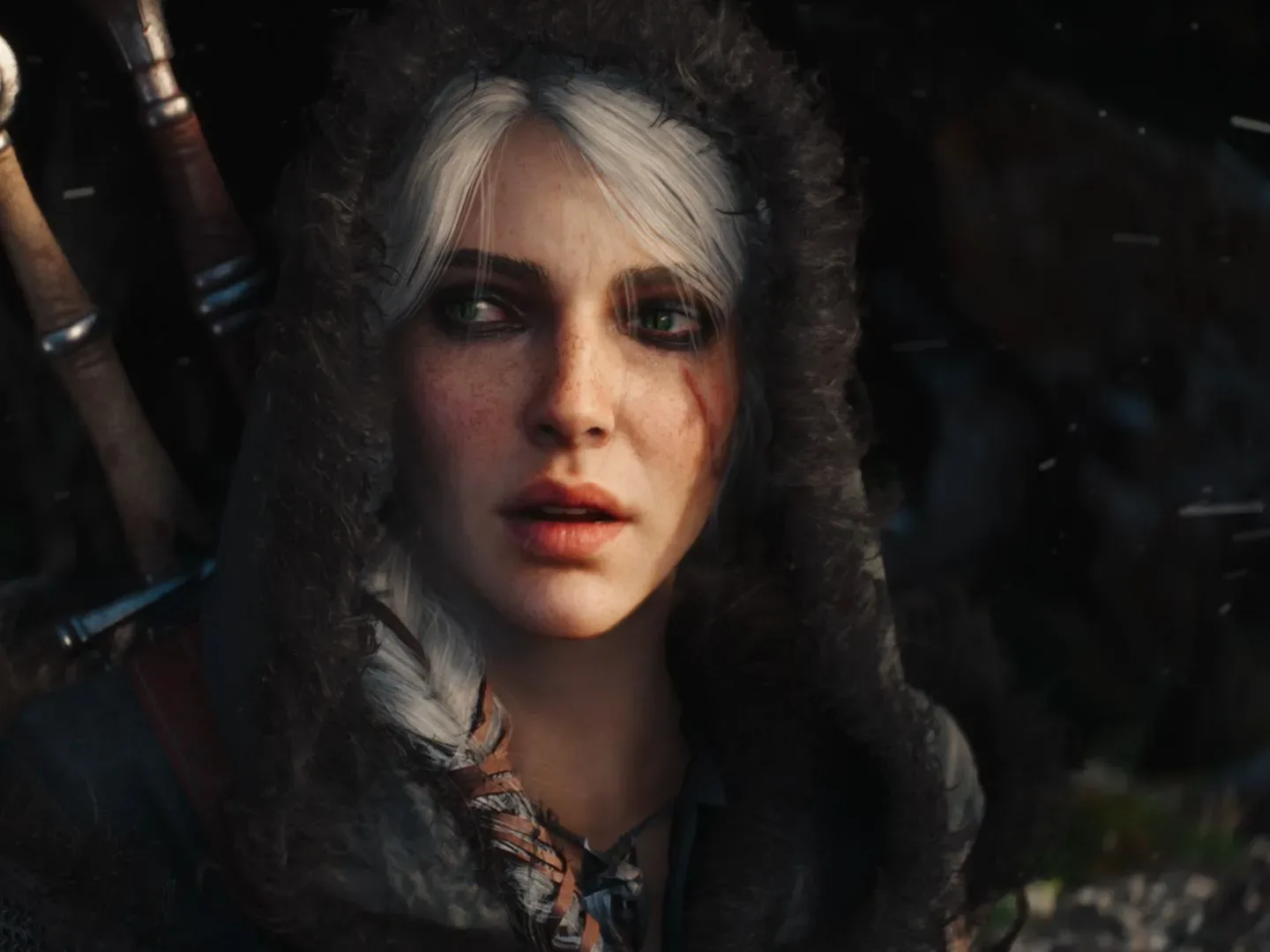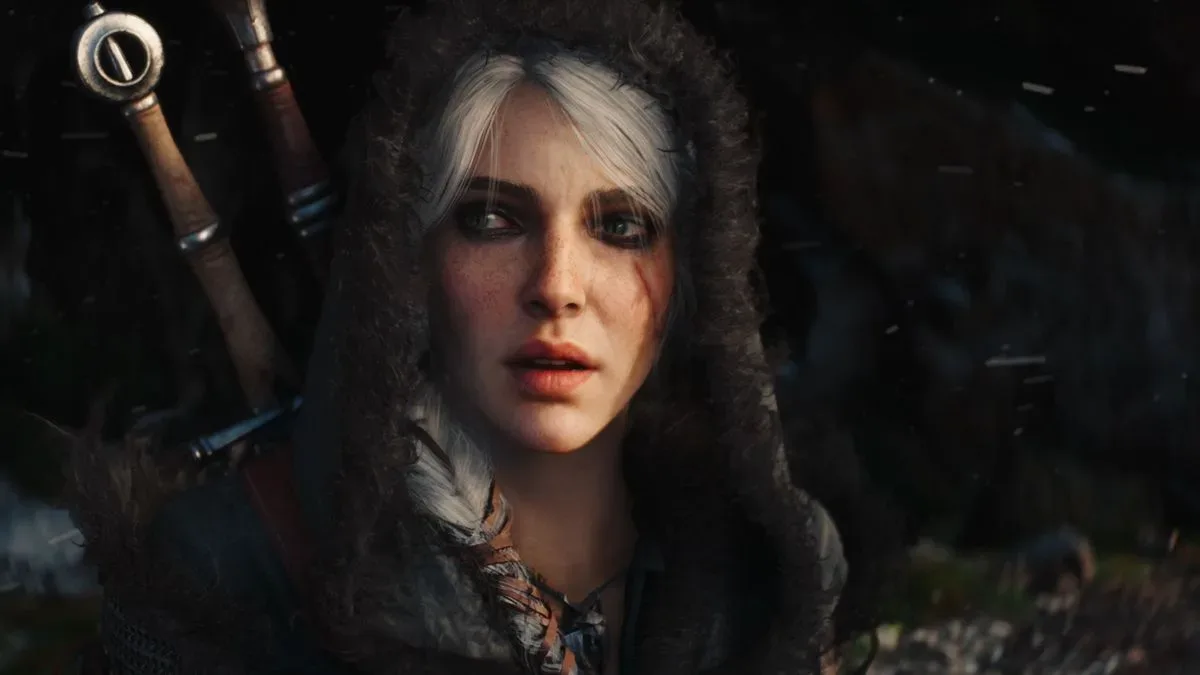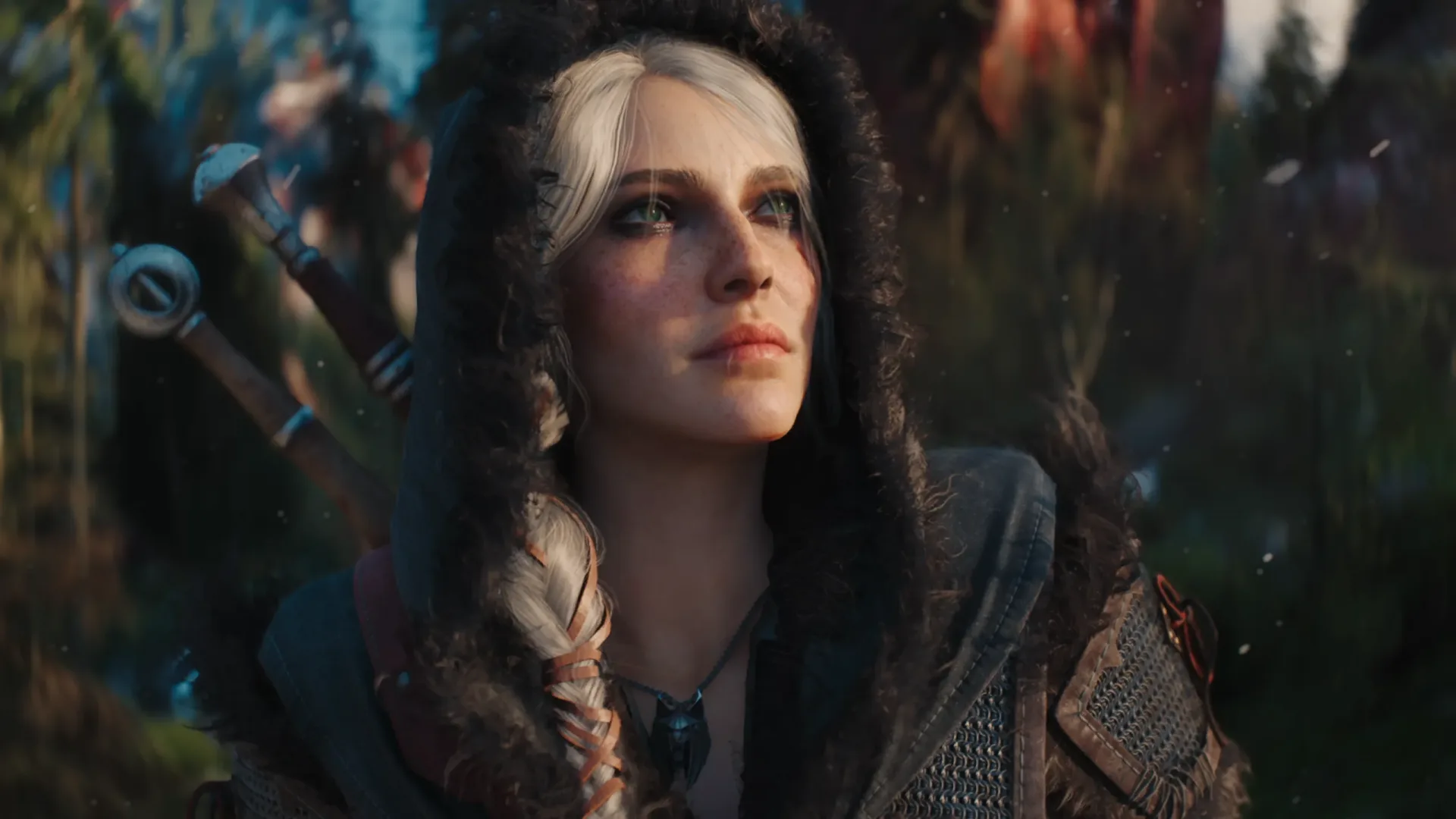
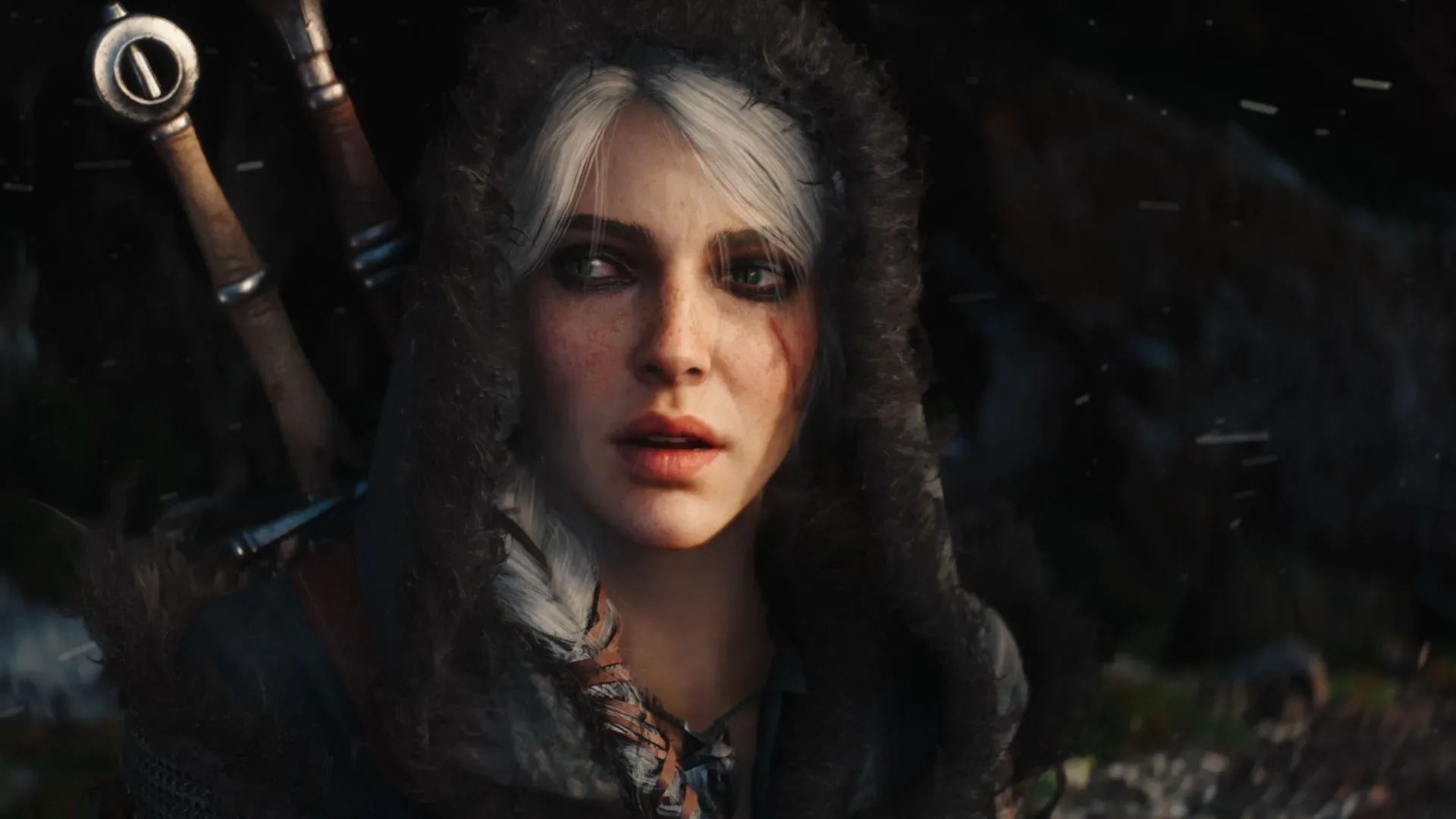
The Witcher 4 is not simply replacing Geralt with Ciri and carrying on as before. Marcin Blacha, CD Projekt Red’s VP of story, has outlined a central narrative consequence of the change: players will approach decisions through a protagonist who is more openly emotional, more personally entangled in events and, by Blacha’s description, considerably more hot-headed than the series’ longtime lead.
That distinction could matter most in the quests themselves. Geralt’s adventures often positioned the player as someone assessing a conflict from the outside: a professional brought in to investigate a problem, choose between flawed outcomes, and leave behind the consequences. Ciri’s perspective, Blacha says, is intended to make the player more deeply involved in the story on a personal level. The question is not only which answer appears morally correct, but how invested the player becomes in the people and circumstances around her.
It is a useful clarification of what changing protagonists can mean for an RPG. The headline change is Ciri becoming the central playable character after three Geralt-led games. The potentially bigger result, however, is that the game’s decisions may ask players to inhabit a different emotional posture rather than merely select a different dialogue line.
Ciri’s temperament is meant to reshape the player’s role
Blacha contrasts Ciri directly with Geralt. Where Geralt is described as calm, composed and better at concealing what he feels, Ciri is said to show her emotions more readily. She can be impulsive and emotional in the decisions she makes. For a story-driven role-playing game, that is not a minor character note; it changes the lens through which each problem is presented.
Geralt’s job frequently gave him some distance from the people asking for help. As a witcher, he could arrive as an outsider with a contract, hear competing accounts, identify the danger and make a judgement. Even when a choice carried personal weight, the player could plausibly treat it as arbitration: weighing harm, responsibility and practical outcomes from a measured position.
Blacha characterizes the Geralt experience in precisely those terms, with players acting more like arbiters deciding how a situation should be resolved. Ciri is intended to reduce that distance. Her personal perspective means choices can be shaped by the player’s emotional attachment to the characters and events involved, not solely by an effort to identify a clean ethical answer.
Arbiter, in this context, means a figure who judges between competing sides or solutions. It does not imply that Geralt’s decisions were easy or that they ever produced perfect outcomes. It describes the stance: players could often survey the problem, then decide what they believed should happen. The stated direction for Ciri suggests a more immediate experience, where her feelings and relationships may be part of what makes a decision difficult.
What “different quest shape” can reasonably mean
Blacha says Ciri’s different personality will give quests in The Witcher 4 a different shape from those in The Witcher 3. That is a significant design intention, although it is important not to read unannounced systems into it. No specific quest, dialogue mechanic, branching structure, companion feature or consequence system has been detailed here.
Related coverage includes The Witcher 4’s Ciri Will Make Choices More Personal Than Geralt’s.
What has been established is the narrative principle behind the change. Ciri’s quests are expected to put more emphasis on personal involvement. The decision-making frame may therefore be less about finding the most defensible abstract answer and more about responding as a character with stronger visible feelings and closer stakes in the situation.
That does not mean morality disappears. Blacha explicitly frames the shift as moving beyond a simple question of right and wrong, rather than abandoning moral choices altogether. The distinction is important. Players may still confront dilemmas with no painless outcome, but the reasons an outcome matters could be more closely tied to Ciri’s perspective and the relationships built during the story.
In narrative-game terms, a personal perspective is the viewpoint through which players receive information, interpret events and make choices. It can influence more than dialogue tone. It helps establish why a situation matters, which details feel urgent, and whether a player’s instinct is to judge, protect, confront or walk away. Blacha’s comments point to that perspective being a defining part of the new game’s quest writing.
A major change for a series identified with Geralt
Blacha calls the protagonist change a huge factor, and that is hard to dispute. Geralt has been the face of the game series across its three prior installments. Moving to Ciri gives the studio a different central personality through which to explore the Continent, while also asking players to leave behind a familiar role.
There is an obvious creative opportunity in that transition. A long-running world can feel different depending on who is moving through it. The locations, conflicts and broader lore do not need to be erased for the experience to change; a new protagonist can alter what players notice, what they care about and the kinds of stakes that take priority. Blacha’s remarks suggest CD Projekt Red sees Ciri as an avenue to show another side of the Continent rather than a way to reproduce Geralt’s approach unchanged.
That framing is also more substantial than a surface-level contrast between a stoic hero and an expressive one. Geralt’s composure supported the feeling that players were evaluating the world from a comparatively controlled position. Ciri’s emotional openness can make the player’s role feel less detached. If the quest writing follows the stated goal, the difference should be visible in why choices sting, not just in how a protagonist reacts after one is made.
Why emotional investment is a meaningful design focus
Player choice is often discussed as a matter of outcomes: which branch opens, who survives, what reward appears, or how a later scene changes. Blacha’s comments instead emphasize the path to making the choice. A decision can be compelling even when players are uncertain about its long-term result, provided the game has made them care about the people and pressures involved.
That is the practical implication of emotional investment. Rather than selecting an option as a distant problem-solver, players may be encouraged to ask how Ciri’s connection to a conflict affects their response. This does not require a game to tell players that one emotion is correct. On the contrary, it can make the decision less tidy: personal loyalty, anger, fear or empathy may pull against the answer that seems most rational at first glance.
For players who valued Geralt’s cool-headed presence, the shift is worth noting. Blacha is not presenting Ciri as a version of Geralt with a new character model. Her emotional decision-making is being treated as a reason to alter the structure and feel of the narrative. The intent is continuity with the core of The Witcher, but through a protagonist whose relationship to its dilemmas differs fundamentally.
It also sets a sensible expectation for anyone trying to predict The Witcher 4 from The Witcher 3. Familiarity with the earlier game may help establish the world and the importance of player decisions, yet it should not be assumed that Ciri’s stories will ask for the same kind of detached calculation. The comparison offered by the studio is about perspective first.
What remains unknown
The comments offer a clear storytelling direction, not a complete breakdown of the game. There are still no specifics here on individual quests, the exact nature of Ciri’s relationships, how choices will be tracked, or how broadly consequences will extend. Nor do these remarks establish that every decision will be emotionally driven; they establish that emotional involvement will play a larger role in shaping decisions than it did with Geralt’s more arbiter-like position.
That uncertainty is worth preserving because “more personal” can be interpreted in many ways. The concrete commitment is that Ciri’s personality will affect quest design, and that players will experience events more deeply through her own perspective. The rest will depend on how those ideas appear in the finished RPG.
For now, the studio’s message is straightforward: the next game’s most consequential evolution is not merely that Ciri has inherited the lead role. It is that her impatience, visible emotions and personal investment are intended to alter how players understand the choices in front of them. Geralt’s era gave players room to judge the Continent’s impossible problems. Ciri’s may ask them to feel caught inside those problems before deciding what to do.
CD Projekt Red is also developing another major project in its wider portfolio, as reflected in recent discussion around Cyberpunk 2’s direction. For The Witcher 4, though, the studio’s current emphasis is firmly on the storytelling possibilities created by handing the sword to Ciri.