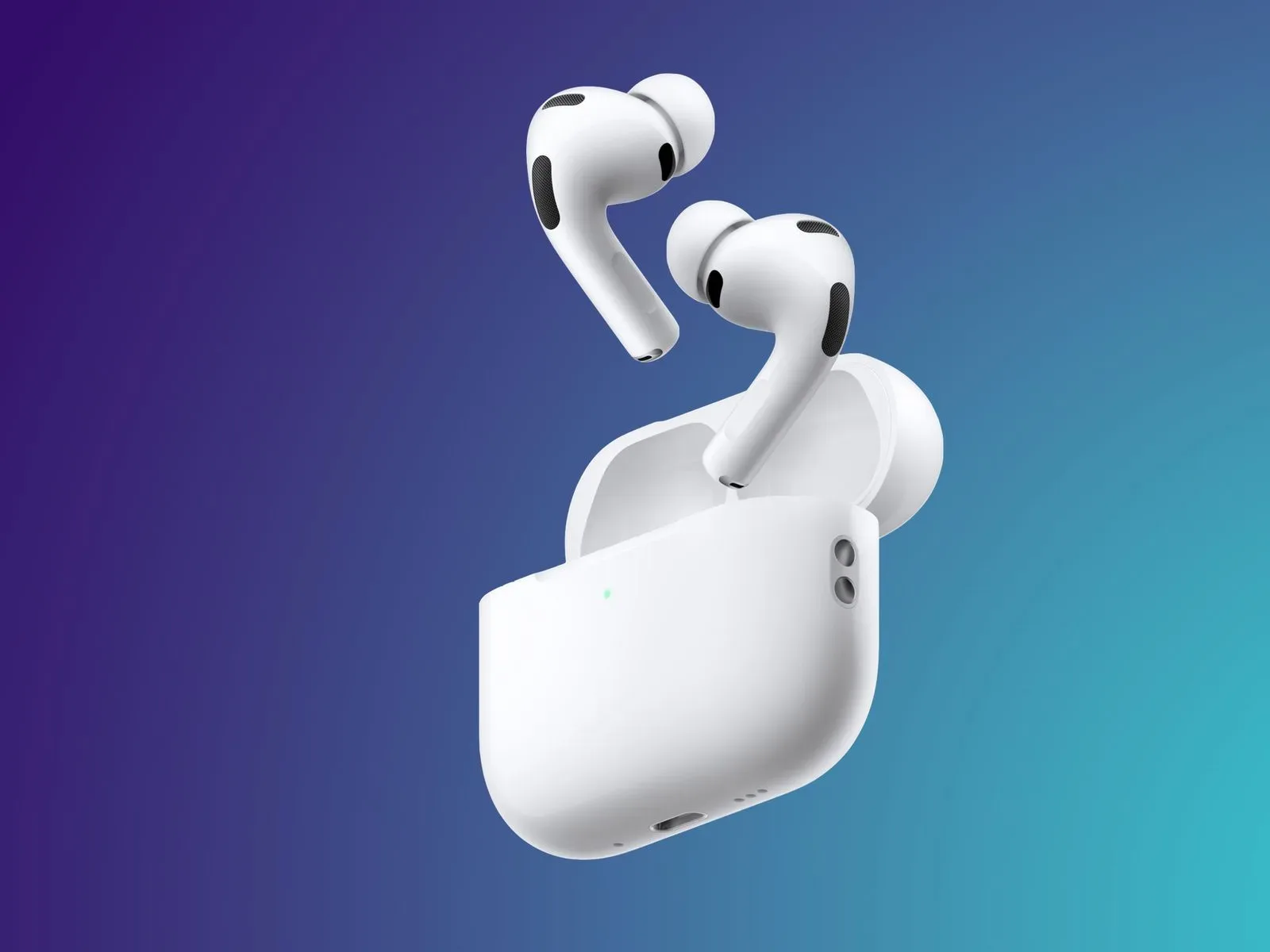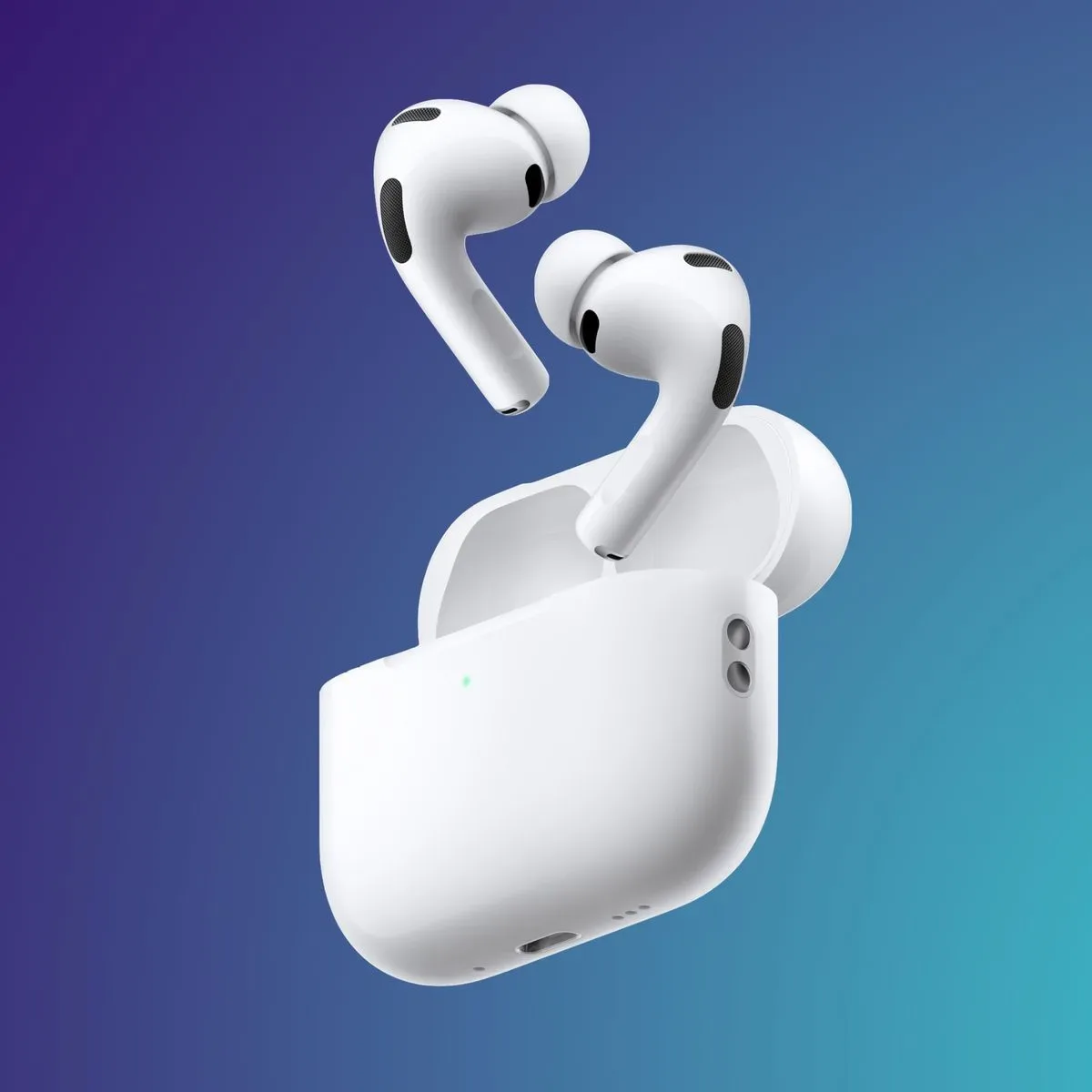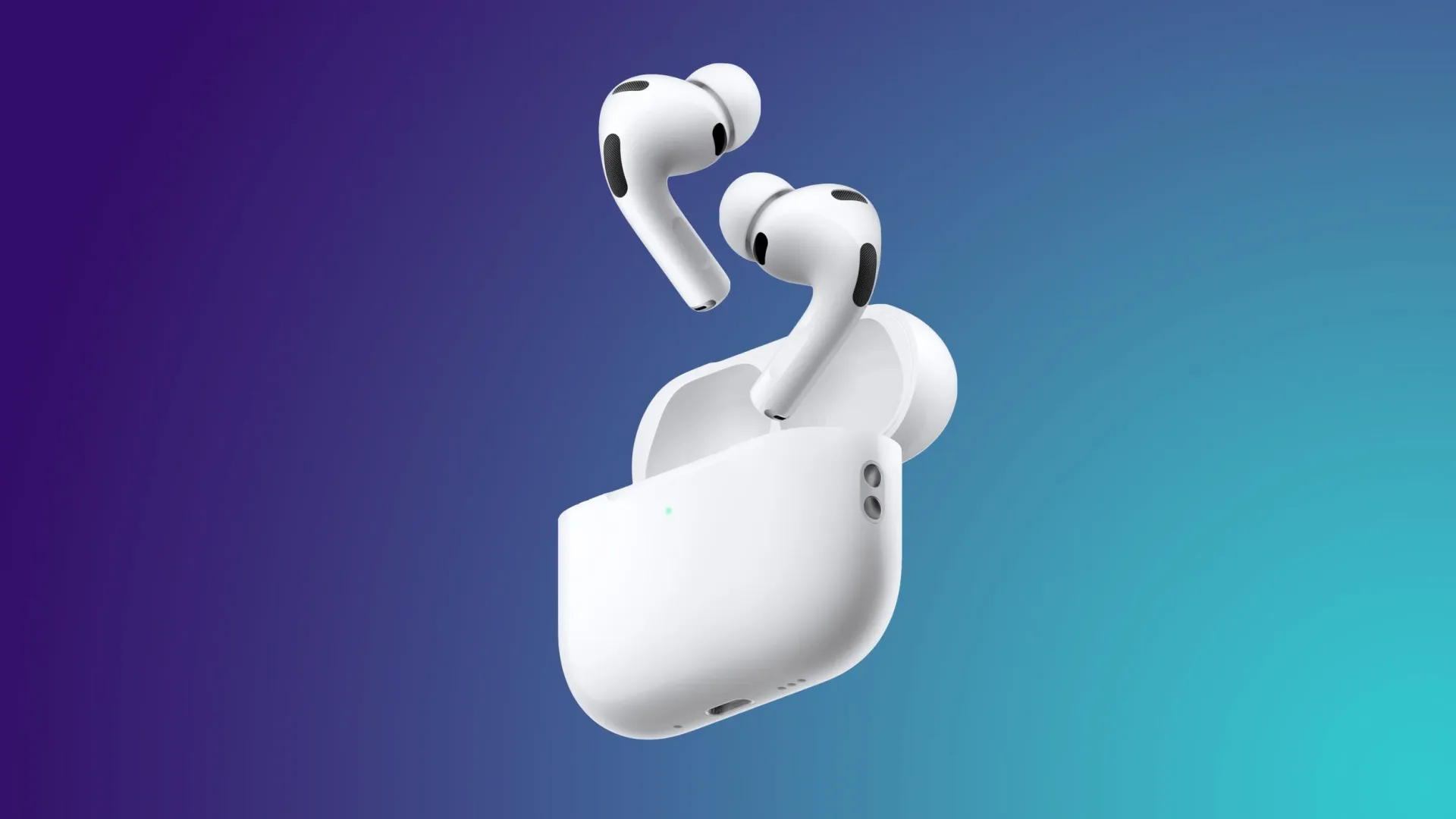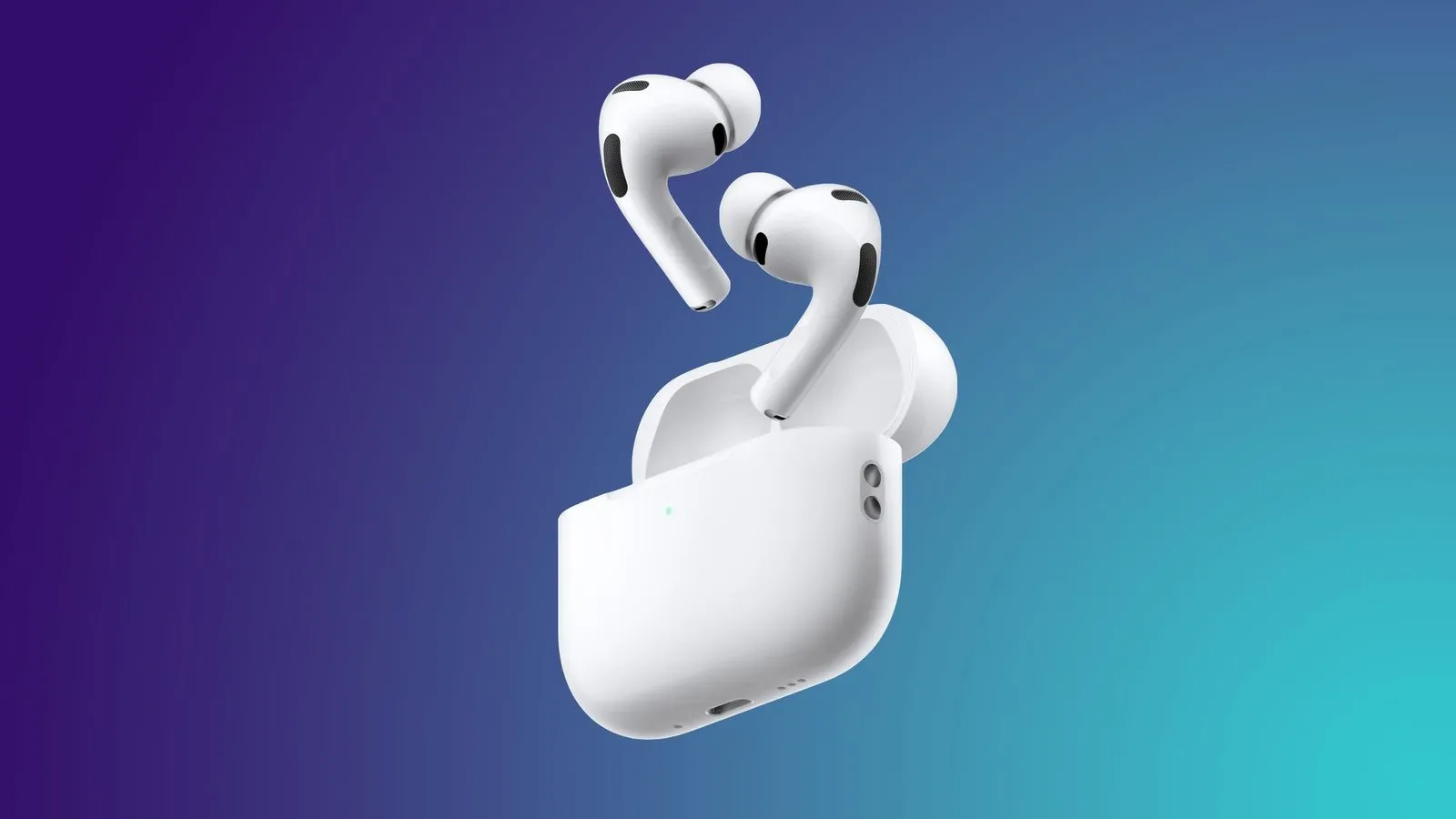
The tiny camera may have missed its cue. Apple was reportedly preparing to introduce a premium in-ear AirPods model with built-in cameras at its September 9 event, but that product is now said to be delayed until 2027. New AirPods 5 models are still expected to be part of the day’s hardware lineup, so the earbud portion of the show is not reportedly disappearing—just the particularly ambitious version with an extra set of electronic eyeballs.
The reported camera-equipped earbuds are intended to analyze the environment around their wearer. That is a notably different proposition from a conventional wireless-audio upgrade. Better sound, longer battery life, fit revisions, and noise control are familiar entries on the earbud patch notes. Cameras would signal a device designed to participate more directly in how software understands a user’s surroundings.
For now, though, it is important to separate the reported roadmap from a confirmed product announcement. No specifications, camera placement, software interface, pricing, regional release details, or finalized capabilities have been established here. The clearest reported change is timing: a model that had been discussed as potentially arriving before the end of 2026 was subsequently said to have been removed from the company’s 2026 roadmap.
From possible 2026 arrival to a reported 2027 target
The timeline has moved quickly. In early August, reporting indicated that development was progressing well enough that the camera AirPods could potentially ship before the end of 2026. By the middle of that same month, the outlook had changed: the device was reportedly no longer planned for 2026 and had shifted to 2027.
That later target is reportedly aligned with the 20th-anniversary iPhone. Pairing a more experimental wearable with a landmark iPhone generation would make strategic sense as a scheduling idea, but it remains only a reported plan rather than a promise. Product schedules can change again, especially for hardware attempting to combine a discreet physical design with sensing technology and software that must interpret real-world input responsibly.
In other words, this is not necessarily a story about a product being cancelled. It is a story about a reported delay. Those are very different states of play. A cancelled device exits the lobby; a delayed one is still in matchmaking, waiting for its build to be ready.
Why cameras would be a major shift for earbuds
AirPods already occupy an unusual place in the personal-tech inventory. They are easy to carry, commonly worn for long stretches, and closely tied to phones, voice assistants, calls, music, alerts, and media. Adding cameras could theoretically make the earbuds a source of environmental information as well as sound. That concept extends far beyond an annual audio refresh.
The reported purpose—analyzing surroundings—also explains why a schedule change would be unsurprising. A system that uses images or visual data near a person’s face has to work within tight physical, technical, and social constraints. The product would need to fit in an earbud form factor, manage power and heat, and interact sensibly with the rest of a user’s device ecosystem. Just as importantly, it would need to make its behavior understandable to the wearer and the people around them.
None of that tells us precisely what Apple’s approach would be, because those details have not been confirmed. It does illustrate why “put cameras in earbuds” is not a simple bullet point that can be stapled onto a spec sheet between USB-C and a new charging case. The hardware is only one part of the challenge. Software interpretation, privacy expectations, accessibility considerations, and the everyday comfort of wearing the device all matter.
The reported 2027 timing should be treated as a roadmap signal, not as a finalized launch date or a confirmed description of the finished product.
What remains expected today: AirPods 5
While the higher-end camera model has reportedly moved out of this year’s plans, today’s event is still expected to include new AirPods 5 models. That distinction matters for anyone watching the presentation specifically for headphones. A delay to an experimental flagship-type concept does not mean the ordinary product cycle has stopped.
At present, the supplied reporting does not establish the features, number of variants, prices, release date, or technical differences for the incoming AirPods 5 lineup. It is best not to fill those blanks with a wish list dressed up as news. Until the event provides official details, “new AirPods 5 models are expected” is the relevant takeaway.
That may also be the more immediately useful development for shoppers who simply want earbuds for calls, music, commute noise, or casual gaming chat. A new generation can affect the broader lineup even before consumers know every detail: it clarifies which model is current, may change how older stock is positioned, and gives buyers a more concrete comparison point. It does not automatically mean everyone should wait, of course. The right move depends on whether a person needs earbuds now and what is actually announced.
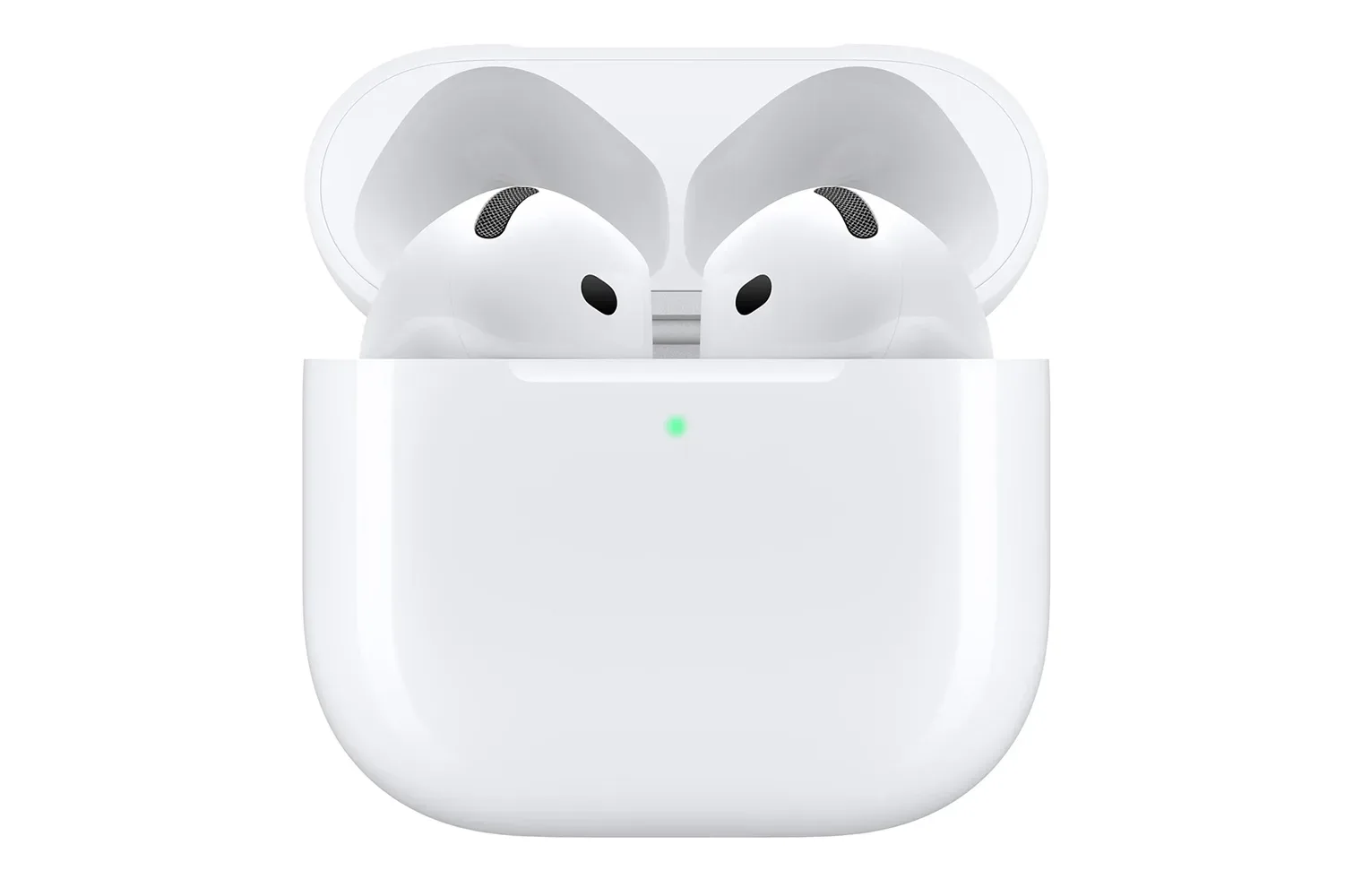
For a baseline on the current entry-level landscape, Joking Joystick has also covered AirPods 4 listed at $99. That existing deal context is separate from the reported AirPods 5 plans, and a future model should not be assumed to match an earlier model’s price or availability.
Don’t treat a delay as a feature leak
Hardware-roadmap stories encourage a particular kind of runaway imagination. Once a device category is mentioned, it is tempting to jump straight to questions about live translation, object recognition, navigation prompts, gaming features, recording behavior, augmented-reality controls, or a dozen other possibilities. Those ideas may be interesting, but they are not established by the report.
The known reported description is narrower: high-end in-ear AirPods with cameras intended to analyze the surrounding environment. That provides a direction, not a product manual. It does not confirm how many cameras exist, what they see, whether data is processed on-device or elsewhere, what apps would use it, whether wearers could disable sensing, or whether the final product would reach market with exactly the same concept.
Keeping that boundary clear is especially useful with a rumored device that could arrive more than a year from now. The later the schedule, the more opportunity there is for internal revisions. Design changes, capability changes, naming changes, and further timing changes remain possible. Even the reported pairing with the anniversary iPhone should be viewed as a current roadmap expectation, not a calendar event consumers can safely build buying plans around.
The privacy question arrives before the product does
A camera integrated into a wearable creates immediate questions about consent and visibility, even when the device’s stated aim is environmental analysis rather than conventional photography. Earbuds are small and designed to blend into everyday use. That discreteness is a strength for listening, but it can make sensing hardware a more sensitive proposition than a large, obvious camera.
Those concerns do not prove the reported product cannot work or that it will be poorly implemented. They simply show why the public conversation around such a device will involve more than audio performance. Clear indicators, easy controls, transparent explanations, and practical safeguards would all be central topics if and when a camera-bearing AirPods model is formally introduced. At this stage, however, there is no confirmed information about how any of those issues would be handled.
For gamers and tech fans, the broader lesson is familiar: the most intriguing hardware concepts often sit at the intersection of convenience and compromise. A product that hears what you hear is one thing. A product that may understand what is around you is another entirely. The latter demands not only clever engineering but a convincing answer to the question of when it should be active, what it should do, and how people know.
A longer runway for a potentially different kind of wearable
If the reported schedule holds, 2027 gives Apple additional time to turn a provocative premise into a coherent consumer device. It also means today’s event should be judged on what actually appears there, rather than on a camera-equipped product that is reportedly no longer due to join the 2026 lineup.
The near-term scoreboard is straightforward: new AirPods 5 models remain expected, while the premium AirPods with built-in cameras have reportedly slipped to 2027 alongside the 20th-anniversary iPhone. That leaves plenty of unanswered questions, and it would be premature to answer them on the product’s behalf. For now, the camera AirPods story is a delayed quest marker—not yet a released item, and not a confirmed preview of every ability it may eventually have.