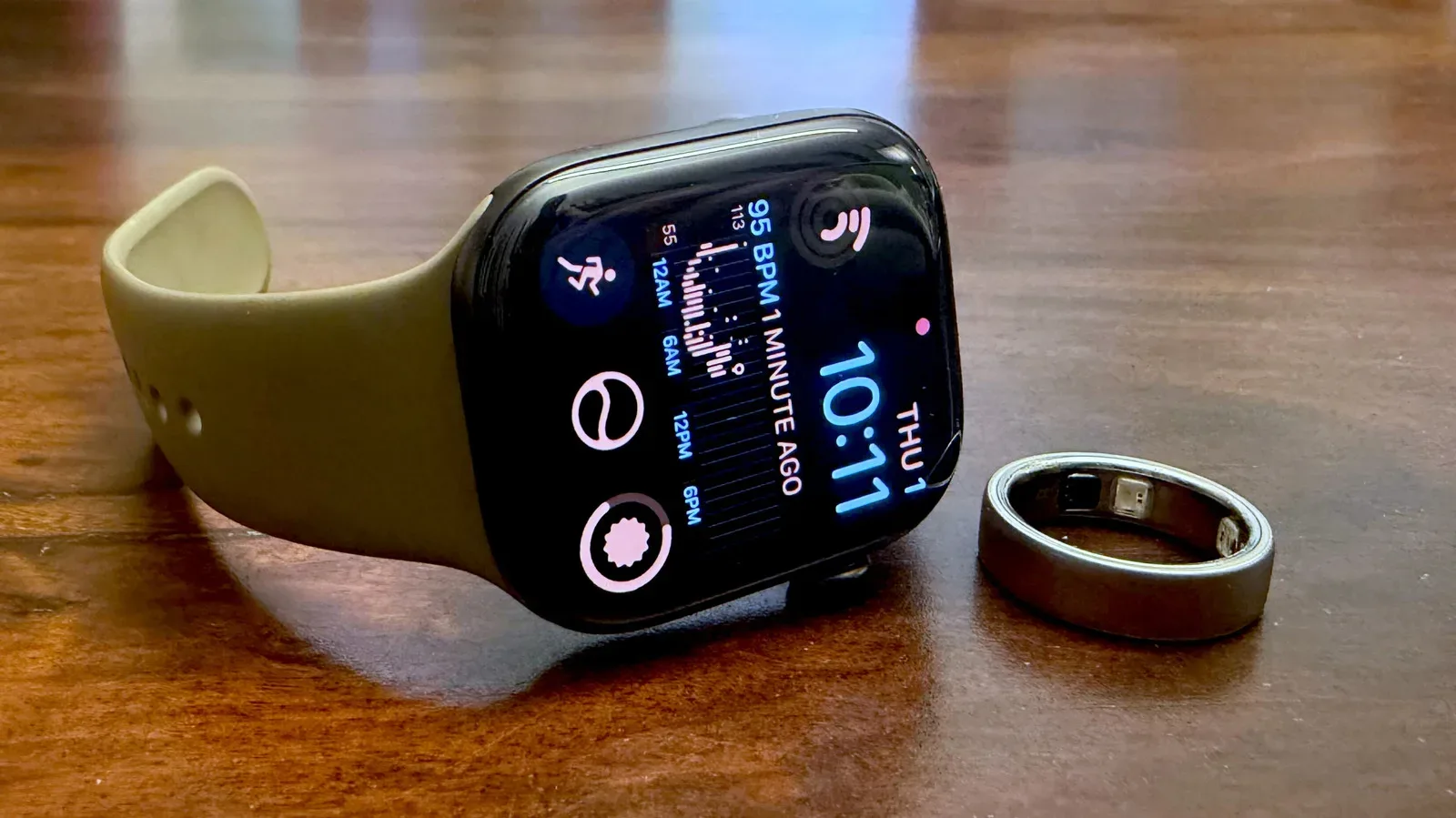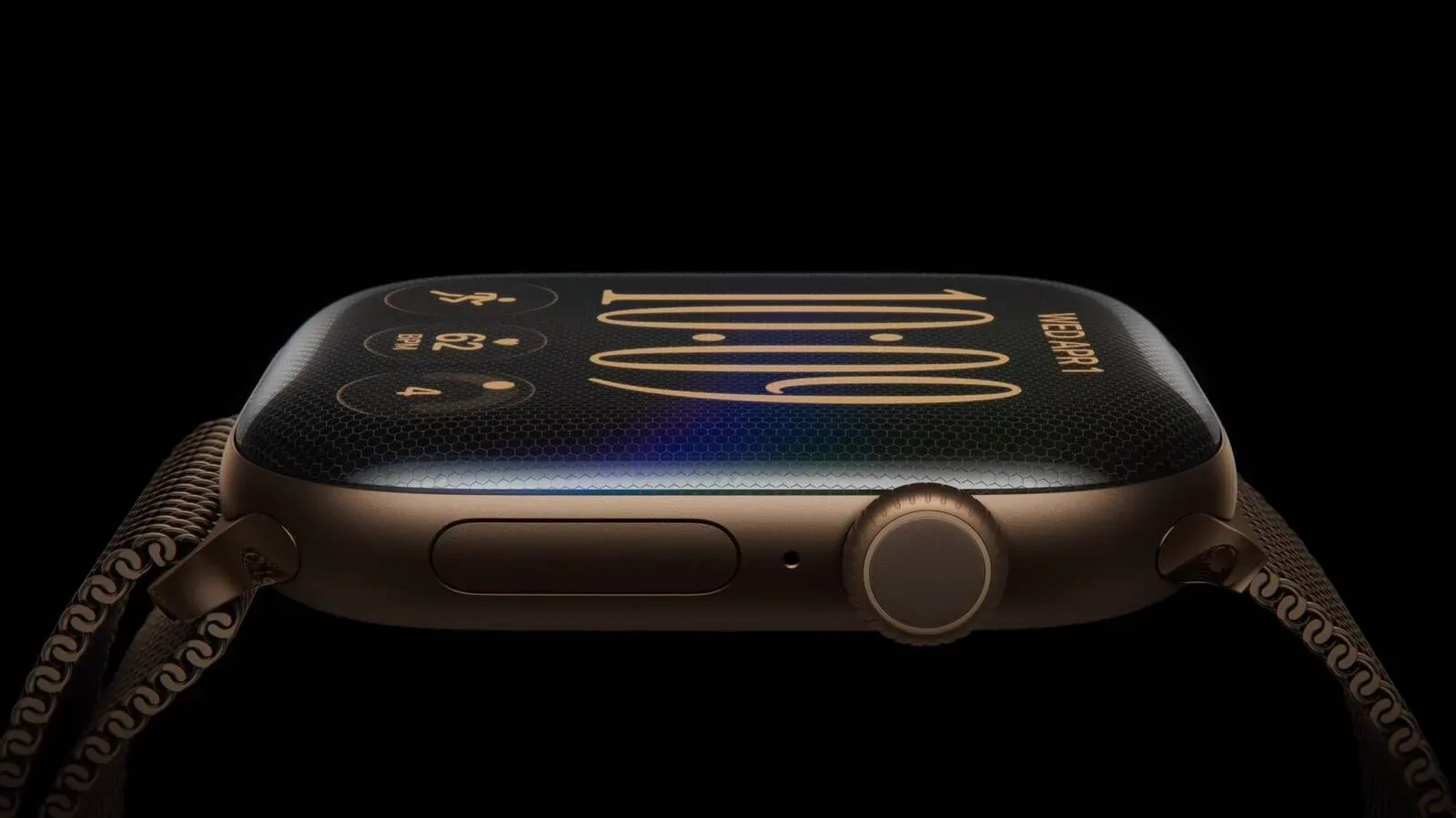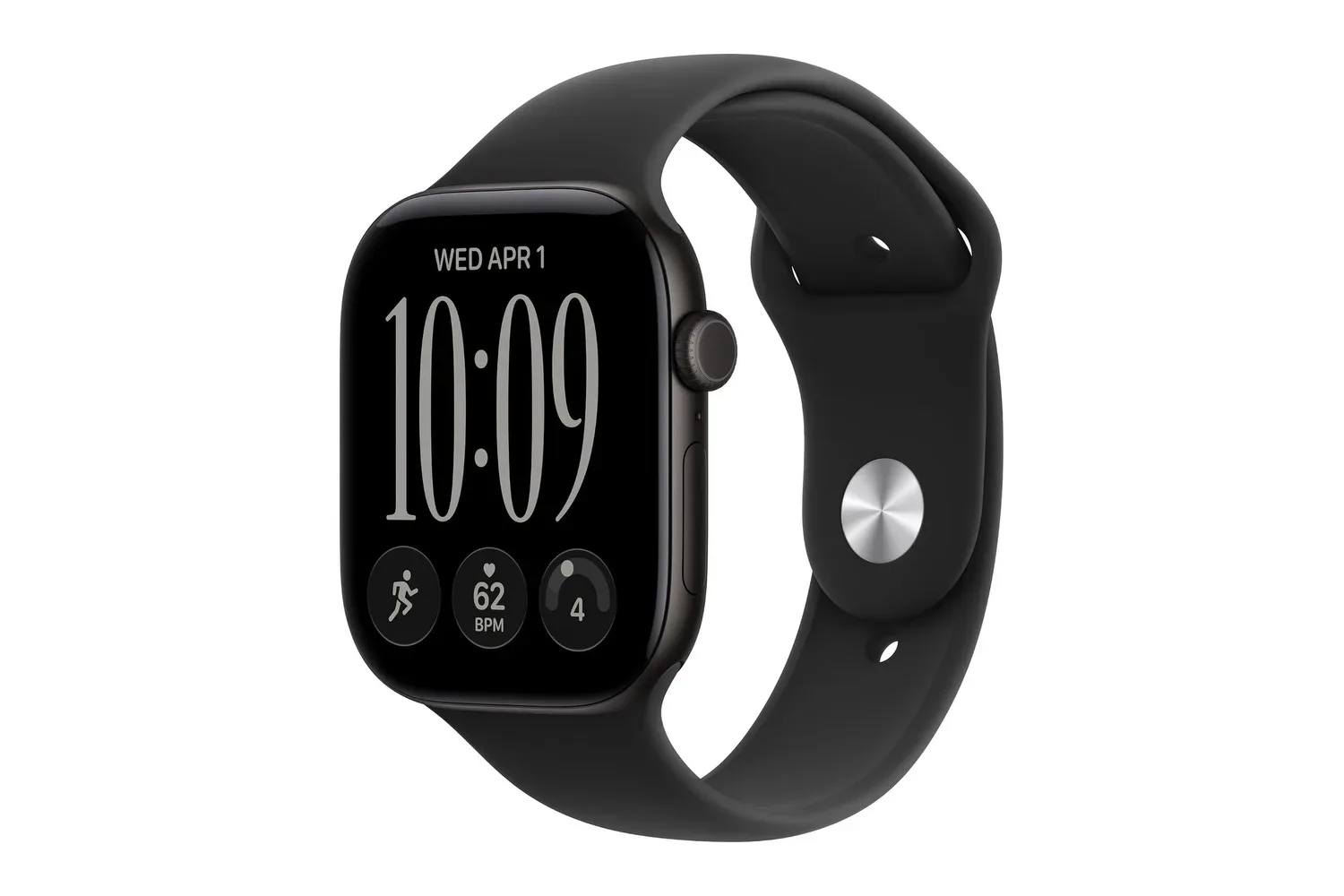
The Apple Watch Series 12 GPS + Cellular in the 46mm aluminum case is listed at $500, down $49 from its stated $549 price. That is roughly 9% off and is presented as a record-low price for the model. The deal matters less as a simple discount on a wrist computer and more as a look at what Apple is putting into its current daily-wear wearable: denser heart-related measurements, a new readiness score, cellular connectivity for time away from an iPhone, and a bright always-on display.
This specific configuration is important. It is the 46mm GPS + Cellular Apple Watch Series 12, rather than a GPS-only version or an unspecified size. Cellular is the feature that lets the watch place and receive voice calls, send and receive texts, stream music, and seek emergency assistance when the paired iPhone is not nearby. It does not mean the service is free: using that connection requires a separate carrier plan.
The price and the configuration
The $500 listing applies to the Apple Watch Series 12 GPS + Cellular 46mm smartwatch. Its stated regular price is $549. Shoppers comparing models should avoid treating every Series 12 deal as interchangeable, because the supplied details are tied to this larger, cellular-equipped aluminum version.
For someone who keeps an iPhone close most of the time, the practical case for cellular may be narrow. For a runner, a person doing errands without a phone, or anyone who wants an emergency-contact option on their wrist, it changes the watch from a companion display into a more independent communications device. That independence comes with the ongoing consideration of a carrier plan, which is separate from the initial watch price.
The aluminum Series 12 is offered in Space Gray, Black, Light Gold, and Dark Bronze. Those are cosmetic choices rather than different technical variants, but they give buyers a few ways to match the watch to their preferred bands and everyday wardrobe.
What the redesigned Health Sensing System changes
Apple’s major hardware claim for this generation centers on the Health Sensing System. The company describes it as having its most accurate wearable heart-rate sensor. The system combines redesigned optical and electrical heart sensors, with larger electrodes for ECG readings, photodiodes arranged in a ring, and enhanced green LEDs.
Those terms describe two complementary ways a watch can gather heart-related information. Optical sensors use light, including the watch’s green LEDs, to gather pulse-related measurements through the skin. Electrical sensors are used for ECG readings. An ECG, or electrocardiogram, is a recording related to the heart’s electrical activity. The supplied information identifies larger electrodes as part of the redesign, but does not provide clinical performance figures or establish that a watch replaces professional medical evaluation.
More notable for everyday use is the collection cadence. Series 12 can capture heart-rate data every five seconds throughout the day and record heart rate variability, or HRV, as often as every five minutes. HRV refers to variation in the timing between heartbeats. Here, the value of gathering measurements more frequently is not simply a longer chart: it is the input for Apple’s new readiness score.
Readiness score: a baseline comes first
The readiness score is intended to help a wearer judge whether they may be prepared for a hard workout or might be better served by recovery. The watch needs around a week of continuous wear before it can establish the personal baseline needed to offer those scores.
That one-week requirement is a useful expectation-setter. A new owner should not expect the feature to be fully personalized immediately after setup. It also makes consistent use part of the product experience. Sleep tracking, movement data and heart-related measurements can only support a trend-based view when the watch has enough of a wearer’s own data to compare.
The new Health app approach follows the same pattern. Apple plans personalized recommendations based on watch data through Apple Intelligence, while a Longevity tab is set to bring together sleep, movement and heart-health information. The apparent aim is to make the information more actionable rather than leave users to move among separate metrics. What recommendations look like in practice will depend on the data collected from the wearer, and the supplied details do not specify every recommendation the app may provide.
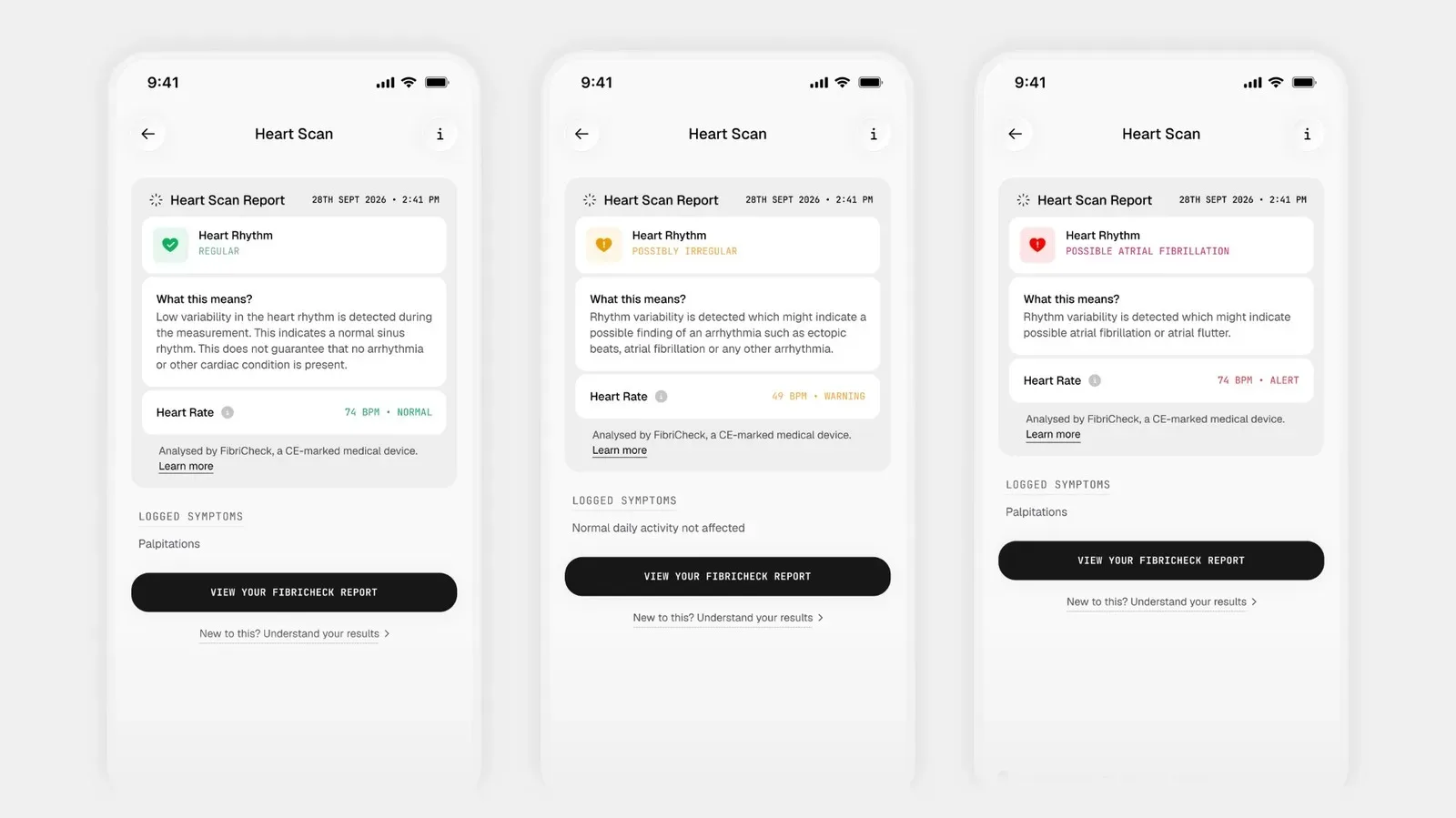
Wearable companies are increasingly competing on how they turn sensor readings into understandable signals, not merely on how many readings they collect. For context, another recent wearable development is Ultrahuman’s addition of on-demand 60-second heart-rhythm scans for Ring users. Series 12’s approach, as described here, emphasizes frequent background measurements and a personal readiness baseline.
S11 chip and sound-aware functions
The S11 chip supports the health-measurement schedule and also underpins additional Audio Intelligence functions. Sound Recognition can recognize alarms, doorbells, crying babies and other sounds. This is a practical accessibility and awareness-oriented function: a wearer may be able to receive an alert about an audible event without being directly focused on it.
Apple also lists Live Rewind and Siri Recap among features expected later in the year. The timing matters. They should be considered forthcoming functions rather than capabilities available at the point covered by this listing. Buyers weighing the watch chiefly on either of those tools should account for that distinction.
Everyday control is aided by double-tap and wrist-flick gestures. Apple says these can be used to answer calls, dismiss notifications and otherwise operate the watch while keeping a hand free. Gesture controls are not the centerpiece of the health story, but they reinforce the Series 12’s intended role as a device used in quick moments rather than something that demands prolonged screen attention.
Display visibility and battery trade-offs
The 46mm Series 12 has an Always-On Retina display with brightness reaching up to 2,000 nits. A nit is a unit of brightness; in straightforward terms, the higher peak is intended to make the screen easier to see under direct sunlight. The display also uses a wide-angle OLED panel designed for readability from nearly any viewing angle.
That is especially relevant to workout and navigation-style glances, where raising and squarely facing the wrist is not always convenient. An always-on screen also means time and chosen complications can remain visible without a deliberate wake action.
Apple estimates up to 24 hours of battery life with normal usage, or up to 38 hours in Low Power Mode. These are two separate usage expectations, not a promise that every routine will produce the higher result. The practical decision is whether a buyer prioritizes the fuller normal-use feature set or needs extra time between charges and is prepared to use Low Power Mode.
The stated normal-use estimate suggests the Series 12 is built around a daily charging rhythm, particularly for people who also want sleep tracking. Planning when the watch is off the wrist becomes more relevant when continuous wear is needed to establish and maintain the data patterns behind features such as readiness scoring.
Fitness, safety and the phone-free case
Alongside its heart sensing and sleep features, the watch supports different workout types, ECG, Fall Detection and Crash Detection. These features give the Series 12 a broader brief than exercise metrics alone: it is positioned as a communications, activity and safety device that remains useful beyond the gym.
The strongest buying question is likely not whether the watch has a large list of functions, but whether its cellular capabilities fit a person’s habits. The option to leave the iPhone behind while retaining calls, texts, music streaming and emergency access is compelling for some routines. For others, it may add a carrier-plan obligation without changing how they use the watch. Meanwhile, the redesigned sensor system and week-long baseline requirement make the Series 12 most relevant to users willing to wear it consistently and engage with longitudinal health and recovery information.
At $500, this listing reduces the entry price for the 46mm GPS + Cellular Series 12 by $49. The central trade-off remains clear: buyers are getting Apple’s more independent connectivity option and newer health-data approach, while needing to budget for a separate cellular plan and live within a stated 24-hour normal-use battery estimate.
Shop the products
Check current price, model and availability at the retailer.