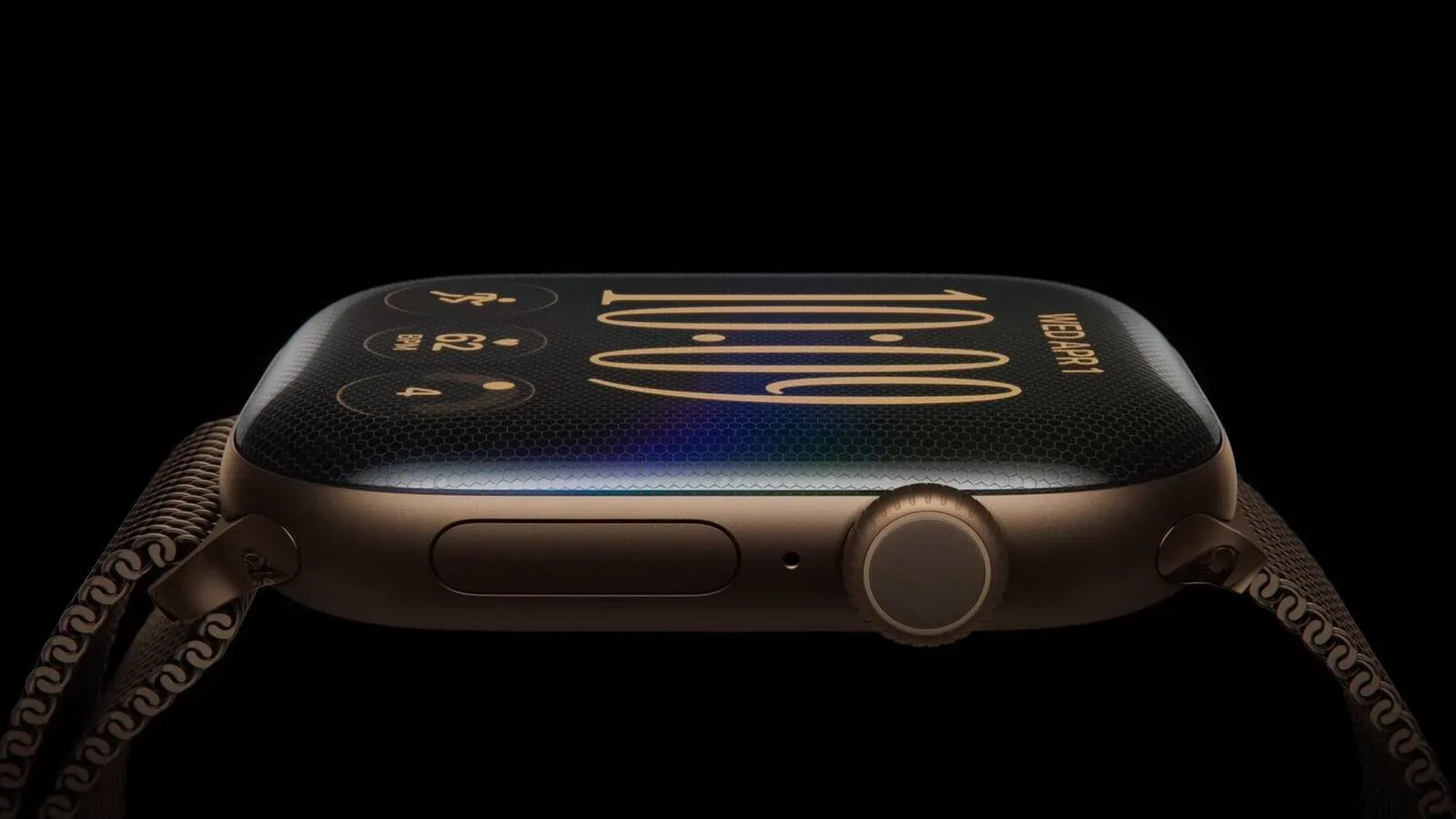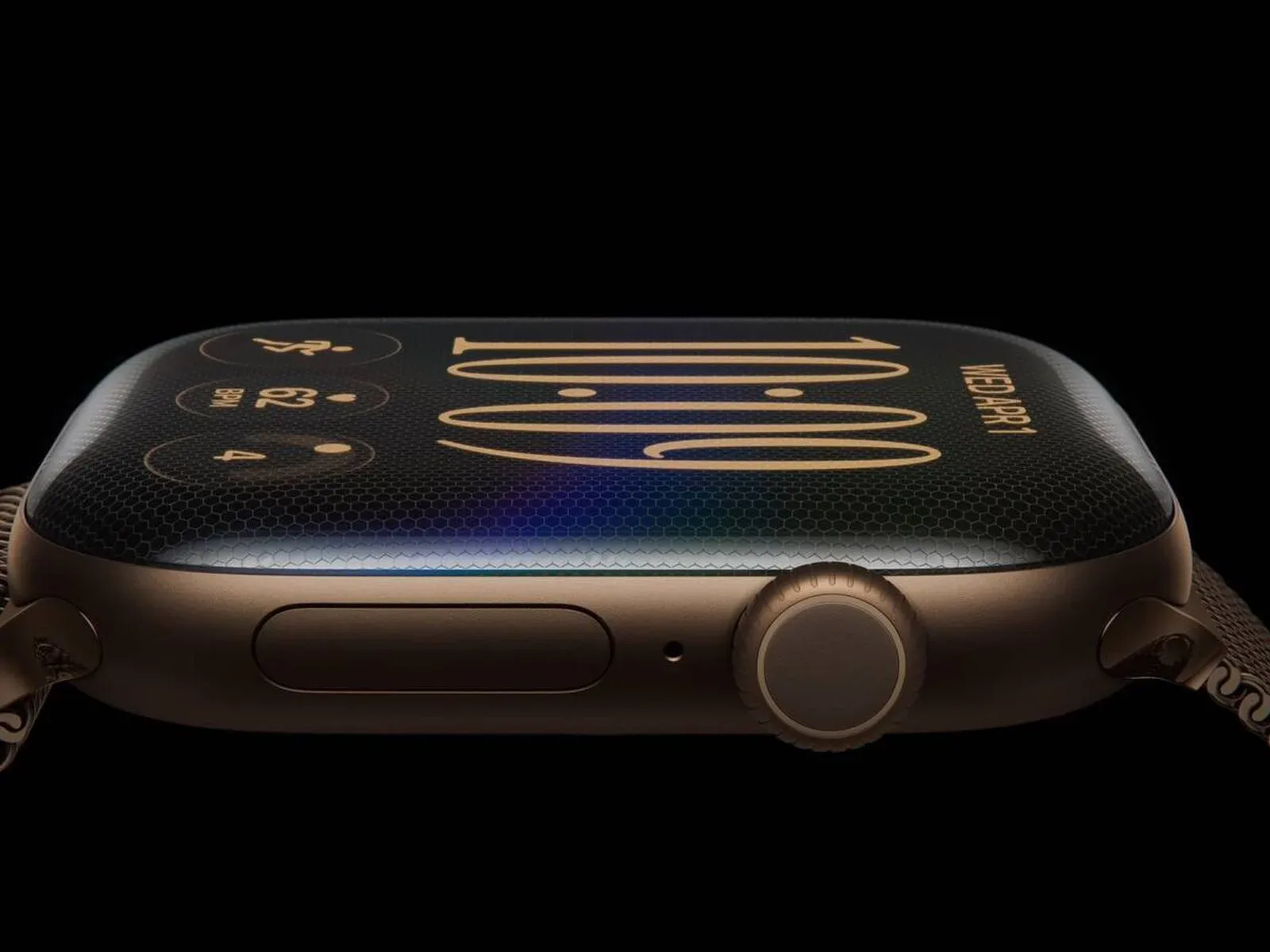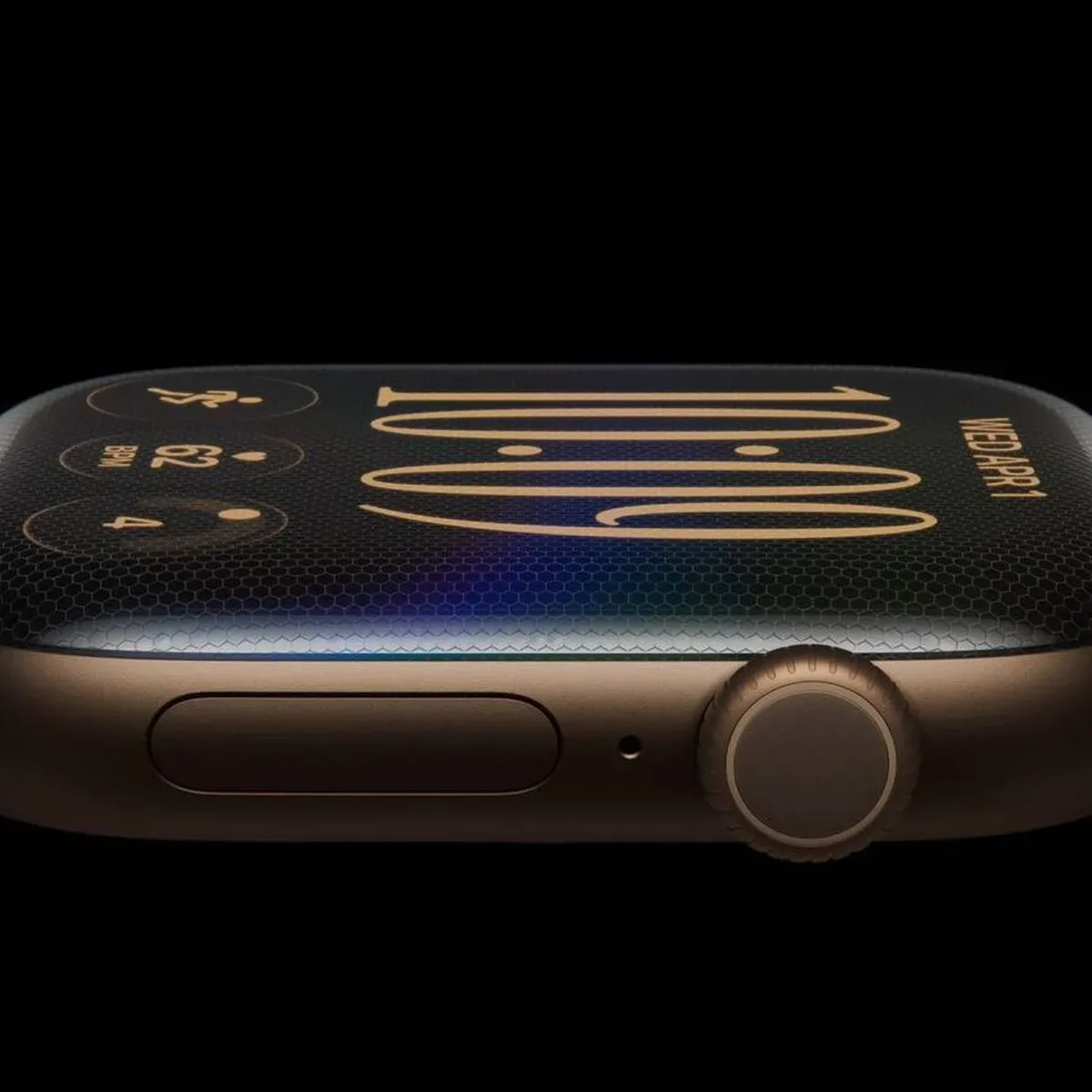
Apple Watch Series 12 is headed into a very crowded pocket of the gadget universe with a familiar mission: sit on the wrist, quietly collect data, and make everybody briefly wonder whether their sleep score is judging them. The new model brings an S11 chip, a redesigned health-sensing system, a wider set of case materials, and a substantial software-facing health initiative that reaches beyond the watch itself.
The Series 12 starts at $399. Preorders are open now, and availability begins September 18. Its headline changes do not revolve around a single flashy game-changing control or a radically different silhouette. Instead, Apple is concentrating on the materials, the sensors that underpin several established wellness features, and a redesigned Health app intended to put more of a user’s information in one place.
For people who use a smartwatch alongside their phone, headphones, fitness tracking, messages, and the never-ending ritual of checking whether a delivery has moved one stop closer, that kind of update may be the point. A wearable does not need to commandeer the room. It needs to work consistently in the moments when taking out a phone is inconvenient, including walks, workouts, commutes, and the bits of downtime between more screen-heavy activities.
S11 chip and a broader material lineup
At the core of Apple Watch Series 12 is the S11 chip. Apple has confirmed the new chip as part of the model’s feature set, though the available details do not specify performance figures, battery-life claims, or a list of watchOS tasks that receive a measurable boost. As a result, the sensible expectation is simply that S11 is the new silicon platform for this generation, rather than a reason to assume particular speed gains before those details are provided.
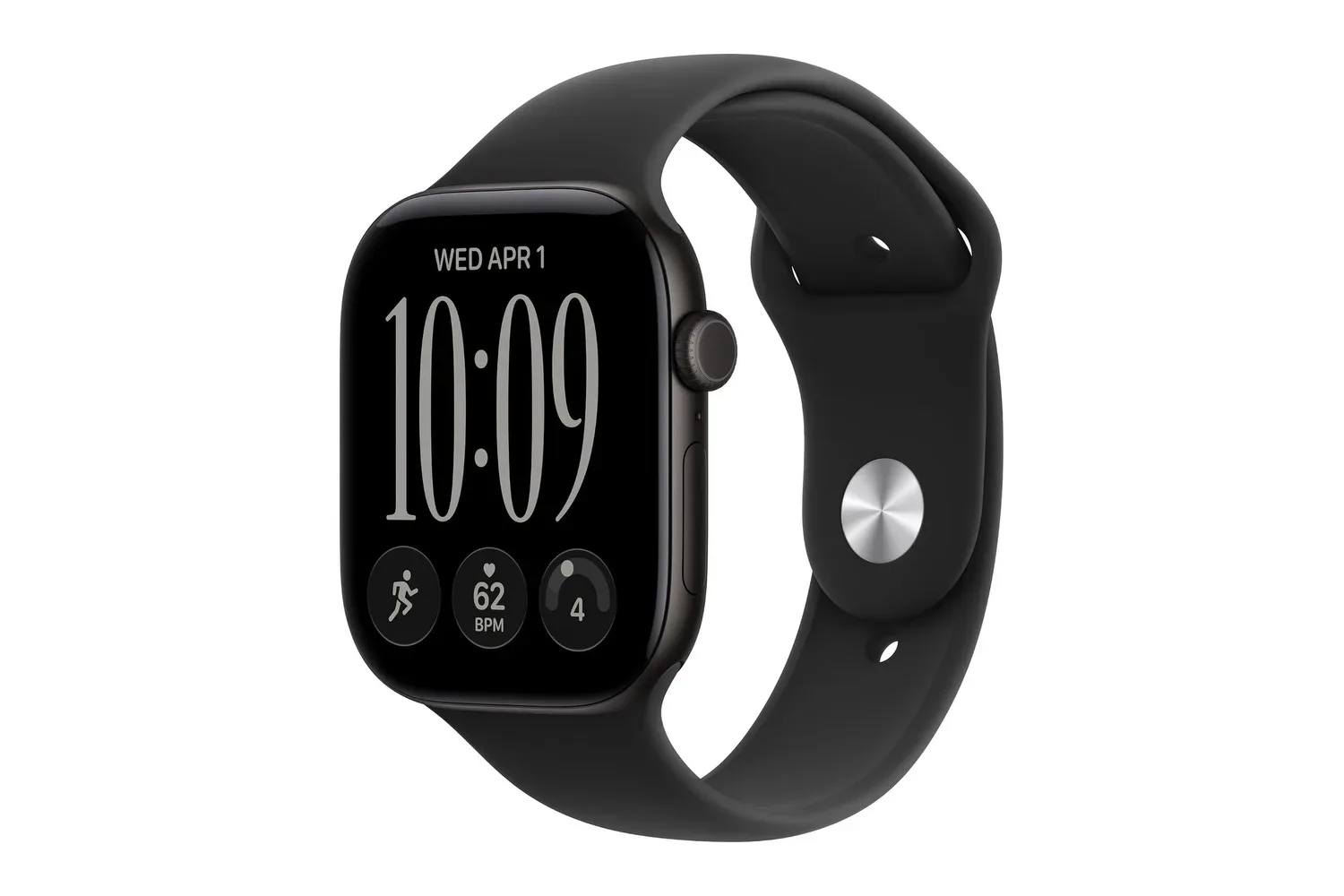
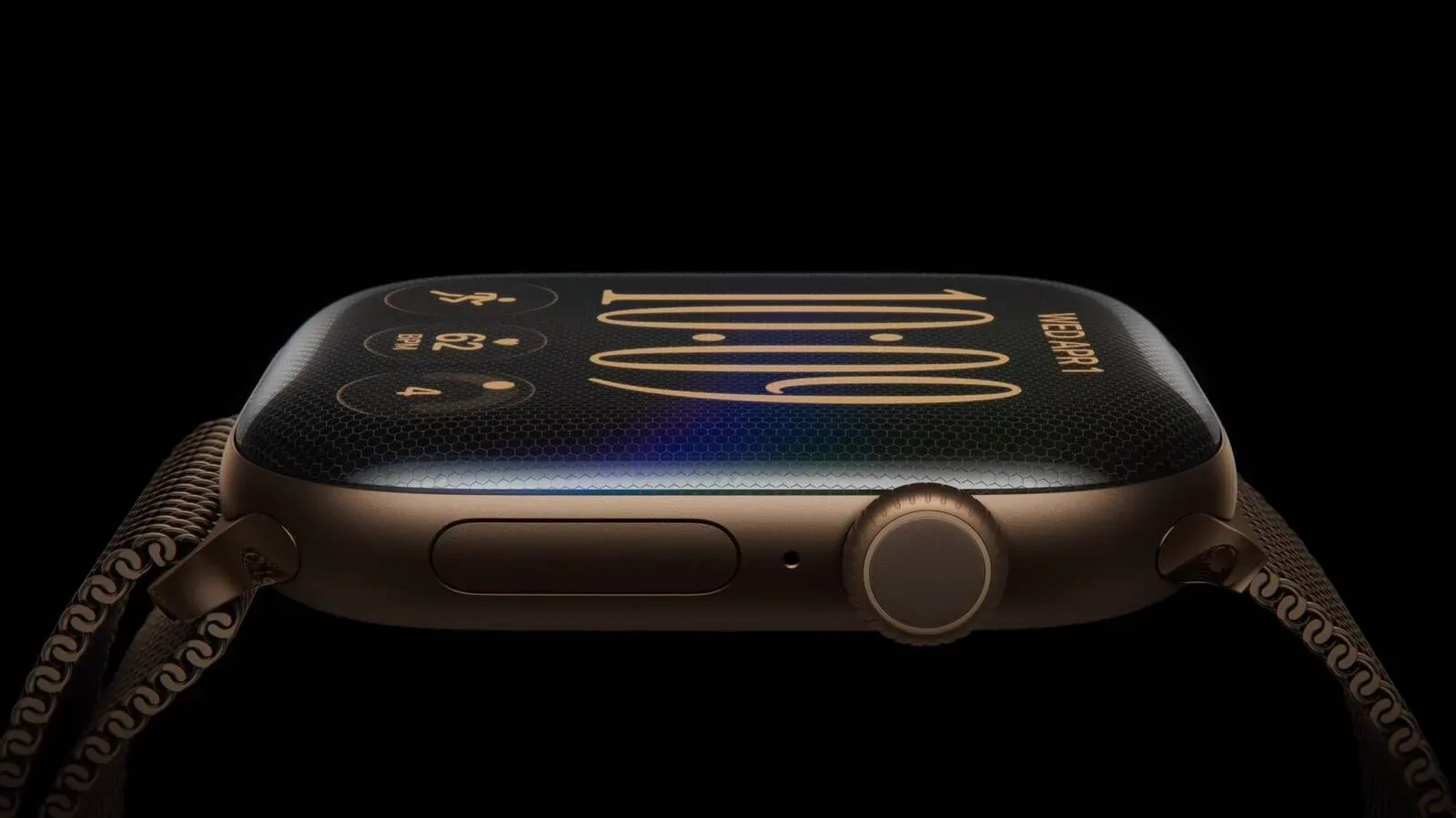
The exterior choices are more clearly defined. Aluminum Series 12 models arrive in Space Gray, Black, Light Gold, and Dark Bronze. Apple says the aluminum versions now use Ceramic Shield and that this makes their displays 60% tougher. That is a manufacturer claim, not a substitute for a complete picture of how the display will hold up against every kind of daily scrape, drop, or unfortunate collision with a door frame.
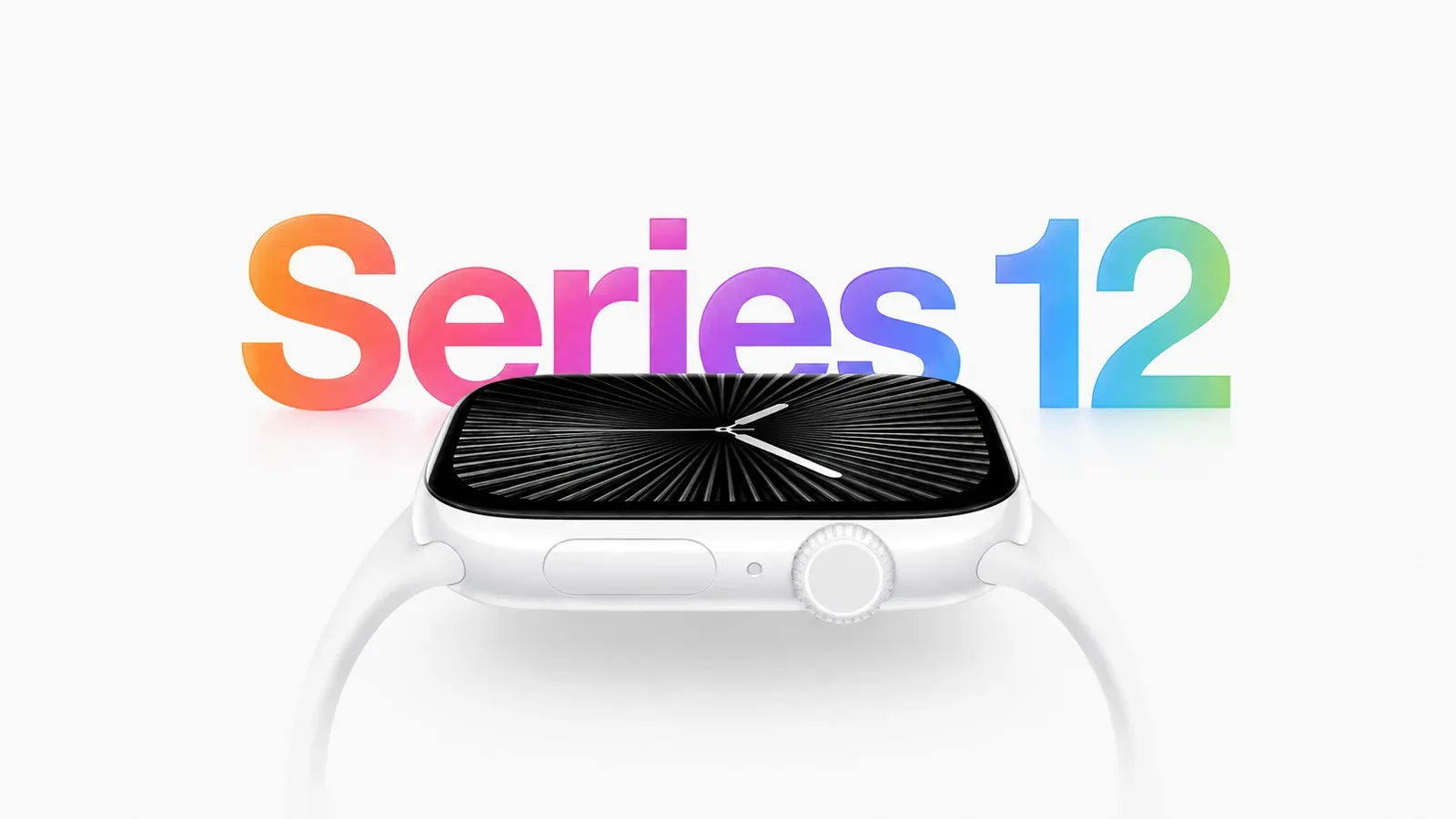
Polished titanium models will be offered in Radiant Gold and Natural. Ceramic joins the lineup in Pearl White and Night Blue. Those ceramic options are particularly notable because a finish can change the personality of a device that is worn continuously far more than a spec-sheet bullet ever can. Pearl White sounds designed for a clean, classic look, while Night Blue gives the watch a darker alternative without defaulting to black.
There is also a straightforward collector-minded appeal in having aluminum, titanium, and ceramic choices available at once. Different materials can serve different priorities, whether that means a particular visual finish, the feel of a case, or simply matching a preferred band and everyday wardrobe. Nobody needs a dramatic backstory to choose a watch color, but hardware fans know a good finish is often the line between “that is nice” and “I actually want to wear that every day.”
Reworked sensors target the measurements underneath the dashboard
The Series 12 redesigns the health-sensing system. Apple says the electrode surface is larger to improve skin contact for ECG readings. It has also arranged photodiodes in a ring to gather light more efficiently, while the green LEDs used for heart-rate tracking are larger and designed to be more power-efficient.
These sound like component-level changes, but they matter because the usefulness of a wearable’s health features begins with its ability to take readings in routine real-world use. Better contact and more efficient light capture are not glamorous phrases. Neither is “electrode surface.” Yet they are the kind of engineering details that sit below the graphs, notifications, and summaries people actually see.
It is important not to overread what has been announced. The sensor changes describe improvements to the system’s hardware design; they do not turn a consumer smartwatch into a replacement for professional medical care. Data from any wrist-worn device has context, and people considering health decisions should use appropriate medical guidance rather than treating a notification, trend line, or age comparison as a diagnosis.
Still, the direction is clear: Series 12 is being positioned as a watch that collects wellness information with revised hardware and then feeds it into a much more ambitious app experience. For users who already rely on the Watch for workouts, sleep tracking, heart-rate information, or ECG functionality, the changes focus on the part of the product that makes those features possible in the first place.
Health Age wants to make the numbers easier to interpret
Apple is redesigning the Health app around personalized guidance powered by Apple Intelligence. One of the upcoming additions is Health Age, which compares a user’s health indicators with their chronological age. It combines Apple Watch metrics including VO2 max and sleep with biomarkers from blood tests.
That is a notable shift in presentation. Instead of leaving people to jump among isolated metrics, Health Age is intended to offer a single comparison point built from multiple inputs. A Longevity tab is also planned to assemble insights spanning sleep, movement, heart health, and other areas. The idea is less about adding another raw number to admire or dread and more about grouping the information into an ongoing overview.
Users will be able to enter lab results manually or synchronize medical records. In the United States, Apple will offer access to a Quest blood panel with more than 50 biomarkers for $119. The distinction between the U.S. blood-panel offer and the broader app tools is worth keeping in mind: availability and specific options may differ by region.
Outside the U.S. blood-panel detail, Apple also described a new VO2 max test that pairs an iPhone camera with Apple Watch. Users complete a series of exercises while the system assesses them and provides results immediately. The announcement does not lay out the supported countries for this test, the precise exercise sequence, or eligibility requirements, so interested users should wait for Apple’s regional and device guidance before assuming it will be available to them.
The redesigned Health app is due later this year, rather than alongside the September 18 Series 12 availability date. That timing matters for anyone weighing a purchase based primarily on Health Age, Longevity, record syncing, or the new test. The watch arrives first; the expanded software experience follows later.
Siri Recap extends the AI push to conversations
Apple also outlined Siri Recap, an upcoming beta feature that generates titles, summaries, and key points from conversations for review in the Siri app. Users will be able to set when it takes notes or switch it through Control Center. Apple says its audio features do not create or retain audio recordings.
Siri Recap is scheduled for beta release later this year, beginning in English, with more languages planned afterward. Again, the timing and beta designation are important. This is not a feature presented as universally available on day one, and language coverage will expand over time rather than arrive all at once.
Conversation summaries could be useful in the sort of daily routine where a person moves from a workout to a meeting to a group chat about what to play that evening and has somehow misplaced the useful detail in all three. But its value will depend on individual preferences and the eventual experience in beta. What Apple has established now is the intended function, the controls for note-taking, and its statement that recordings are not created or stored.
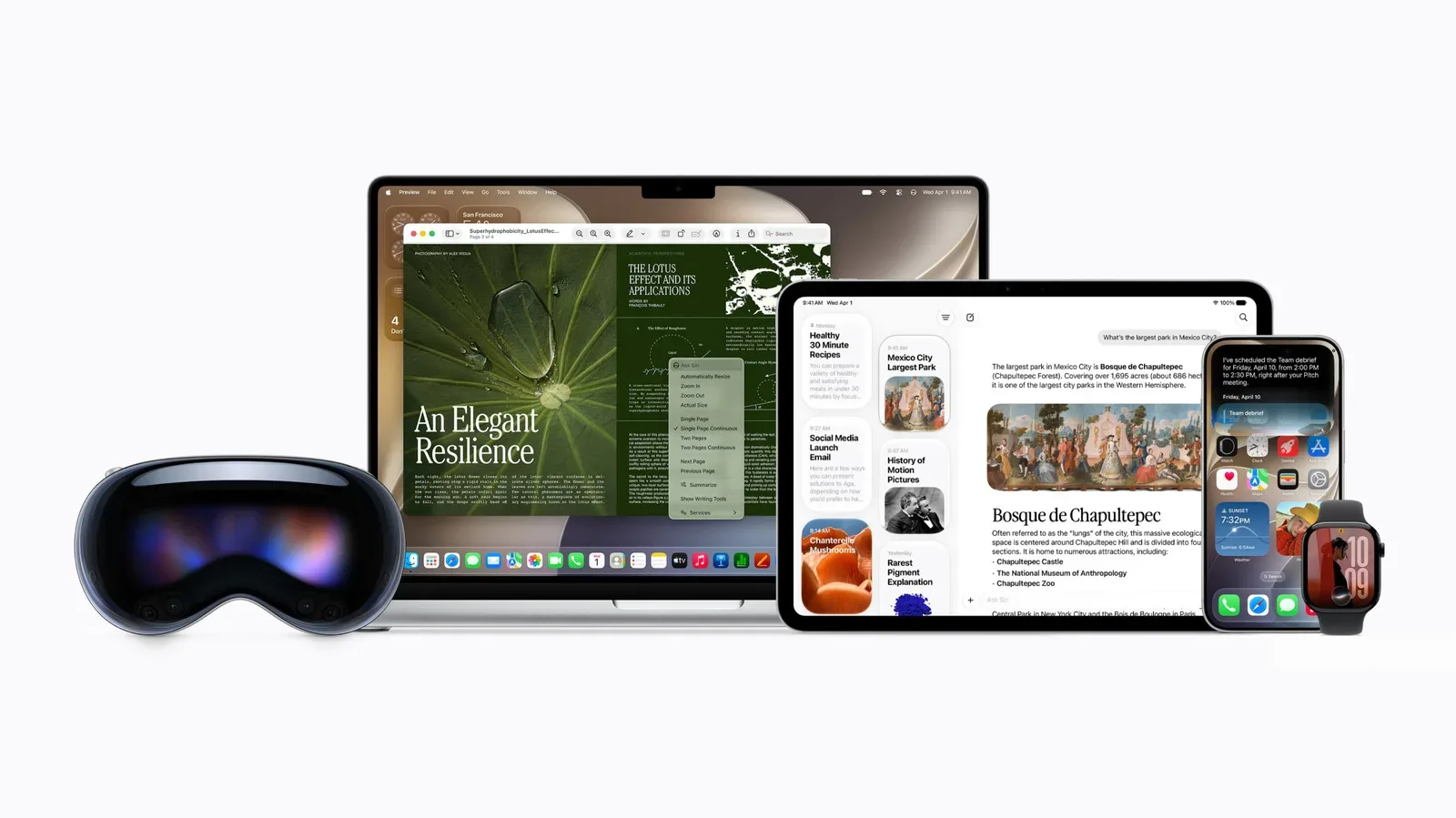
The broader Apple software calendar is moving quickly as well. Readers following the platform update schedule can find the currently announced details on the planned September rollout for iOS 27, iPadOS 27, macOS Golden Gate, and watchOS 27. Series 12’s most interesting long-term story may ultimately be how these devices and services connect, rather than any isolated specification.
What is known before September 18
- Apple Watch Series 12 includes the S11 chip and starts at $399.
- Preorders are open, with availability beginning September 18.
- Aluminum finishes are Space Gray, Black, Light Gold, and Dark Bronze, with Ceramic Shield on those models.
- Polished titanium comes in Radiant Gold and Natural; ceramic comes in Pearl White and Night Blue.
- The health sensor system has a larger ECG electrode surface, ring-arranged photodiodes, and larger, more power-efficient green LEDs.
- Health Age, the Longevity tab, and the redesigned Health app are planned for later this year.
- Siri Recap will begin as an English beta later this year, with additional languages to come.
Apple Watch Series 12 therefore looks like an iterative hardware release with a bigger surrounding health-data strategy. The S11 chip, tougher-display claim for aluminum models, and expanded finishes give shoppers concrete new hardware choices. The revised sensors aim at the foundations of ECG and heart-rate measurement. Meanwhile, the coming Health app changes seek to translate a growing pile of metrics, records, and biomarkers into something more coherent.
Whether that coherence proves valuable will depend on the rollout of the software features later this year, regional access, and how much each person wants their wristwear to become a more active organizer of health information. For now, the firm facts are simple: a $399 starting price, preorders today, September 18 availability, and a Series 12 designed to make wellness tracking feel a little more polished—possibly literal polished titanium—and a little less like a spreadsheet escaped onto a wrist.