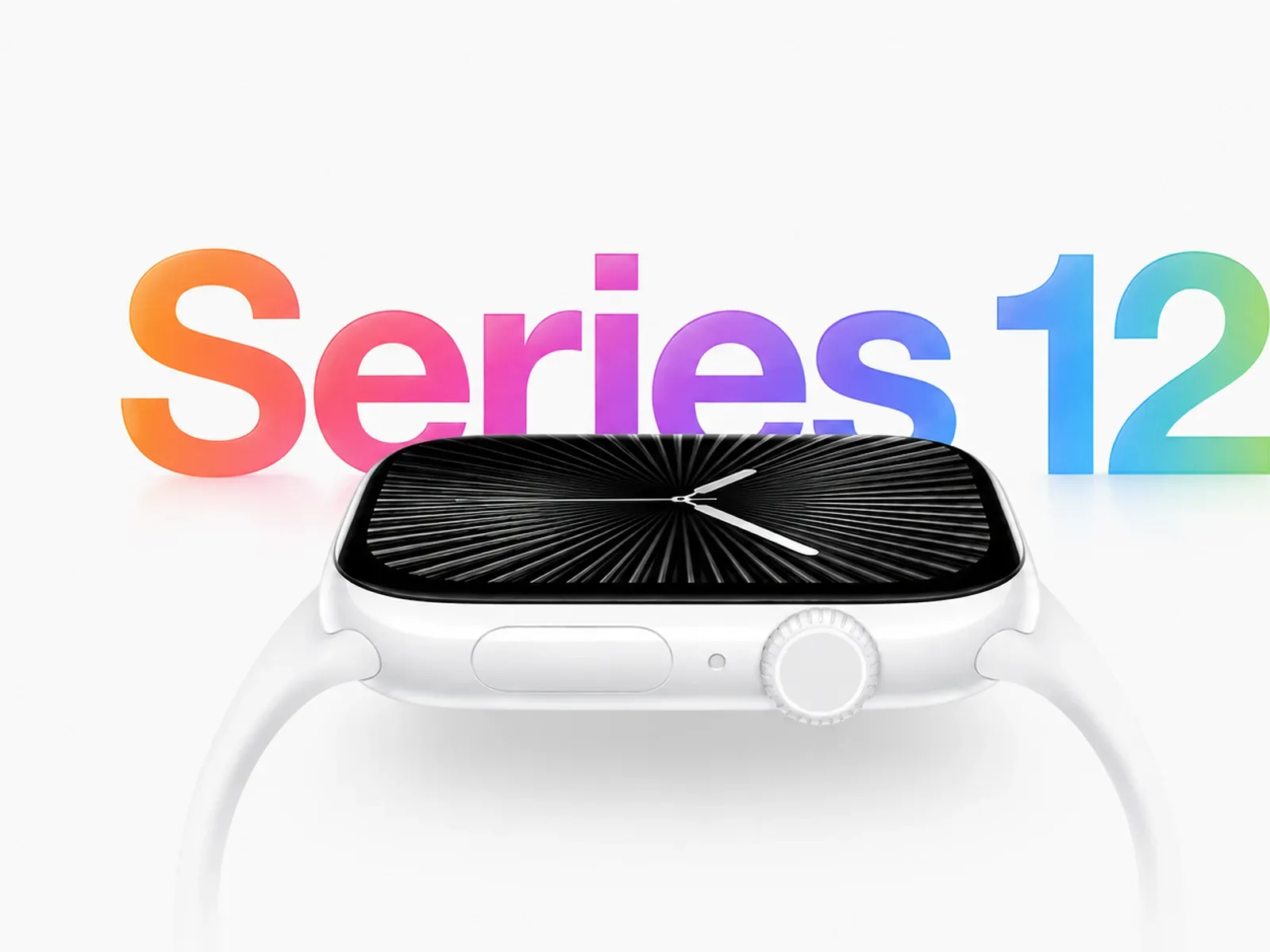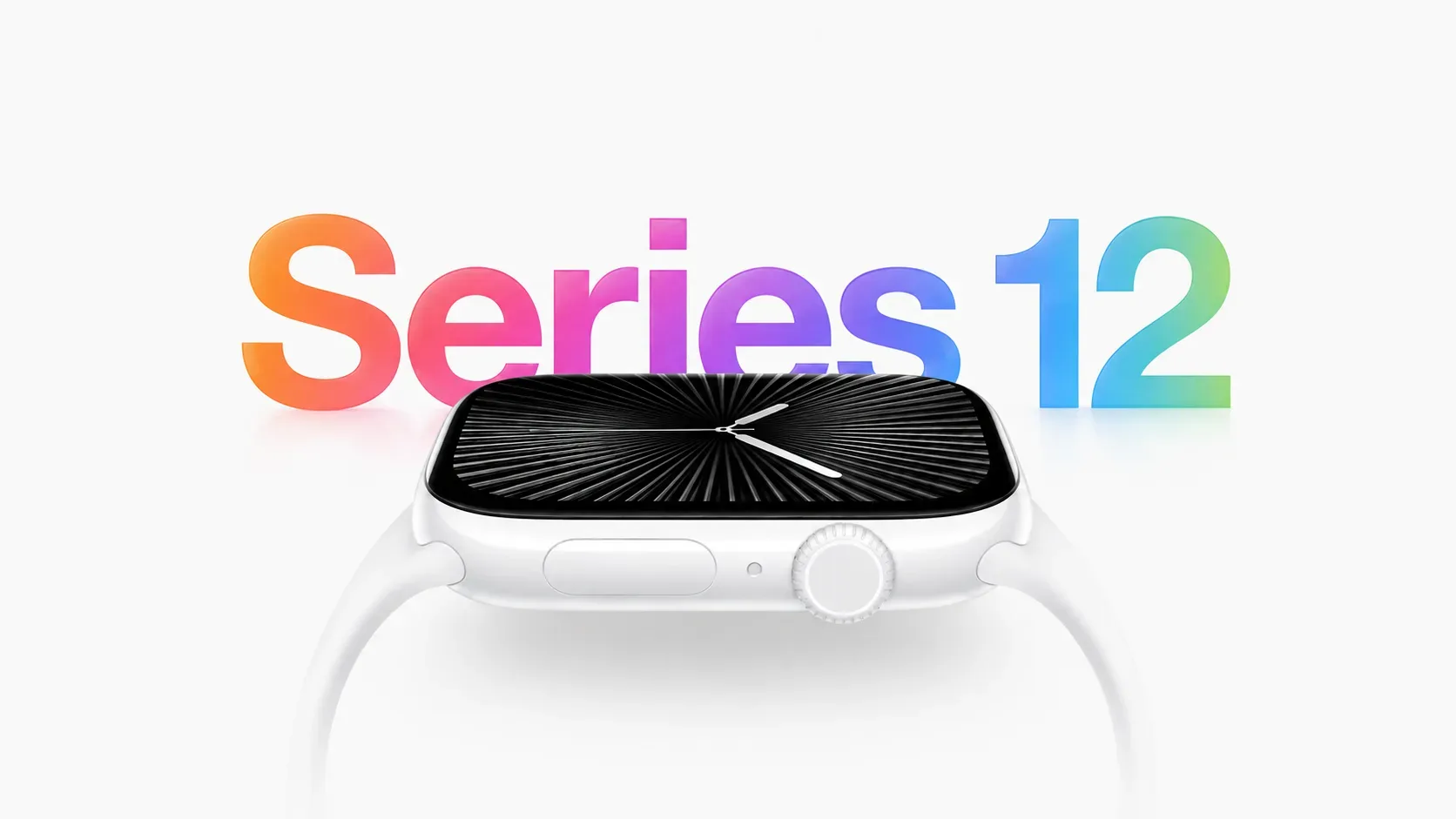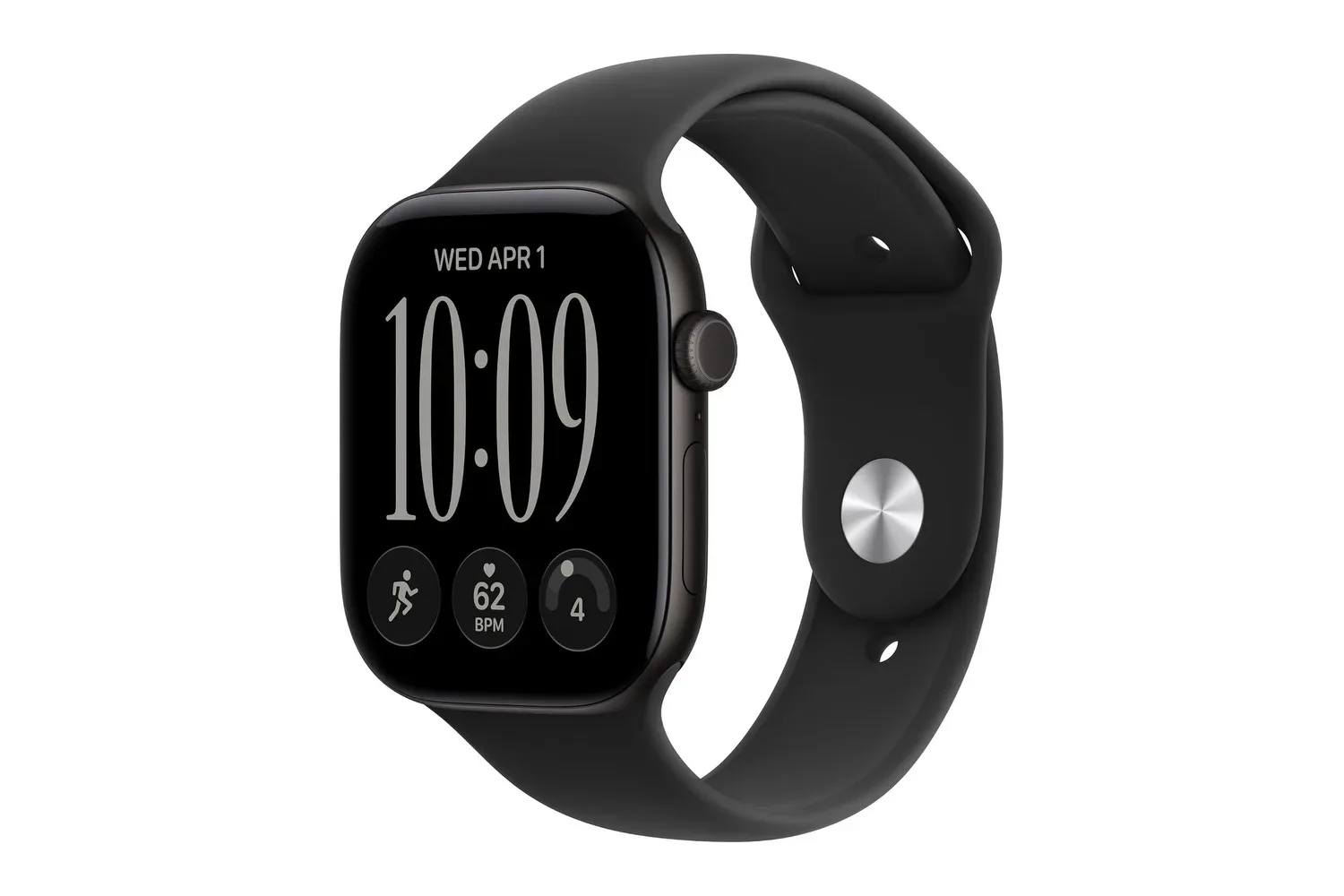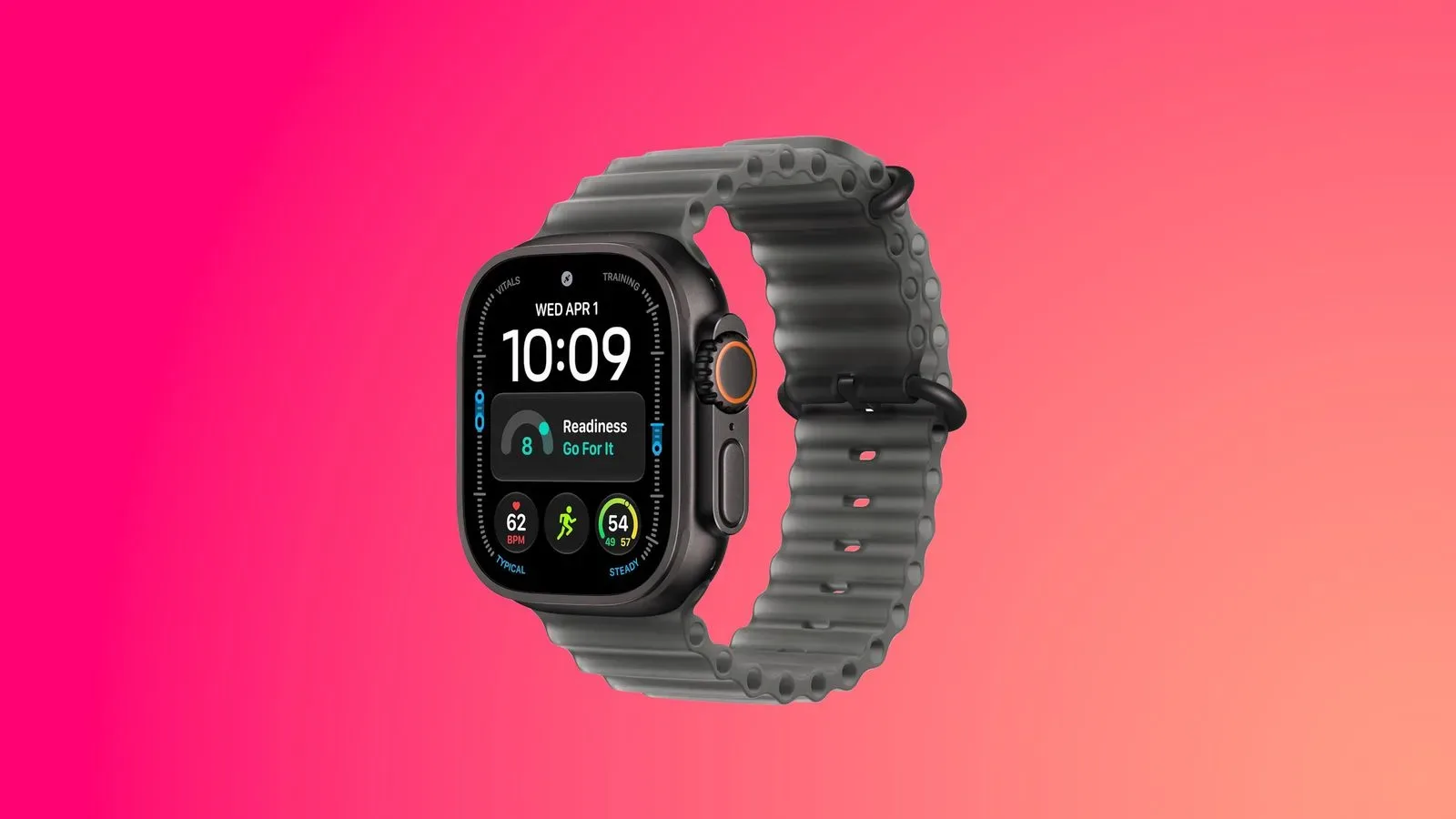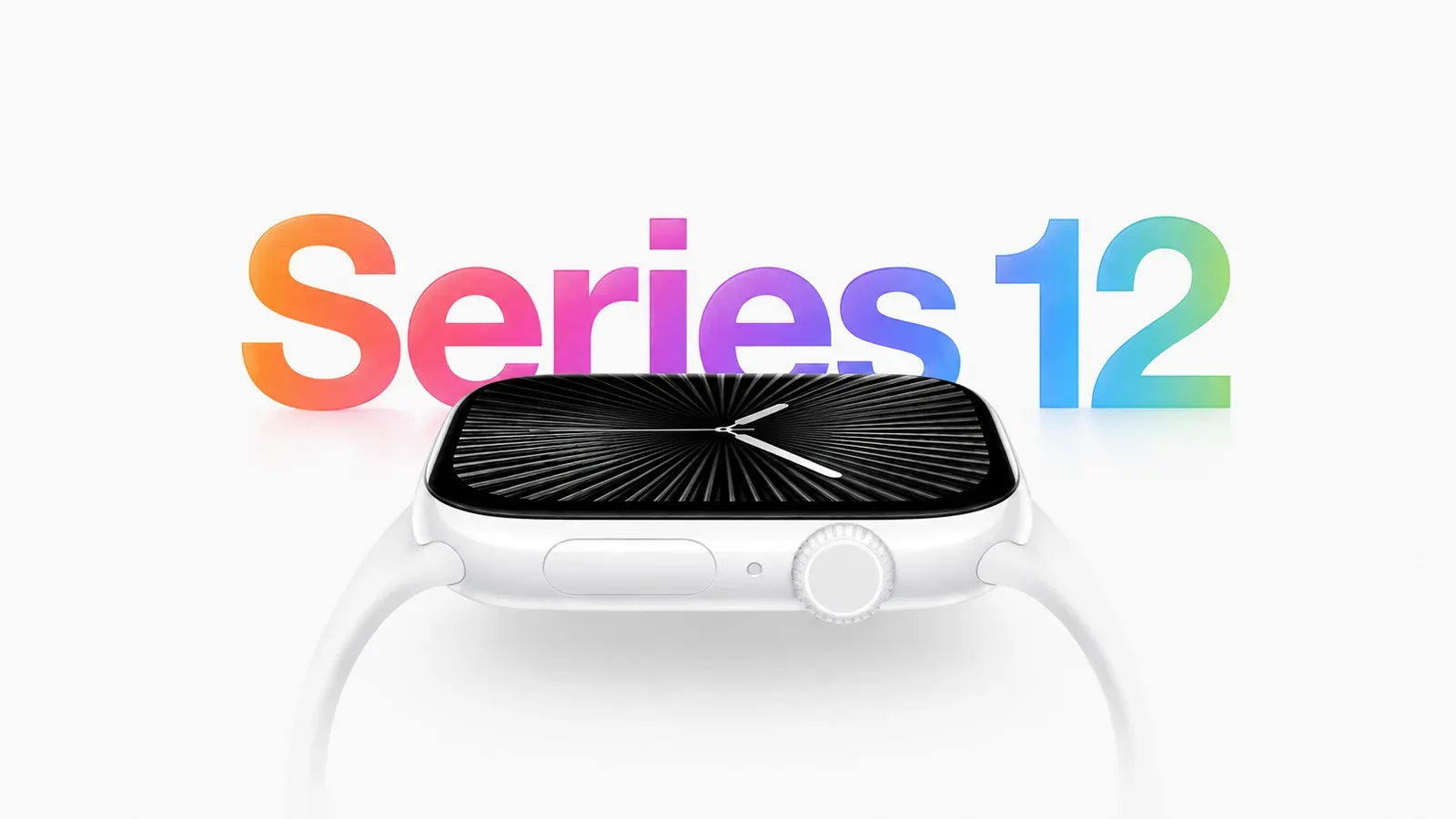
Apple’s next smartwatch round may be taking a swing at one of the most curious ideas in personal AI: a device that helps users remember their own day. Apple Watch Series 12 and Apple Watch Ultra 4 are expected to be shown on September 9 at the company’s “Surprise and Shine” event, and both are said to include a new feature that can analyze events from a user’s day and turn them into a summary.
The important qualifier is that this remains pre-event reporting, rather than a confirmed product specification. Still, the reported approach is notable because it places the Apple Watch in the same broad conversation as AI-focused wearables built around remembering meetings, conversations, errands, and stray details that would otherwise disappear by dinner. Apple’s apparent distinction is a major one: the feature reportedly would not make audio recordings, retain audio, or present users with a searchable transcript.
That means the pitch is not necessarily “your wrist has become a tiny surveillance recorder.” Instead, it appears to be closer to a daily recap tool that attempts to provide useful recollection without maintaining the raw sound data people are most likely to worry about. Exactly how the system determines what happened, what information it can use, what it excludes, how summaries are generated, and whether every capability will be available at launch are all details that still need clarification.
A memory feature built around a privacy boundary
AI wearables have increasingly marketed themselves as external memory: gadgets intended to help people retrieve the name they heard at lunch, the task mentioned in a hallway conversation, or the plan that got buried under an exhausting workday. The appeal is obvious. Modern life produces a lot of information, while human recall is rarely organized into neat folders with reliable search bars.
But the category also comes with an immediate social problem. A device that listens all day does not only collect information about its owner. It can potentially capture the people around that owner, including colleagues, friends, family members, and strangers who may have no idea what is being retained. Concerns rise further when recordings can be stored, transcribed, searched, or sent elsewhere for processing.
The reported Apple Watch feature seems designed to make its case on a different set of boundaries. No stored audio and no transcript would be meaningful limits if those details prove accurate. A daily summary is not the same thing as an archive of a person’s spoken life. That separation could be central to the product’s value proposition: provide a useful overview without making a permanent audio record the central artifact.
There are still plenty of questions worth asking. A summary can itself be sensitive, even when it is not paired with a recording. Users will want to understand where the resulting information lives, whether it syncs across devices, who can see it, how it can be deleted, and whether the feature works differently depending on region or account settings. They may also want clear controls for pausing or disabling it. Those are not minor checkboxes; they determine whether a “helpful” memory assistant feels practical or intrusive.
Accuracy matters just as much. A day recap that confuses people, misunderstands context, omits a key commitment, or gives a confident but wrong account of a conversation could create its own problems. The most useful version of this sort of feature would likely need to make its uncertainty legible rather than acting like an all-knowing diary. Apple has not yet detailed the system, so it is too soon to say how it will handle those tradeoffs.
Readiness is expected to join the health push
The day-summary report is paired with another expected Apple Watch addition: a new app called Readiness. It is described as a variation on the existing Vitals experience and would use the watch’s sensor array, including heart-rate and blood-oxygen data, to offer a broader view of a user’s condition.
Readiness tools have become a familiar part of the wearable fitness landscape. Rather than only telling someone what activity they completed, they aim to help answer a more immediate question: how prepared does the body appear to be for activity today? The answer can be relevant to training, rest, sleep routines, and deciding whether an ambitious workout looks sensible or whether the body may be asking for a less intense day.
Apple’s reported move puts it in more direct competition with fitness-focused software associated with Oura and Whoop. The challenge is not simply gathering numbers. Watches can already generate plenty of readings; the difficult part is turning that information into guidance that feels understandable, appropriately cautious, and useful without pretending to provide medical certainty.
The expected Readiness addition may therefore be as much about presentation as sensors. People do not necessarily need another dashboard full of raw metrics. They need help seeing a pattern over time and deciding what, if anything, that pattern means for their routines. A readiness-style view could give Apple Watch owners a more obvious place to interpret signals that might otherwise remain scattered across health and fitness screens.
Apple is also expected to pair the watch changes with a redesigned Health app on iPhone. If that redesign arrives, its role could be important: the watch is where the data is gathered throughout the day, but the phone’s larger screen is generally better suited to trends, historical context, and more detailed review. The exact relationship between Readiness, Vitals, and the refreshed Health app is still unknown ahead of the presentation.
Hardware changes reportedly extend beyond software
The expected Series 12 and Ultra 4 updates are not limited to AI and health software. Both models are said to receive new color choices and changes involving their cases and bands. For the standard Apple Watch line, the most distinctive reported hardware detail is the return of a ceramic case option, which would be the first ceramic Apple Watch case since Apple Watch Series 5.
That claim should be of particular interest to buyers who care about materials and finish as much as feature lists. Case materials can change the appearance, weight, durability expectations, and collector appeal of a smartwatch, even where the underlying software experience remains shared across models. The report does not establish which colors or configurations will accompany ceramic, so prospective buyers will need to wait for official details before treating it as a buying decision.
Apple Watch Ultra 4, meanwhile, is expected to bring improved battery life. That is a straightforward but important potential upgrade for a model aimed at people who may spend longer stretches away from a charger. No estimate has been provided, and “improved” can mean many things depending on the comparison and usage conditions. The event should establish whether the change comes from a larger battery, hardware efficiency, software adjustments, or some combination of those factors.
The Ultra’s expected battery improvement also sits neatly beside Readiness. Health and recovery tools are most useful when a device can build a consistent picture over time, and stronger endurance can reduce interruptions in that record. But until Apple states its battery estimates and testing conditions, it is best to treat the claim as an expected upgrade rather than a measured result.
Why this Apple Watch rumor matters now
The interesting part of the reported lineup is the way its pieces fit together. A daily AI summary looks outward at the flow of a person’s day. Readiness looks inward at bodily signals and recovery. A redesigned iPhone Health app could provide the place where broader trends are reviewed. Together, they suggest an Apple Watch that is being positioned not merely as a notification screen or workout tracker, but as a more active interpreter of personal information.
That direction is promising only if the controls and explanations are as strong as the summaries themselves. People should be able to tell what the watch is doing, understand the limits of its output, and decide how much of their life they want it to organize. Privacy claims will deserve close attention, particularly because the feature reportedly involves conversations while also claiming not to record or store audio.
The wider AI race has already made privacy a product differentiator, not just a legal footnote. That broader tension is visible across the industry, including concerns around how AI systems are trained and used, as covered in this report on allegations of industrial-scale AI model distillation. For a wrist-worn device, trust may be even more decisive because it travels through so much of everyday life.
For now, Apple Watch Series 12, Apple Watch Ultra 4, the day-summary feature, Readiness, the ceramic case return, and the claimed Ultra endurance gain should all be viewed as expected details awaiting the September 9 reveal. The event is set to show whether the company can make an AI memory aid feel less like a microphone in disguise and more like a discreet, controllable tool for making sense of a busy day.