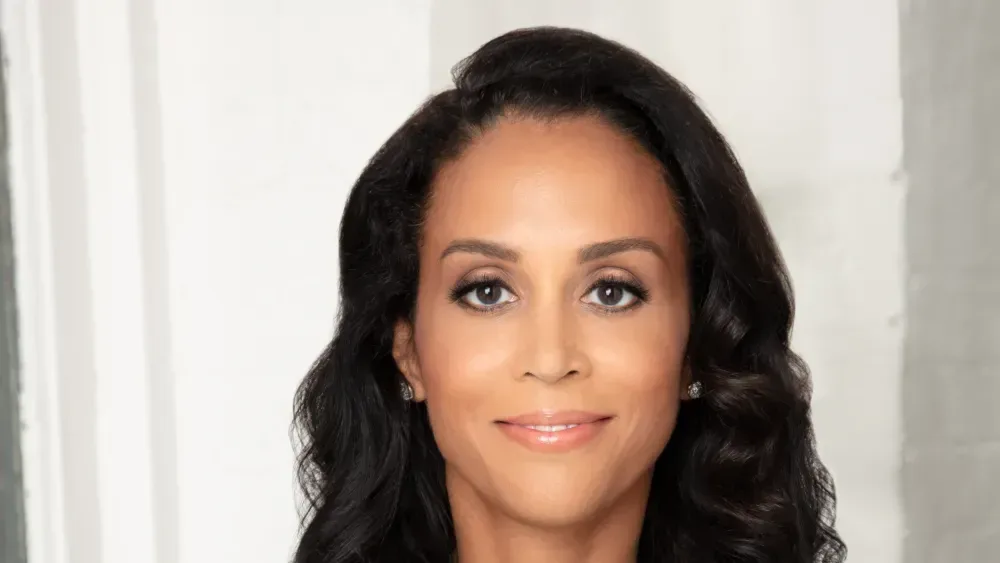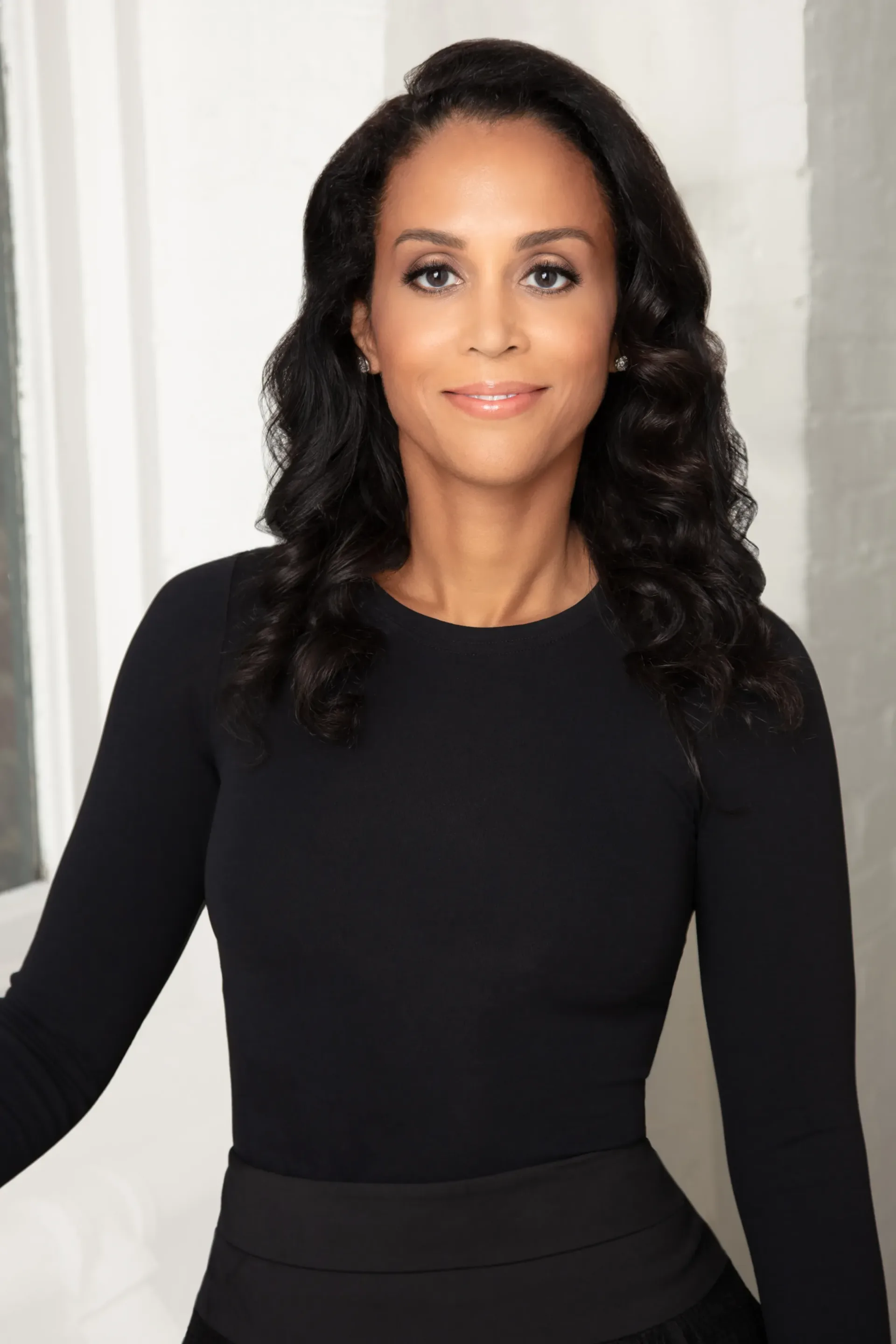
Creative Artists Agency has named Dasha Smith its new chief operating officer, bringing in an executive whose recent work at the National Football League covered a notably broad mix of organizational functions: strategy, technology, artificial intelligence, data and analytics, human resources, inclusion, social responsibility, philanthropy and office administration.
Smith joins CAA after serving as the NFL’s executive vice president and chief administrative officer. In that role, she was part of commissioner Roger Goodell’s executive operating committee and helped shape the league’s enterprise strategy. The appointment places an executive with deep experience in large-scale media and sports operations at the center of one of entertainment’s major talent agencies.
A role built around how the organization operates
A chief operating officer, or COO, is generally responsible for helping turn an organization’s strategy into repeatable day-to-day execution. The supplied details do not define Smith’s precise remit at CAA, and no start date or reporting structure was provided. But her NFL portfolio offers a clear indication of the types of operational disciplines she has managed: the systems, people functions and decision-support work that allow a complex business to function across numerous priorities.
That breadth is significant in an agency environment. Talent representation is publicly associated with artists, athletes, producers and deals, but an agency’s operating backbone also depends on recruiting, administration, technology, legal coordination, internal data and the capacity to support clients consistently across many businesses. Smith’s background spans several of those areas rather than a single specialist track.
CAA co-chairman and CEO Bryan Lourd described Smith as an accomplished and energetic leader with a strong understanding of high-performing global organizations. He said the agency expects her experience across major media and sports businesses to be valuable to its senior management team.
“Joining a culture with that kind of clarity and purpose is an extraordinary opportunity,” Smith said, pointing to CAA’s emphasis on client service and resources.
Why the NFL experience stands out
Smith’s NFL work combined administrative leadership with enterprise-level planning. Enterprise strategy refers to organization-wide planning rather than the goals of one division. It is the work of aligning multiple departments around shared priorities, weighing resources and making sure operating decisions support the larger business.
Her oversight also included technology, AI and innovation. Those terms can cover many different initiatives, and no specific NFL systems or projects were identified. Still, their inclusion matters because they sit alongside more established operating areas such as HR, business intelligence and office administration. It suggests that Smith’s remit was not limited to maintaining existing processes; it also included considering how emerging tools and new methods could fit into the league’s wider structure.
Data and analytics concerns gathering, organizing and interpreting information to support decisions. Business intelligence, often shortened to BI, is closely related: it typically means the reporting and analytical processes used by leadership to understand performance, operations and trends. Neither term automatically means a company has found an easy answer to difficult strategic questions. Their practical value depends on how well leaders define the questions, evaluate information and act on it. But both are core parts of running large organizations where choices cross departments and regions.
The position also encompassed inclusion, social responsibility and philanthropy. These are distinct functions. Inclusion concerns participation and workplace culture; social responsibility concerns how an organization approaches its broader impact; philanthropy concerns charitable giving and related activity. Bringing them within the same executive portfolio as technology, analytics and human resources reflects the range of considerations that can be part of senior administration.
A career across sports, music, media and law
Before joining the NFL, Smith was executive vice president and global chief human resources officer at Sony Music Entertainment. A global CHRO is a senior executive responsible for HR matters across an organization, including the workforce structures and policies that support employees in different locations. That experience gives Smith a direct prior connection to a major music business, an area closely related to agency representation.
Smith also worked as managing director in the office of the chairman at GCM Grosvenor, a global investment firm. Earlier, she spent a decade at WarnerMedia’s Time Inc. There she led global employee relations and employment-law functions, and she also served as a senior attorney in Time Inc.’s business and legal affairs department with a focus on mergers and acquisitions.
Mergers and acquisitions, commonly called M&A, refers to transactions in which companies combine or one company purchases another. Legal work in that area involves the business and regulatory details needed to structure and complete such transactions. It is another part of Smith’s background that differs from conventional talent-side agency experience while still being relevant to a large company’s governance and strategic activity.
Her legal career began at Latham & Watkins, Covington & Burling, and Paul, Weiss, Rifkind, Wharton & Garrison. Taken together, the career path moves through law, publishing and media, investment, music and professional football before this agency appointment. The consistent thread is leadership at organizations with wide operational footprints rather than an exclusively creative or sports-facing role.
What the appointment does—and does not—signal
The announcement establishes Smith’s title and summarizes the experience she brings to CAA. It does not announce a new technology program, an AI product, a change in client representation strategy or a restructuring. It also does not indicate that Smith will personally oversee every function she previously handled at the NFL. Those distinctions are important: a senior hire can reflect an organization’s interest in strengthening operating leadership without constituting a public commitment to a particular new initiative.
Still, the hiring provides a useful lens on the increasingly interconnected worlds of entertainment and sports. Smith’s experience crosses both sectors, with added grounding in media, music, investment and legal affairs. The appointment follows a period in which the tools and infrastructure behind entertainment businesses—technology, information systems, workforce management and organizational planning—have become as strategically visible as the deals those systems support.
For readers following the business side of sports and entertainment, the broader ecosystem also includes issues that directly affect game publishers and players. For example, service sunsets and delistings can reshape access to sports titles, as seen in NBA 2K25’s announced delisting and server-shutdown timeline. The circumstances are separate from CAA’s executive appointment, but both illustrate how operational decisions can have effects well beyond an internal corporate chart.
Smith framed the move around CAA’s industry position and its continuing effort to provide strong service and resources to clients. Lourd’s comments similarly emphasized the value of her experience guiding leading media and sports organizations. Beyond that shared framing, the announcement leaves the practical shape of the COO role to be seen.