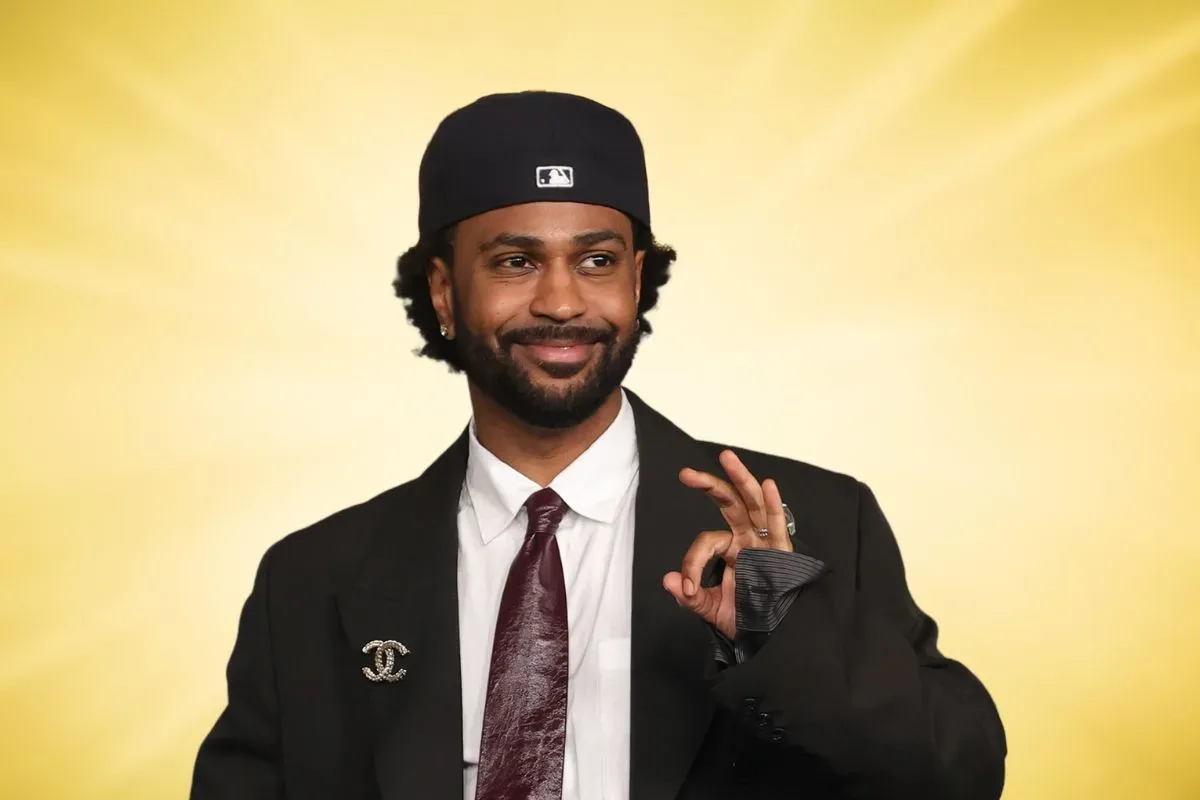
Big Sean is continuing work on a Detroit-focused entertainment project built around a broad but increasingly important question for the city and state: how can creative talent learn, build and stay local rather than taking its skills elsewhere?
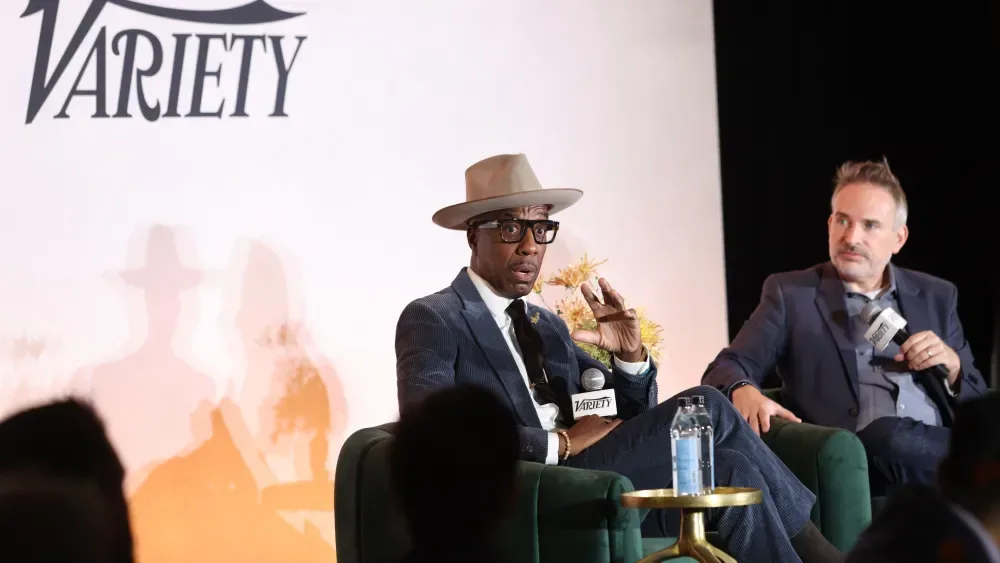
The artist discussed the effort during a Detroit panel with Jalen Rose centered on expanding the entertainment business at home. Specific details of the new project, including its eventual structure, timeline and funding, have not been laid out publicly in the material available so far. What is clear is its stated direction: advancing Detroit’s creative economy at a moment when state-level priorities around arts, culture, tourism, sports and film production are being debated.
That makes this more than a celebrity-backed arts story. The potential value rests in the connective tissue between education, production infrastructure, mentorship and routes into actual creative work. Music, film, technology and design can overlap in one person’s career; a young producer may need recording skills, editing knowledge, business guidance and a place to meet collaborators. A local ecosystem can matter as much as any individual program.
A wider Detroit conversation about creative work
Big Sean had already joined artists, entrepreneurs and business leaders at a September Detroit discussion about investment in creative fields. His argument connected the city’s history to invention, presenting creativity as an economic force rather than an optional cultural extra.
“The reason Detroit has ever been as big as it was is because it was funded by creativity,” Big Sean said at that gathering.
The point is not simply that Detroit has artistic talent. The practical argument is that talent needs a structure around it: learning opportunities, mentors, production spaces, access to equipment, business support and pathways to turn a skill into sustained work. The supplied information does not establish that the project will provide every one of those components. It does, however, align with Big Sean’s earlier work in facilities and programs designed to give young Detroit residents hands-on access to entertainment-related skills.
For gaming and adjacent digital-media audiences, that wider frame is relevant. Entertainment production increasingly uses a mix of disciplines that once sat in separate industries. Music production, cinematic video work, visual effects, 3D design, immersive media and artificial intelligence tools can all feed into modern games, films, live events and digital storytelling. Training that lets people explore those areas can help demystify the work behind the screen, even when it does not promise a direct job in any one industry.
Policy interest could shape the setting, not guarantee the result
The conversation arrives after Big Sean worked with Jocelyn Benson during her campaign for Michigan governor. Benson’s campaign emphasized retaining talent in Michigan and helping people start and grow businesses in creative sectors.
Related coverage includes Big Sean Continues Detroit Entertainment Project as State Priorities Take Shape.
Among the policy positions described during the campaign were restoring film-production tax incentives and creating a state department covering arts, culture, tourism and sports. Benson said she wanted to establish that department by executive order during her first month in office.
A film-production tax incentive is a policy intended to reduce eligible production costs or otherwise encourage film work to take place in a state. In simple terms, it is one tool governments may use to compete for productions and the spending that accompanies them. The supplied information says Benson supported restoring such incentives; it does not say that they have been restored, what terms they would have, or what impact they would have on Detroit productions.
Likewise, a department bringing arts, culture, tourism and sports under one umbrella could create a more visible state-level focal point for these sectors. That is a policy ambition rather than a confirmed outcome. Whether any department is established, what authority it has and how it works with local organizations will determine its real-world importance.
The immediate significance is alignment of interests. Big Sean’s stated aim is to expand the city’s creative industry, while the incoming administration has signaled interest in creative-business development and retaining talent. Alignment can make collaboration easier, but it is not the same thing as a completed plan, a funding commitment or a finished facility. Those distinctions matter when evaluating promises tied to economic development.
The Michigan Central incubator offers the clearest existing example
Big Sean’s prior investments provide a clearer look at the sort of practical access he has supported. He and Usher committed $1 million to a creative incubator at Michigan Central, with programming spanning music, film and technology.
An incubator in this context is a program or space meant to help emerging creators and entrepreneurs develop skills, ideas and projects. It can combine instruction with mentorship, work areas and opportunities to pursue a venture. It is not automatically a guarantee of employment or funding. Its usefulness depends on the program’s access, consistency, teaching and ability to connect participants with meaningful next steps.
The planned Michigan Central facility included a virtual production studio, a special-effects lab and areas for creators to work. Virtual production refers broadly to a production approach that uses digital tools and environments as part of the filming process. Special effects can cover techniques used to create visual or practical effects for screen-based work. Those resources suggest an emphasis on forms of production that sit at the intersection of technical and artistic work.
Its intended audience was young people from 14 to 24. Planned programming paired industry education with mentorship and opportunities to develop individual ventures. Participants could work toward credentials through the partners and seek startup funding for businesses.
The partner group combined Big Sean’s and Usher’s foundations with Ilitch Sports + Entertainment and Emory University’s Goizueta Business School. That mix is notable because it joins philanthropy, entertainment operations and business education. Still, the available information describes planned programming; it should not be read as proof of particular enrollment outcomes, credential results or startup awards.
Why the curriculum areas matter
The incubator’s proposed curriculum extended into artificial intelligence, immersive technology and 3D design. Each term can sound abstract, but together they describe skills increasingly present across creative production.
- Artificial intelligence: computer-based systems and tools that can assist with analysis, generation or other tasks. The information available says AI was part of the curriculum, not which tools were used or how instruction was structured.
- Immersive technology: a broad label for experiences that can place users inside or alongside digital content in more interactive ways. It can overlap with screen production, design and entertainment experiences.
- Three-dimensional design: creating objects and environments with depth in digital space, a useful foundation across visual media and technology-driven creative work.
These are not only technical subjects. They can be routes for young creators who begin with music, visual art or storytelling and later find themselves working with digital environments, filmed content or interactive projects. They also underscore why broad creative-industry development should not be reduced to a single discipline. The facilities, mentors and business support around a learner can shape whether that learner can translate an interest into a portfolio, venture or further education.
The overlap between music and technology has become especially visible in wider industry coverage, including reporting on AI, artist likeness and copyright questions in music platforms. Detroit’s workforce-building conversation is not presented as an answer to those legal and ethical issues, but it is taking place in a creative landscape where technical literacy increasingly matters.
Earlier studio access remains part of the picture
Before the Michigan Central commitment, Big Sean’s foundation helped establish four studios at Boys & Girls Club locations. Those studios provided music-production and DJ equipment.
That earlier effort is more limited in scope than the proposed incubator, but it illustrates a straightforward principle: access to equipment can be a meaningful entry point. Music-production and DJ tools let young people practice, experiment and learn workflows that may otherwise be unavailable to them. Equipment alone is not a career pipeline, but paired with instruction and mentorship it can become part of one.
The distinction between access and outcome is important. A studio can lower a barrier to participation. A curriculum can provide structured learning. A mentor can offer guidance and contacts. A credential can document completed work or learning. Startup funding can help an entrepreneur begin operating. None of these elements automatically guarantees a career, but a program that layers them can offer more support than a single workshop or room full of gear.
What remains unknown about the next Detroit project
The latest update establishes that Big Sean is still working on a project intended to advance Detroit’s entertainment industry. It does not establish a launch date, site, partner list, budget, participant eligibility, application process or programming schedule. It also does not say whether the effort will be a new organization, a facility, a continuation of existing work or another kind of initiative.
Those unanswered questions are not a flaw in the underlying goal; they are simply the boundary of what has been confirmed. For prospective participants and local creative businesses, the most useful future details would be concrete ones: which disciplines are included, who can take part, whether programs are free or funded, what equipment and mentors are available, and how any city or state involvement would operate.
For now, the story is one of sustained direction. Big Sean’s Detroit work has included studio access for young people, a $1 million commitment with Usher to a technology-and-entertainment incubator, and public advocacy for treating creative work as an economic priority. The incoming governor’s campaign proposals add a possible policy backdrop, particularly around talent retention, film incentives and a department for arts, culture, tourism and sports.
Detroit’s entertainment ambitions will ultimately be measured through durable opportunities for the people making the work: the learners who gain access, the creators who find collaborators, and the local businesses able to grow without leaving the state. The newly discussed project has not yet supplied all the operational details needed to judge it on those terms, but it fits into a broader effort to make creative infrastructure part of the city’s future.