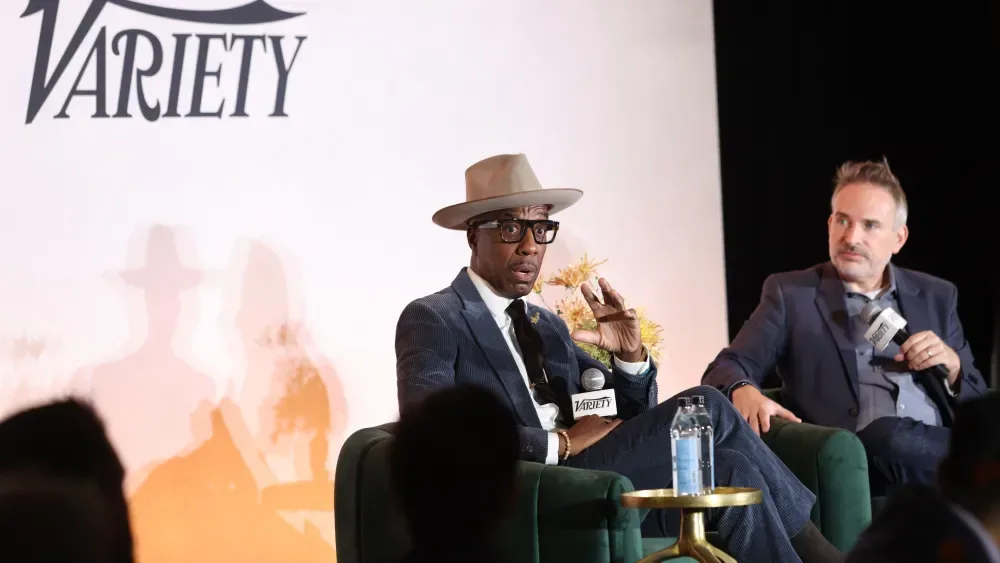
Entertainment careers are often discussed as if they follow a clean route: land a role, build an audience, sign the next deal, repeat. JB Smoove offered a much messier—and arguably more useful—version of the journey at a West Hollywood business-management event: take swings, adapt quickly, and do not wait for someone else to decide where your vehicle goes.
That mindset was one half of a program that placed creative entrepreneurship beside a sober look at the changing media business. Smoove, whose work spans acting, comedy, writing, producing and advertising, described a career built through flexibility rather than a single fixed professional identity. Media analyst Evan Shapiro, meanwhile, argued that the industry should think less about an “attention economy” and more about an “affinity economy,” where the crucial measure is the depth of a creator’s relationship with a community.
Those ideas are not interchangeable. Smoove’s remarks centered on the individual’s willingness to try new jobs and build new ventures. Shapiro’s argument addressed the structural reality facing creators: platforms may supply reach, but sustained value depends on whether audiences feel invested enough to follow, support and engage with the people making the work. Together, they outline a useful tension for modern entertainment professionals. Make the work adaptable enough to meet a changing market, but personal enough to give audiences a reason to care.
JB Smoove’s case for changing gears
Smoove’s central phrase was simple: creators need to “drive” their own vehicle. In practical terms, he was advocating agency—planning ahead while remaining willing to alter course. He said people should start early and consider where they want to end up, but should also stay open to changing themselves along the way.
That distinction matters. Career planning can become counterproductive if it turns into an inflexible script. Entertainment work is full of adjacent disciplines: performer, writer, producer, advertiser and entrepreneur may require overlapping skills but offer different kinds of opportunity. Smoove said he has been at least five different people over the course of his life, framing reinvention not as a lack of direction but as a result of resilience, comic instincts and thick skin.
His own path illustrates the point without turning it into a claim that every creative must take the same route. Smoove was a finalist for the cast of Saturday Night Live, but joined the program as a writer instead. Writing was unfamiliar territory for him at the time. He described that pivot as playing the long game: preparing for an opportunity and being ready to perform in the moment when it arrives.
There is a useful professional lesson in that account. A rejected first choice does not necessarily mean the larger destination is closed. A different role can build skills, relationships and credibility that are valuable later. It is also a reminder that creative industries do not always reward a straight-line résumé. Being able to contribute in more than one capacity can expand the set of rooms a person can enter.
Improv as a business skill, not just a comedy skill
Smoove also encouraged people to take improv classes, specifically because he sees value beyond a comedy stage. He connected improvisation to selling real estate, building companies and operating small businesses, stressing the ability to change gears in real time.
Improv, in this context, does not mean winging every decision without preparation. At its most useful, it describes active listening, responding to what another person has actually said, accepting that a conversation or pitch may take an unexpected turn, and moving forward without freezing. Those are broadly applicable communication skills. A creator pitching a project, a producer handling a revision, or a small-business owner meeting a client may not be performing a scene, but all can encounter situations where a memorized script is less valuable than calm adaptation.
The advice fits the wider theme of self-direction. If a person can adjust in the moment, they have more options when a planned route changes. That does not eliminate risk or guarantee an outcome. It simply makes adaptability an active skill rather than a slogan.
Building more than one creative lane
Smoove’s current ventures show how he is putting that philosophy into practice. In 2025, he launched the comedy-oriented creative advertising agency The First Darrin with United Entertainment Group CEO Jarrod Moses. The company is focused on memorable, daring campaigns. He has also established Alternate Side Productions, with several projects in development under its banner.
The practical significance is that Smoove is not presenting acting roles as the only route through entertainment. An advertising agency and a production company serve distinct functions. Advertising work centers on campaigns for brands or clients; a production banner can organize and develop creative projects. Running both creates different avenues for applying a recognizable comic voice, although it also means a creator must think about business development alongside the art.
Smoove was direct about that need to keep making the case for oneself. He said people almost have to sell themselves continuously, and he saw nothing wrong with it. This is not merely self-promotion for its own sake. At its best, it means clearly communicating what you can do, why a particular project needs your perspective, and why partners or audiences should pay attention.
His credits on Curb Your Enthusiasm and two Spider-Man films are part of the body of work he pointed to when explaining his “chess moves” approach. The metaphor is worth taking carefully. Chess suggests foresight and positioning, not certainty. In entertainment, nobody can command a market, an audience response or another person’s decision. But creators can choose which skills to develop, which partnerships to pursue and which opportunities might have value beyond the immediate job.
Smoove applied the same confidence to artificial intelligence, arguing that fear of emerging tools reflects a lack of faith in human creativity. That is a personal view, rather than a technical forecast or a claim that AI will have no consequences for workers. Still, it makes his broader position clear: technology may change workflows, but he believes the human mind remains the essential creative engine. For artists and business managers alike, that framing puts emphasis on learning and discernment rather than treating every new tool as either salvation or doom.
Why Evan Shapiro calls it an affinity economy
Shapiro offered a vocabulary for the other side of the conversation: how audiences choose what to spend time with. He prefers “affinity economy” to “attention economy.”
Attention economy is a term commonly used to describe competition for the limited time and focus of audiences. Under that view, a view, click or watch-time total is a central measure of success. Shapiro’s affinity economy framing puts more weight on the relationship itself: whether fans feel connected to a creator or community and whether the work gives them an ongoing reason to return.
That is an analytical lens, not a universal law. Attention still matters; a person cannot form a relationship with work they never encounter. Shapiro’s point is that raw reach does not fully capture what creates durable value. He argued that successful companies operate with a creator mindset and serve the entire consumer, rather than approaching people as a pile of isolated impressions.
He also said that most content wants to be free, and said his research puts YouTube at the top in total attention, which he attributed to its free access. The important qualifier is that this describes total attention in his research, not a complete ranking of artistic merit, revenue or audience loyalty. Free access removes a major barrier to sampling a video or discovering a creator. But it also raises a question for people making the work: if initial viewing is free, what makes the audience relationship durable enough to support a longer-term business?
Shapiro’s answer centers on community management and fan engagement. He cited Obsession, a major 2026 box-office success from YouTuber Curry Barker, as an example of a creator who understands how to engage fans today. Shapiro compared Barker to Quentin Tarantino, while emphasizing that the relevant factor was not simply the size of Barker’s following. It was the ability to connect with that following.
The claim should not be read as a formula that any internet personality can turn an audience into a theatrical hit. It is, however, a useful warning against treating follower totals as a complete measure of influence. A massive audience and an activated audience are not necessarily the same thing. The latter may be more likely to show up, talk about a project and make a creator’s next move feel like an event.
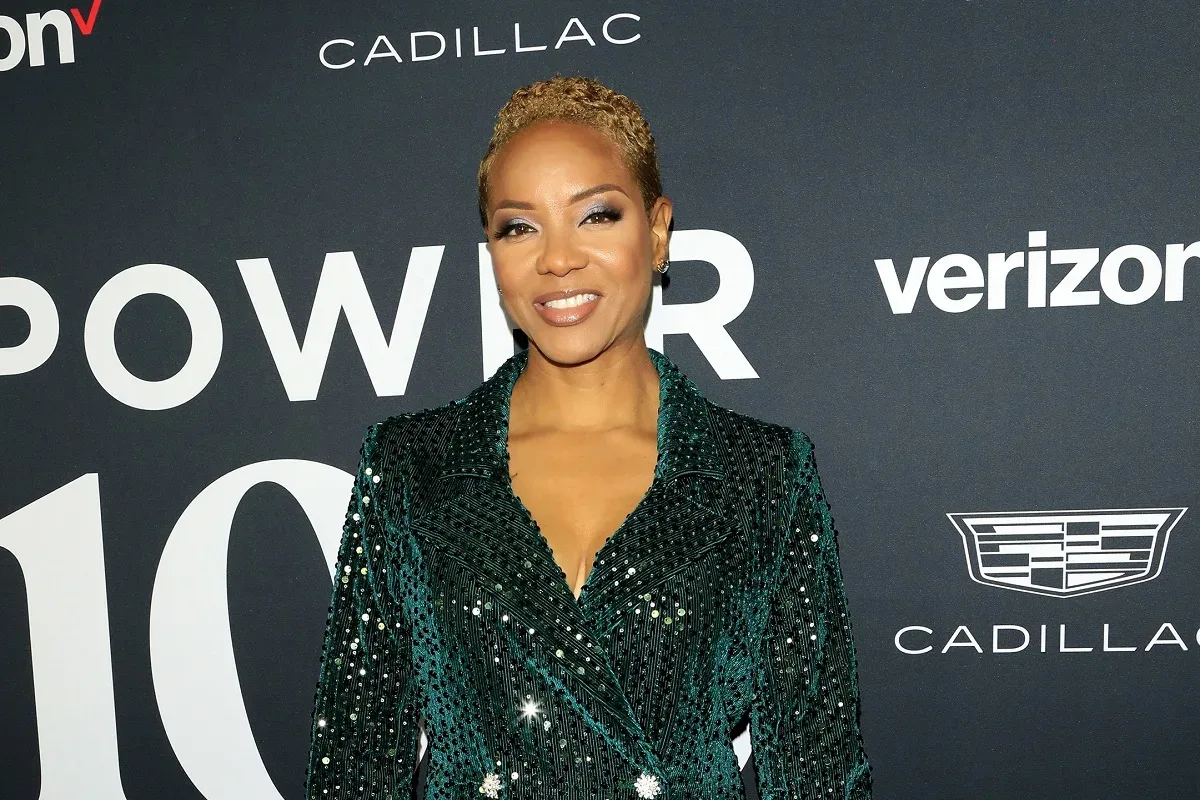
That creator-to-community connection is already a key theme in entertainment coverage across platforms, including the growing role of YouTube-based work in broader film and television plans. MC Lyte’s planned mix of a sitcom, YouTube series and film work is another example of how a creative strategy can extend across formats rather than treating one screen as the whole career.
Box office totals, ticket prices and what “recovery” means
Shapiro also challenged a simplistic reading of the theatrical business. He said the box office may look as though it has recovered, but argued that ticket prices have risen 128% this century. His observation is a reminder that gross revenue and the number of tickets sold are different measurements.
If ticket prices increase, a box-office total can rise even when attendance does not rise at the same pace. That does not make revenue irrelevant; money earned remains central to how films are financed and distributed. But it means the word “recovery” needs definition. Are people discussing dollars, tickets, profitability, the number of releases, or the opportunity available to creators? Each question can produce a different answer.
For working artists and their teams, the distinction has real implications. A large headline number may not automatically signal a return to older compensation patterns or to the same kinds of long-tail earnings that supported past generations. Shapiro specifically considered whether the creative community might again see profits comparable to the syndication windfalls associated with Seinfeld and Friends.
Syndication refers to the licensing of a television program for additional broadcasts or distribution beyond its original run. The historical examples Shapiro named point to a model in which widely replayed programs could continue generating substantial income over time. He believes comparable opportunities can return, but through a different approach. He described Hollywood and the traditional media ecosystem not as merely disrupted, but as being reinvented.
That is an optimistic proposition, but not a promise. Reinvention can create new openings while making old routines less reliable. It calls for clarity about what is actually being measured—audience reach, repeat engagement, licensing value or direct fan support—and who participates in the upside.
Trust remains central to the people behind the deals
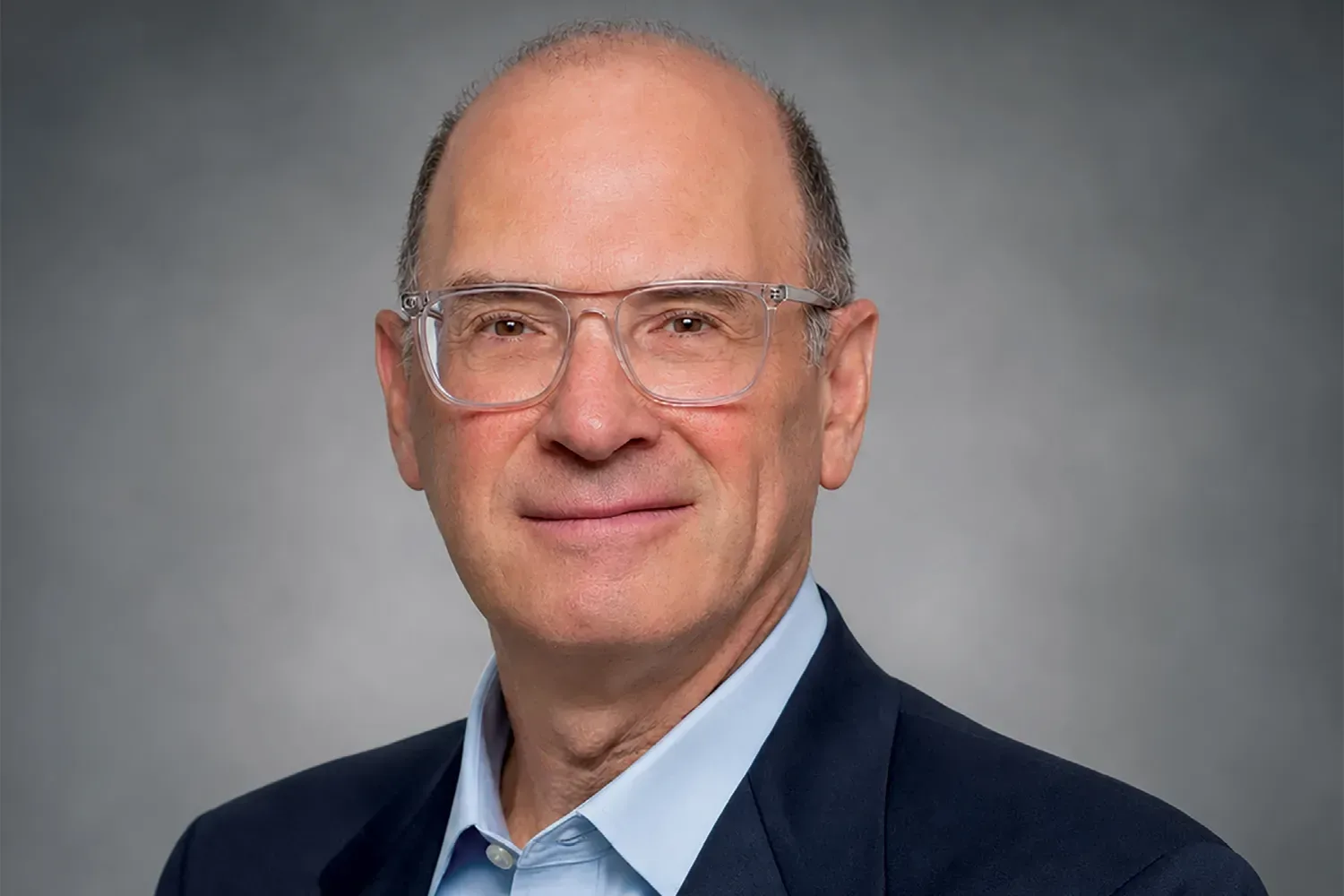
The event also honored New York-based business manager Arnie Herrmann as Business Manager of the Year. Herrmann has nearly 40 years of experience and joined Citrin Cooperman in 2010. Candice Bergen introduced him following video messages from longtime clients Liam Neeson and Martin Scorsese.
Herrmann’s recognition provides a grounded counterpart to the morning’s conversation about reinvention. A business manager helps clients navigate financial and professional decisions, a role that depends heavily on trust and service—the two qualities Herrmann had earlier identified as foundational to his own career. As creative careers become more multi-platform and entrepreneurial, the importance of trusted advisers may increase rather than fade. More paths can mean more decisions, more contracts and more competing priorities.
In accepting the honor, Herrmann reflected on long hours, missed family time and the importance of knowing the “why” behind the work. His answer was direct: his family. Smoove’s drive-your-own-vehicle message, Shapiro’s call for deeper audience affinity and Herrmann’s emphasis on trust are different perspectives, but they land on a shared point. Modern entertainment is not just about attracting a crowd. It is about sustaining relationships—with audiences, collaborators, clients and the people who make the work worth doing.