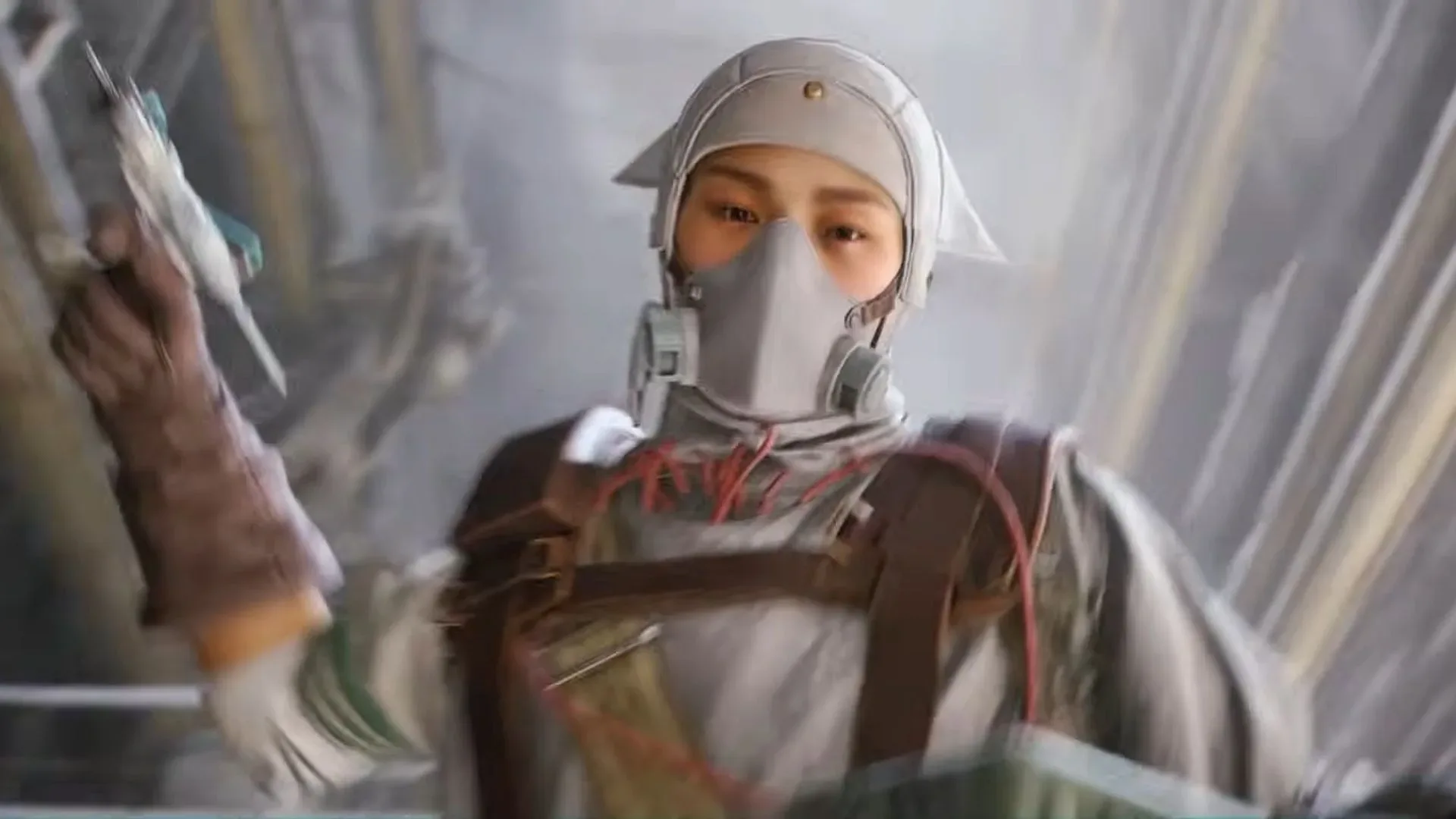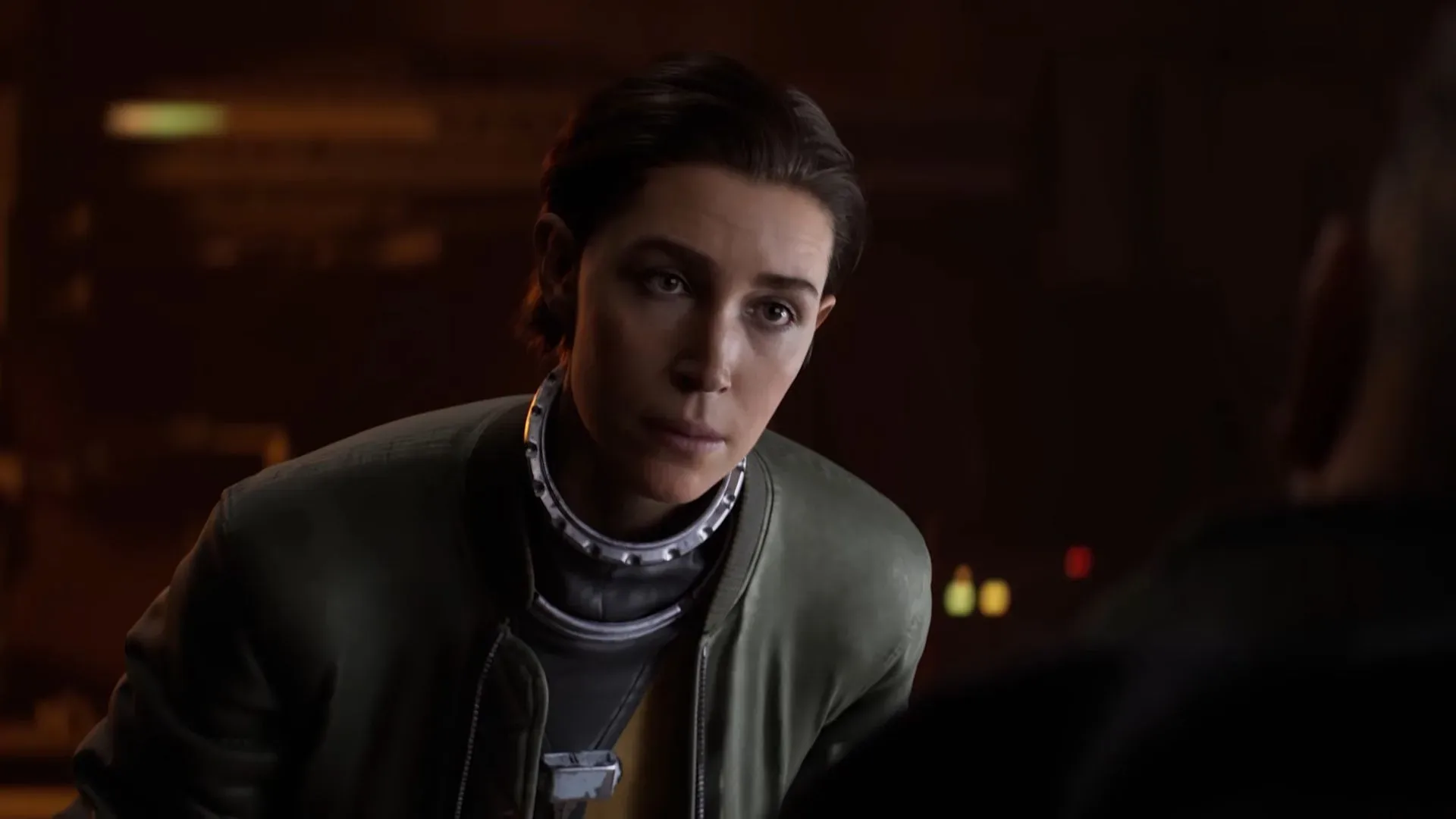
Arc Raiders is preparing to ask a question that goes beyond one limited-time mode: can an extraction shooter built around the possibility of hostile human opponents also thrive as a purely cooperative game?
From October 13 through October 20, developer Embark will run a test of a pure PvE mode for Arc Raiders. PvE means player versus environment: players face the game’s computer-controlled threats rather than one another. It is a notable experiment for a game whose current identity is PvPvE, or player versus player versus environment, where robot enemies and other players can both shape an encounter.
The test is not a commitment to a permanent separate mode. But executive producer Aleksander Grøndal has indicated that a more lasting division is conceivable. Asked whether Arc Raiders could eventually become, in effect, two experiences—the existing PvPvE game and a pure PvE counterpart—he said that outcome is “very possible.”
That possibility matters because it acknowledges a fundamental difference in what players want from the same game. Some seek the uncertainty of other players: the risk that a meeting becomes a fight, the relief when it does not, and the pressure this places on every decision. Others want the cooperative challenge of confronting Arc’s giant robots without the threat of another squad ending a run.
A test aimed at an old design question
The PvE experiment is not Arc Raiders returning casually to an abandoned feature. The game was originally conceived as a pure PvE experience focused on battling giant machines. Late in development, Embark shifted it toward PvPvE and an extraction-shooter structure. The studio also moved away from a free-to-play model as it committed to that direction.
An extraction shooter is generally defined by the pressure of entering a dangerous space, gathering or pursuing valuable objectives, and escaping successfully. Failure can carry meaningful consequences for the run. Within that structure, a human opponent does more than add combat difficulty. Another player can be an ambush, an unpredictable negotiation, a temporary ally, or simply a presence that makes information incomplete.
Pure PvE would change that equation. It would not automatically make Arc Raiders easy; the machine threats remain the central environmental danger. But it would remove a major source of uncertainty. Players could coordinate around known enemy behavior and shared objectives without having to decide whether a nearby human group is friendly.
Grøndal has described the test as a necessary way to answer a question the team has carried for a long time. That phrasing is important: the mode is meant to generate evidence rather than settle an argument by assumption. The studio plans to examine both player feedback and data from the trial before determining the best path forward.
Related coverage includes Arc Raiders PvE Test Could Lead to a Split Future for the Extraction Shooter.
Why PvE is not simply a lower-risk queue
The obvious reading of a PvE mode is accessibility. Players who dislike being attacked by other players, or who would rather make every run a cooperative exercise, would have a clear place to play. Yet adding that option to a live extraction game has consequences that cannot be reduced to a menu choice.
Grøndal specifically recognizes concerns over tension, camaraderie, the economy and a potentially divided player population. Those are separate problems, although they overlap.
- Tension: PvPvE tension comes partly from uncertainty. A purely cooperative setting may produce a different kind of pressure—surviving powerful AI threats and completing an extraction—but it cannot reproduce the same uncertainty created by players with independent motives.
- Camaraderie: In a PvPvE game, friendliness has extra meaning because it is chosen rather than guaranteed. If everyone is automatically on the same side, cooperation could become more reliable while losing the social ambiguity that makes spontaneous trust memorable.
- Economy: An extraction game’s economy concerns the flow and value of items, rewards, and progression-related resources. If rewards earned in PvE connect to rewards earned elsewhere, the modes may influence each other. Embark has said the trial is limited around some higher-end content, suggesting the team is deliberately watching where effects may be most consequential.
- Population: A separate queue can serve different preferences, but it can also distribute players across more destinations. The practical question is not merely whether both audiences exist; Grøndal says the community is already divided along these lines. It is whether each version of the game can sustain the experience it promises.
These issues explain why the October test should not be treated as a referendum on whether PvE players “belong” in Arc Raiders. It is a design and operations test. The relevant results include how players respond, what they choose to do, and whether a mode that removes player-versus-player conflict changes the wider game in manageable ways.
The community split may be real—but the product answer is still open
Grøndal’s central argument is that the game may need to respect distinct ways players want to enjoy it, even when those preferences do not align perfectly with the original design intent. That is a player-focused position, but it does not make the implementation straightforward. A permanent split would require Embark to define exactly what “two games” means in practice.
It could mean two distinct rule sets within one product. It could mean shared systems with restrictions designed to prevent one mode from destabilizing the other. Or it could mean that the trial reveals the modes should remain more closely connected than their labels suggest. None of those outcomes has been confirmed, and the limited test is not enough on its own to establish one.
What is clear is that Embark is not presenting the mode as a universally easy decision inside the studio. Grøndal says there were internal concerns on both sides and that the proposal did not receive blanket enthusiasm. That candor fits the stakes. A mode that satisfies one portion of the audience could inadvertently weaken the ingredients another portion values most.
It is also a reminder that a community disagreement does not always have a clean winner. Players asking for PvE are not necessarily asking for fewer meaningful stakes. Many may be asking for stakes centered on environmental danger, teamwork and escape rather than the chance of human betrayal. Meanwhile, players who prefer PvPvE may see other players not as an optional complication but as a defining source of the game’s stories.
A successful test, then, would not necessarily be the version with the largest immediate audience. It would be one that gives Embark a clearer picture of trade-offs: whether pure PvE has its own compelling loop, whether its rewards and progression can be handled responsibly, and whether its presence harms or complements the existing PvPvE experience.
Frozen Trail also addresses a smaller but meaningful frustration
The larger PvE experiment arrives alongside the Frozen Trail update. Among its changes is a quality-of-life improvement that players have requested: the map can now be opened while downed.
That feature is much smaller in scope than a separate PvE rule set, but it reflects the same underlying concern with how players experience stressful moments. Being downed is a vulnerable state; allowing access to the map can help a player communicate location and orient themselves while waiting for help or assessing the situation. It does not remove the danger of being downed, but it gives players more information at a moment when information is especially useful.
The contrast is instructive. One update improves agency within the established PvPvE framework. The PvE test asks whether an alternative framework should eventually exist beside it. Both changes speak to player feedback, but only one could reshape the game’s long-term identity.
Arc Raiders’ test also arrives amid a wider industry interest in how games build and retain communities with different habits and expectations. As explored in the changing ways game publishers build audiences beyond the digital storefront, finding multiple paths into a game can matter as much as defining a single ideal player. In Arc Raiders’ case, the question is more immediate: can two audiences with different appetites for player conflict share a future without one experience diminishing the other?
What players should watch during the October 13–20 trial
For players entering the PvE test, the most useful feedback will likely be specific rather than broad. Does the absence of hostile players make the robot encounters feel strategically different? Does cooperation become more satisfying, more routine, or both? Does the mode retain a meaningful feeling of risk? And, crucially, does its reward structure feel fair without making the broader progression system feel compromised?
For PvPvE-focused players, the key issue is not whether the PvE mode personally appeals to them. It is whether the test creates measurable effects that would make the primary experience less healthy if made permanent. Embark has already identified that possibility as a legitimate risk, rather than dismissing it.
No permanent split has been announced. The immediate fact is narrower: Arc Raiders will test pure PvE from October 13 to October 20, with higher-end elements limited as the team studies the result. But the test carries unusual significance because its producers are willing to entertain a future in which the game formally represents the division already visible among its players.
That does not guarantee two versions of Arc Raiders. It does guarantee that the studio is finally putting a long-running design question into a form players can help answer.