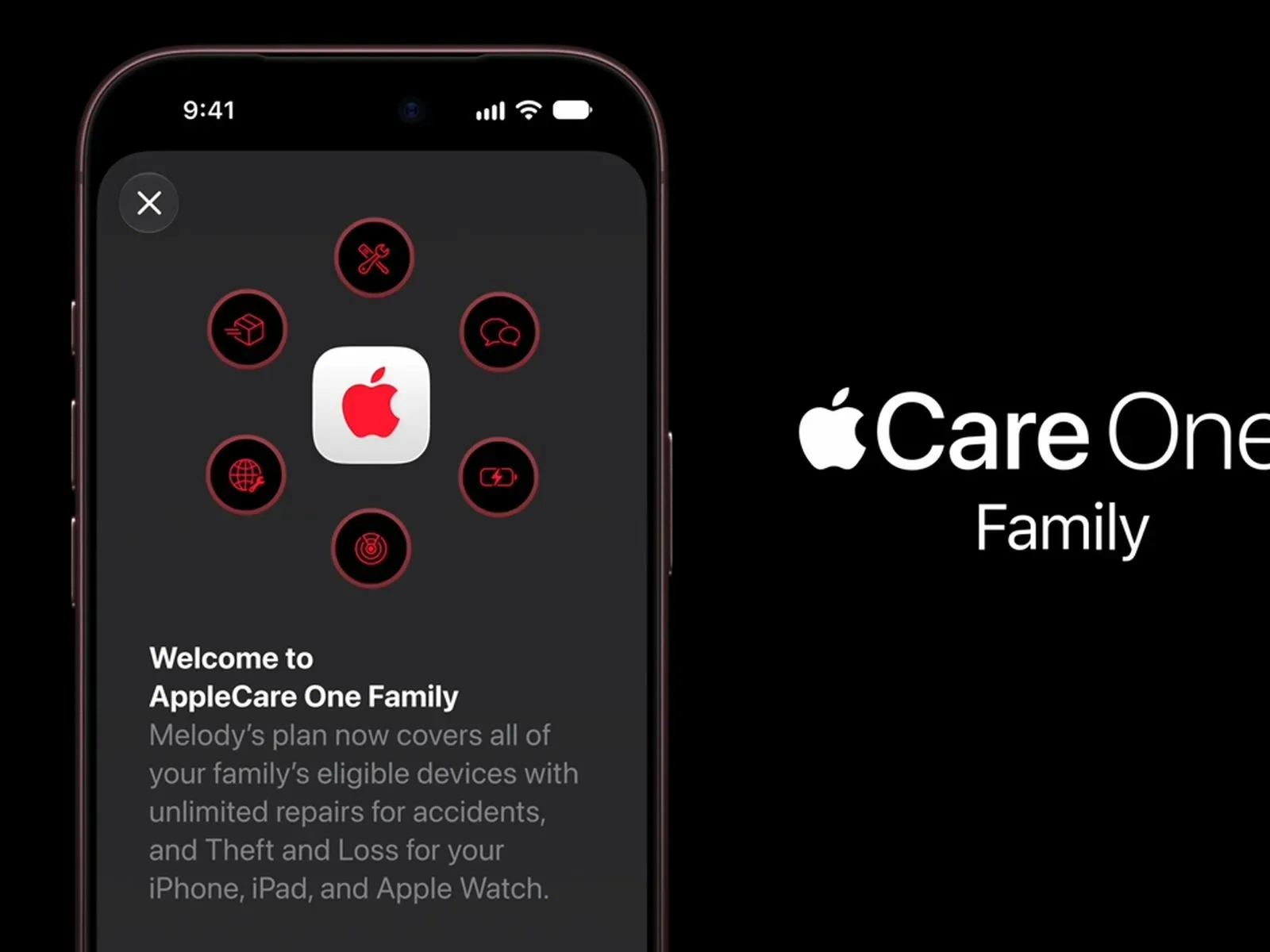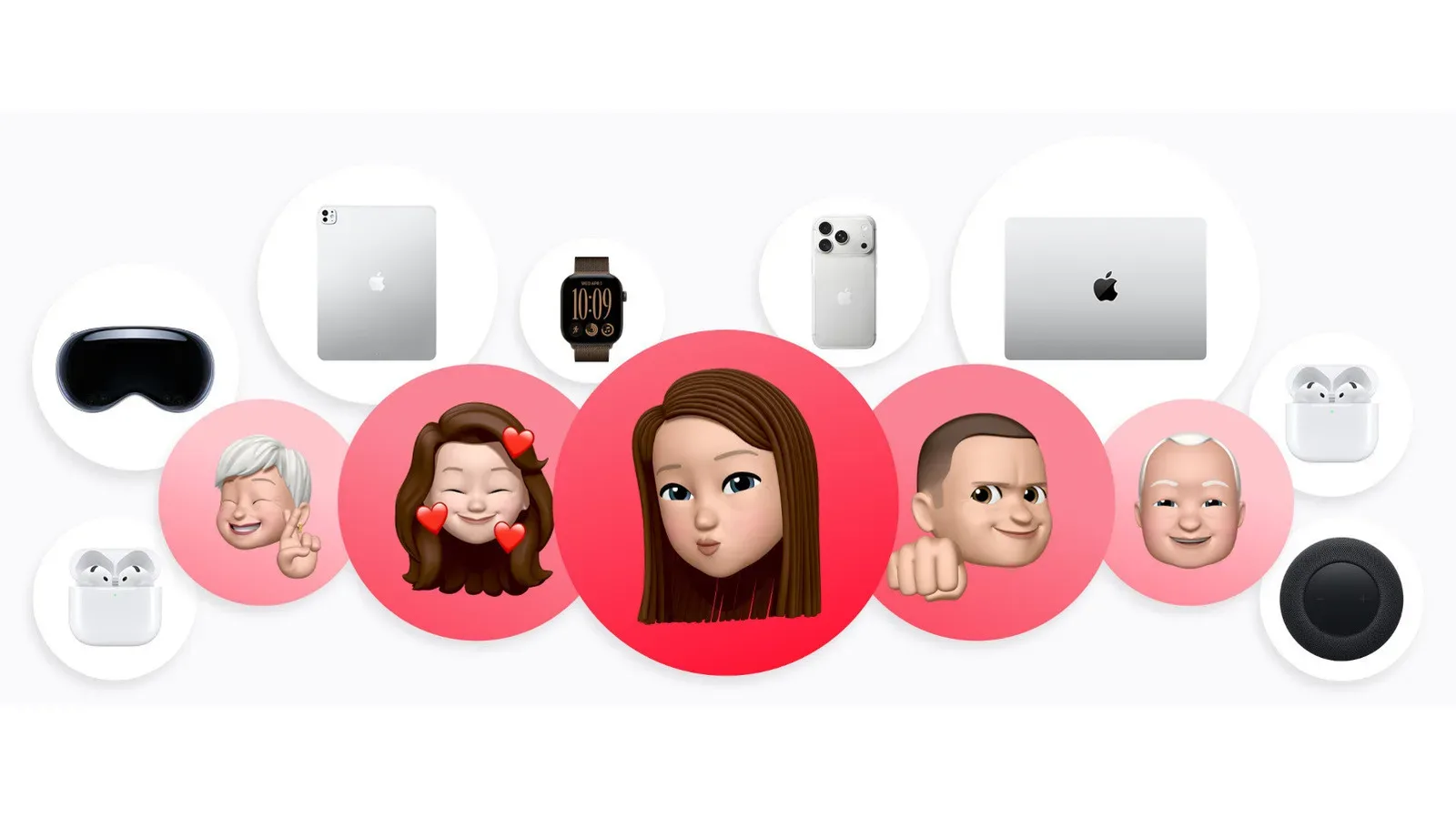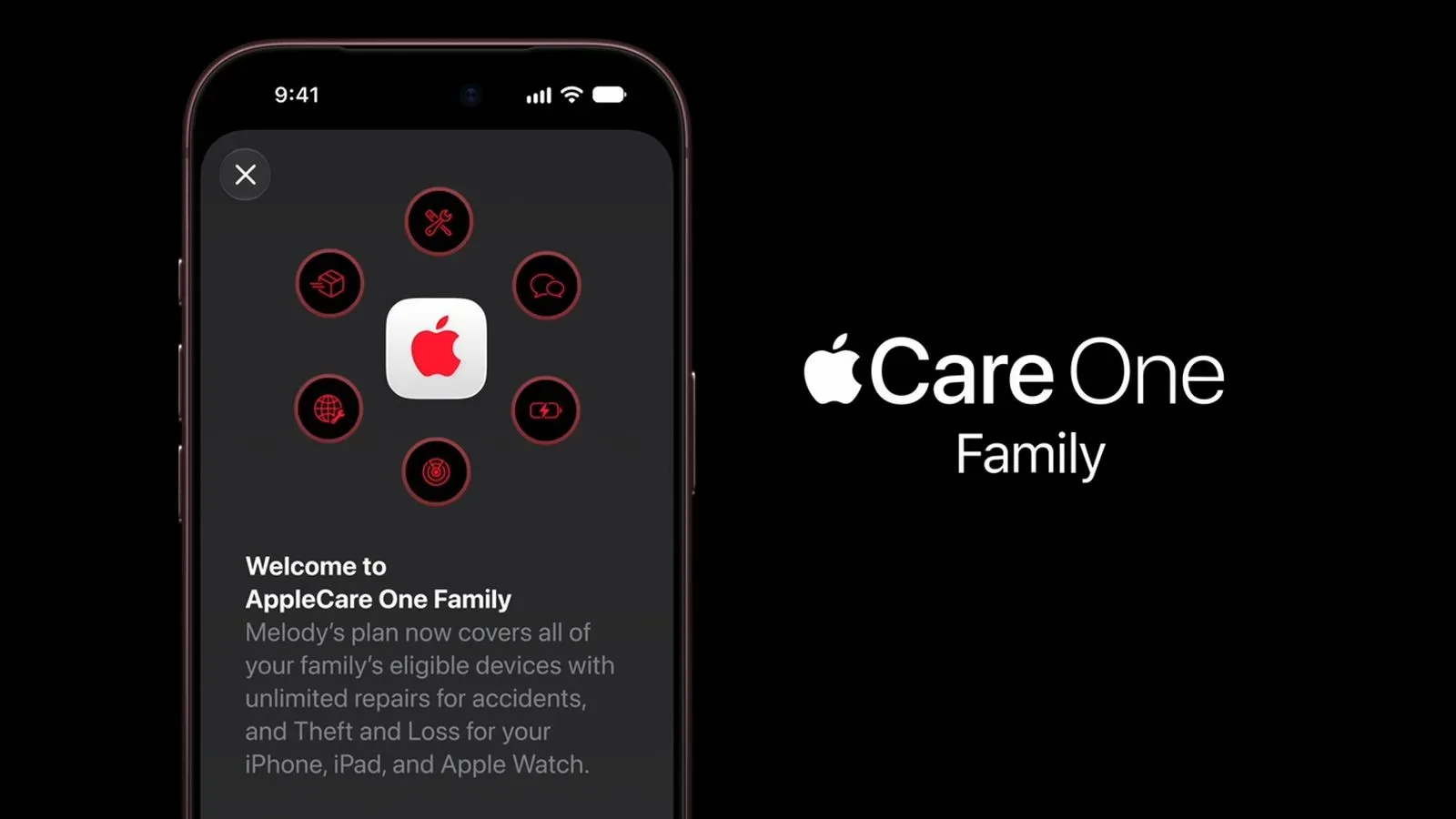
Apple has expanded its device-protection subscription lineup with AppleCare One Family, a US-only plan designed for households whose collection of iPhones, iPads, Macs, watches, earbuds and assorted expensive rectangles has outgrown a single-owner setup. The service costs $49.99 per month and can cover eligible Apple devices belonging to as many as six people in one Family Sharing group.
It is a substantial shift from treating protection as an individual-device chore. Instead of keeping track of separate coverage windows for every phone, tablet and laptop in a home, a qualifying family can place its eligible Apple hardware under one recurring plan. That does not mean every forgotten gadget in a drawer automatically qualifies, however. The new arrangement has device-age requirements, account rules, check-in expectations and a cap for Vision Pro.
For households already deeply invested in Apple hardware, AppleCare One Family is essentially a subscription bundle built around the fact that a modern family technology pile can look less like a neat ecosystem and more like a small electronics shop after a thunderstorm. It also follows the company’s existing AppleCare One subscription, introduced in July 2025.
What AppleCare One Family covers
AppleCare One Family includes the core benefits associated with AppleCare+, including coverage for accidental damage. It also includes theft and loss protection for iPhone, iPad and Apple Watch. Service fees and deductibles remain applicable, so the $49.99 monthly price should not be read as an unlimited no-questions-asked replacement machine.
The family plan permits up to six theft and loss claims across the family each year. That is a shared total, not six claims for every person. In practical terms, one member’s lost iPhone claim affects the same annual pool used by everyone else on the plan. Families considering the subscription should therefore think of this benefit as a communal emergency stash rather than six individual treasure chests.
The plan covers eligible devices attached to the Family Sharing group, and Apple says there are relatively few limits on the total number of supported devices. A household can protect its wider product collection rather than being locked to a small fixed allotment. There is one particularly futuristic exception: coverage is limited to a maximum of six Vision Pro headsets. That ceiling should accommodate many families, including several that may be running a surprisingly ambitious living-room spatial-computing league.
Which devices can join the plan
Devices that already have AppleCare protection when the family subscribes are automatically brought into AppleCare One Family during setup. The same automatic treatment applies to devices bought within the previous 60 days.
Older hardware may still be eligible, which is significant for homes where a perfectly functional Mac has survived several operating-system eras or where an iPad has become the permanent kitchen recipe terminal. Apple says devices up to four years old can be added. AirPods and Beats have a shorter eligibility period of one year.
Adding one of those older devices can require a condition check. The purpose is straightforward: the device needs to be in good working condition before it can enter the protection plan. Hardware that does not meet that standard cannot be added. A cracked-screen veteran or a laptop with an existing mysterious charging ritual may therefore need attention before it can become part of the family umbrella.
That distinction matters because AppleCare One Family is not presented as a way to enroll already-broken products for an immediate rescue. It is ongoing protection for qualifying, working devices. The potentially broad device count makes the offer more flexible than a three-device subscription, but eligibility still has a gatekeeper.
Family Sharing and account rules are central
The word Family in the plan name is doing real administrative work. Each covered device must be signed in with the Apple Account of someone in the Family Sharing group. If a person signs out and another Apple Account that is not in that family group signs in, coverage ends for that device.
This is an important detail for households that trade in older phones, share tablets among visitors, hand down Macs to relatives outside the group, or maintain separate accounts for work and personal use. Coverage follows the stated Family Sharing and sign-in conditions rather than simply following physical possession of the device. Anyone thinking of passing a protected iPhone to someone outside the family group should understand that the plan may not travel with it.
Only an adult member of a Family Sharing group can start AppleCare One Family. Payment can also work in more than one way. When Purchase Sharing is enabled, the family organizer automatically pays the subscription. Apple also allows the person subscribing to the plan to select their own payment method. That could be useful in families where the organizer manages shared purchases but another adult wants to take responsibility for the protection bill.
For more Apple-related retail and support context, the recent Apple Victoria Gardens reopening illustrates how the company’s physical support infrastructure continues to be part of the broader ownership experience. A protection plan is only one piece of that experience; account eligibility, repair logistics and local service access still matter when something goes wrong.
Ongoing coverage is not completely hands-off
Once added, devices remain covered while the AppleCare One Family plan stays active. But Apple requires devices to check in with its servers at least once every 12 months. This is worth noting for dormant backup hardware, rarely used tablets and Macs stored away for long stretches. A device that never reconnects could create a coverage problem simply because it has spent too long living off-grid.
Apple also reserves the ability to remove a device if service parts are unavailable. This condition is especially relevant to aging products, where an otherwise eligible device may eventually reach the point at which repairs cannot be supported with available parts. The four-year enrollment window does not guarantee that every device will be repairable forever.
Neither condition makes the subscription unusual for a service tied to repair support, but both are worth putting on the household checklist. AppleCare One Family may simplify billing and organize protection across several people, yet it does not erase the practical realities of device age, parts inventories and account status.
How it compares with AppleCare One
AppleCare One Family sits alongside the existing AppleCare One plan rather than replacing it. AppleCare One costs $19.99 per month and covers up to three devices. Additional devices can be added to that plan for $5.99 per month each.
The choice will likely depend less on a household’s raw gadget count than on how many people need coverage and whether those people are already in a Family Sharing group. AppleCare One may remain the cleaner option for one person with a small collection of devices. AppleCare One Family is built for a group that wants a single protection structure across multiple members and potentially many eligible products.
At the listed monthly rates, a buyer should compare the plan options against their own device roster and the separate coverage arrangements they might otherwise maintain. The family plan’s $49.99 recurring cost is a meaningful commitment, while its broader hardware scope and shared loss-and-theft allocation could make more sense for some larger Apple households than managing many standalone plans.
The short checklist before subscribing
- AppleCare One Family is currently limited to the United States.
- It costs $49.99 each month.
- It supports eligible devices for up to six Family Sharing members.
- Existing AppleCare devices and products purchased less than 60 days earlier are automatically enrolled during setup.
- Other devices can be added when they are no more than four years old; AirPods and Beats must be no more than one year old.
- Older additions may need a device check and must be in good working condition.
- Accidental-damage protection is included, while theft and loss applies to iPhone, iPad and Apple Watch, subject to the usual fees and deductibles.
- The family shares up to six theft and loss claims per year.
- Devices need to remain tied to a family member’s Apple Account and check in with Apple at least annually.
AppleCare One Family is therefore best understood as a wider, shared protection layer rather than a magical exemption from every repair rule. For the right Family Sharing group, it consolidates a sprawling collection of Apple devices into one monthly plan. For everyone else, the fine print around condition, sign-ins, annual check-ins and claim sharing deserves just as much attention as the appealing idea of putting the entire gadget drawer on one bill.