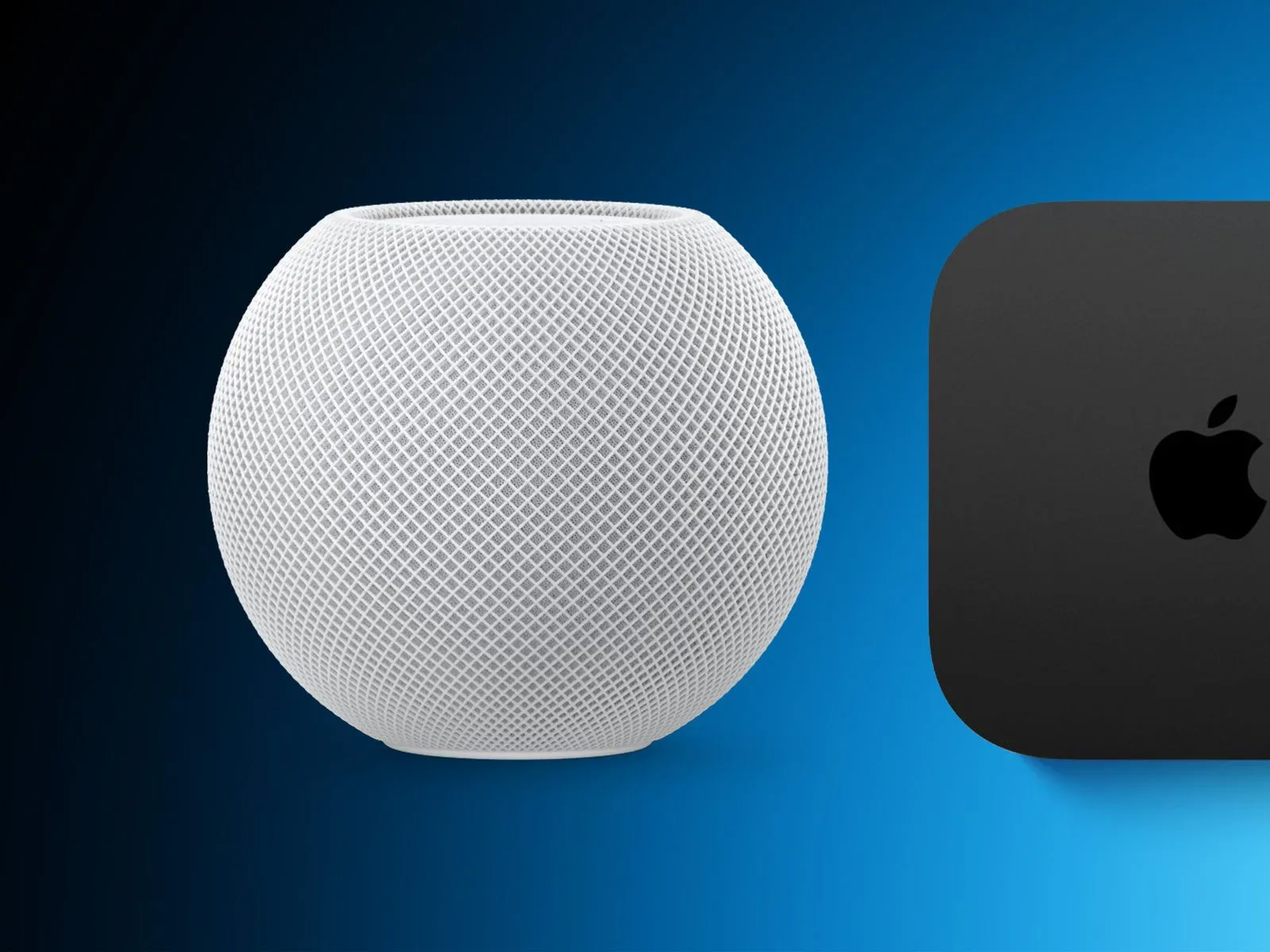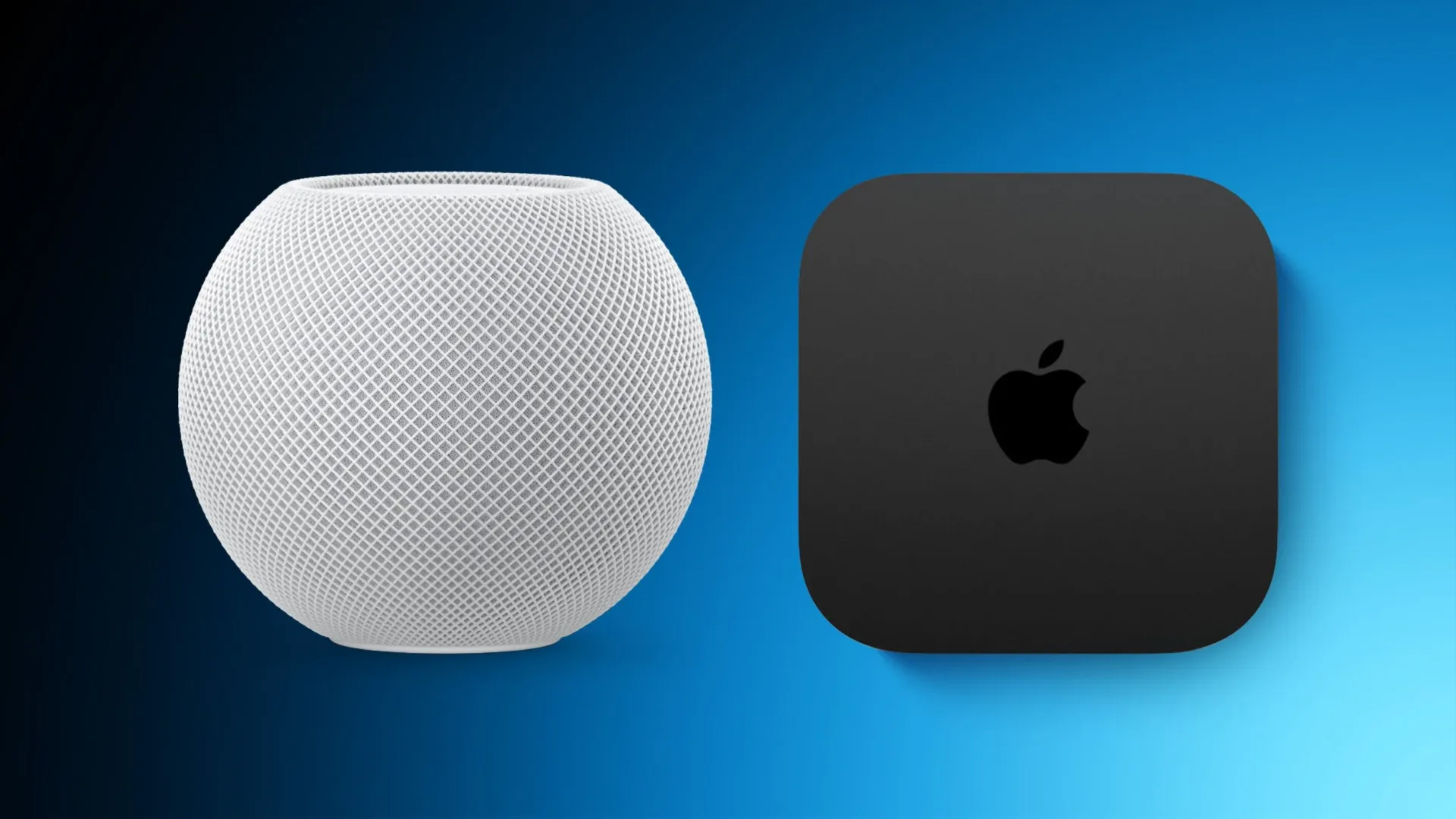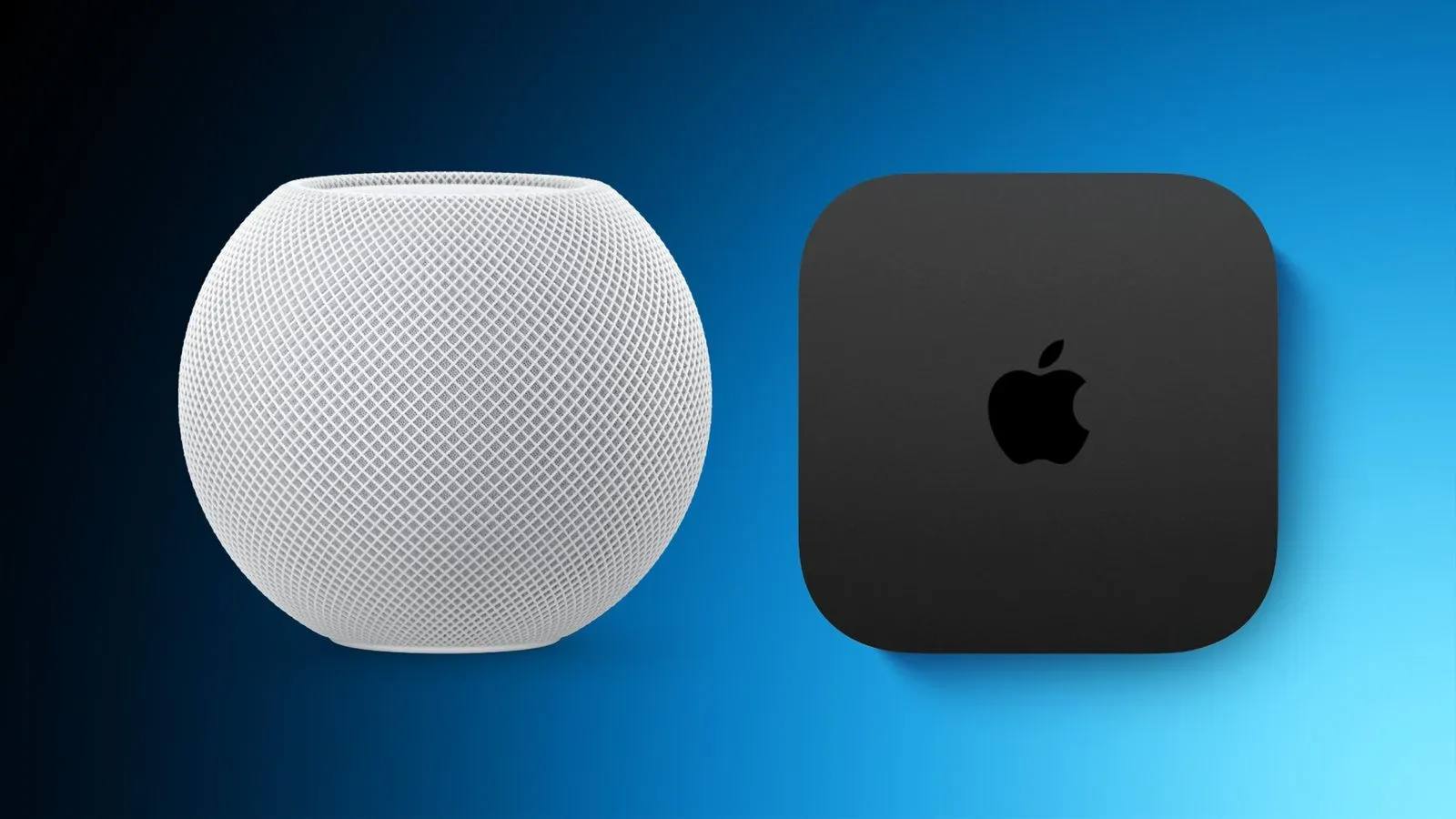
Apple TV and HomePod mini availability is again uneven in the United States. The current picture on Apple’s online store is straightforward but inconvenient for anyone trying to buy a specific configuration now: the Apple TV with 64GB of storage has estimated delivery dates reaching into October, the orange HomePod mini cannot currently be ordered, and the yellow HomePod mini carries an estimate that reaches into November.
Those examples do not establish that every Apple TV or HomePod mini model is unavailable, nor do they reveal a cause. They do show that shoppers should treat the storefront’s delivery estimate as configuration-specific. Storage capacity and color can make a major difference to when an order is expected to arrive.
What the current estimates actually say
An estimated delivery date is the seller’s projected arrival window for an online order. It is not the same thing as a declaration that the product line has ended, that every model is out of stock, or that a replacement has been confirmed. In this case, the visible signal is limited to three particular situations:
- The 64GB Apple TV has delivery estimates extending into October.
- The orange HomePod mini is unavailable to order.
- The yellow HomePod mini has an estimated delivery window reaching November.
“Unavailable to order” is the clearest immediate barrier: there is no current online order path for that orange model. A later delivery estimate is different. It means an order can be associated with a projected future delivery rather than immediate fulfillment. For shoppers, both outcomes can delay a purchase, but they are not identical inventory states.
The distinction matters because the Apple TV and HomePod mini are not single, uniform stock-keeping units. The relevant product choice may be capacity in the Apple TV’s case or finish in the HomePod mini’s case. A delay attached to one option should not be generalized into a claim about all versions without checking the exact version being purchased.
A recurring pattern, not a one-day anomaly
Availability issues involving these products have appeared on and off for more than a year. That longer pattern provides useful context, but it does not answer the key question people will naturally ask: whether these waits mean a newer model is imminent.
Rumors have continued to circulate about possible new Apple TV and HomePod mini models later this year. However, stock delays alone are not confirmation of a new device, a release date, product specifications, a discontinuation, or a change to the existing lineup. Inventory movement can be meaningful to observers, yet it is still indirect evidence. A store estimate tells customers when a particular item may arrive; it does not explain why the estimate exists.
The useful takeaway is practical rather than predictive: availability is constrained for certain U.S. Apple TV and HomePod mini options, while the meaning of that constraint remains uncertain.
Why color can become the deciding factor
The HomePod mini examples underline an easily overlooked retail reality: a color selection is not merely cosmetic when it is tied to a separately managed inventory pool. A shopper who specifically wants orange is currently facing an unavailable product page state. A shopper who specifically wants yellow may be able to place an order but has to account for a much later estimate.
That does not mean the colors themselves are becoming rare in any broader collecting sense, and there is no basis here for treating them as limited editions. It means that a customer buying a speaker to match a room, desk, or existing setup may have less flexibility than someone who is happy to consider another configuration. The purchase decision is therefore partly about timing and partly about whether that particular finish is essential.
For a household setup involving a planned move, a gift, or a coordinated home-theater installation, a multimonth estimate can matter more than it would for a casual future purchase. It is worth separating the desire to own the exact color from the need to have a HomePod mini by a certain date. The storefront status provides information relevant to that choice, even though it provides no explanation for the shortage.
Apple TV storage is a separate availability question
The Apple TV situation is attached here to the 64GB configuration. Storage capacity refers to the amount of built-in space allocated for content and apps on the device. The reported delay does not establish the availability of other capacities, nor does it identify a technical change to Apple TV hardware or software.
Still, a projected October delivery is a meaningful planning concern for buyers who have chosen 64GB already. A shopper may be weighing their storage preference against the value of waiting. The current evidence cannot tell them whether an alternate configuration will arrive sooner, so that must be verified on the store page at the time of purchase rather than assumed from one delayed option.
This is also a reminder that product-family labels can obscure the details that control fulfillment. “Apple TV” may describe a line of streaming hardware, but capacity is part of the specific item a customer receives. When stock is tight, that detail can be the difference between ordering today and waiting weeks.
How to read shortage signals without overreading them
Product availability pages create a strong temptation to interpret every delay as a leak about an incoming refresh. Sometimes shoppers notice extended shipping estimates while rumors are already active and connect the two. That connection may be understandable, but it remains a theory unless Apple provides confirmation.
There are several statements the current information supports:
- Some Apple TV and HomePod mini U.S. online orders are facing extended waits.
- The affected examples include a 64GB Apple TV and two HomePod mini colors.
- Orange is currently unavailable to order, while yellow has a later estimated delivery.
- Availability disruptions for these products have occurred intermittently for more than a year.
- There are ongoing rumors about new models later this year.
And there are claims it does not support:
- A new Apple TV or HomePod mini has been announced.
- Any new model’s features, price, or launch timing are known.
- The existing products have been discontinued.
- Every Apple TV or every HomePod mini color has the same delivery status.
- The delays have one confirmed cause.
That separation between observation and inference is especially important when buying technology near a rumored product transition. A rumor can inform patience, but it cannot guarantee that waiting will produce a new option, a better specification, or a shorter delivery time.
Practical implications for buyers
Anyone who needs one of these exact configurations soon should begin with the least glamorous step: re-check the delivery estimate for the precise product choice before committing to a plan. Estimates can change, and the present examples describe a particular moment in the U.S. online store rather than a permanent rule.
For the orange HomePod mini, the immediate issue is availability rather than delivery speed. Customers set on that finish may need to wait until ordering returns. For yellow, the trade-off is explicit: it can be associated with an estimated November arrival. For the 64GB Apple TV, the reported wait reaches into October.
Buyers who do not have a hard deadline can simply factor those windows into their decision. Buyers who do have a deadline should resist treating broad product names as a promise of broad stock. The relevant question is narrower: can the exact storage option or color needed be delivered in time?
The wider tech backdrop also makes this a useful moment to be disciplined about expectations. The same industry-facing questions around platform features and connected-device ecosystems can affect what people want from a living-room setup, as seen in the discussion of CarPlay’s place in vehicle interfaces. But none of that changes the limited, current purchasing fact: select Apple TV and HomePod mini orders are taking longer than usual on Apple’s U.S. online store.
What to watch next
The most useful next development would be a change in the product pages themselves: earlier delivery estimates, the return of orange HomePod mini ordering, or broader restrictions across other configurations. Those changes would update the immediate buying picture, though they still would not automatically confirm a future product.
Until there is direct product information, the responsible reading is modest. The Apple TV with 64GB and the cited HomePod mini colors are showing real availability pressure. It has happened intermittently for more than a year. New-model rumors provide context for why the pattern is attracting attention, but the storefront alone cannot turn rumor into fact.