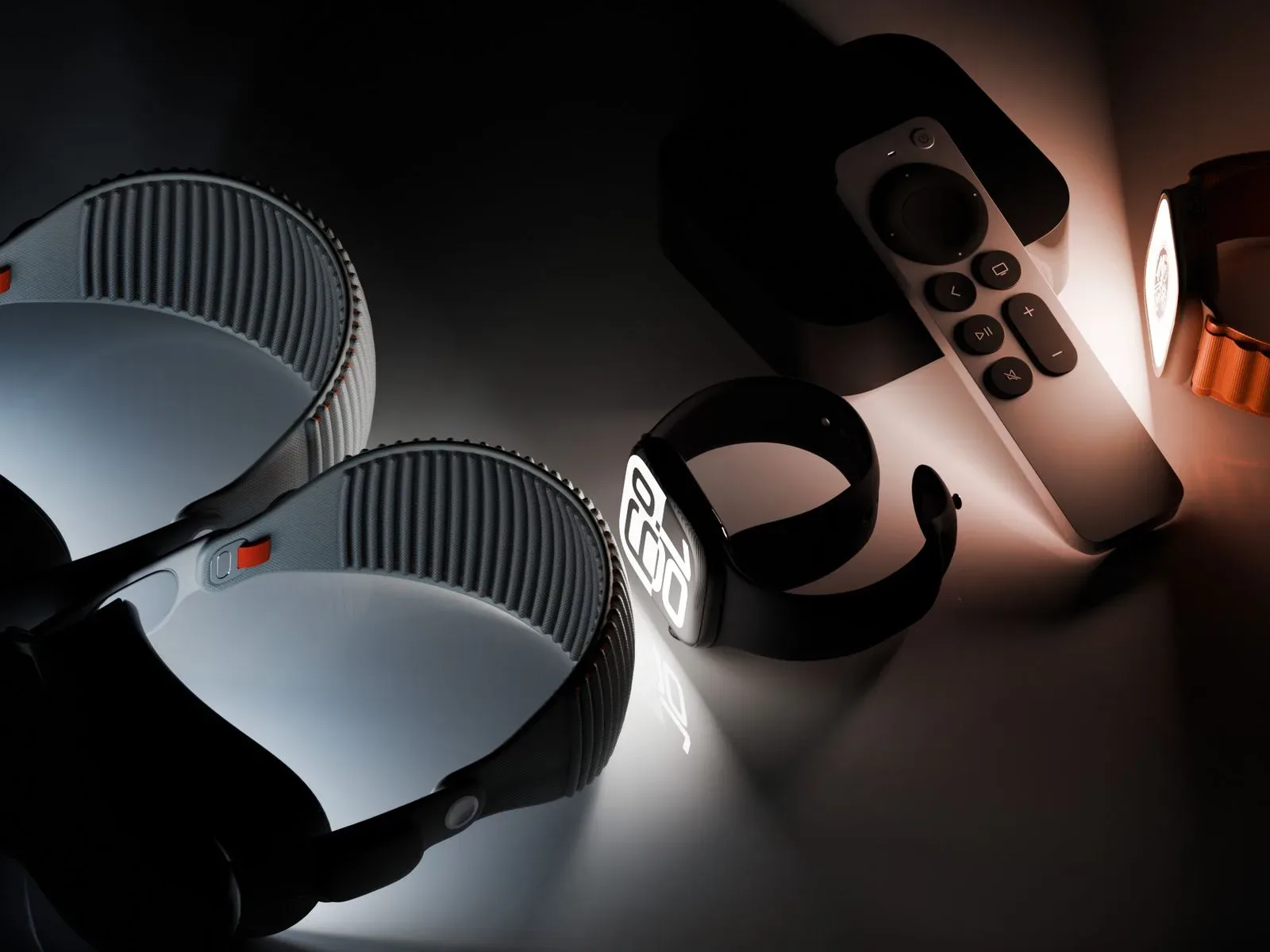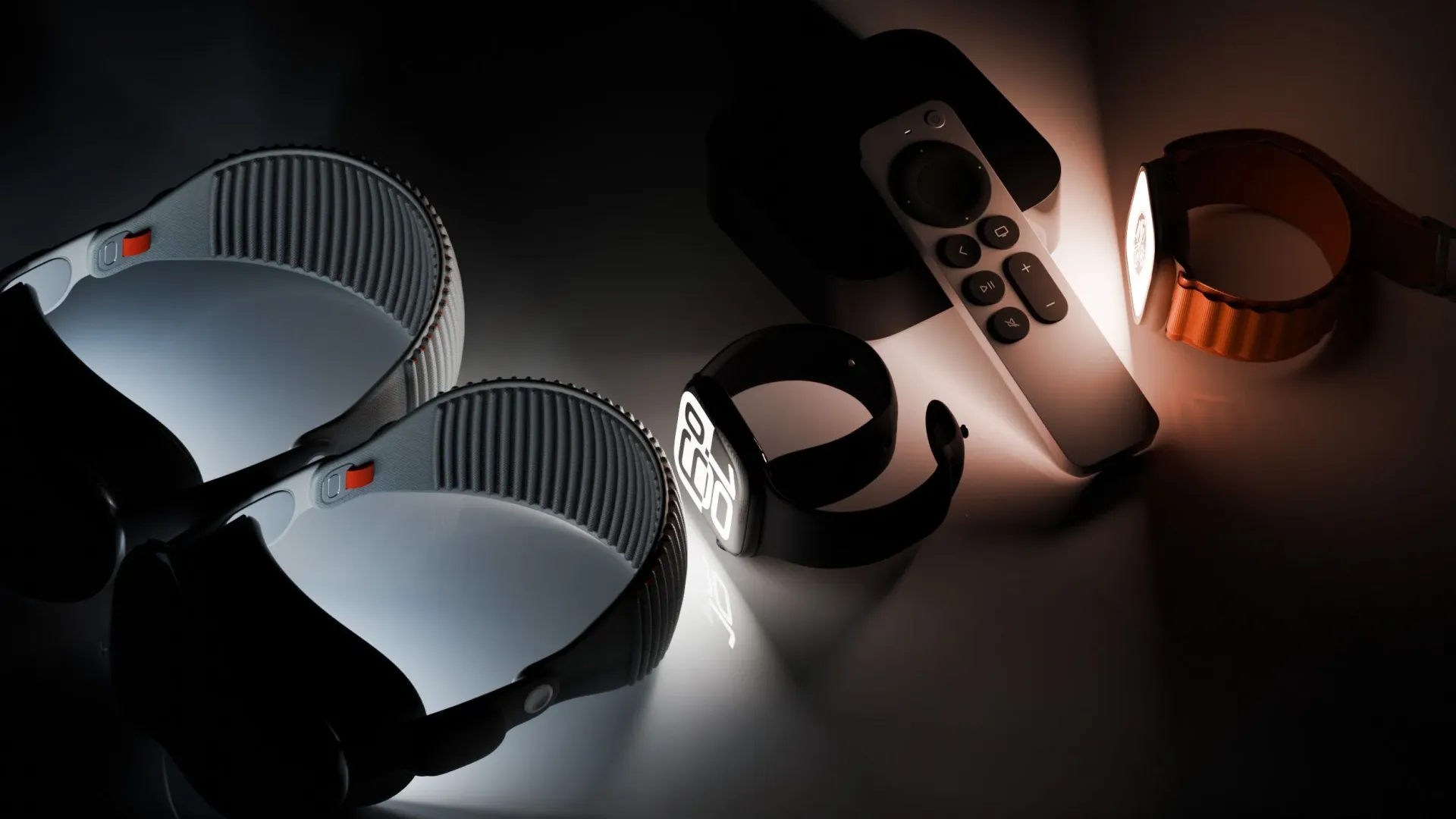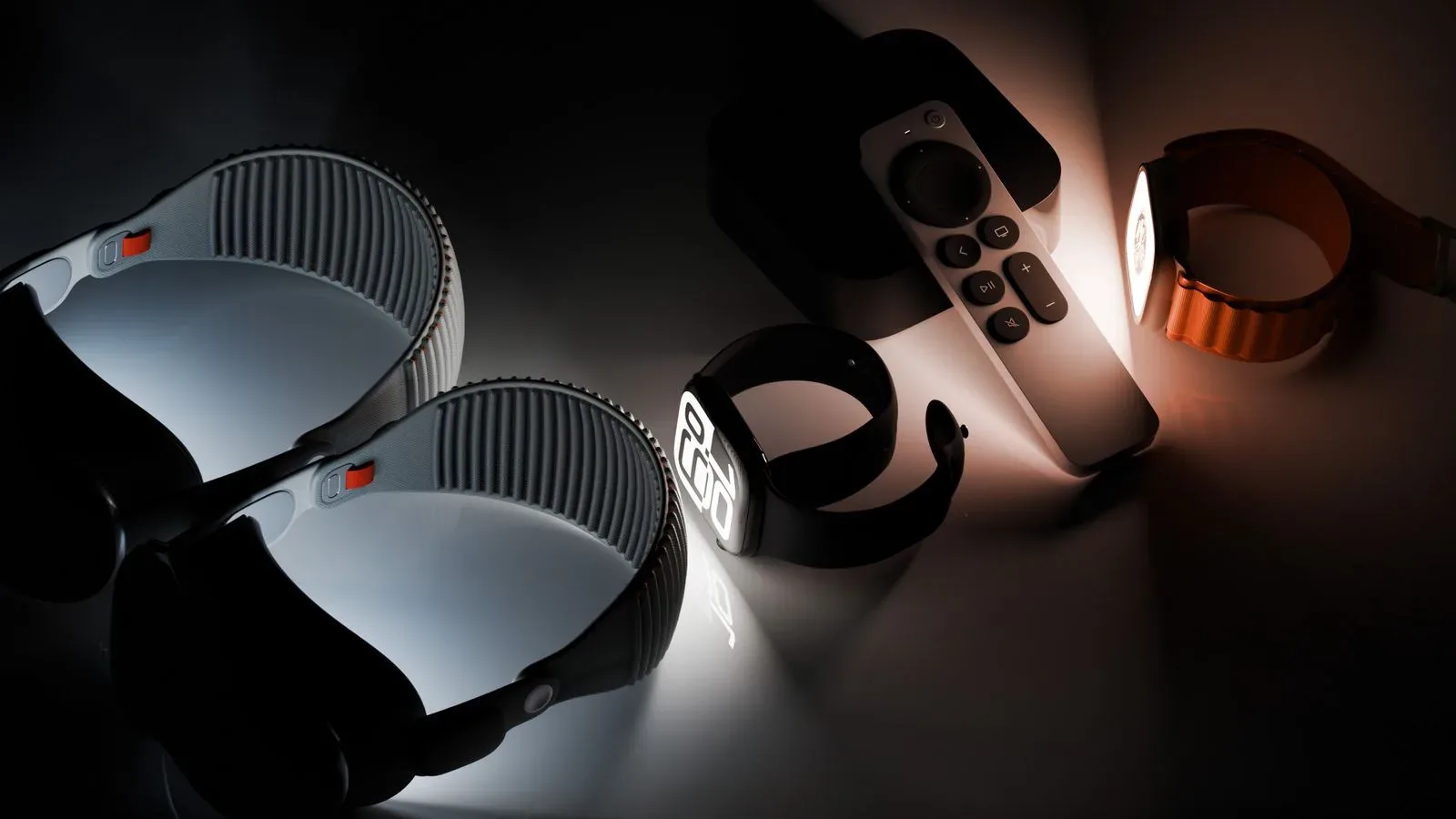
Apple has moved watchOS 27.2, tvOS 27.2 and visionOS 27.2 to the release-candidate stage, issuing new builds to registered developers. The releases arrive a week after the fourth beta versions and alongside fresh beta activity for iOS 27.2, iPadOS 27.2 and macOS Golden Gate 27.2.
For Apple-device owners, the key point is what an RC actually represents. “Release candidate” is a late pre-release label: a build intended to be a plausible version of the software that could ship publicly, assuming no important remaining defects are discovered. It is not the same thing as a confirmed public release date, nor is it a promise that every element of the build will remain unchanged. But it generally signals that development has reached a more settled phase than an earlier beta.
What Apple has released
The new release candidates cover three very different pieces of hardware:
- watchOS 27.2, the Apple Watch operating-system update.
- tvOS 27.2, the software update for Apple TV hardware.
- visionOS 27.2, the update for Apple Vision Pro.
Registered developers can obtain the builds from the Settings app on the relevant devices. That access is significant but limited: these are developer-distributed pre-release versions, not confirmation that every consumer should install them or that they are already available as general public updates.
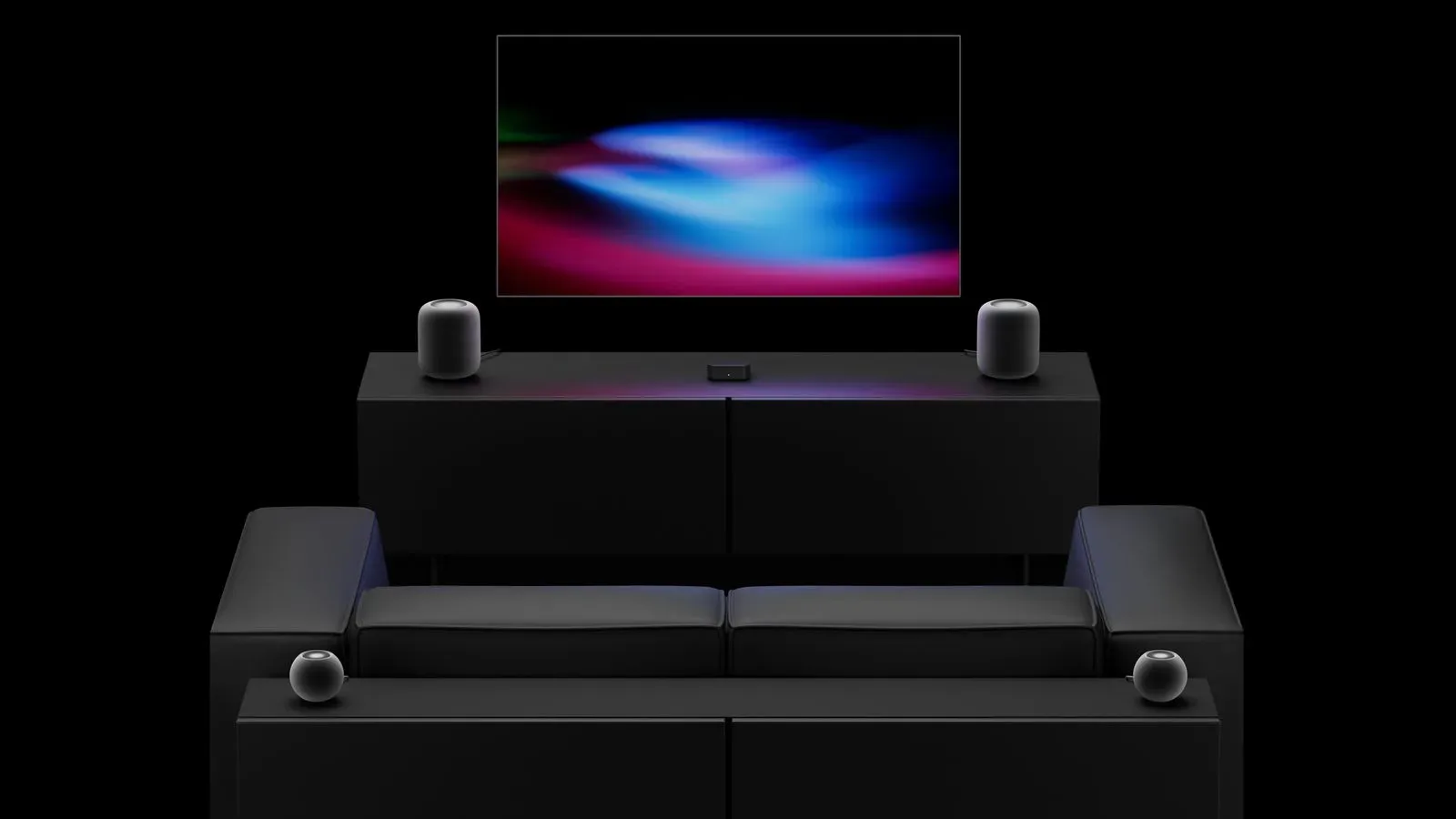
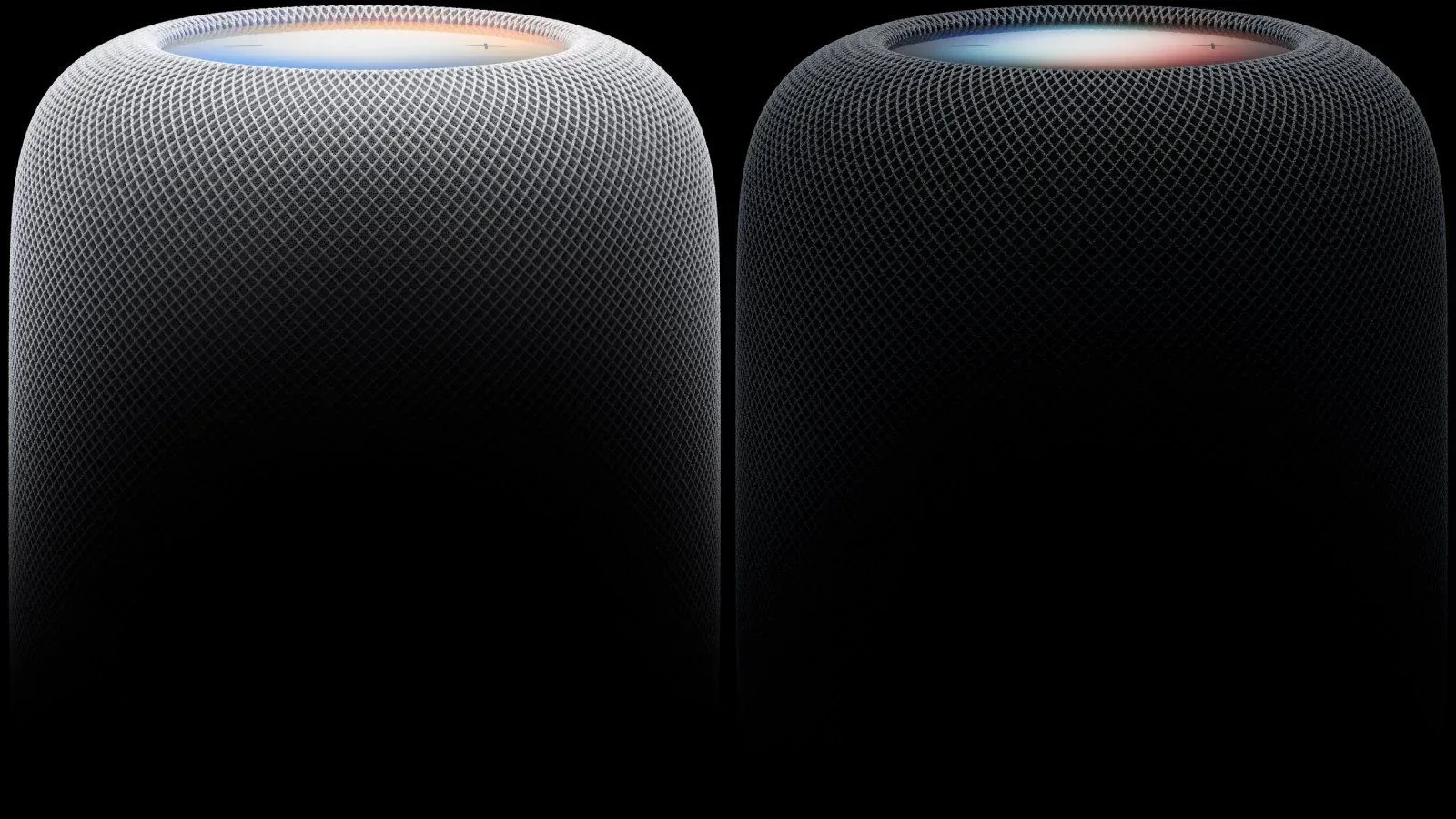
Apple has also released HomePod Software 27.2, including software for the new HomePod mini 2. The shared version number does not, by itself, establish a complete shared feature list across Apple Watch, Apple TV, Vision Pro and HomePod. Each platform has different hardware, interface needs and system capabilities. The coordinated rollout instead indicates that Apple is advancing several parts of its device ecosystem at once.
tvOS and visionOS changes are still not spelled out
The available information does not identify what is new in tvOS 27.2 or visionOS 27.2. That absence matters. Release candidates are often read as feature announcements, but an RC can contain stability work, compatibility fixes, behind-the-scenes preparation, or changes whose details are not yet public. Without documented release notes describing additions, it would be premature to present any particular new feature as confirmed for either update.
That is especially worth keeping in mind for Vision Pro users. visionOS is built for a spatial-computing device, but the release-candidate notice provides no confirmed new spatial apps, interface tools, immersive-media improvements, accessory support or gaming-related changes for version 27.2. In practical terms, developers can inspect the build and test their software against it; everyone else should treat the contents as unknown until Apple provides specifics or the software reaches a public release with fuller notes.
The same restraint applies to Apple TV. There is a meaningful thread to watch, but not a complete feature list. Apple is bringing Siri AI to Apple TV, making it possible that tvOS 27.2 includes Siri-related work. “Could” is doing important work there: the present information establishes a plausible connection, not confirmation that the RC activates, expands or visibly changes Siri AI on Apple TV.
Why Siri AI on Apple TV is the major question
Apple TV is a lean-back entertainment device. Its most familiar jobs are navigating streaming apps, finding something to watch and controlling playback. That makes voice interaction potentially useful, but it also makes implementation details unusually important. A television interface has to work at a distance, accommodate a shared living-room screen and avoid turning simple commands into confusing conversation.
“Siri AI” is a broad label rather than a detailed technical specification in the information available here. It should not be read as proof of a particular set of capabilities, expanded languages, third-party app behavior or a rollout timetable. The sensible interpretation is narrower: Apple TV is part of Apple’s stated AI direction for Siri, and tvOS 27.2 is a reasonable build to monitor for signs of that work.
For viewers, the practical questions are straightforward: whether Siri can understand requests more reliably, whether it can handle more natural phrasing, and whether any new behavior is available on their specific Apple TV setup. None of those questions is answered by the RC notice alone. Compatibility and rollout scope can matter just as much as the headline feature, particularly when a service is tied to particular hardware, languages or regions.
There is already separate Joking Joystick coverage of tvOS 27.2 and Apple TV 4K HomePod surround sound, a reminder that TV-platform releases can affect the broader living-room setup as well as the on-screen interface. Still, users should distinguish reported feature-specific information from the limited details attached to this wider RC release.
Release candidate explained: a useful checkpoint, not a finish line
Software testing commonly moves through stages. Early builds can change quickly as developers add features and resolve foundational issues. Betas are pre-release versions intended for testing, where feedback and telemetry can help identify faults across a broad variety of devices and usage patterns. A release candidate comes later, when the build is being evaluated as a candidate for final distribution.
That terminology helps set expectations. An RC can be close to a final release without being identical to it. If an important bug appears, a company can issue another RC before the public version. Conversely, an update can reach the public without a dramatic consumer-facing changelog if its primary work is reliability or preparation for features that are enabled later.
For developers, this stage is particularly useful. Apps and services can be checked against software that is nearer to what customers may soon run. Problems involving system permissions, playback behavior, companion-device communication, display behavior, notifications or device-specific layouts are often far easier to address before a public operating-system update is widely installed.
For ordinary users, an RC is mainly a signal to watch for a forthcoming public update rather than a mandate to change anything immediately. Those who are not registered developers should wait for Apple’s consumer release path and published notes. Pre-release software, even late in the cycle, can contain bugs that affect daily use.
What to watch next
Three details will determine how substantial the 27.2 releases are once more information emerges:
- Official notes for tvOS and visionOS. These will clarify whether either update has visible additions or is primarily focused on fixes and platform work.
- The scope of Apple TV Siri AI. Any confirmed capabilities, hardware requirements and availability limits will matter more than the general suggestion that Siri changes may be involved.
- Whether another release candidate follows. A subsequent RC would indicate that Apple is still addressing something before public distribution; the current RC alone does not guarantee an immediate launch.
watchOS 27.2 is also part of this late-cycle batch, though no feature details were supplied here for the Apple Watch update. That should temper expectations across the board. The headline is not a newly documented slate of watch, TV and headset functions. It is that Apple has put these operating systems through an important late testing milestone, while keeping the specific contents of tvOS 27.2 and visionOS 27.2 largely under wraps.
For now, the clearest reading is cautious but notable: Apple’s update train is moving toward release across the wrist, television and headset, HomePod Software 27.2 is out as well, and Apple TV remains the device to watch for eventual Siri AI developments. Until feature documentation arrives, anything more specific than that belongs in the realm of possibility rather than confirmation.