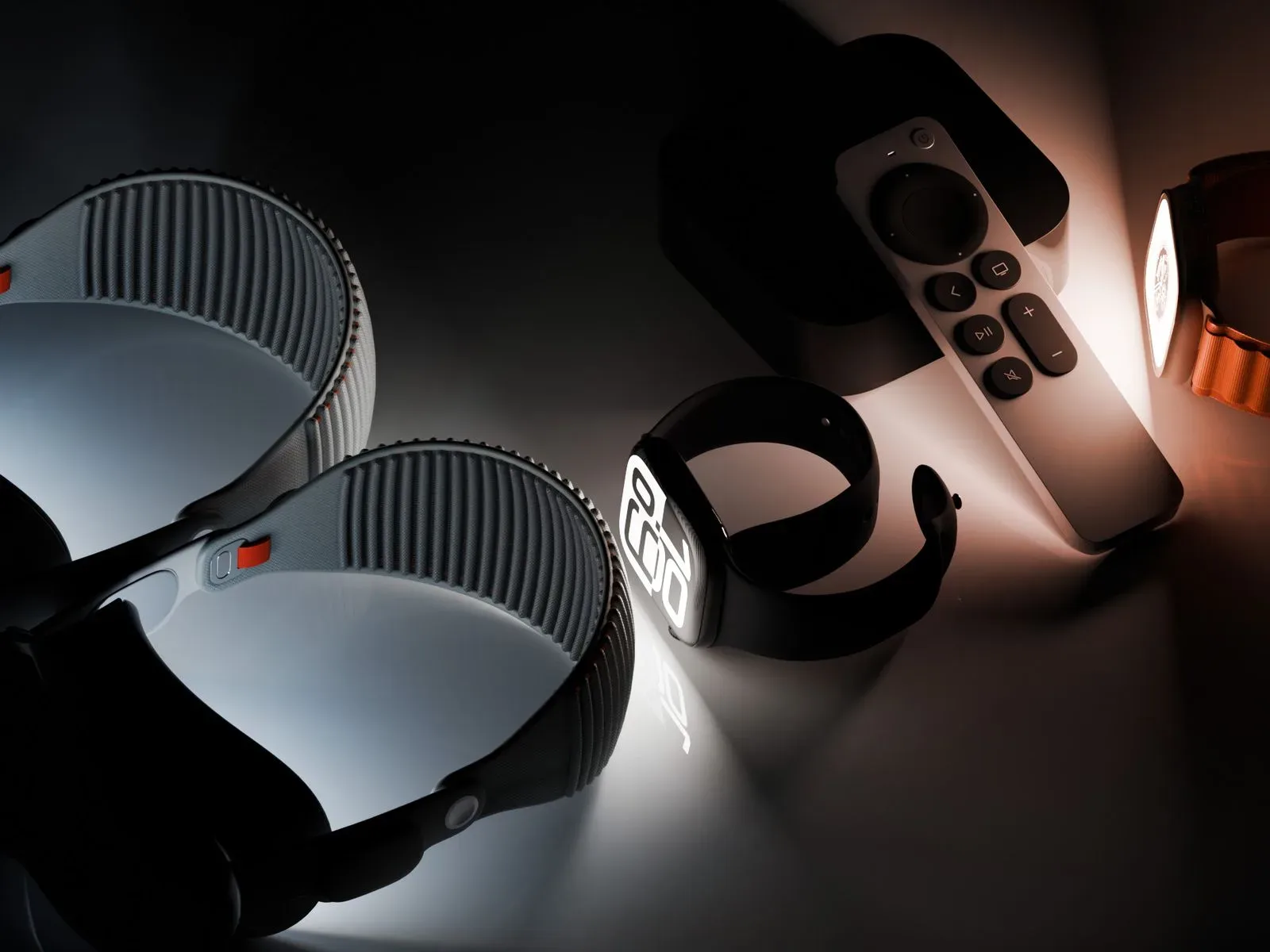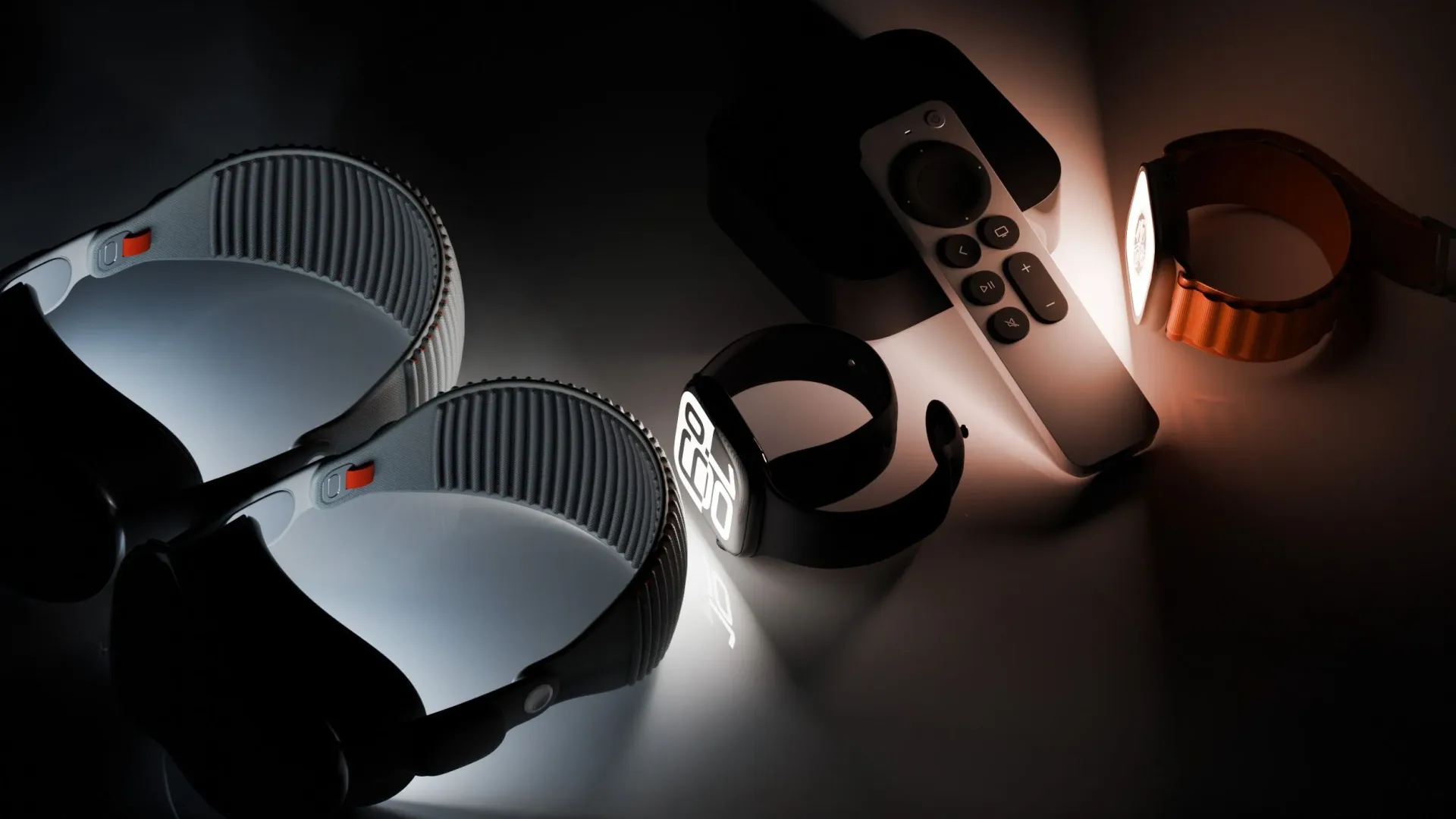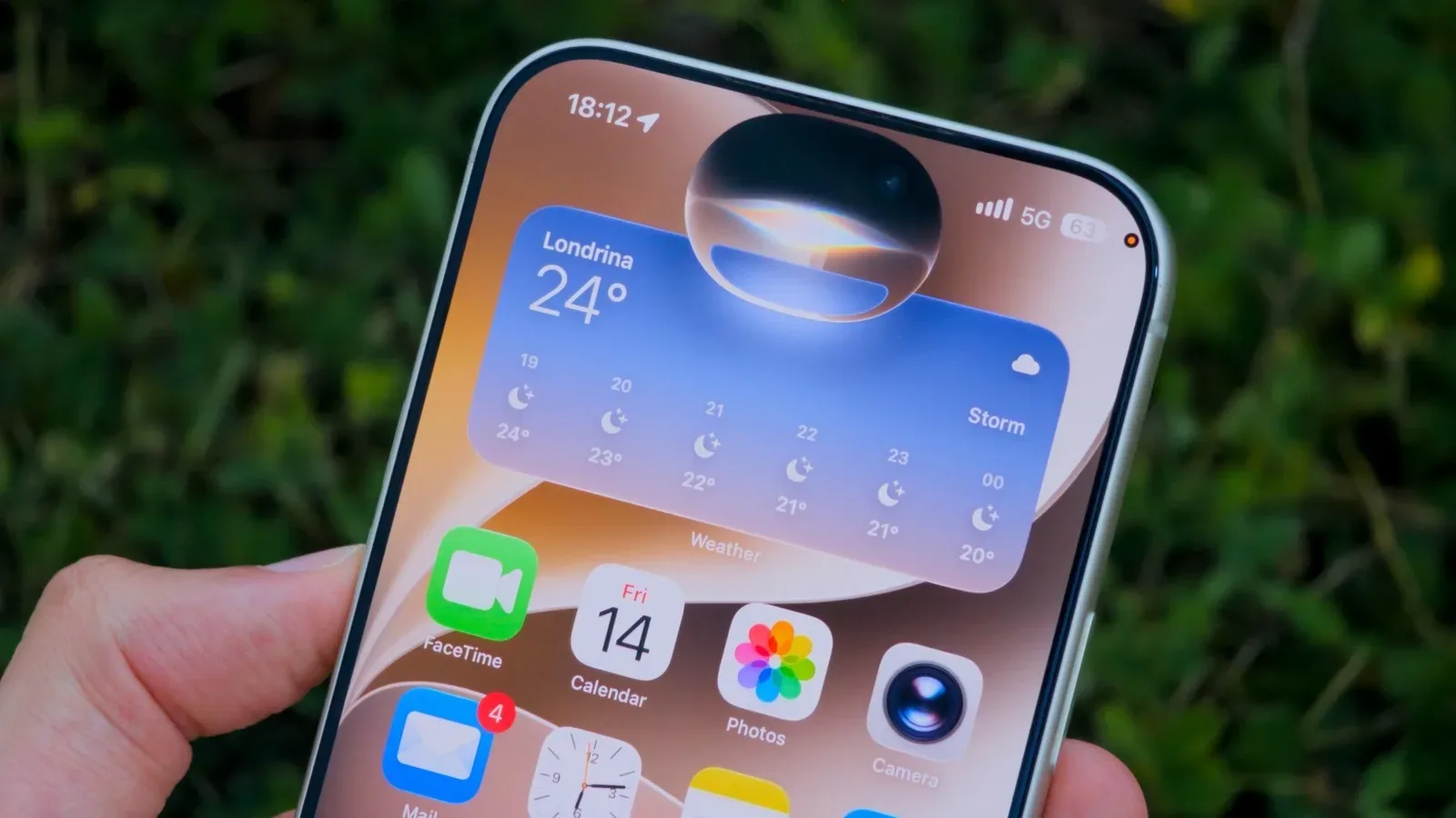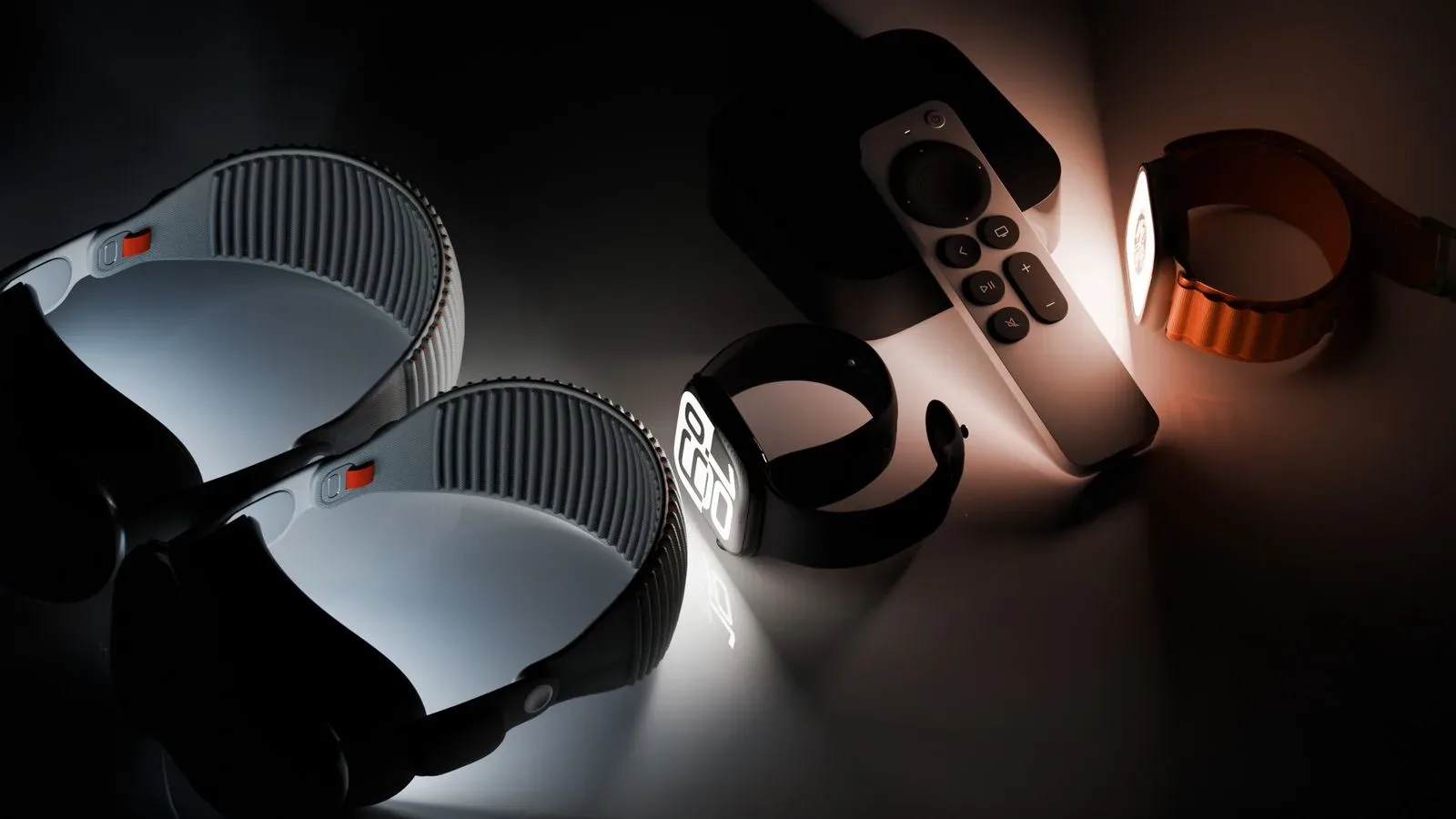
Apple has issued second developer betas for watchOS 27.2, tvOS 27.2, and visionOS 27.2, continuing the same 27.2 testing cycle that also includes iOS 27.2, iPadOS 27.2, and macOS Golden Gate 27.2. The new seeds arrived one week after the first betas.
For developers enrolled in Apple’s testing program, the builds can be downloaded from the Settings app on the applicable device. That availability matters, but it is also a reason for everyday users to exercise restraint: a developer beta is pre-release software intended for app makers and technical testing, not a promise that every feature is final, complete, or ready for a primary device.
The most clearly identified work in this release cycle is tied to Apple’s updated Health app. On iOS 27.2 and watchOS 27.2, Apple is testing a redesigned Health experience introduced during its September iPhone event. It includes new Insights and Longevity tabs, plus a readiness score that draws on information from the Apple Watch Series 12 and Apple Watch Ultra 4.
Health is the visible focus of watchOS 27.2
Of the three platform betas, watchOS 27.2 has the strongest publicly described connection to a user-facing change. Health has long been the place where Apple Watch information is gathered and organized, but the stated emphasis on insights, longevity, and readiness suggests a move toward interpreting data rather than simply presenting it.
In plain terms, a readiness score is an attempt to condense multiple health-related inputs into one easier-to-read signal about a person’s current condition. The supplied information does not detail the precise measurements involved, how Apple calculates the result, what range the score uses, or what advice it may surface. Those are meaningful unknowns. A single score may be convenient, but its practical value depends on transparent presentation, useful context, and an understanding that a summary is not the same as a medical diagnosis.
The hardware requirement is equally important. Apple says the score uses information from the new Apple Watch Series 12 and Ultra 4 models. That wording indicates that the experience is associated with data available from those watches; it does not establish that all portions of the revised Health app are exclusive to those models, nor does it confirm what owners of earlier Watches will or will not receive. Until the beta reveals more, compatibility should be treated carefully rather than assumed.
The two new sections also point to distinct purposes. Insights implies a view designed to highlight patterns or noteworthy information. Longevity implies a longer-term framing of health information. Neither name alone tells users exactly what metrics or recommendations appear within it, so it would be premature to describe the tabs as particular trackers or to infer clinical functionality Apple has not specified.
Why a score needs context, not blind trust
Health dashboards can make complex personal data more approachable, especially when a wearable collects information over days and weeks. A readiness-style indicator could give Apple Watch owners a quick starting point for deciding whether to look more closely at their trends. But there is an equally practical caution: summaries can look more certain than the underlying information warrants.
For users, the sensible approach is to treat a readiness score as one data point within a broader picture. The score may be most useful when considered alongside how someone actually feels and the underlying data available in the Health app, rather than as a command to train, rest, or make health decisions in isolation. Apple’s beta description does not characterize the feature as medical guidance, and nothing about a numerical score should be read that way.
For developers building Health-connected apps, the rollout is worth watching because interface changes can shape how people interpret wellness information. However, the presence of new Health tabs does not itself confirm new developer APIs, new data types, or a particular app-integration path. Those are separate technical questions that require documentation or beta evidence beyond the information presently available.
tvOS and visionOS changes are still a mystery
Apple has not identified additions for tvOS 27.2 or visionOS 27.2. That does not mean the releases contain nothing; it means there is no supported basis yet for claiming a specific new feature. Beta updates frequently include behind-the-scenes work, bug fixes, refinements, compatibility changes, or preparations for later functionality. Without release notes or observable, confirmed changes, calling out speculative additions would turn a straightforward update into guesswork.
That uncertainty is especially relevant for Apple TV users because a new Apple TV 4K is expected before the end of the year with Siri AI support. The expectation concerns future hardware, not a confirmed tvOS 27.2 feature. It is possible for software testing and hardware plans to overlap in timing without proving that one beta contains the other’s headline capability.
Put differently, tvOS 27.2 should not be treated as confirmation of a new Apple TV 4K, nor should its second beta be treated as confirmation that Siri AI support is ready to ship. Apple has provided no stated 27.2 feature list for the television platform. The distinction between an expectation and a confirmed software addition is central here.
Siri context is worth following, but separate from this beta’s confirmed changes
Siri remains relevant to the Apple TV expectation, particularly as Apple’s software direction increasingly emphasizes smarter assistance. The broader ambitions around a rebuilt assistant that can work with information across a user’s digital life have been covered in our look at iOS 27’s rebuilt Siri. But that larger discussion should not be mistaken for a feature checklist for tvOS 27.2.
“Siri AI support” is itself a broad phrase. It could refer to a number of possible interface, search, voice, or content-discovery improvements, but none of those details have been confirmed for the anticipated Apple TV 4K in the information available here. Until Apple offers specifics, it is best understood as an expected direction rather than a defined product feature set.
What developers and device owners can take from the release
For registered developers, the immediate action is simple: install the relevant beta through Settings only on hardware suitable for pre-release testing, then check apps and workflows against the new build. The practical focus should be on compatibility, unexpected behavior, and changes that may affect watch, television, or spatial-computing experiences.
- watchOS 27.2: Watch the updated Health experience, particularly the new Insights and Longevity tabs and the readiness score on supported recent Apple Watch models.
- tvOS 27.2: Treat the build as an update under active testing, with no publicly specified additions at this stage.
- visionOS 27.2: Apply the same caution: a second beta is available, but Apple has not detailed what is new.
- Apple TV 4K expectations: Keep prospective Siri AI support separate from the current beta’s confirmed contents.
For non-developers, the story is less about an immediate reason to install software and more about where Apple’s next platform revisions appear to be headed. Health interpretation is the concrete theme, while Apple TV and Vision Pro users are still waiting for visibility into their respective 27.2 changes. More beta iterations, release notes, or Apple disclosures will be needed before those platforms can be discussed with the same confidence as the Health additions.
For now, the second 27.2 seeds establish momentum rather than deliver a full roadmap: Health is being actively expanded across iPhone and Apple Watch, while the most interesting potential tvOS connection—an Apple TV 4K with Siri AI support—remains an expectation for later in the year, not a confirmed element of this software update.