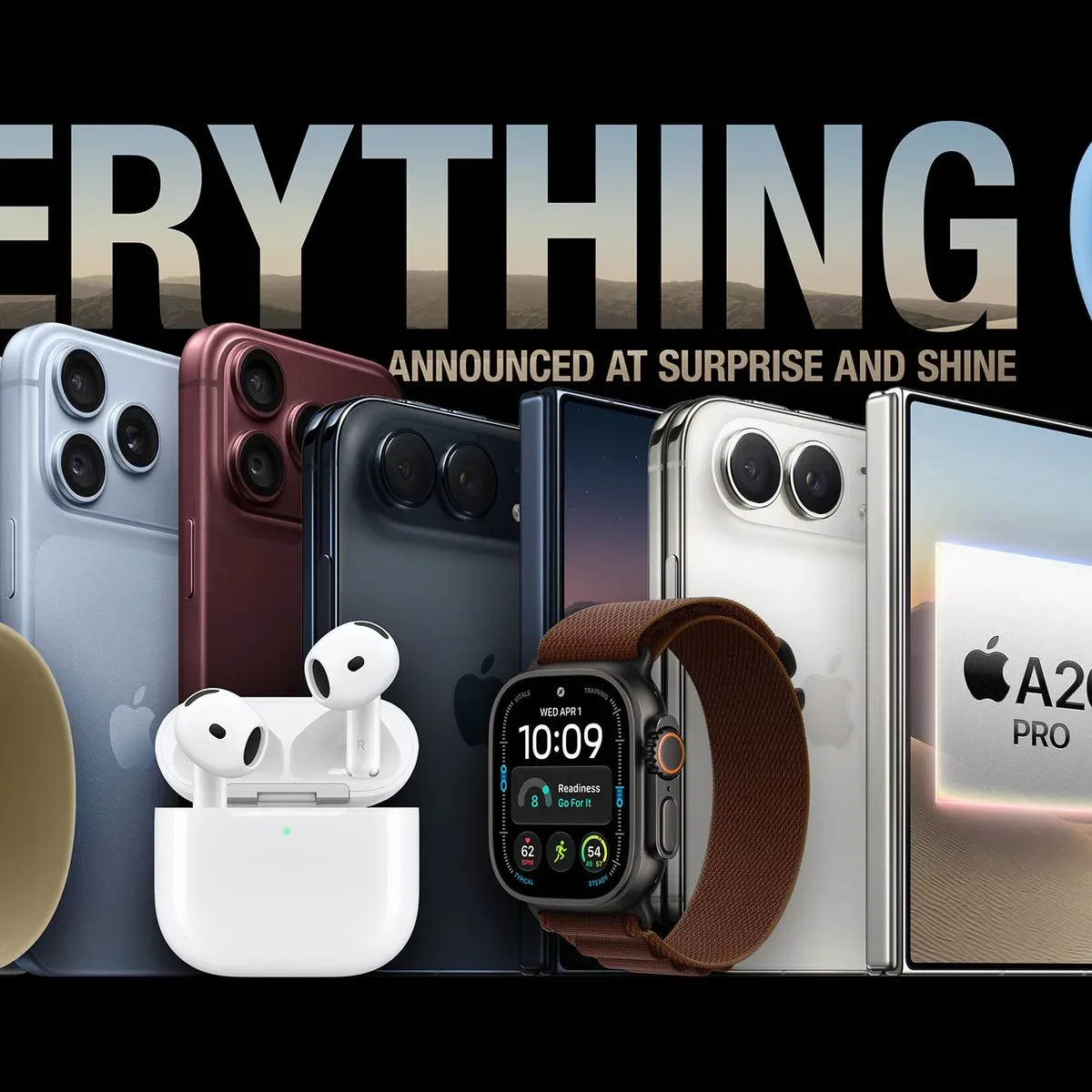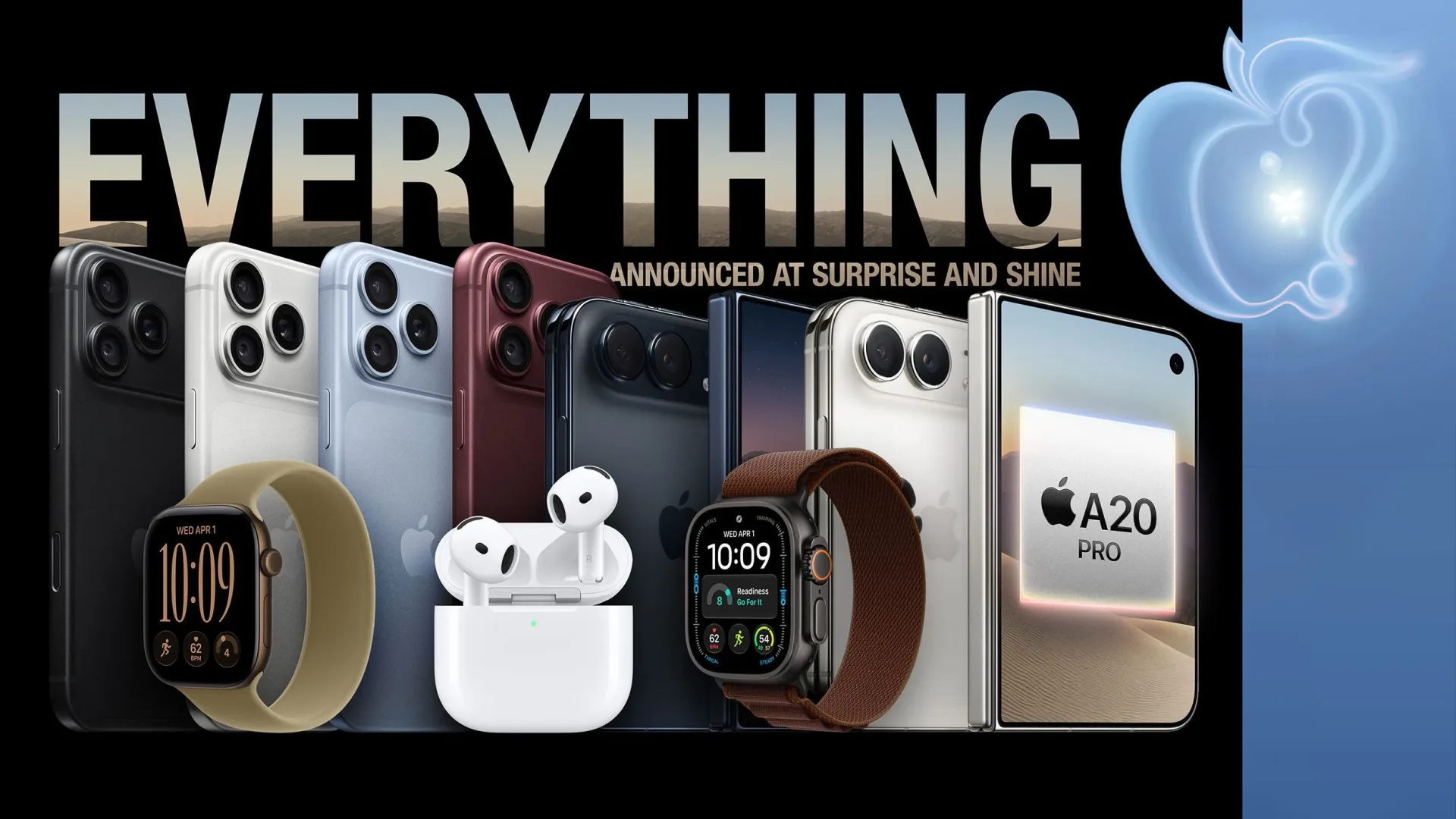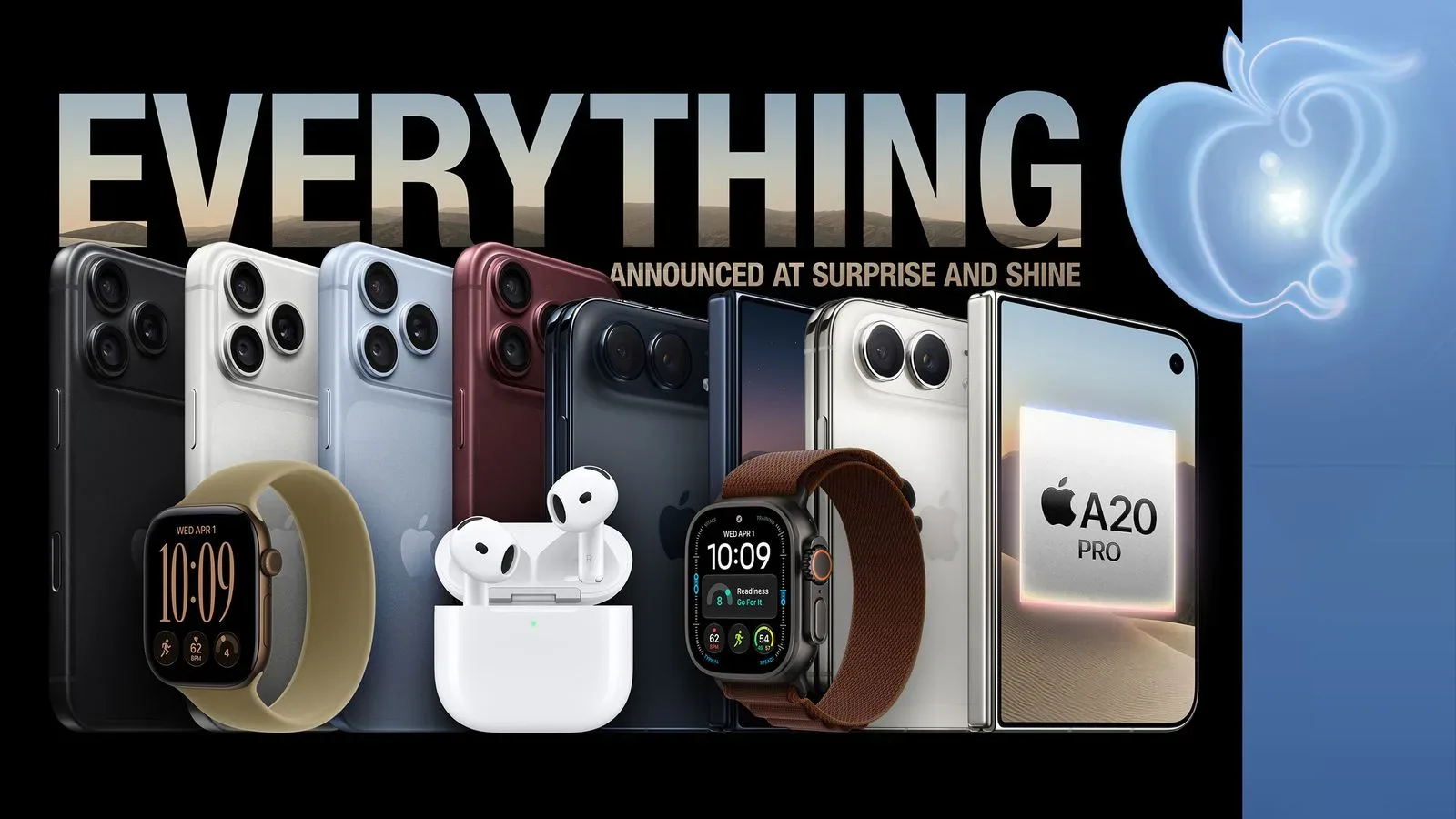
Apple’s September 2026 presentation was packed enough to make the traditional fall hardware refresh look almost restrained. Across a program that ran longer than an hour, the company revealed the iPhone 18 Pro and iPhone 18 Pro Max, the foldable iPhone Duo, Apple Watch Series 12, Apple Watch Ultra 4 and AirPods 5. It also supplied fresh timing details for iOS 27 and related operating-system updates.
For players, collectors and people who use a phone as the all-purpose pocket companion between sessions, the meaningful details are less about a single spec sheet than the breadth of the update. The new iPhones bring processor, cooling, camera and connectivity changes; the Duo gives Apple a new foldable format; and the wearables focus on health, fitness and audio features. Some claims will need independent use over time to put into context, but the event established a clear release schedule for the hardware.
iPhone Duo puts Apple in the foldable-phone race
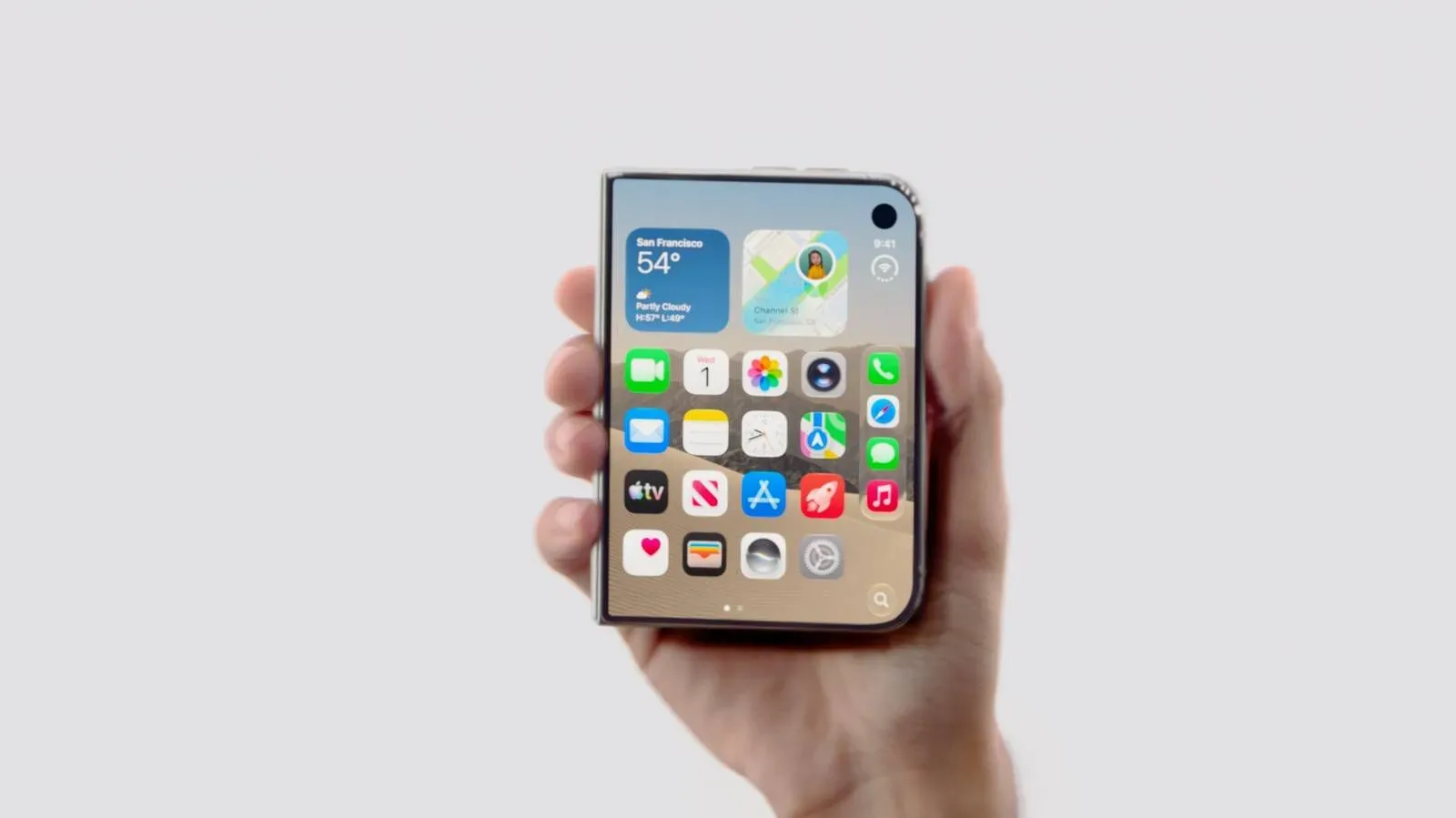
The headline-grabbing debut is the iPhone Duo, Apple’s first foldable iPhone. Rather than merely being a new size option in the normal iPhone family, it introduces a folding display and a two-screen usage model. Apple says the Duo is its thinnest iPhone when it is open, an important qualification given that folded thickness is a very different matter for a device designed to close in half.
Apple has described the construction of the folding display and addressed the question that hangs over every foldable: the crease. The company is also positioning the device as dust-tight with an IP68 rating. Battery life is tied to which of the Duo’s screens is being used, so prospective buyers should treat any endurance figure as dependent on the way they actually use the phone rather than as one universal result.
There are practical compatibility boundaries to know before treating it as a mini tablet. The iPhone Duo does not have an Action button. It supports Apple’s $79 USB-C Apple Pencil, but not the Apple Pencil Pro. Apple is also selling Duo-specific protection, including a case and a folio with an integrated kickstand. Those accessory distinctions may seem minor in a keynote rundown, but they matter for anyone mapping out the real cost and workflow of a new form factor.
For gaming, the appeal is immediately understandable: a larger unfolded canvas could make strategy interfaces, touch controls and streams more comfortable, while the closed device remains phone-sized. But Apple did not use the event information to promise any particular game enhancements, exclusive titles or controller behavior. The more credible takeaway is potential rather than a finished gaming verdict. Developers will be working with the new format, and Apple has released a video series intended to help them prepare apps for the Duo.
The handset is set to ship with iOS 27.1, rather than the initial iOS 27 release. Pre-orders begin October 16, followed by launch on October 23. That makes the Duo a separate, later wave from the September 18 launch for the iPhone 18 Pro family.
iPhone 18 Pro and Pro Max: A20 Pro, cameras and cooling
Apple’s conventional flagship route continues with the iPhone 18 Pro and iPhone 18 Pro Max. Both models use the newly introduced A20 Pro, which Apple calls the first 2nm chip in a smartphone. A smaller manufacturing process does not automatically explain every aspect of real-world performance, but it is a notable technical milestone and likely to be a central part of the phones’ long-term pitch.
Thermal management has also received attention. Apple says the iPhone 18 Pro’s redesigned vapor chamber has three times the cooling surface area. Sustained performance is especially relevant to demanding mobile games, editing and other workloads that run long enough for heat to become the deciding factor. Still, neither a chip-process label nor a cooling-surface comparison gives a complete picture of performance until software and usage patterns enter the equation.
The camera changes are substantial on paper. Both Pro phones have a variable-aperture camera, while the iPhone 18 Pro adds manual controls for aperture and shutter speed. Apple is also introducing Apple Reference Image, a tool connected to confirming photo authenticity, plus new texture and grain options for Photographic Styles. Four new colors are planned.
Connectivity is evolving too. The iPhone 18 Pro line and iPhone Duo feature Apple’s C2 modem, although the two Pro models do not use the same modem configuration. In some countries, the iPhone 18 Pro is eSIM-only. These are the kinds of regional and model-specific details that can be easy to overlook during a broad launch event, yet they can determine whether a particular phone suits an existing carrier arrangement.
Apple has shared RAM and battery-capacity information for the models, while describing the iPhone 18 Pro Max as offering the longest battery life of any iPhone, at up to 45 hours. The Pro Max is heavier than the iPhone 17 Pro Max, though it is not thicker. Buyers weighing a large-screen device for media, remote play or long gaming sessions will have to decide whether the trade-off favors runtime and screen size over pocket comfort.
There is a pricing wrinkle for storage-focused buyers. The iPhone 18 Pro has a $100 price increase, but moving to 1TB represents a $300 increase. That distinction is worth keeping in mind for people who retain substantial photo libraries, offline media or games locally. Apple has also presented new accessories for the iPhone 18 Pro range and AirPods Pro 3, though the event’s major new earbuds announcement is AirPods 5.
Dates and availability for the new phones
Pre-orders for the iPhone 18 Pro and iPhone 18 Pro Max start Saturday, September 12 at 5 a.m. Pacific Time. Both are scheduled to launch on September 18. The iPhone Duo follows later, with its October 16 pre-order date and October 23 release.
The staggered releases create two distinct decisions: buy into Apple’s established Pro format in September, or wait for the more experimental foldable Duo in October. Neither choice is inherently the “gaming” pick from the facts currently available. The Duo offers the distinct screen format, while the Pro line foregrounds the A20 Pro and an upgraded vapor chamber. Personal priorities—screen layout, cameras, battery expectations, stylus needs, portability and carrier compatibility—will matter more than a blanket label.
Apple Watch Series 12 and Ultra 4 broaden the wearable update
Apple Watch Series 12 arrives with the S11 chip, upgraded health sensors and new finish options, including ceramic models. The Apple Watch Ultra 4 is positioned around two-day battery life and enhanced health tracking. Across the two watches, Apple has outlined eight new health and fitness features and three additions grouped under the “Audio Intelligence” name.
The event also brought new bands for both watch families. That may be the least technical change, but bands are often how owners refresh a wearable without replacing it—and a new round of materials and finishes gives existing Apple Watch ecosystems more options to mix and match.
Apple Watch Series 12 and Apple Watch Ultra 4 are available to pre-order now. Apple has not presented them simply as notifications-on-the-wrist devices; health tracking, fitness tools, battery life and audio-related features are central to the pitch. As ever with health functions, users should understand the intended feature documentation and not substitute consumer-device readings for professional medical care.
AirPods 5 change the standard feature balance
AirPods 5 bring improved noise cancellation and audio quality, according to Apple. A notable product-line change is that active noise cancellation is standard on the new AirPods 5. The more expensive version instead differentiates itself through wireless charging.
That is a different split from treating noise cancellation itself as the premium upsell. For commuters, shared households and anyone trying to isolate game audio or a podcast from surrounding noise, ANC being part of the baseline model is the most immediately useful part of the announcement. The pricier option’s wireless-charging advantage will still matter to users already invested in charging pads and cable-light setups.
iOS 27 and the wider software picture
Apple confirmed the iOS 27 release date and issued release candidates for iOS 27 and iPadOS 27. Release candidates are also available for macOS Golden Gate, watchOS 27, visionOS 27 and tvOS 27. The broad simultaneous software movement means the event is not solely a shopping list of new hardware; it is the point where the company’s current platform generation is nearing public rollout.
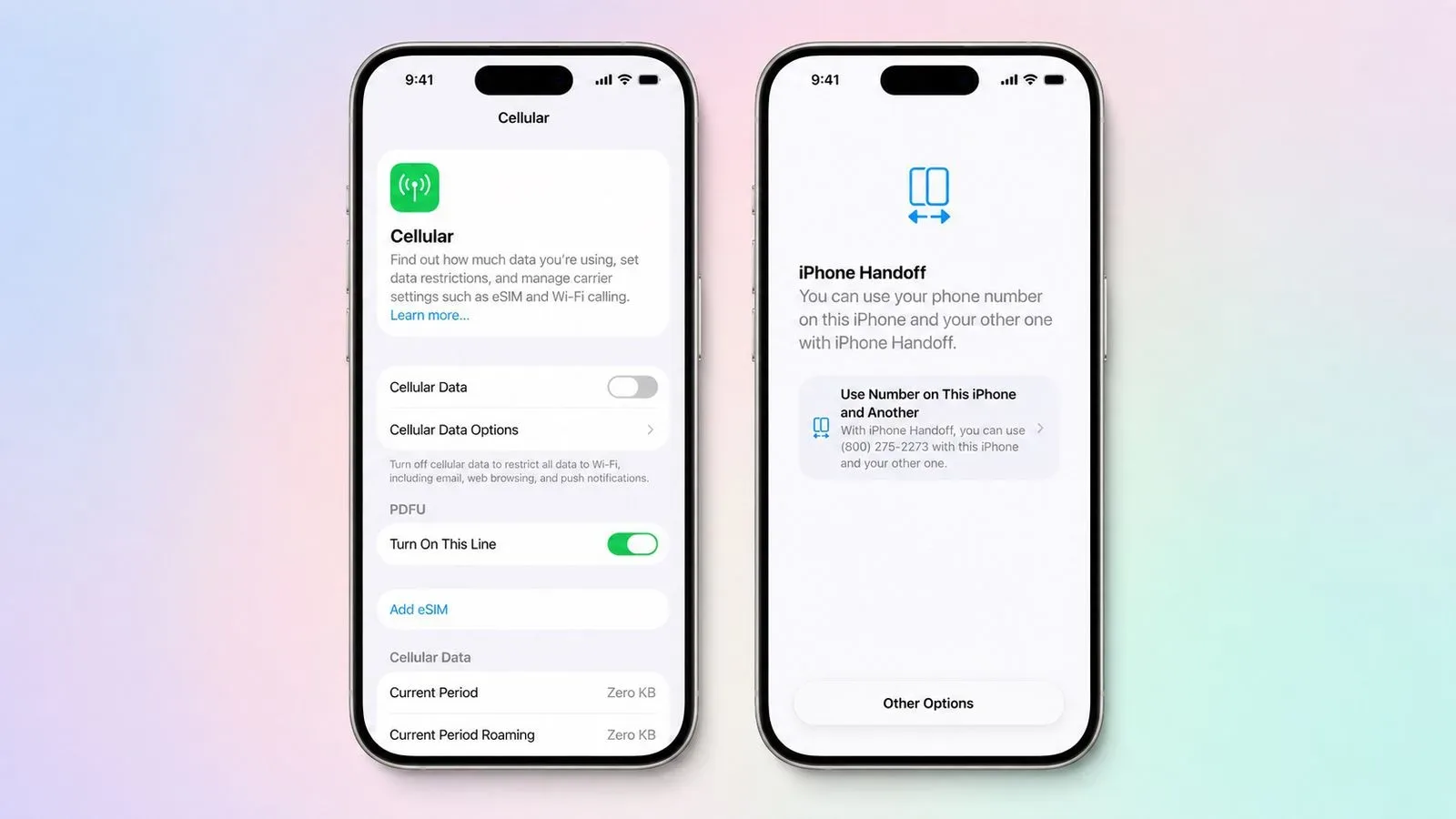
Among the specific iOS 27 features, iPhone Handoff will let one number move between two iPhones, but it launches with support limited to T-Mobile and Deutsche Telekom. Readers looking for the carrier caveat can find a closer breakdown in our coverage of iOS 27 iPhone Handoff’s limited launch support. iOS 27 will also allow users to redeem Apple Gift Cards using the back of an iPhone.
Apple has additionally disclosed daily use limits for Siri AI, with expanded access planned as a paid option. That detail is a reminder that headline AI features may carry usage conditions, not just device compatibility requirements.
Changes for current Apple customers
The announcements included several moves affecting people who are not buying a new flagship immediately. Apple has raised prices for the iPhone 16, iPhone 17, iPhone Air and iPhone 17e. At the same time, the iPhone 17 Pro and iPhone 17 Pro Max have been discontinued.
Apple also extended free satellite access for iPhone 14, iPhone 15 and iPhone 16 users, and added an AppleCare One family plan that can cover up to six people. Combined with the September and October device dates, these changes make the event feel like a complete reshuffle of Apple’s phone and accessory landscape rather than a routine annual revision.