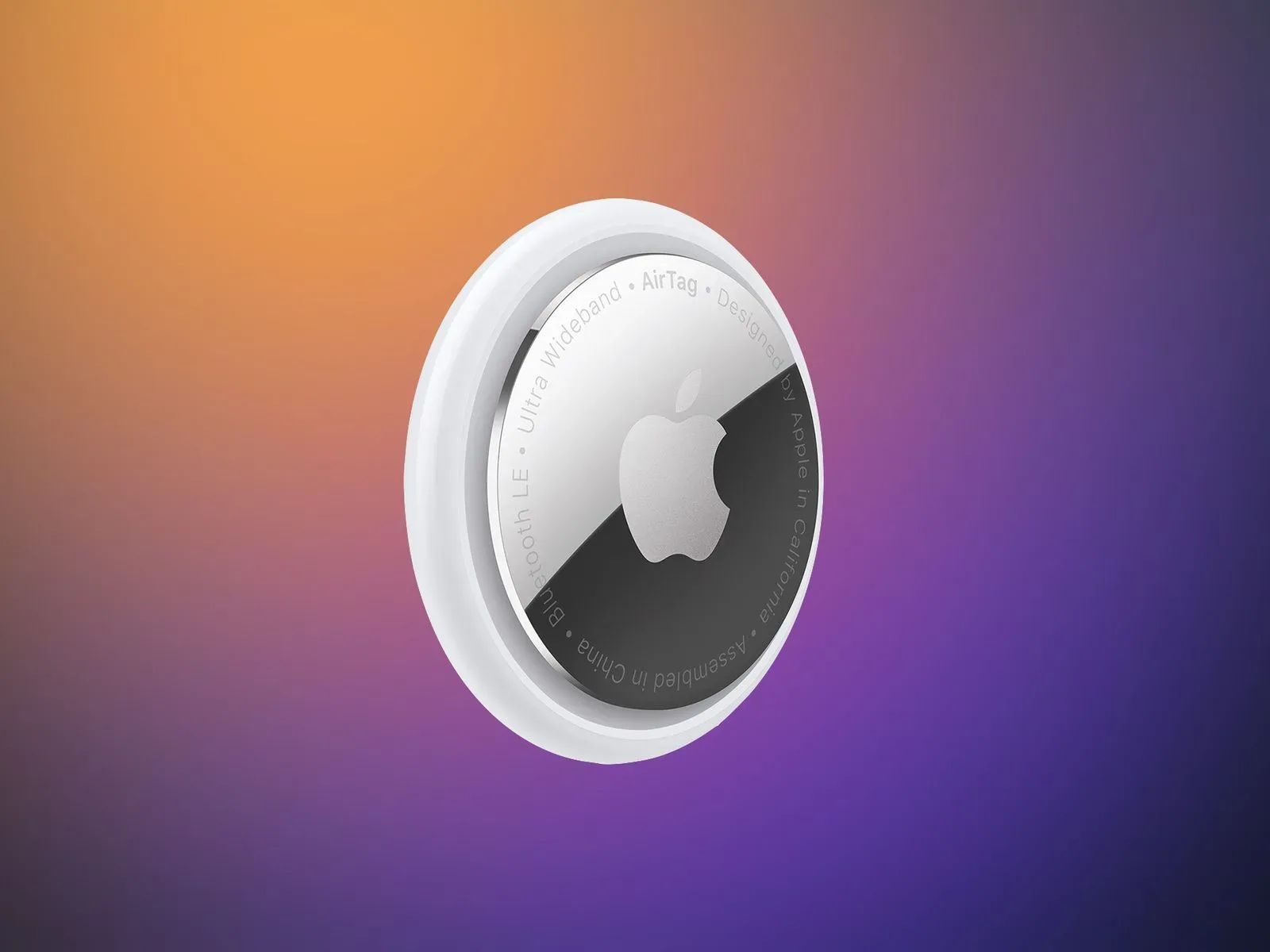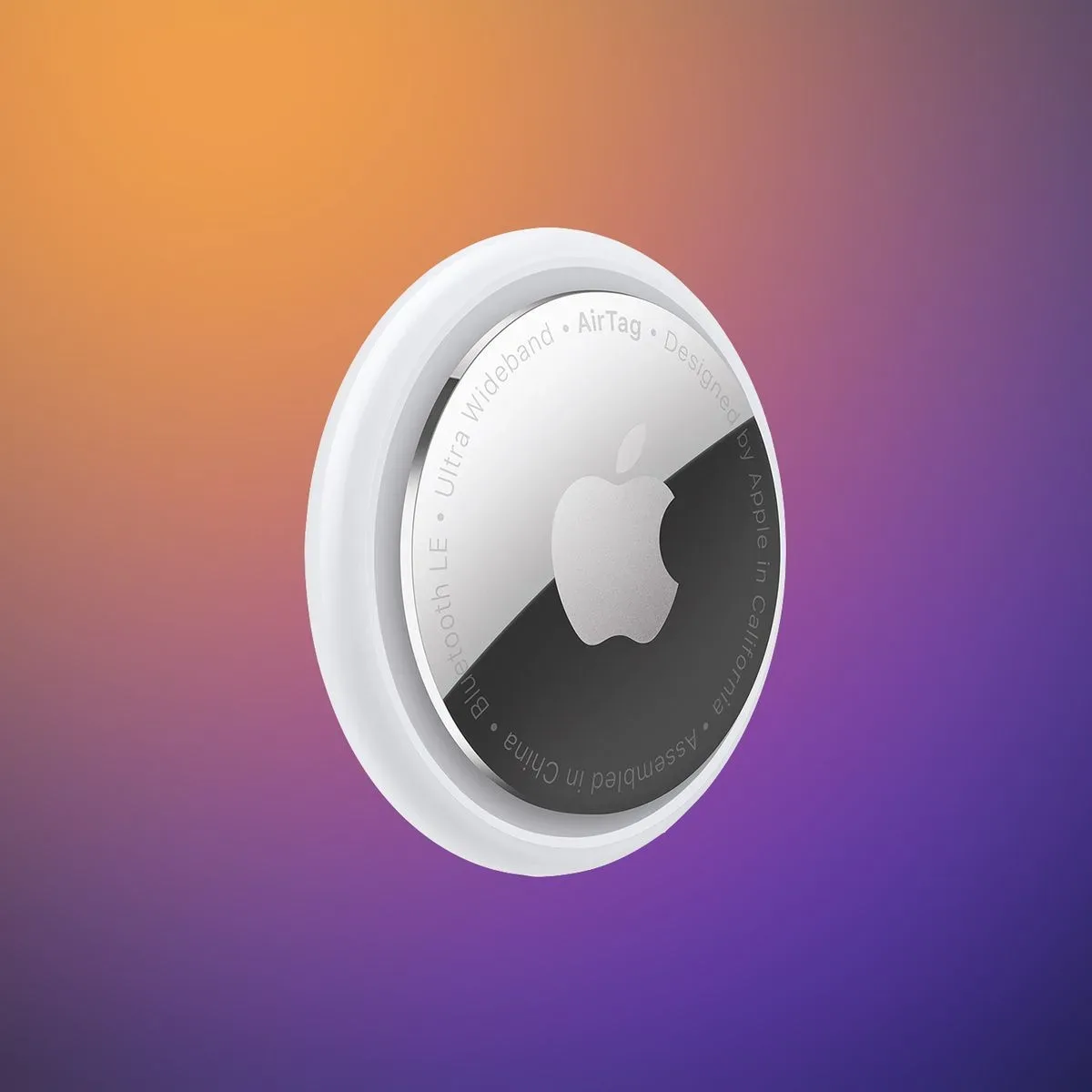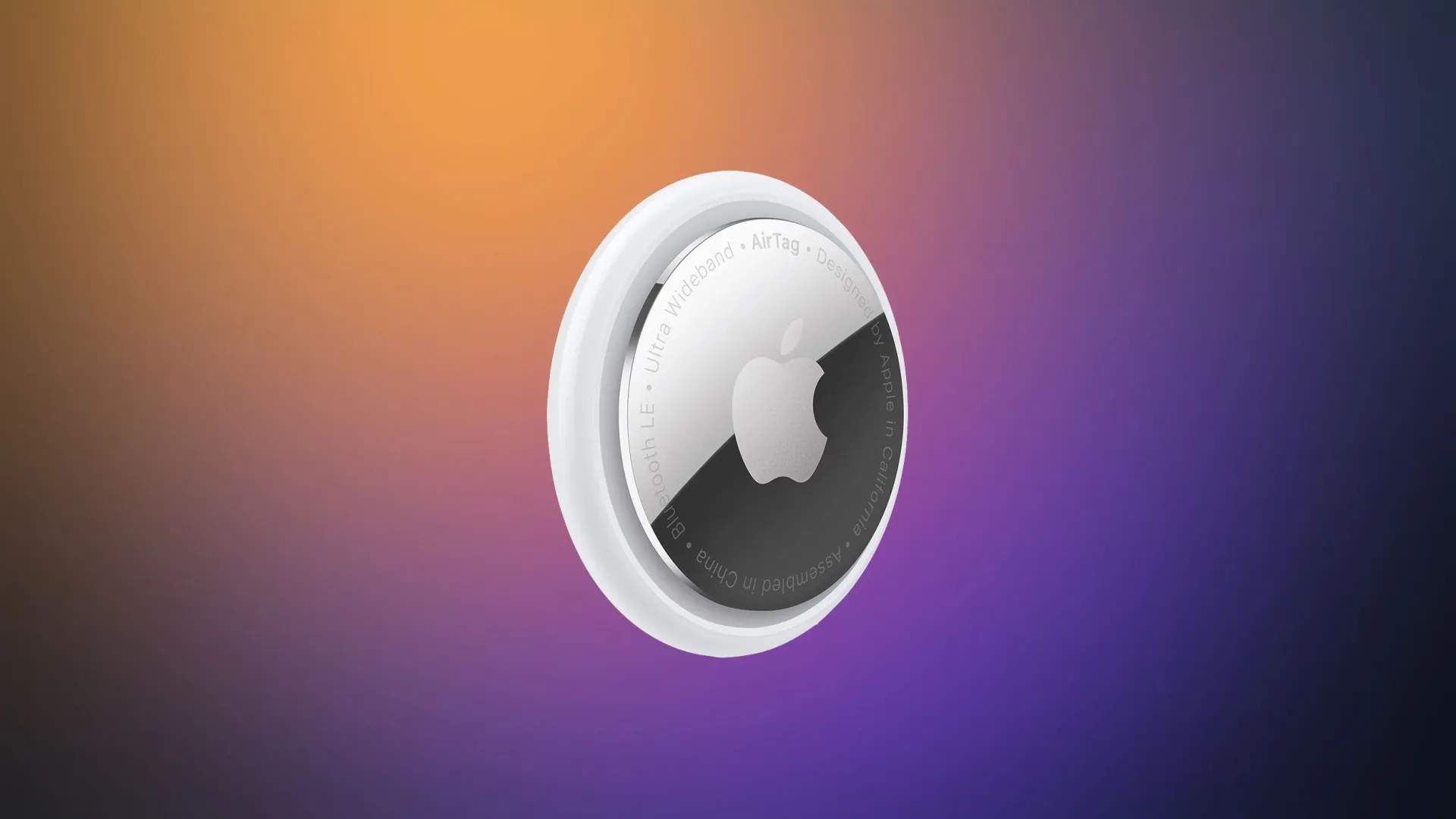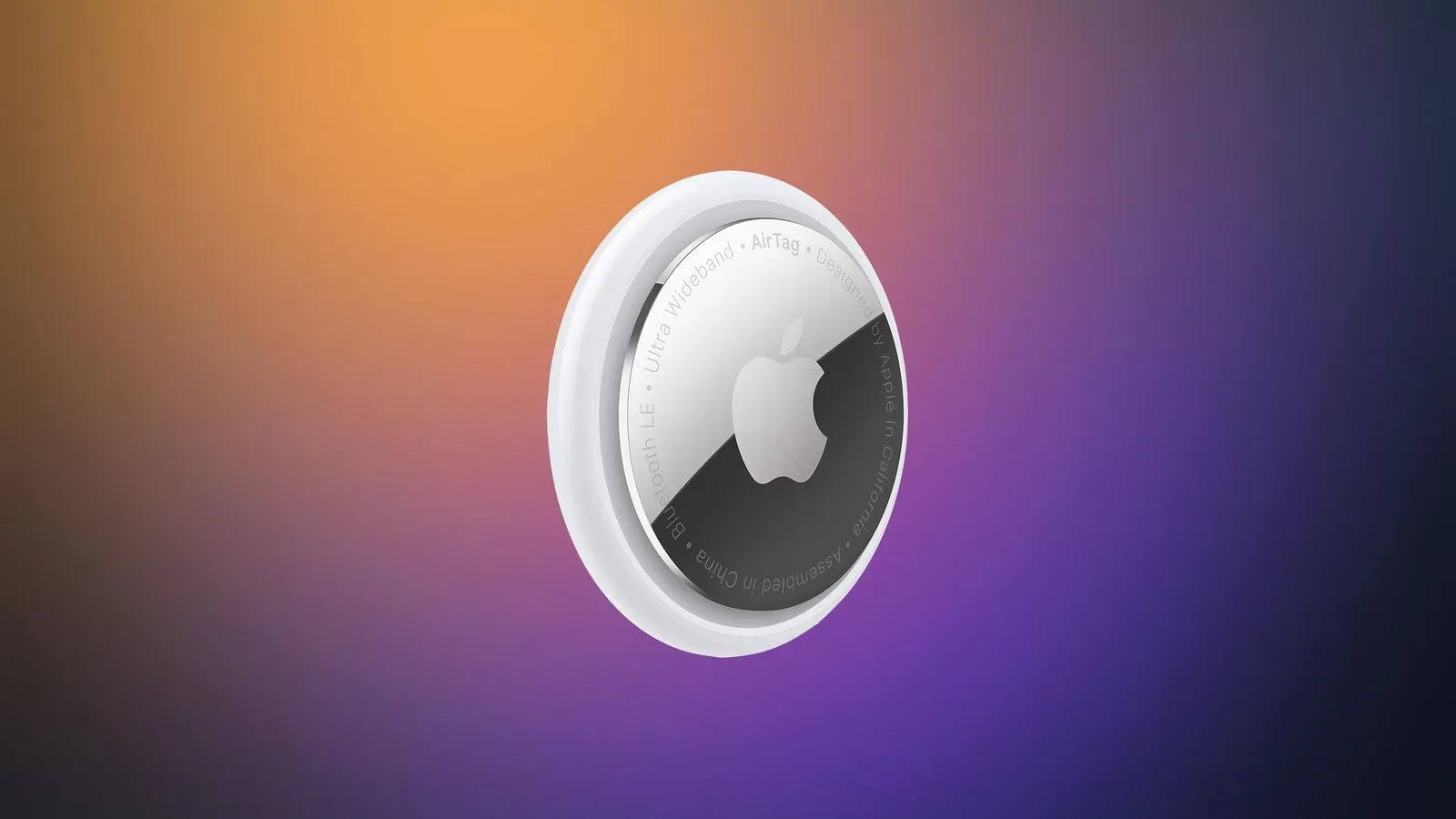
Apple has reportedly paused work on a compact AI wearable designed to live somewhere between a clothing pin and a pendant, putting a small but ambitious camera-equipped concept back in the drawer for now. The device was described as an AirTag-sized circular disc that a wearer could clip to clothing or wear around the neck: less “smartphone replacement” and more “Siri, but with a field of view.”
The reported prototype had an aluminum-and-glass body, a thin circular design, and a physical button on its side. Its defining feature was a camera intended to relay information about the wearer’s surroundings to Siri. In principle, that would let Apple’s AI assistant handle questions about a user’s location or the object, place, or scene in front of them through Visual Intelligence capabilities.
That is the pitch, at least. The practical status is much less glamorous: development is reportedly postponed. A previously rumored 2027 arrival now looks unlikely on the information available. Importantly, this was a reported prototype, not a released product or a confirmed future launch. The pause means there is no reason to treat its form factor, timetable, or eventual existence as settled.
A tiny disc with a large assignment
An AirTag-sized wearable sounds deceptively simple until its job description arrives. A pin or pendant that captures the world around its wearer and turns that visual input into helpful answers would need to make the camera, controls, processing, connectivity, power, and privacy cues work together in a very small package. The supplied details only establish a circular aluminum-and-glass prototype with one side button, so key matters such as battery life, camera specifications, whether it would have a microphone, and how it would connect remain unknown.
That restraint matters. A camera-equipped wearable can invite assumptions based on other products, but none of those assumptions should be attached to this concept. There is no confirmed display, no stated price, no announced software interface, no announced release date, and no public indication that a paused prototype will return in the same form.
What is clear is the intended interaction model. Rather than requiring a person to hold up a phone and frame a shot, the device could have positioned a camera on a person’s clothing or at their neck. The reported idea was for the camera to provide Siri with environmental context. A wearer could then ask about where they are or what they are seeing.
That makes the pin’s proposed function closer to a contextual interface than a conventional gadget. It would not merely be an accessory with an assistant bolted on; the point would be to give the assistant information beyond typed prompts and spoken questions.
What “Visual Intelligence” means in this report
Visual Intelligence, as described here, refers to AI features that use a camera’s view of the surrounding world as part of the request. In simple terms, the wearer looks at a place or object, the device passes that information to Siri, and Siri may be able to answer a related question.
The distinction is useful because it explains why a camera is central to the concept. A voice assistant can respond to a spoken request, but it cannot inherently know what a wearer is looking at. Visual context is meant to bridge that gap. A question such as “where am I?” or “what am I looking at?” becomes more actionable when the system has an image of the relevant surroundings.
Still, the report does not define the boundaries of those abilities. It does not say how the assistant would identify locations, what sorts of objects it could recognize, how reliably it might answer, or what data handling would occur. Those are precisely the questions that distinguish a broad concept from a consumer-ready feature.
A physical button is a meaningful detail, not a full privacy answer
The mention of a physical control button is notable because a camera worn on the body needs an understandable way to be operated. A tactile button could offer a direct control point instead of asking the wearer to navigate a screen. But its presence alone does not reveal what it was meant to do. It may have been intended for capture, activation, power, or some other function; the available information does not specify.
Likewise, aluminum and glass tell us something about the prototype’s materials, not its durability, weight, weather resistance, or final design. Prototype descriptions can be useful signposts, but they are not a specification sheet.
The pause changes the calendar, not the broader wearable direction
The reported delay does not mean Apple has stepped away from AI-oriented wearables altogether. The company is also said to be working on a screen-free fitness band, AI smart glasses, and AirPods with cameras. The latter were rumored to potentially arrive as soon as 2027, and the pin’s camera-to-Siri idea was described as similar in broad purpose: giving the assistant sight of a user’s surroundings.
Those projects should not be treated as interchangeable. Smart glasses, camera-equipped earbuds, a fitness band, and a pendant-style pin put technology in different places on the body and create very different expectations around controls, comfort, visibility, and social use. The report gives no indication that pausing the pin automatically delays, accelerates, or replaces any of the other efforts.
What it does suggest is a wider exploration of devices that do not rely on a conventional screen as the center of the experience. A screen-free fitness band would shift attention toward health or activity functions. Smart glasses could place information and cameras near the eyes. Camera-equipped AirPods could put sensors in earbuds. The pin concept would have located the camera on clothing or a necklace. Each is a different answer to the same broad design question: how can an assistant be available without asking someone to constantly take out a phone?
That question is familiar to anyone who treats their phone like a game menu they must reopen every 30 seconds. A wearable AI interface promises fewer trips into a screen. But a promise is not a solved design problem, and the reported pause is a reminder that wearable hardware asks for more than a compelling demo.
Why the pendant form factor is tricky
A pin or pendant has some obvious appeal. It could be easy to attach, does not require a wrist display, and could aim its camera outward without making the wearer hold a device. The reported AirTag-like size would also have made it visually modest compared with larger wearable hardware.
Yet that same placement raises practical questions that the report does not answer. Clothing-mounted devices can point in different directions depending on posture and fabric. Necklace placement varies between users and outfits. A camera needs a usable view, while the device must remain comfortable and stay in place. A small, thin disc also has limited room for components and power. These are general engineering considerations, not confirmed reasons for this particular project’s pause.
There is also the human factor. A camera integrated into a wearable does not only affect the owner. People nearby need to understand when they may be in view and what the hardware is doing. The available information does not detail any privacy indicators or policies for the prototype, so it would be wrong to claim it had a particular solution. But clear signaling and predictable controls would be essential issues for any device whose usefulness depends on observing the world around its wearer.
What this means for people waiting for Apple AI hardware
The immediate answer is simple: do not wait for this pin as though it has a release window. A rumored 2027 debut had circulated, but a reported development pause makes that timing appear unlikely. There is no confirmed launch plan to plan around.
For gamers and tech fans, the useful takeaway is not that a secret Apple pendant is about to become the next piece of everyday gear. It is that camera-based AI is being explored across multiple possible wearable formats. If any of these products eventually ship, their success will likely depend on whether the assistant can provide genuinely timely help without turning routine life into a clumsy command prompt—or making every jacket lapel feel like it has joined a stealth mission.
That broader hardware push sits alongside a familiar reality: prototypes can be changed, delayed, combined with other efforts, or abandoned. The reported pin had a distinct identity—small circular body, aluminum and glass, side button, camera, Siri and Visual Intelligence—but it remains an unannounced device whose development has been put on hold.
For a related look at how wearable-adjacent hardware can turn customization into part of the product experience, see our coverage of Beats 360 cushion kits.
Keep the confirmed details separate from the wishlist
- Reported: Apple paused development on a camera-equipped AI wearable envisioned as a pin or pendant.
- Reported: The prototype was thin, circular, roughly AirTag-sized, made from aluminum and glass, and had a side button.
- Reported: Its camera would provide Siri with surrounding visual information for Visual Intelligence-style questions about location or what a wearer was viewing.
- Reported: A 2027 introduction had been rumored, but now appears unlikely following the pause.
- Not established: A final product design, release date, price, battery life, camera details, privacy implementation, or any guarantee that the product will launch.
For now, Apple’s would-be AI pin is best understood as a paused experiment in giving Siri eyes through a tiny wearable. The concept is easy to picture. The finished product, if there is one, is not.