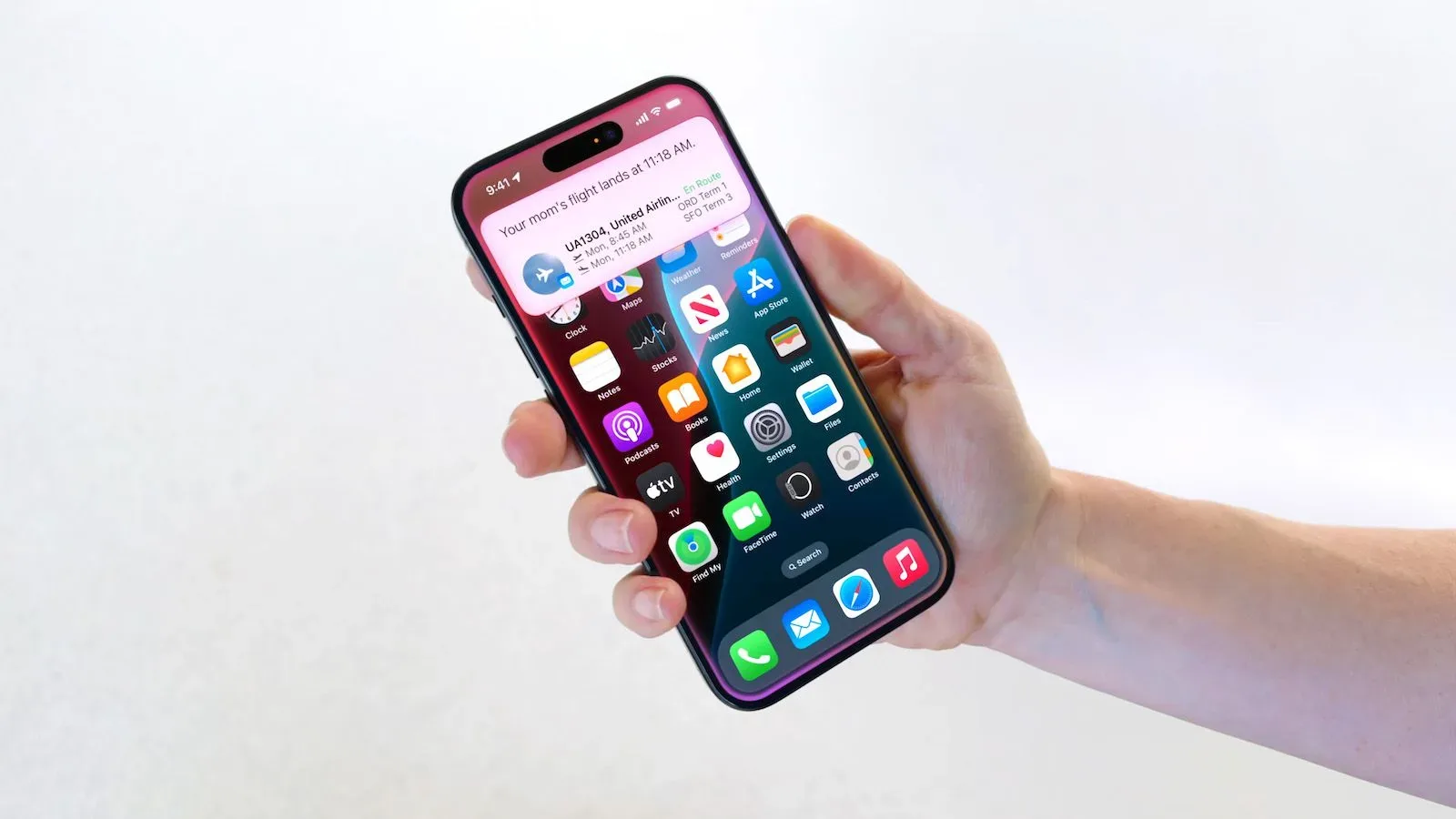
Some U.S. iPhone owners may be able to claim a payment from Apple’s $250 million class-action settlement concerning delays to Apple Intelligence features. The deadline to file is December 21, 2026, and the claim process is open to original purchasers of specified iPhone models bought between June 10, 2024, and March 29, 2025.
The headline number is substantial, but it should not be read as a guaranteed $250 million pot paid directly to device owners. The settlement amount also covers deductions including legal fees, taxes, and administration. For successful individual claims, the current estimated payment is $25 per qualifying device. That figure can move depending on the number of approved claims, with a stated maximum of $95 per qualifying device if the number of valid claims is low enough.
Eligibility is limited in important ways: the device must have been purchased in the United States, within the specified period, for personal or business use, and by the person or business making the claim. Owners outside the U.S. are not covered by this agreement.
What the settlement is about
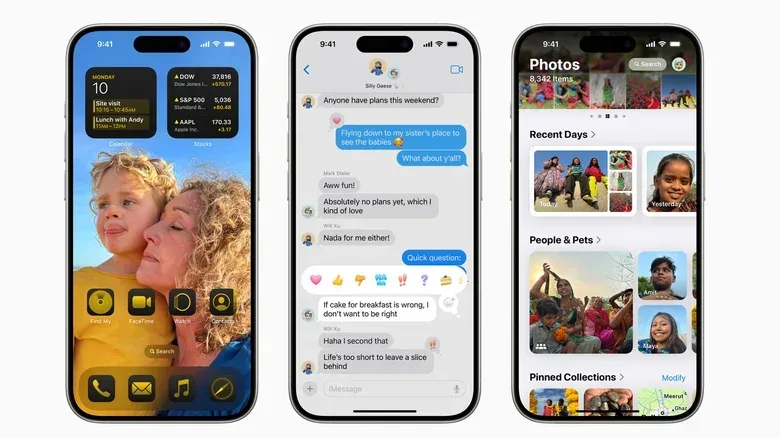
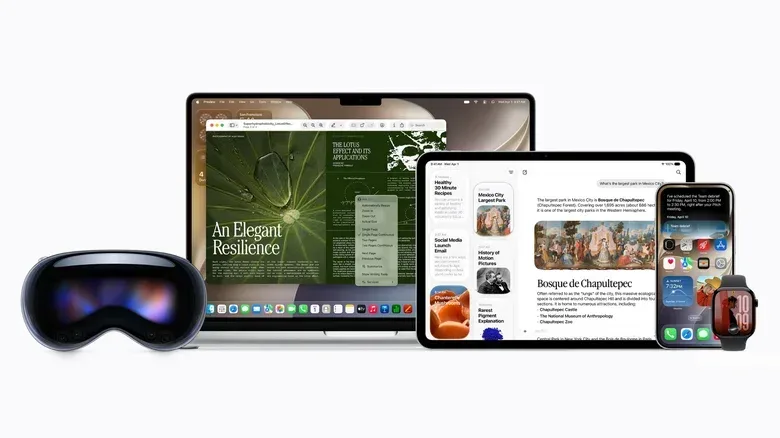
The lawsuit concerned the timing of Apple Intelligence, Apple’s collection of artificial-intelligence features. Apple introduced the initiative at its June 2024 Worldwide Developers Conference and indicated that it would arrive later that year. The case’s underlying argument was that people bought qualifying iPhones during the relevant purchase period believing the promised features would be available sooner than they ultimately were.
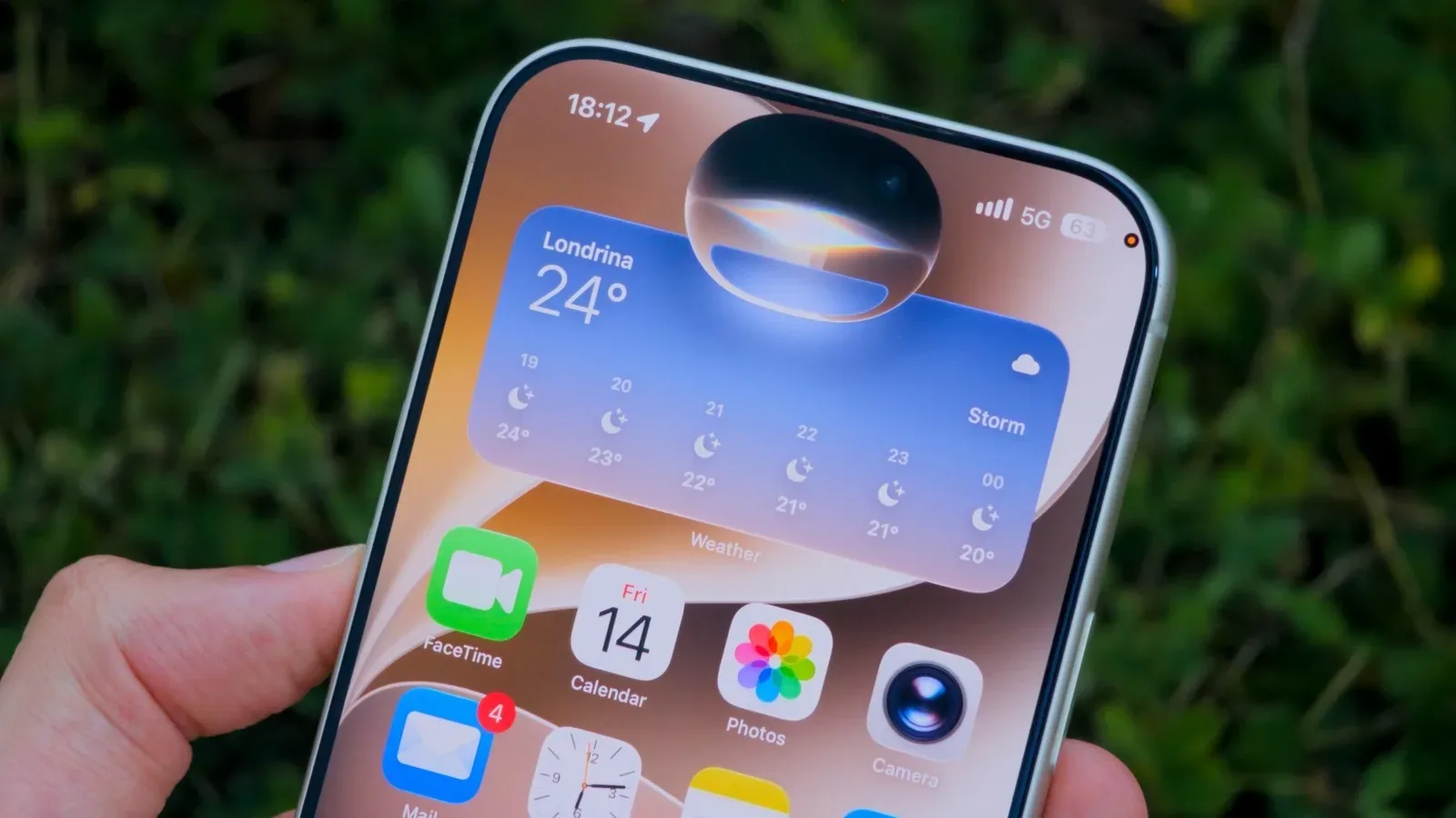
The rollout did not follow that initial schedule. The project slipped into 2025, then a subset of features arrived in fall 2025. The broader set of promised capabilities was not fully realized until iOS 27 in fall 2026. Apple agreed to the settlement without admitting wrongdoing.
That distinction matters. A settlement is an agreement to resolve a dispute; it is not, by itself, an admission that every allegation in the case has been proven. For claimants, the practical issue is simpler: people who meet the settlement’s defined criteria have a route to request compensation.
Apple’s AI development also changed during the delay. John Giannandrea, who led the company’s AI efforts, began retiring from Apple, while Apple partnered with Google to use Google Gemini to supplement its AI development. Those developments give some context to why the gap between an on-stage promise and a fully delivered feature set became such a consequential issue.
Which iPhones qualify?
The settlement lists the following models as eligible, provided the other requirements are also met:
Related coverage includes Apple’s $250 Million Apple Intelligence Settlement: Who Can Claim and How.
- iPhone 15 Pro
- iPhone 15 Pro Max
- iPhone 16
- iPhone 16e
- iPhone 16 Plus
- iPhone 16 Pro
- iPhone 16 Pro Max
Owning one of these phones today is not enough on its own. The purchase must fall between June 10, 2024, and March 29, 2025, it must have taken place in the U.S., and the claimant must be the original purchaser. A later resale buyer, for example, is not the original device purchaser described by the settlement terms.
The inclusion of both Pro and non-Pro iPhone 16 models is worth checking carefully. It is easy to assume a case tied to Apple Intelligence would apply only to one tier of hardware, but the specified model list is what governs this settlement—not assumptions about a phone’s performance level or which features an owner expected to use.
How much could a claim pay?
Eligible claimants are estimated to receive $25 for each qualifying device. The actual amount is variable rather than fixed. After court-approved deductions and settlement administration are accounted for, the remaining funds are affected by the number of successful claims.
In plain terms, more approved claims can mean a smaller payment per device; fewer can mean a larger one. The stated ceiling is $95 per qualifying device. That ceiling is not a promise of a $95 payout, and the estimated $25 is likewise not an absolute guarantee.
For businesses, the per-device nature of the payment makes recordkeeping especially relevant. A company that originally bought multiple eligible handsets may have multiple qualifying devices, but it needs to submit the requested identifying information for them through the business-claim process. The settlement is focused on the qualifying purchase and device, not simply on a current inventory list.
How to submit a personal claim
Claims are submitted through SmartphoneAISettlement.com. Before beginning, gather the information you will need rather than trying to reconstruct it midway through the form.
- Go to SmartphoneAISettlement.com and select File a Claim or Submit Your Claim.
- If you already have a Claim ID and PIN for an ongoing claim, use those details. Otherwise, select the option stating that you do not have a Claim ID and PIN and want to file online.
- Choose whether the filing is for yourself or for a business.
- For an individual claim, enter the requested personal details, the iPhone serial number, and a payment method.
- Select from the available payment options: PayPal, Venmo, ACH, or check.
- Review the entry carefully and sign the declaration confirming that the submitted information is true.
Your iPhone serial number can be found on the phone through Settings > General > About. It is sensible to copy the number directly from that page and double-check it before submitting, since it is the specific device identifier used in the claim.
It is also wise to distinguish the serial number from other phone identifiers. The settlement form calls for the serial number; a phone number and an Apple Account ID are different pieces of information. Supplying the right field in the right place is a small but useful way to avoid an otherwise preventable problem.
What business claimants need to prepare
Business claims have extra documentation requirements. In addition to business and payment information, the business claimant must download and complete a claim template. That template requests the iPhone serial number, the associated Apple Account ID, and the phone number for each device.
Business payments are offered by ACH or check. The declaration still applies, so the person submitting should ensure the device and purchase records align with the settlement criteria before certifying the form.
For organizations with more than one eligible phone, a deliberate pass through device records may be more useful than rushing to submit on the first day. Identify the original purchaser, confirm the purchase date is within the window, confirm the model is on the list, and collect the associated identifiers. The key is accuracy, not merely the number of phones the business currently operates.
A quick eligibility checklist
- You purchased the phone in the United States.
- The purchase date was from June 10, 2024, through March 29, 2025.
- The model is an iPhone 15 Pro, iPhone 15 Pro Max, or one of the listed iPhone 16 family models.
- You are the original purchaser.
- The phone was purchased for personal or business use.
- You can provide the requested device and claimant information.
- You submit the claim by December 21, 2026.
If one of those points does not apply, do not assume another similarity—such as living in North America, having bought an Apple product around the same time, or currently using Apple Intelligence—fills the gap. The agreement is explicitly limited to qualifying U.S. device purchases in its stated date range.
Why the timeline matters beyond this payment
For consumers, this case is a reminder that feature announcements, device purchase decisions, and release schedules are linked more closely than they may first appear. Artificial intelligence features were a major part of the value proposition around recent smartphones. When availability changes materially, buyers may feel that the product they chose did not match the timing that influenced the purchase.
For the games audience in particular, the pattern will feel familiar: hardware and software marketing often uses future-facing capabilities to frame an upgrade decision. Whether that involves AI tools, display specifications, cloud services, or platform features, the details that matter are the release date, supported hardware, and what is actually included at launch. Those same details are worth weighing when considering other gaming-adjacent tech claims, including the stated 120Hz gaming support on Samsung’s listed 55-inch M70H smart TV.
Here, claimants do not need to relitigate Apple Intelligence’s development history in the form. They need to establish that their purchase and device meet the settlement requirements and provide truthful information before the deadline. The result may be a relatively modest payment, but leaving a valid claim unfiled guarantees no payment at all.
Deadline and careful filing matter most
The central date to remember is December 21, 2026. Claims filed after that deadline may not be considered. Since payments are not fixed and depend on successful claims and deductions, it is best to view the $25 estimate and $95 maximum as settlement figures rather than money to budget before a claim is approved.
Eligible owners should use the settlement site, verify their model and purchase details, locate the serial number in Settings, and complete the correct personal or business path. Apple’s $250 million agreement resolves allegations tied to the delayed Apple Intelligence rollout without an admission of fault; it does not automatically put money into every qualifying owner’s account. Filing a complete, accurate claim is the necessary step.