
U.S. owners of certain iPhone 15 Pro and iPhone 16 models have until December 21, 2026 to submit a claim in Apple’s $250 million Siri AI class-action settlement. The case concerns the delayed arrival of personalized Siri capabilities that Apple previewed as part of Apple Intelligence in 2024.
The headline number deserves a little unpacking before anyone starts planning an extravagant victory lap around the App Store. The settlement provides for a minimum payment of $25 per eligible iPhone, with a maximum of $95 per eligible iPhone. Based on participation data available so far, lawyers for the class have estimated that valid claimants could receive at least $61 for each eligible device.
That $61 figure is an estimate, not a locked-in award. It depends on the number of valid claims ultimately submitted and other settlement calculations. A substantial late wave of claims could affect the eventual per-device amount. The formal settlement range, rather than the estimate, is the important baseline: eligible claimants are slated to receive no less than $25 per qualifying iPhone and no more than $95.
What the Siri AI lawsuit was about
Apple previewed a more personalized Siri in June 2024. The proposed Apple Intelligence features included the ability for Siri to understand a user’s personal context, recognize what was on screen, and take deeper actions across apps.
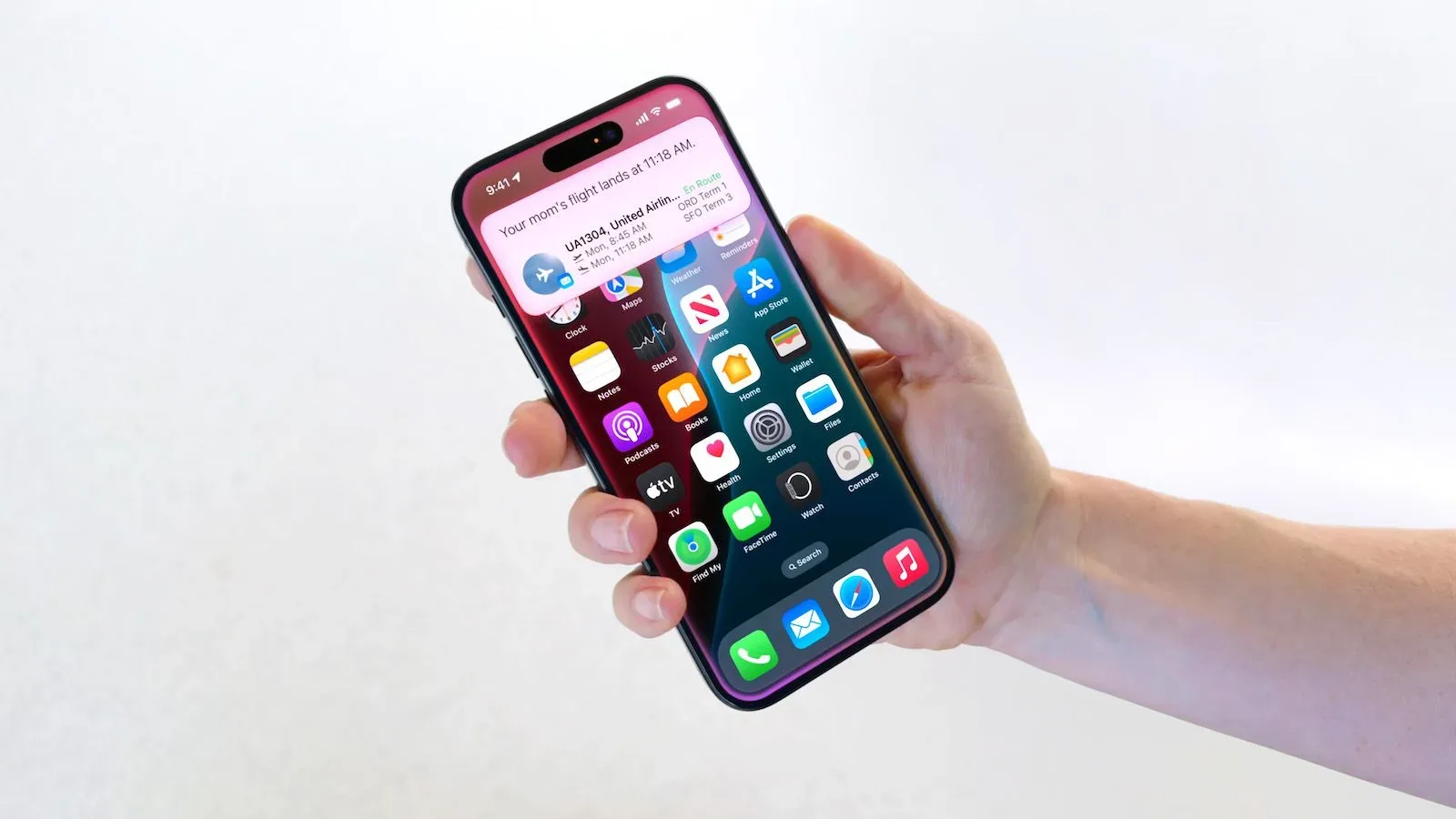
A demonstration presented the idea in practical terms: Siri could potentially answer a question about a person’s mother’s flight and lunch plans by drawing on information in Mail and Messages. This is different from a conventional voice assistant response that simply searches the web, sets a timer, or opens an application. Personal context refers to the assistant using relevant information associated with the user, while on-screen awareness means it can account for what the user is currently viewing. Per-app controls describes the capacity to carry out more meaningful actions within or between apps.
Those capabilities appeared in product presentations, on Apple’s website and in advertising, including a television commercial featuring Bella Ramsey. In March 2025, Apple delayed the personalized Siri launch. A class action followed, alleging false advertising connected to the delayed functionality.
Apple denies the allegations. It agreed to settle rather than continue through the costs and risks of a trial, while saying it wanted to remain focused on delivering products and services to users. A settlement is therefore not the same thing as a court finding that the allegations were proven. It is a negotiated resolution that creates a claims process for qualifying customers.
Apple later announced Siri AI at WWDC 2026 in June. It is available on iPhone 15 Pro models and newer devices running iOS 27, which arrived in September. That later availability does not erase the settlement’s defined purchase window or eligibility conditions. A claimant needs to meet the terms of the settlement, rather than merely own a device capable of running the subsequently released Siri AI.
Who can submit a claim
The eligibility rules are specific. A person must live in the United States and must have bought an eligible iPhone in the United States, for a purpose other than resale, between June 10, 2024 and March 29, 2025.
The eligible models are:
- iPhone 15 Pro
- iPhone 15 Pro Max
- iPhone 16
- iPhone 16e
- iPhone 16 Plus
- iPhone 16 Pro
- iPhone 16 Pro Max
It is worth noticing what this list does and does not do. A phone being new enough to support the eventual Siri AI release is not, on its own, the test. The qualifying model, place of purchase, timing of purchase, residence requirement and non-resale condition all matter. Conversely, a person with more than one qualifying iPhone can potentially have more than one eligible device payment, because the settlement payment is structured per eligible iPhone.
That does not mean every phone in a household automatically creates a claim. The purchaser must satisfy the settlement’s conditions, and the claim needs to be valid. Consumers should read the settlement materials carefully before submitting information or making decisions about their legal options.
How the payment figure works
The $250 million settlement fund is not a flat $250 million divided evenly among every iPhone owner who ever saw an Apple Intelligence presentation. Settlement administration can involve valid claims, the terms governing the fund and other factors. That is why the documents establish a floor and ceiling for the per-device amount.
For practical purposes, there are three numbers to keep separate:
- $25: the stated minimum payment per eligible iPhone.
- $61: the current estimate from class lawyers, based on early participation data.
- $95: the stated maximum payment per eligible iPhone.
The estimated $61 is useful for setting expectations, but it should not be presented as guaranteed cash. The final amount will only become clear after the claims deadline has passed and valid submissions have been assessed. Anyone deciding whether the paperwork is worthwhile should treat the minimum and maximum as the settlement’s firm boundaries, while viewing the $61 projection as a snapshot of the expected result under current participation.
There is also a basic lesson here for buyers evaluating feature-heavy devices. A product preview can describe a direction, a capability and an intended user experience, but the eventual shipping schedule may change. That distinction is particularly relevant for AI features, which often depend on software releases, device compatibility and interactions across multiple apps. In this case, the settlement is tied to allegations about the delay after heavily promoted personalized Siri features were previewed.
What information the claim process requests
Eligible customers should have received an email notice with a claim ID and PIN. Those credentials can streamline the process, but their absence does not necessarily end it. The settlement site includes a route to submit a claim without the notice details.
The form requests personal information and the qualifying iPhone’s serial number. If a claimant does not have the serial number, the process asks instead for the Apple Account email address and the eligible iPhone’s phone number.
That makes preparation fairly straightforward. Before opening the claim form, identify the exact iPhone or iPhones that fall within the model list and purchase period, then gather the relevant account or device information. Check details carefully. A serial number is a device-specific identifier, so it is not interchangeable with a phone number, and entering information for a non-qualifying model would not make it eligible.
Users should also be careful about the difference between an authentic settlement notice and an unrelated message that happens to reference Apple or Siri. The supplied settlement process describes the information it requests; claimants should use the official settlement website and review its explanations of the available options. Do not assume an unsolicited request for unrelated credentials is part of the settlement simply because it mentions the case.
For readers keeping up with the wider Apple retail picture, the company’s UK store footprint is also changing: Apple’s Festival Place location in Basingstoke has closed, with a Reading store upgrade planned for December.
Deadline, approval hearing and expected timing
The deadline to submit a claim is December 21, 2026. Waiting until the last minute is risky when a claim requires confirming a device, a purchase window and account or serial-number information. The available materials say there is one month remaining, but the calendar deadline is the detail to work from.
Money is not expected to arrive immediately after that date. A final approval hearing is scheduled for February 24, 2027, and payments are not expected to begin until some point in 2027. In class-action terms, final approval is the court stage at which the proposed settlement is reviewed before distribution can proceed. It explains why a completed claim and a quick payment are two very different milestones.
Options beyond filing a claim
The settlement website also includes information about opting out and other important matters. Those choices can have legal consequences, so they should not be treated as a box to click through casually. Filing a claim, doing nothing and opting out are distinct paths under a class settlement, and the official materials are the appropriate place to review their terms and deadlines.
The immediate takeaway is simpler: U.S. purchasers of an iPhone 15 Pro, iPhone 15 Pro Max, or listed iPhone 16-family device should check whether their purchase falls between June 10, 2024 and March 29, 2025, confirm it was bought in the U.S. for non-resale use, and submit a claim before December 21 if eligible. The potential award is per device, the present $61 figure remains an estimate, and any eventual payment is expected only after the February 2027 final approval stage.