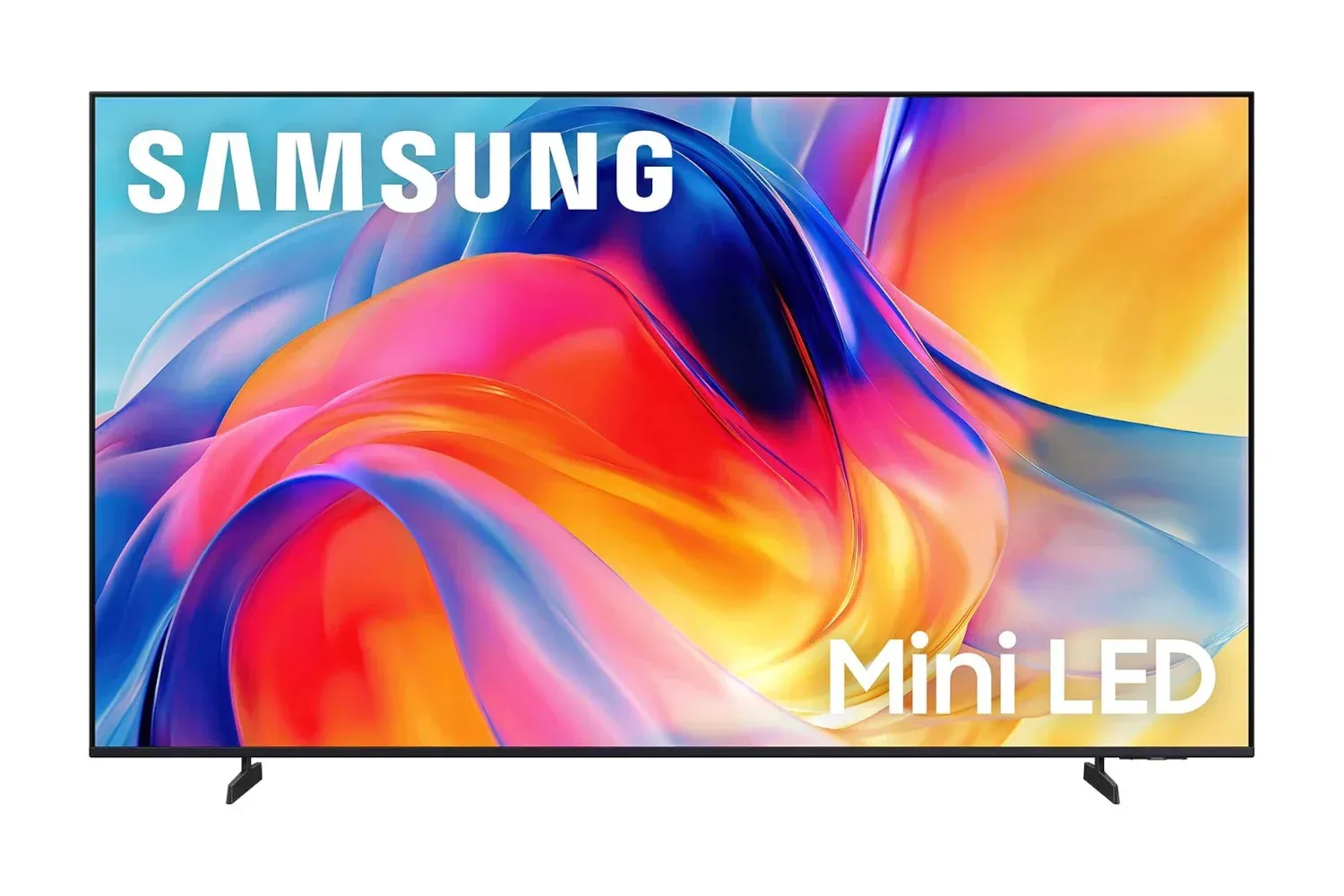
A Samsung 55-inch M70H 4K Smart TV has been listed at $300, a reduction from a stated regular price of $348. That is a $48 difference, or roughly 14% off the cited price. The listing characterizes it as the lowest price seen in 90 days, which makes it a potentially appealing screen upgrade for someone balancing a living-room setup between games, streaming and sports.
The headline specifications attached to the deal are unusually gaming-friendly for a value-focused television: a 55-inch 4K panel, mini LED backlighting, a 120Hz refresh rate, and a built-in game mode. It is also described as a smart TV with streaming access, free programming that includes live channels, and settings intended to suit sports viewing.
There is one sensible caveat before treating a product-page bullet list as a finished buying decision: televisions can have closely related model names, and the practical meaning of a feature often depends on the exact model and input configuration. Anyone considering the $300 listing should confirm the retailer’s current page shows the same M70H model, screen size, 120Hz specification and desired gaming inputs before checkout. A strong price only helps if it applies to the television and capabilities a buyer actually expects to receive.
What the $300 listing is offering
At its simplest, this is a 55-inch smart television pitched as a multipurpose display. The 4K label refers to the screen’s resolution: it has far more pixels than a 1080p display, giving compatible games and video material more image detail. Resolution alone does not guarantee that every show, console game or streaming app will arrive in 4K, but it establishes the panel’s native target for content that does.
The other major claim is 120Hz. Refresh rate measures how many times per second a display can update its image. A 120Hz screen can refresh up to 120 times in a second. In gaming terms, that gives a compatible setup the potential to present motion at up to 120 frames per second, rather than being limited to 60 updates per second by the display. Faster refresh can make rapid camera movement, driving, sports games and action games appear smoother when the game system and game output support it.
That “when” matters. A TV’s 120Hz capability is not a promise that every game runs at 120 frames per second. The console, PC, game and its selected performance settings all play a role. Some games prioritize resolution or visual effects, while others offer a high-frame-rate option. In ordinary use, a 120Hz panel can still be a useful bit of headroom, but buyers should separate the display’s maximum refresh capacity from the performance of the device connected to it.
The deal description also identifies mini LED as part of the setup. Mini LED is a form of display backlighting that uses smaller LEDs than conventional LED backlighting. The practical goal is better control of brightness across different portions of the image, which can improve perceived contrast and make bright scenes feel more vivid. Results vary with the implementation and content, so the term should be read as an important panel-design detail rather than a universal guarantee of a particular picture result.
Why the gaming details deserve a closer look
For game players, the promising combination in the listing is not simply “4K” or “120Hz” in isolation. It is the possibility of pairing detailed output with a faster refresh rate, alongside a game mode. Game mode generally refers to a picture preset designed to reduce unnecessary processing so the image reaches the screen with less delay. That delay is commonly called input lag: the time between pressing a button and seeing the relevant response on screen.
Related coverage includes Samsung's 55-Inch M70H 4K Smart TV Drops to $300, Bringing 120Hz Gaming to a Lower Price Point.
The supplied details do not specify measured input lag, supported resolutions at each refresh rate, connection standards, or which ports handle the highest refresh rate. Those are exactly the kind of details a buyer with a current console or gaming PC should verify on the precise retailer listing or manufacturer documentation. They are especially relevant if 4K at 120Hz is the primary reason for choosing this set rather than simply a nice extra.
Still, there is a straightforward value argument in the advertised configuration. A 55-inch screen offers a substantially larger shared-viewing surface than a desktop monitor, while the smart-TV functions mean it can switch roles after a game session. For a household that wants one screen for couch co-op, solo games, live television and streaming services, the feature mix makes more sense than a display built only for a desk.
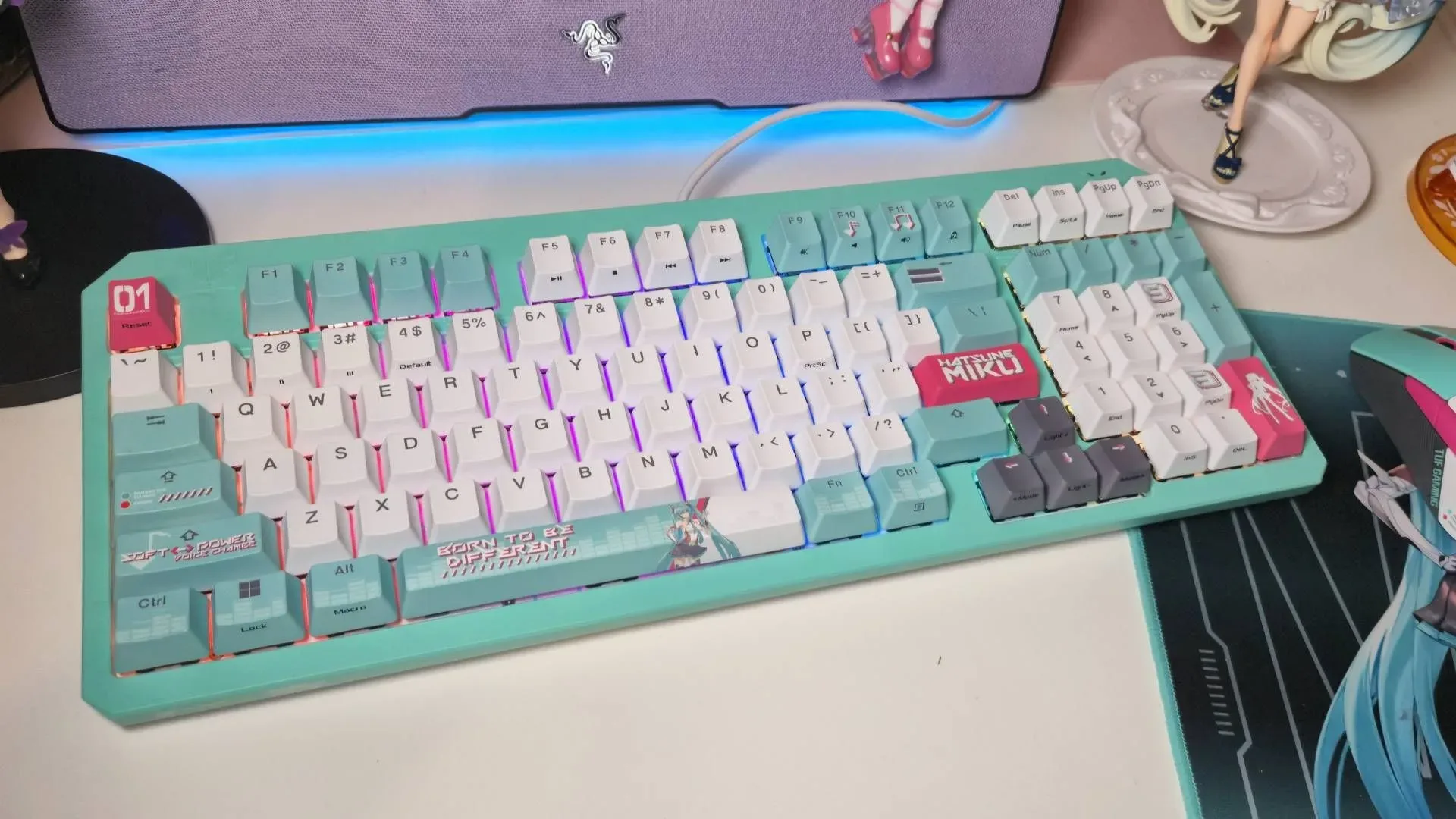
Buyers building out a full setup may also be weighing screen spending against peripherals. There are often discounts across different parts of a gaming space; for example, reported cuts on Asus TUF Gaming Hatsune Miku peripherals illustrate that a display is only one part of the budget. The more useful question is whether the M70H’s listed features match the role it will play: primary gaming display, secondary living-room screen, or an all-purpose television.
Smart-TV features broaden the use case
The M70H is presented as a smart TV, meaning its software platform provides access to streaming services and other entertainment functions without requiring an external streaming stick or console for every app. That matters for buyers who want the TV to remain useful when a console is off, or who prefer fewer devices connected to the cabinet.
The listing also mentions free programming and live channels. That can be useful as a low-commitment option for casual viewing, although the exact channel selection, apps and availability should be checked on the current product page because these services can vary by market and change over time. The same applies to the stated sports-focused adjustments: picture presets can be handy, but individual viewing preferences and the quality of the incoming broadcast remain important.
For a gaming household, smart features are a convenience rather than a substitute for core display performance. They can reduce friction when moving from a game to a show, and a 55-inch display lends itself to group viewing. But someone buying primarily for competitive play should prioritize confirmation of the gaming signal support, relevant ports and game-mode behavior first. Someone replacing an aging family-room set may reasonably value the apps, live-channel options and sports settings just as highly.
How to evaluate this deal without overreading the headline
The stated $300 price is the concrete attraction: it places a 55-inch Samsung-branded 4K smart TV with an advertised 120Hz gaming feature set below its cited $348 usual price. The 90-day low claim offers useful short-term price context, but it does not establish a permanent value or predict how long the listing will remain available. Retail pricing can move, and a shopper should regard the displayed price and stock status at checkout as definitive.
A practical pre-purchase checklist is short:
- Confirm that the listing is for the 55-inch M70H, rather than a similarly named Samsung model.
- Verify the 4K, mini LED, 120Hz and game-mode details on the live listing.
- Check the input and refresh-rate specifications if 120fps console or PC gaming is a priority.
- Review the current price, delivery terms, return policy and availability before completing an order.
- Consider seating distance and room layout; 55 inches is a significant jump for some spaces but may be the intended fit for a living room.
None of those checks undermine the deal’s basic appeal. They simply help separate broad product marketing from the exact compatibility questions that affect a real setup. On the supplied information, the M70H is positioned as a lower-cost route to a large 4K smart screen with features that matter to gamers, particularly a claimed 120Hz refresh rate and game mode. The reduction from $348 to $300 makes that proposition more compelling, provided the live retailer page confirms the configuration a buyer needs.
Shop the products
Check current price, model and availability at the retailer.