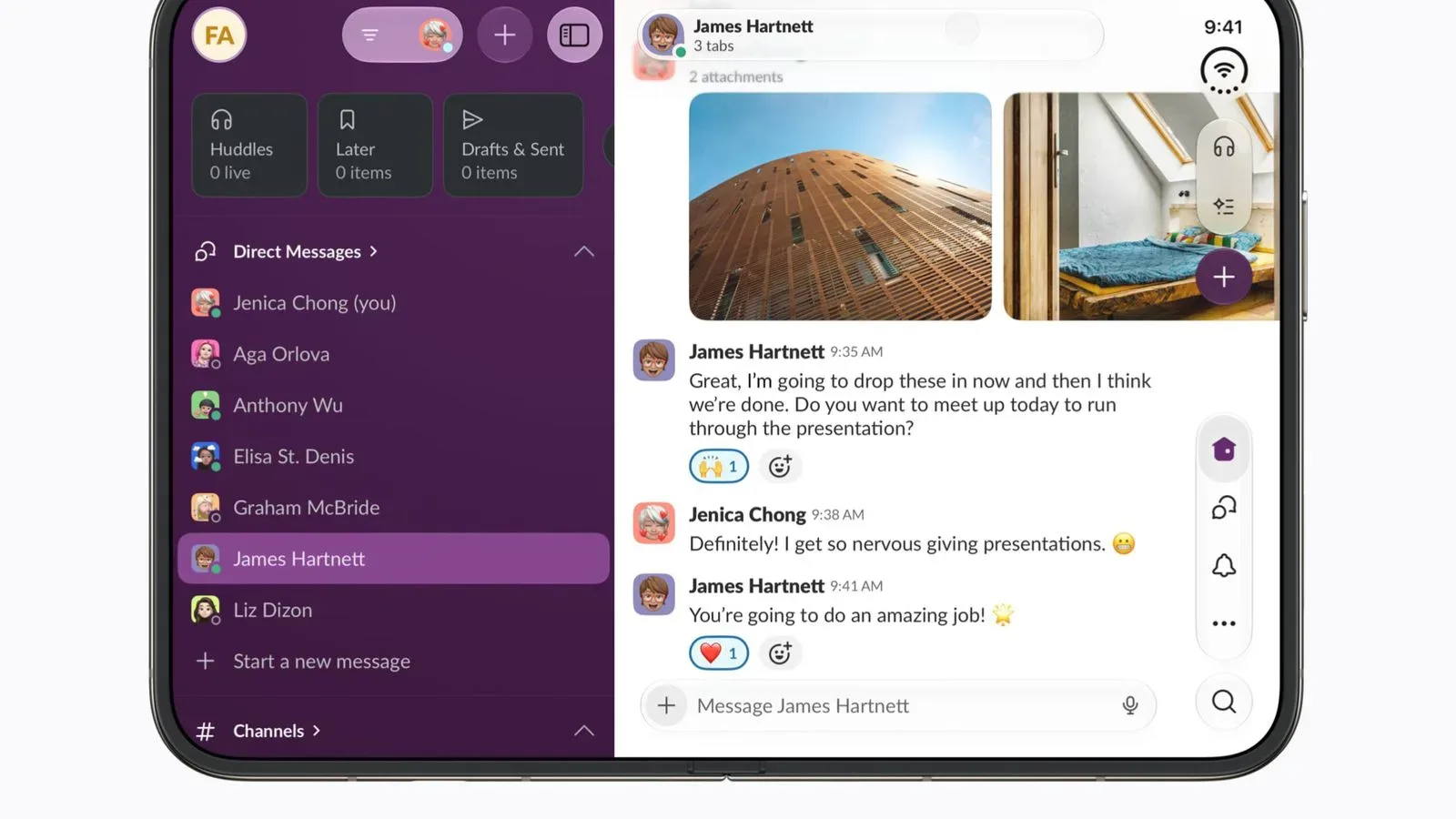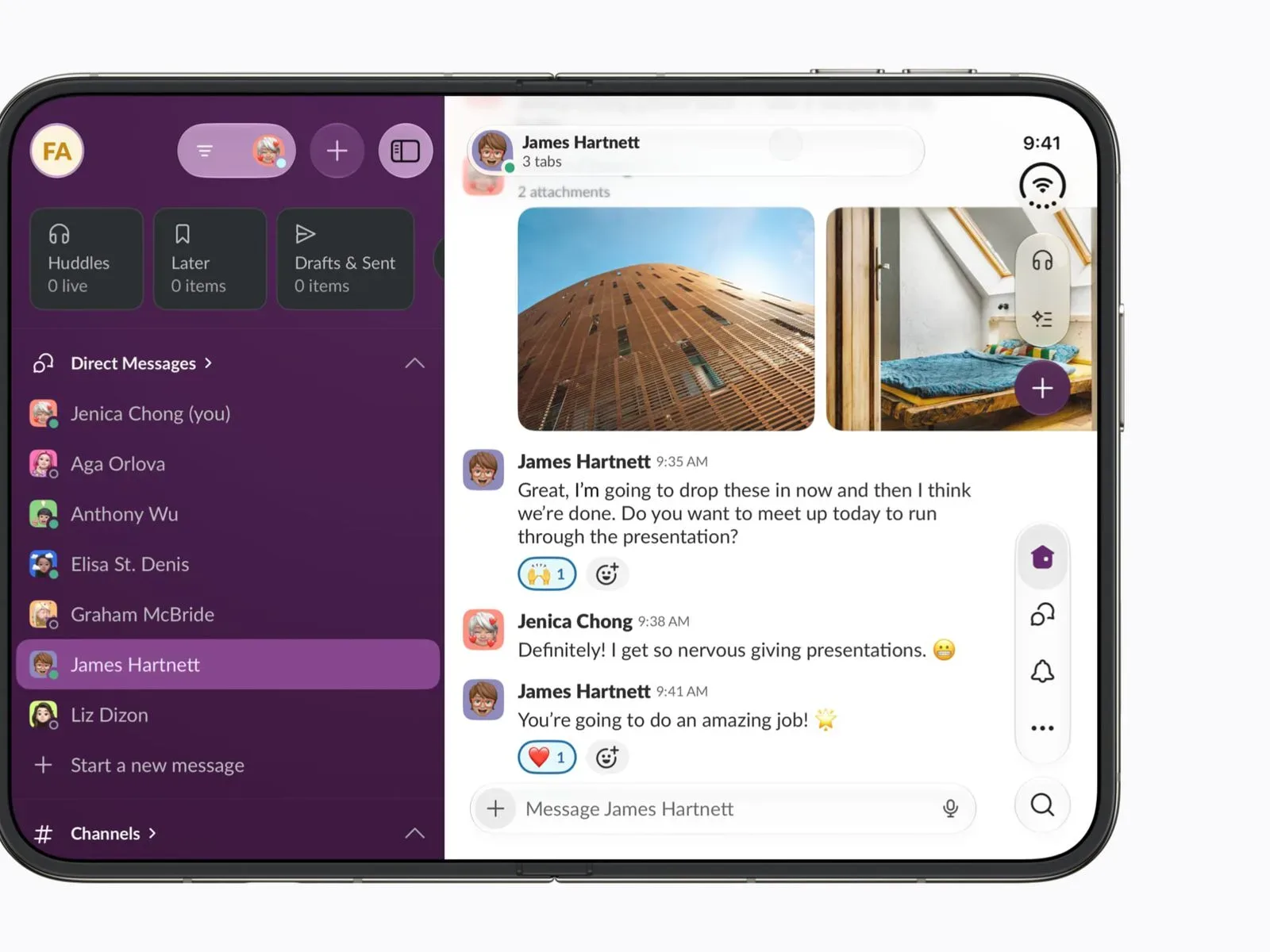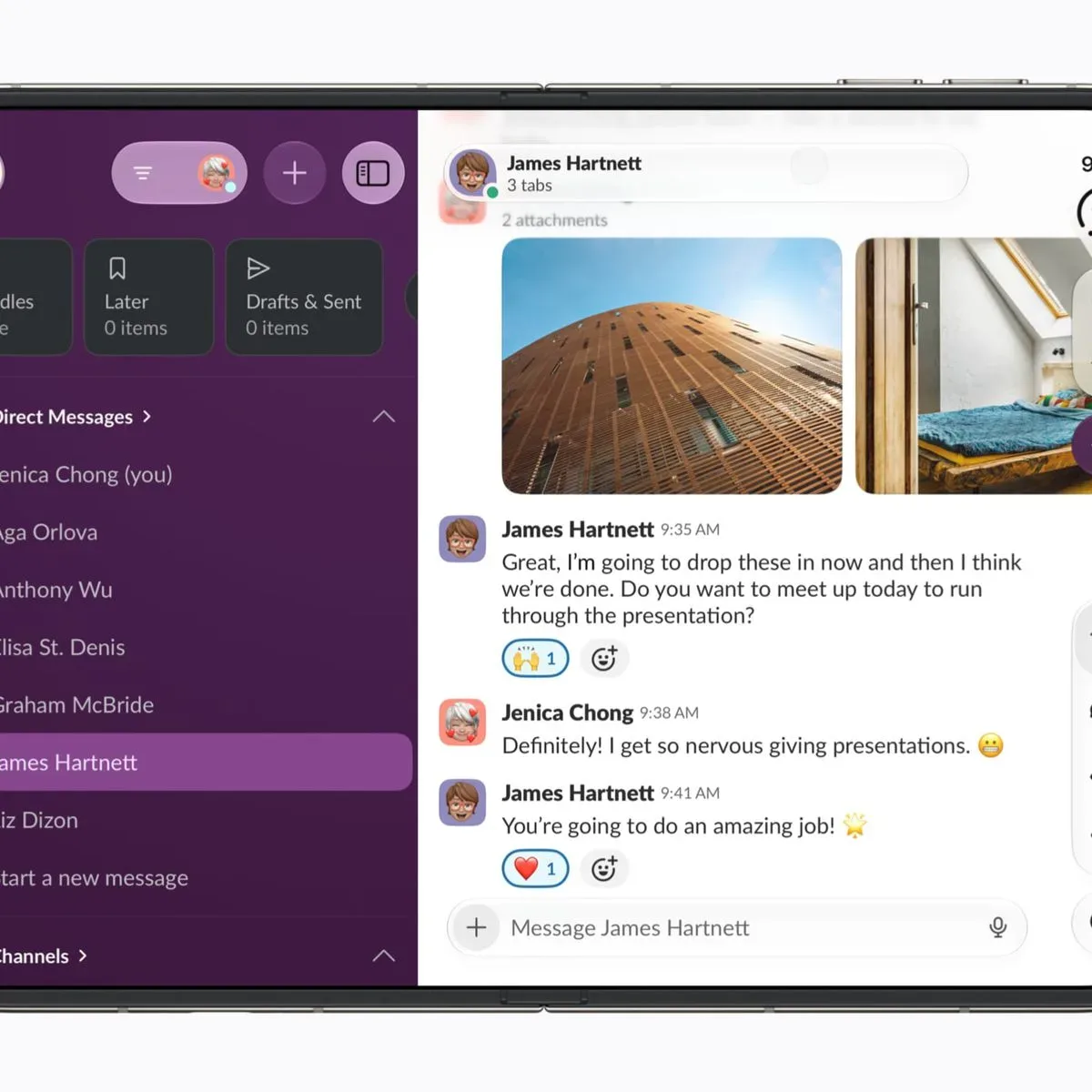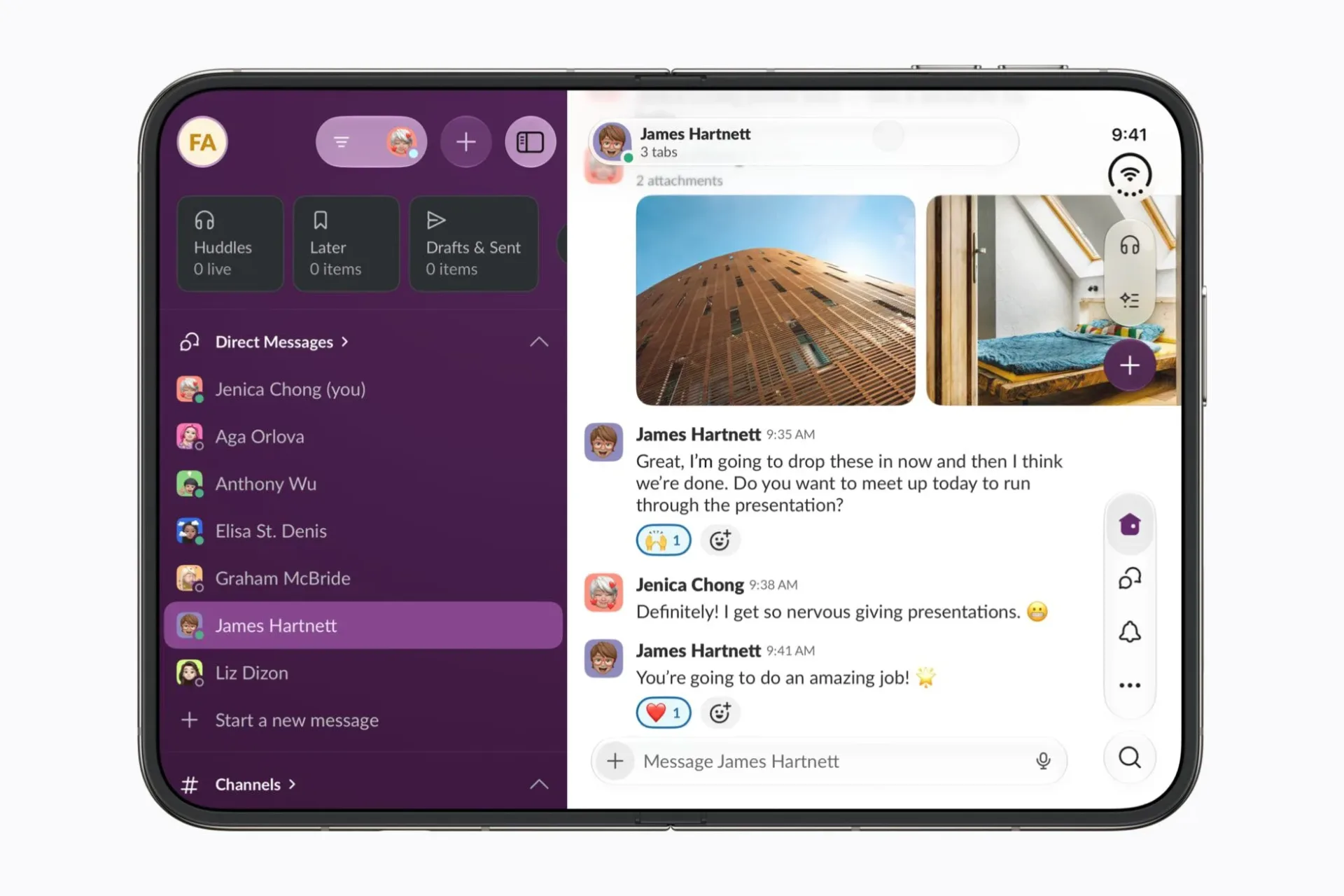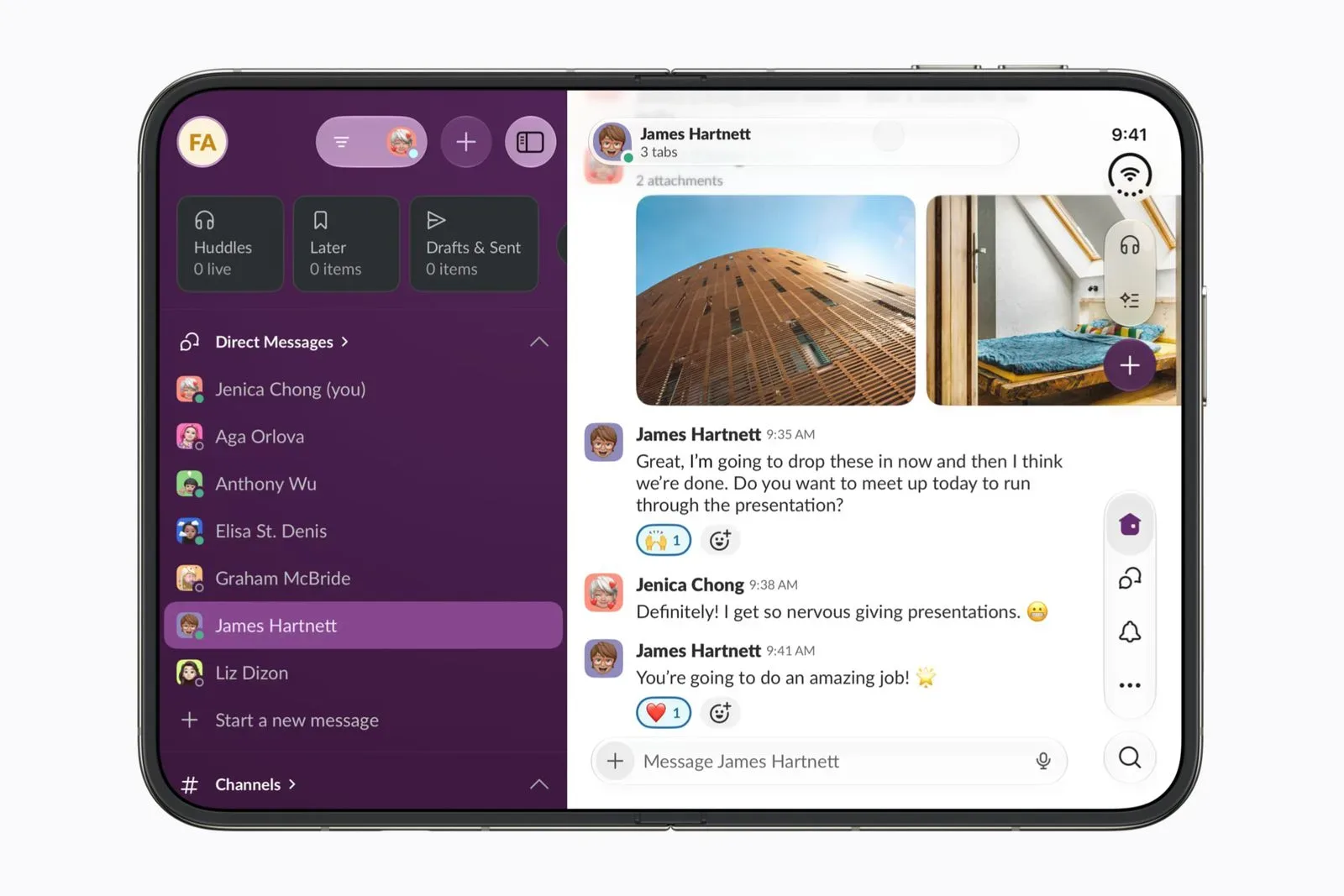
Apple has opened App Store submissions for apps optimized for the iPhone Duo, creating a runway for developers to prepare software ahead of the foldable phone’s stated launch date of Friday, October 23.
The immediate message for users is one of compatibility rather than a hard reset: Apple says most existing iPhone apps will run on iPhone Duo without changes. The more important distinction is that an app needs to be built with the iOS 27.1 SDK or later to dynamically resize across the full width of the device’s inner display without letterboxing.
That makes this a developer-readiness milestone as much as a hardware one. There is now a route for studios and app makers to get a purpose-built version through App Store approval before the device reaches customers, rather than waiting until after launch to begin the submission process.
What Apple has actually enabled
Apple’s announcement concerns App Store review submissions for iPhone Duo-optimized apps. Developers can prepare those apps using Xcode 27.1, Apple’s development environment, alongside the iOS 27.1 SDK.
An SDK, or software development kit, is the collection of tools and platform interfaces developers use to build an app for a particular operating-system release. In this case, the iOS 27.1 SDK is the stated requirement for an app to resize dynamically for the Duo’s inner screen. Xcode is the software developers use to build and package their apps, test projects, and send them onward for App Store review.
Apple has also published development tips on its website. No particular app, game, or developer has been identified as participating, and the announcement does not establish which optimized software will be available on launch day. What it does establish is that developers now have the submission access and current toolchain needed to pursue that outcome.
Compatibility and optimization are different things
The key practical detail is the separation between an application that runs and one that is optimized.
For iPhone Duo owners, an existing iPhone app should generally remain usable without its developer shipping a special update. That baseline matters: it suggests buyers will not be starting with an empty software library simply because the device’s form factor changes.
Related coverage includes Apple Opens App Store Submissions for iPhone Duo-Optimized Apps.
But basic operation is not the same as filling the interior display intelligently. Apple says only applications made with the iOS 27.1 SDK or newer can dynamically resize to use the full width of that screen without letterboxing.
Letterboxing describes unused bands of display space around content when an app’s intended shape does not match the available screen. On a foldable device with a larger inner display, it can mean the app continues to present itself in a narrower layout rather than expanding across the panel. Avoiding it is not merely cosmetic: it is tied to whether menus, text, controls, media, and interactive layouts can make sensible use of the extra room.
“Dynamically resize” is the other meaningful phrase. It indicates an app can adapt its layout to the device’s available screen width instead of adhering to a fixed phone-sized presentation. Apple’s statement does not spell out how individual apps will arrange their interfaces, and no universal design outcome should be assumed. A developer still has to decide how to use the changed space well.
Why this matters to games and game-adjacent apps
The submission opening is platform news, but it has clear implications for mobile games and the surrounding apps players use. A foldable inner display changes the amount and shape of the on-screen space available to an interface. That can affect how a game presents playfield information, virtual controls, maps, inventory panels, chat, guides, streaming interfaces, or companion tools.
None of those changes are automatic simply because a title launches on iPhone Duo. Existing iPhone games are expected to run without modification, while full-width adaptive behavior depends on the iOS 27.1 SDK requirement described by Apple. A game may therefore be compatible on day one while still presenting a more conventional phone-oriented layout until its developer supplies an updated build.
For teams that elect to optimize, the challenge is not simply expanding every visual element. A wider layout can require a deliberate redesign of hierarchy and readability. More space can be useful only if it prevents clutter rather than creating it. A control placed farther from a player’s natural thumb position, for example, may look more spacious but could be less convenient in practice. Likewise, a wider game view can be valuable, but the announcement alone does not tell us which games will alter their field of view, interface arrangement, or touch-control placement.
The safest expectation is a two-tier experience at launch: broad access through existing iPhone compatibility, followed by varying degrees of software-specific refinement where developers update for the new screen behavior.
App Store timing is part of the launch equation
Opening submissions ahead of October 23 gives developers an opportunity to place optimized builds into Apple’s normal App Store review process before customers receive the device. That matters because a device launch is shaped by more than whether code can be written. Developers must create a build with the appropriate tools, submit it, and receive approval before it can appear on the store.
Apple has not provided a timetable for review decisions in this announcement, so it would be premature to infer that any particular developer will have an optimized app ready at launch. The practical takeaway is narrower: the gate for submission is now open, and developers have a defined software baseline in iOS 27.1 SDK and Xcode 27.1.
For smaller studios, the same transition may involve prioritization. An existing game that runs well may not need an immediate update for basic availability. An update aimed at dynamic resizing could be more valuable for apps whose interface benefits directly from a larger canvas, but it also needs design, implementation, testing, and App Store review. Apple’s compatibility statement means those choices can be made without forcing developers to rebuild an app just to remain functional on the new hardware.
What users should and should not expect
- Expect broad baseline support: Apple says most existing iPhone apps will run on iPhone Duo without modification.
- Do not assume every app fills the inner panel: Apple ties full-width dynamic resizing without letterboxing to apps built with the iOS 27.1 SDK or later.
- Look for updates rather than a separate ecosystem: The announcement frames iPhone Duo software as part of the existing iPhone App Store environment, with optimization layered on top of compatibility.
- Watch individual developer release notes: Apple has not named optimized apps or games, so specific support will depend on each developer’s update plans.
The distinction is useful for anyone evaluating a foldable as a gaming and entertainment device. A large screen alone does not guarantee a better interface; the software must know how to respond to it. Apple has now made that response technically and procedurally possible for developers submitting to the App Store.
A measured start for a new iPhone form factor
Apple’s approach, as described here, avoids making optimization a prerequisite for compatibility. That lowers the risk of a sparse launch library while providing a path for developers that want to take full advantage of the inner display. The iOS 27.1 SDK requirement also gives the transition a concrete dividing line: apps made with the current qualifying SDK can dynamically resize, while older builds may continue to operate without that full-width adaptation.
That framework may be particularly relevant as developers decide which apps deserve early foldable-specific attention. Products with dense interfaces, frequent multitasking-style flows, or display-heavy presentation may have the clearest reason to rethink their layouts. Yet the announcement provides no claim that every category will benefit equally, and neither should users treat an “optimized” label as proof of any particular gameplay or performance improvement.
For now, the most concrete dates and tools are straightforward. Optimized iPhone Duo apps can be submitted for App Store approval now. Developers need Xcode 27.1 and the iOS 27.1 SDK to enable the full-width dynamic resizing Apple describes. And the iPhone Duo is scheduled to launch on October 23.
The broader Apple calendar remains active as well; Apple’s reported October launch windows for home hardware and Macs point to a wider period of product activity. For iPhone Duo specifically, however, the immediate story is software: developers can now submit the adaptable apps that will determine whether the foldable’s inner screen feels merely larger or meaningfully better used.