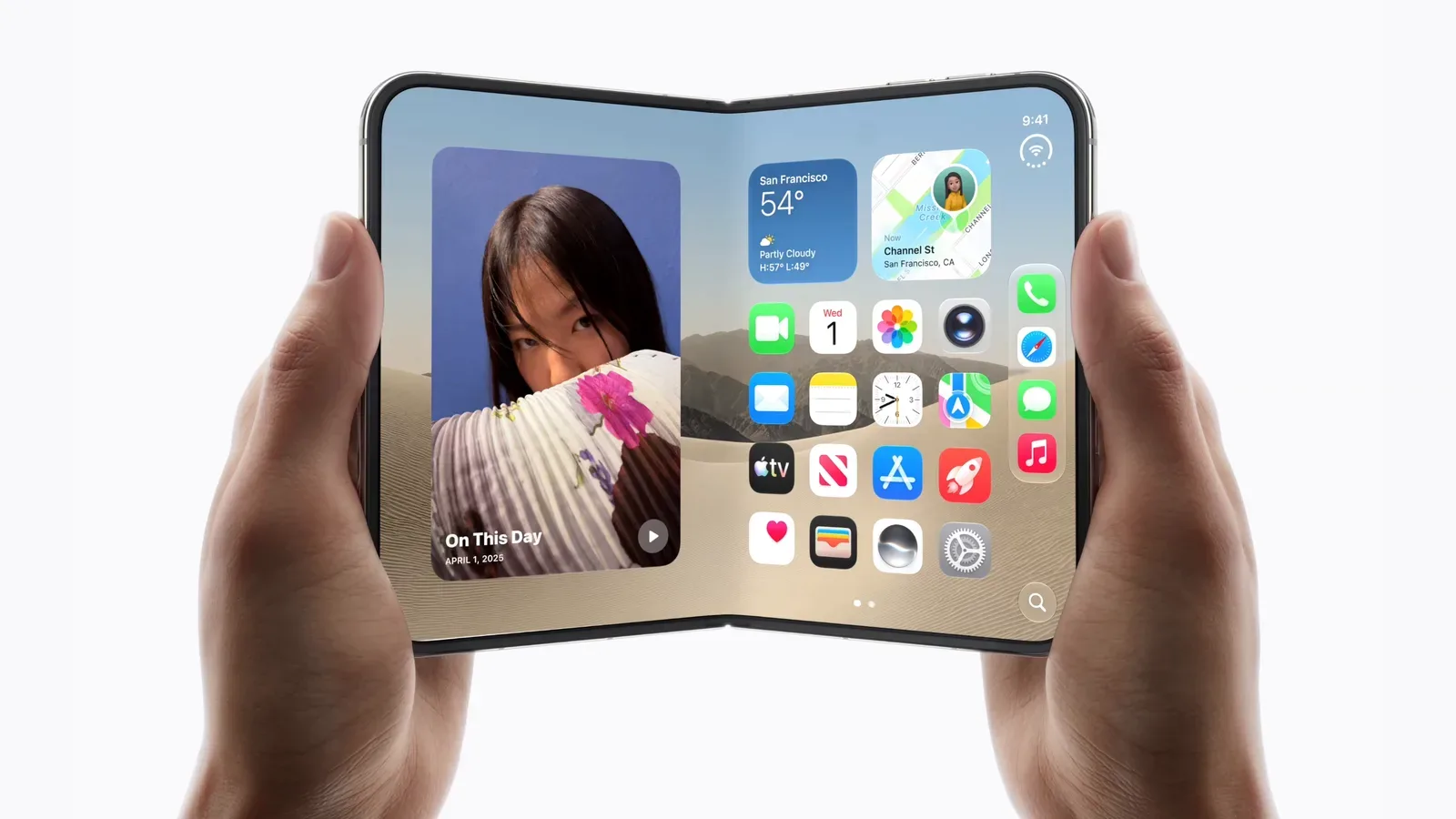
Apple has released the final version of iOS 27.1, but it is not a normal, broad iPhone update. The release is available only for the newly launched foldable iPhone Duo, which already ships with iOS 27.1 installed. During setup, however, Duo owners are required to move to a newer build of that same version.
That revised iOS 27.1 build is also available as an IPSW download file. Its release notes are brief: Apple says it contains bug fixes for the iPhone, without identifying individual problems. The update does not include security fixes.
For everyone using another compatible iPhone, the software track has already moved on. Apple has been testing iOS 27.2 across those models, and its iOS 27.2 Release Candidate also supports the iPhone Duo. iOS 27.2 is expected next week, at which point the product line should again be on one shared public release.
What makes this iOS 27.1 release unusual
A final operating-system release is generally understood as the stable version made ready for customers, as opposed to a beta build intended for testing. In this case, iOS 27.1 is final, but its audience is narrowly limited to one new piece of hardware: Apple’s foldable iPhone Duo.
The distinction is meaningful because “iOS 27.1” is not quite the whole story for a Duo owner. The phone arrives with that version preinstalled, yet setup calls for a newer build carrying the same 27.1 label. A build is a specific compiled version of software. Two builds may belong to the same named software release while differing in fixes or device preparation. Here, Apple has confirmed only the broad purpose of the later build—bug fixes—and has not listed what it changes.
That makes the practical instruction straightforward: anyone activating an iPhone Duo should allow the requested setup update to complete. There is no supplied evidence that users need to seek out a particular fix, alter settings, or take special action beyond the device’s installation flow. The separate IPSW file is an additional distribution route, not evidence that every owner must manually restore their phone.
IPSW, explained
An IPSW is Apple’s firmware package format for iPhone software. It can be used in a computer-assisted installation or restore workflow. Its presence means the newer Duo-specific build can be downloaded as a standalone package, but the reported setup requirement remains the more relevant route for a brand-new phone.
For most people, the key point is not the file extension; it is that the iPhone Duo’s launch software has received a revised build immediately around release. The available notes do not establish whether the fixes concern folding behavior, setup, apps, performance, or any other particular area. Treating the update as a documented solution to a specific problem would go beyond what Apple has said.
Why the iPhone Duo was temporarily on its own software path
The most plausible explanation for the iOS 27.1 restriction is launch secrecy. A foldable iPhone needs device-specific software behavior, and making that code widely available before the hardware reaches customers can expose clues about its features. Keeping iOS 27.1 confined to the Duo until launch would limit that possibility.
That is an inference rather than a confirmed explanation, but it fits the timing: the iPhone Duo launched the same day the full iOS 27.1 release became available. It also fits Apple’s imminent return to a common release cadence through iOS 27.2, whose Release Candidate works on the Duo and on other compatible iPhones.
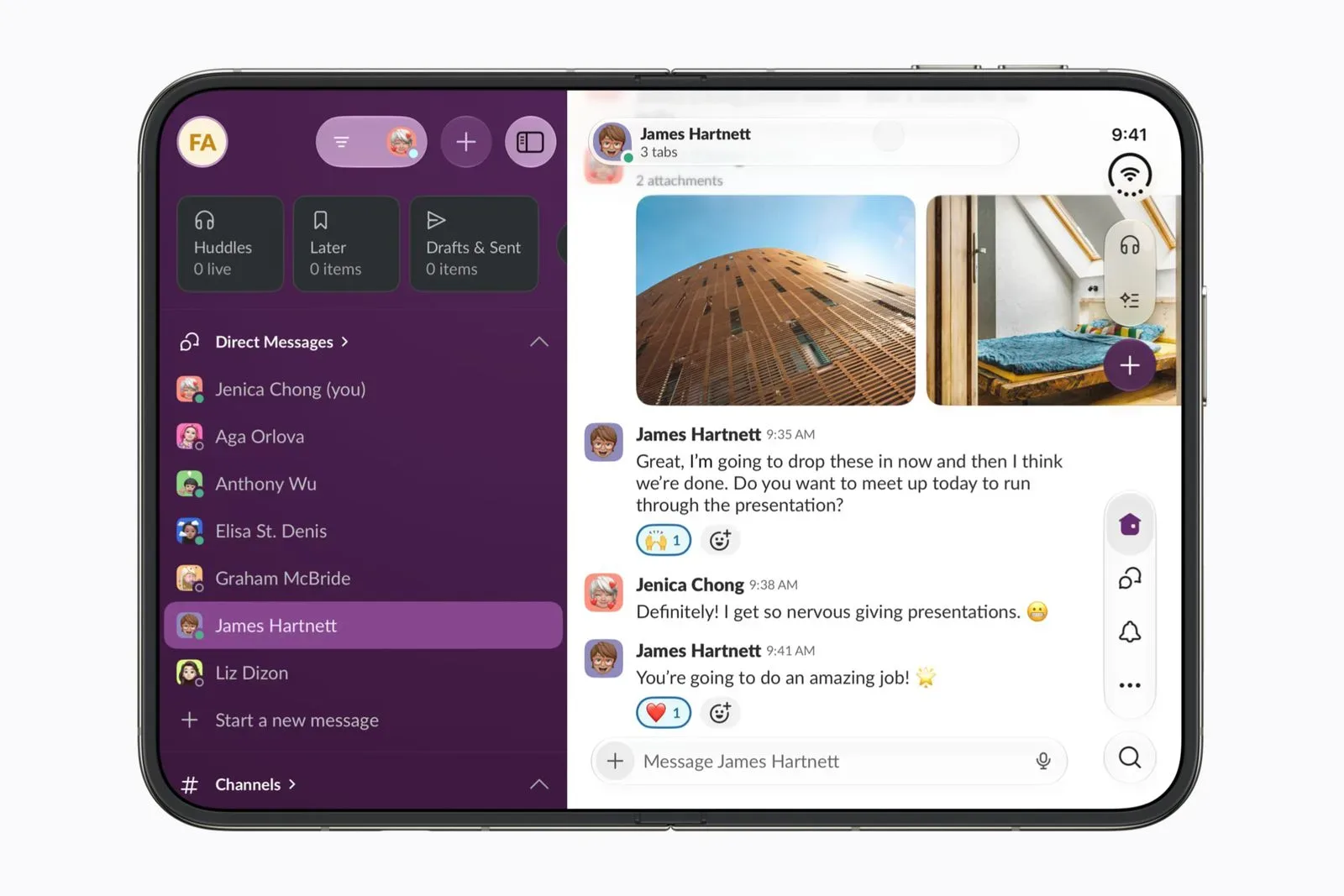
Foldable hardware makes software coordination especially important. A device that can change shape or screen arrangement needs the operating system and apps to respond cleanly as its display configuration changes. The supplied release information does not detail the Duo’s particular software features, so it would be premature to claim iOS 27.1 adds any named multitasking, game, controller, or display function. What is clear is that Apple considered a Duo-only build appropriate for launch.
That product positioning is worth keeping in mind alongside the Duo’s larger-screen appeal. As discussed in our look at the iPhone Duo’s big-screen promise, extra display area can make a foldable compelling. But launch-day usefulness depends on polished system software as much as panel size. The new iOS 27.1 build may be small in scope, yet its required role in initial setup underlines that point.
What iOS 27.2 changes for the update picture
Apple has already skipped iOS 27.1 for the broader compatible-iPhone population in favor of an iOS 27.2 beta. The current iOS 27.2 Release Candidate includes the iPhone Duo, creating a path for all supported phones to land on iOS 27.2 together.
A Release Candidate, often shortened to RC, is a pre-release build that is close to the version expected to ship publicly. It is not the same thing as a final public rollout, and Apple could still make changes before release. Still, Duo compatibility in the RC is a strong sign that the short-lived iOS 27.1 split is nearing its end.
iOS 27.2 is expected next week. That expectation should not be read as a guarantee of a particular day or hour, nor does the available information list its changes. Its importance in this story is primarily logistical: it is the planned common software destination for the new foldable and the rest of the compatible iPhone family.
Practical takeaways for iPhone Duo owners
- Complete the update requested during setup. The iPhone Duo ships with iOS 27.1 but needs a newer iOS 27.1 build as part of activation.
- Do not expect a published security patch list for iOS 27.1. Apple says the release has no security fixes.
- Keep expectations for the bug fixes measured. The release notes do not identify affected apps, folding behavior, stability issues, or performance changes.
- Watch for iOS 27.2 next week. Its Release Candidate supports the Duo, and the public release is expected to align the Duo with other compatible iPhones.
- Do not confuse the IPSW package with a mandatory manual process. It is a downloadable firmware file; the immediate requirement described for new owners is the device’s setup-time update.
Why this matters beyond version numbers
It is easy to dismiss a point-one release as routine housekeeping, especially when its notes merely say “bug fixes.” Yet the iPhone Duo’s iOS 27.1 situation is a reminder that version names do not always tell the entire operational story. A product can ship on a final version and still require a newer build of that version before it is fully ready for its owner.
For early adopters, the more relevant question is whether the system gets them quickly onto the release path shared by the wider ecosystem. On the information available, the answer appears to be yes. iOS 27.1 is a tightly scoped launch bridge for the Duo; iOS 27.2 is poised to restore consistency across compatible models.
That is also why restraint is useful around the Duo-only release. It is reasonable to see the exclusivity as a way to guard hardware-specific software before launch. It is not reasonable, based on these notes alone, to turn the update into a catalog of secret capabilities or to assume it resolves any particular concern. The confirmed facts are narrower: a new foldable has launched, it receives a revised iOS 27.1 build during setup, the build contains unspecified bug fixes but no security fixes, and iOS 27.2 is expected to bring the software lines back together next week.