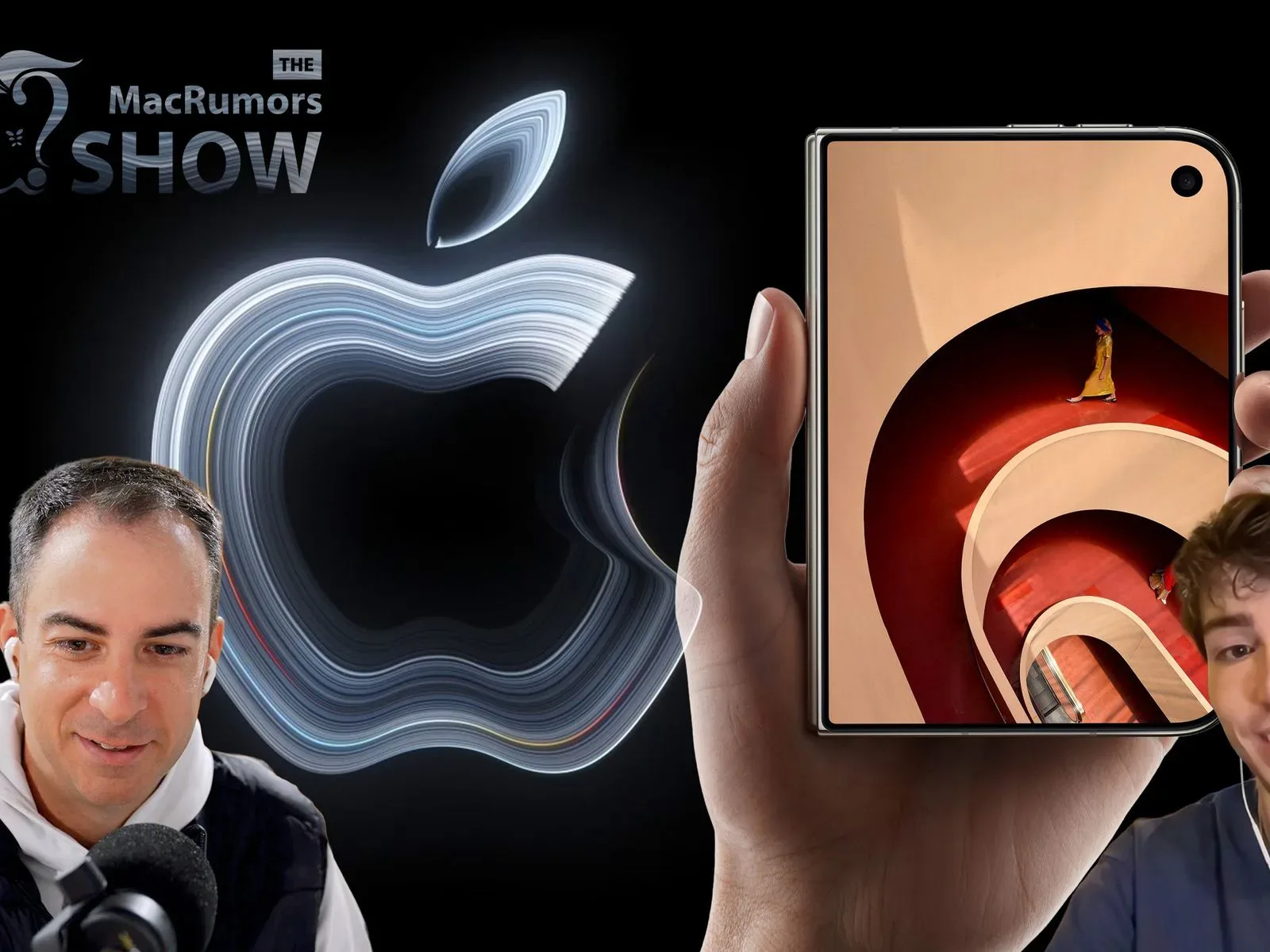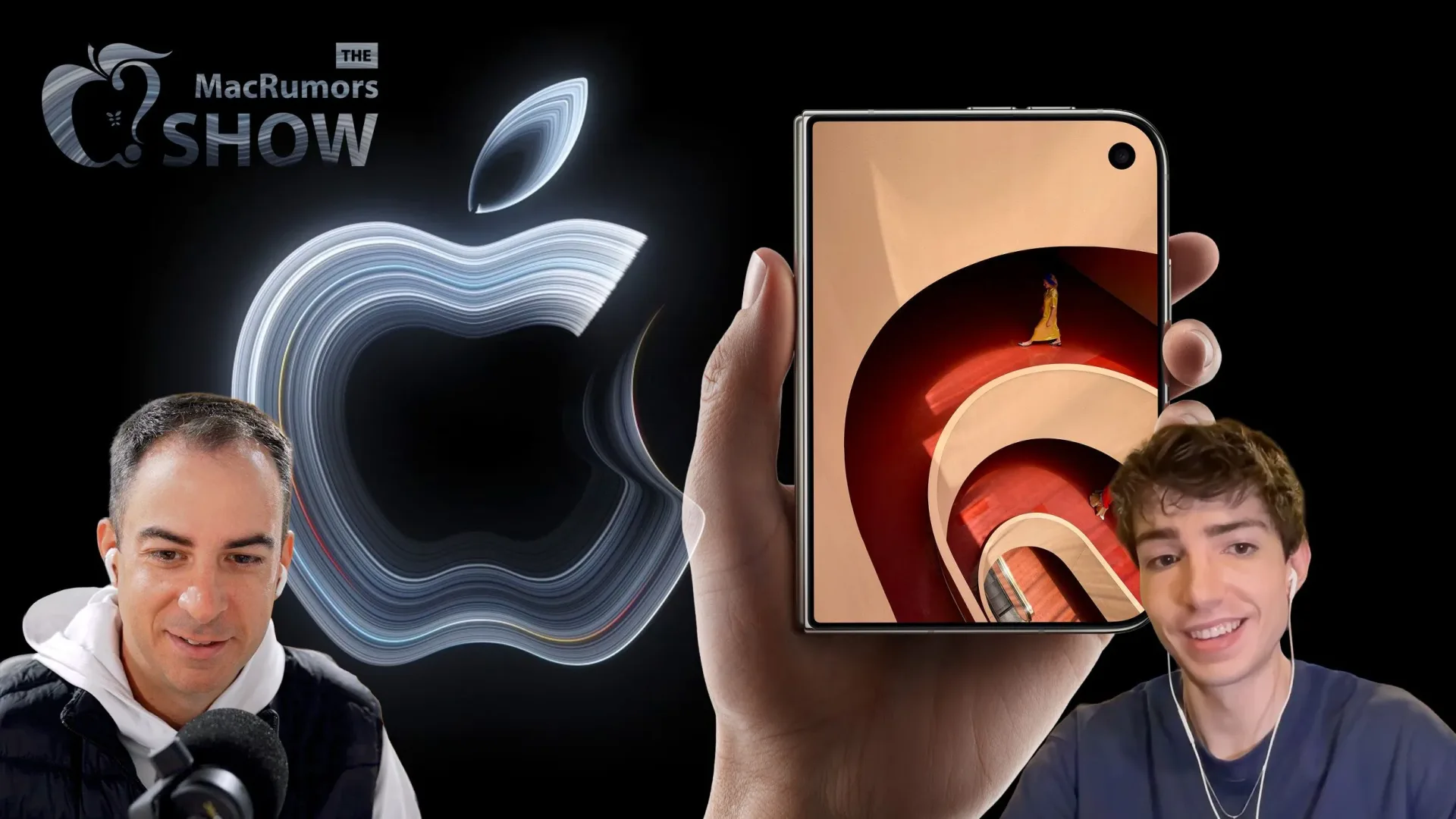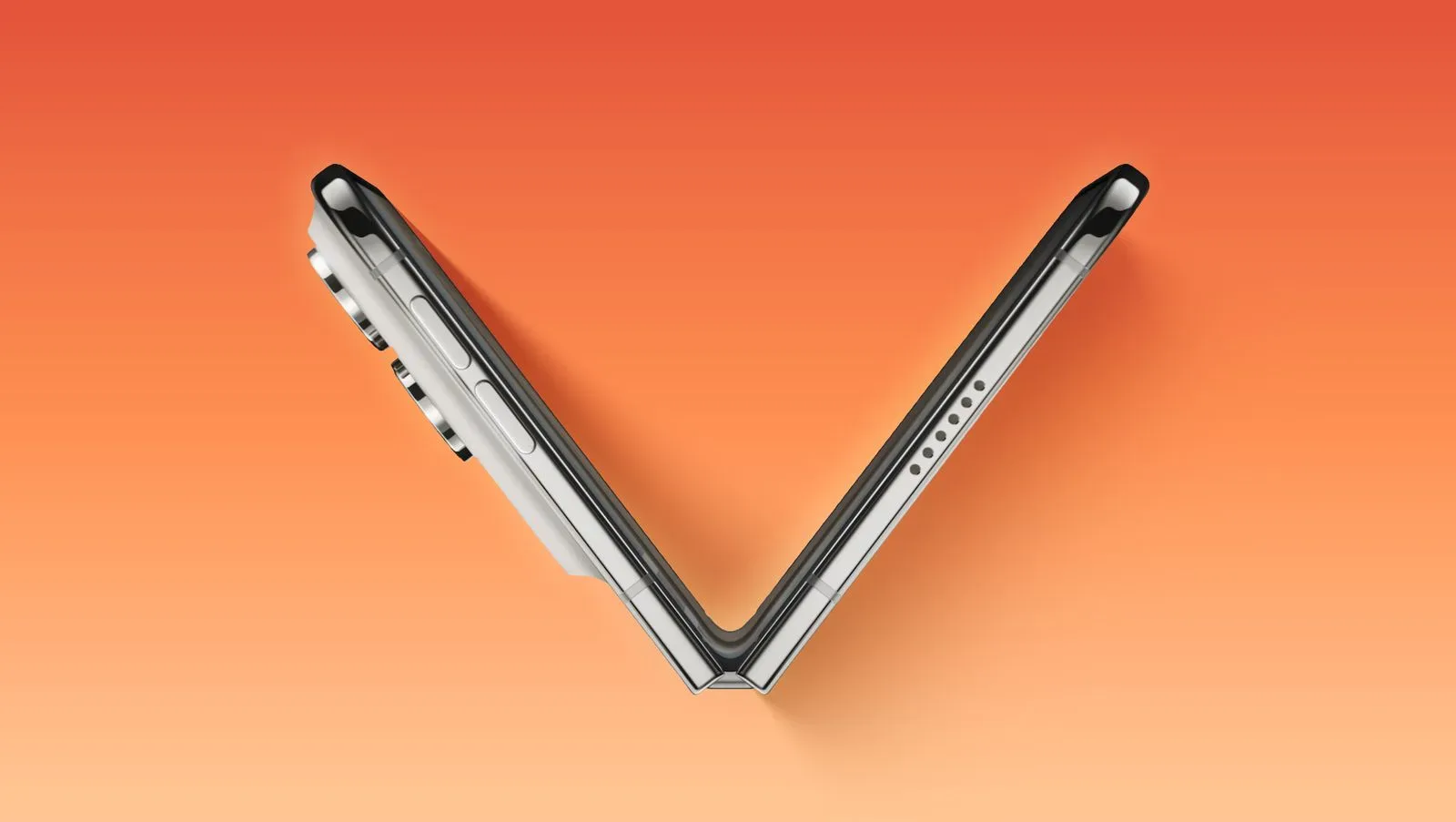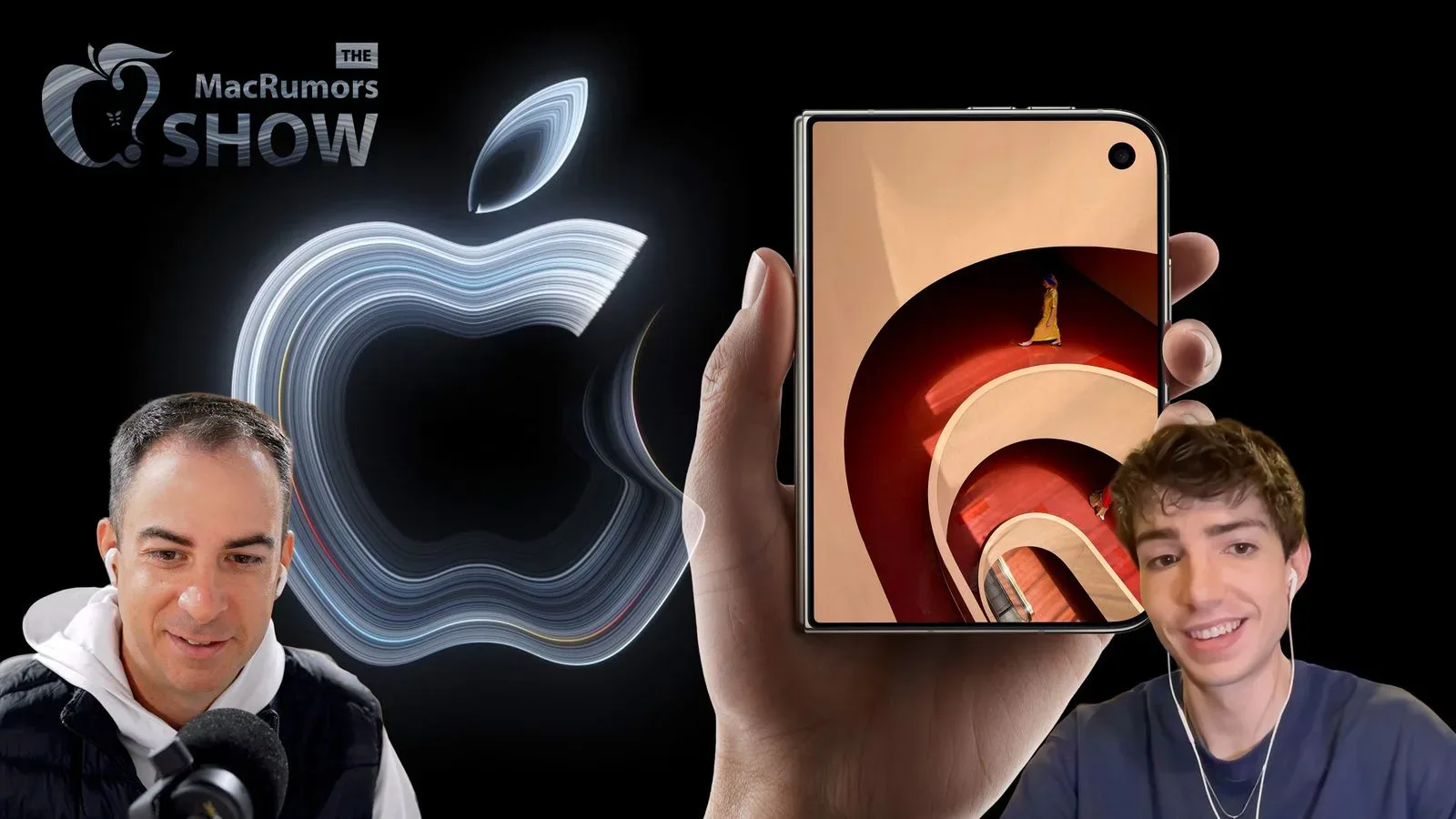
The iPhone Duo is now on sale, and the early reaction describes a device that is easy to admire yet harder to reduce to a simple recommendation. Its defining idea is straightforward: carry a phone that can open into a larger workspace. The details, however, matter enormously. A well-regarded matte inner display, premium construction and strong performance help make the larger format compelling. At the same time, uneven app support, a divisive outer screen and physical compromises mean the device’s extra real estate does not automatically translate into a better everyday experience.
That tension is useful beyond this one handset. Gaming, entertainment and creative apps all benefit from more visible space, but they also need software designed to use it. A bigger canvas cannot fix a layout that simply stretches its existing interface. The Duo’s early reception therefore makes a familiar point about new device categories: hardware may establish the possibility, while developers decide whether that possibility becomes routine.
The matte inner display is the Duo’s clearest advantage
The most consistently positive part of the response centers on the iPhone Duo’s matte internal screen. A matte finish is designed to diffuse reflected light instead of allowing it to bounce back as sharply as it would on a glossy surface. In practical terms, that can make reflections less distracting. It also reportedly makes the foldable panel’s crease less conspicuous.
That matters because the inner display is the product’s central justification. When opened, it offers more room for reading, watching video, editing photos and placing apps side by side. Side-by-side multitasking is particularly important to the pitch: rather than constantly jumping between a message, a browser page, an image and a document, users can keep more than one thing in view.
For games and game-adjacent uses, the potential is easy to understand without assuming a specific software feature. A larger display can make dense menus, maps, inventories, strategy interfaces and streaming controls more legible. It may also be more comfortable for watching game footage or following guides while handling another task. But the Duo’s broader software criticism is a reminder that screen size alone does not guarantee an interface will become more useful.
Some applications reportedly leave space unused, while others have not been optimized for the expanded form factor. “Optimized” here means an app’s design has been adapted to respond meaningfully to the available screen area—perhaps by adding a useful second pane, rearranging controls or improving how content scales—rather than merely enlarging a phone-shaped layout. If that work has not been done, an unfolded display can feel less like a compact tablet and more like an ordinary app surrounded by expensive empty territory.
Multitasking potential meets an inconsistent software reality
The Duo’s performance and build quality have made a positive impression, but its software experience appears less settled. That is not a minor footnote for a device sold on having a larger internal display. The most persuasive argument for an unfolding phone is not just that it can show a larger version of the same page; it is that the larger screen supports different habits.
Photo editing offers one example contained within the device’s reported strengths. More room could allow an image and editing controls to coexist with less crowding. Reading and video watching likewise take direct advantage of expanded space. Multitasking is more conditional: it becomes genuinely valuable when the apps involved behave well in a shared layout and controls remain clear.
Unfamiliar controls are another reported complication. New display shapes can require new interaction patterns, and the adjustment cost is real even when the underlying hardware is impressive. A control that works naturally on a conventional phone may feel misplaced or overly distant across a wider open device. A feature is only an advantage if users can reach it, recognize it and return to it without friction.
This is where the early feedback suggests caution. The Duo seems capable of making certain sessions more enjoyable or more productive, especially when its interior screen is the right fit for the task. It has not yet erased the possibility that some users will open it, notice the added surface, and still find themselves using one app in a layout that was never redesigned for it.
The closed-phone experience is just as important
A foldable has to work twice: as a compact device while closed and as a large-screen device when open. Views are split on the iPhone Duo’s outer display. Some find it sufficient for messages and quick interactions; others find it restrictive. Neither view is contradictory. A small outer screen may be perfectly capable when a user needs to reply, check a notification or perform a short action. It can feel limiting when that brief interaction becomes a longer one.
The physical design adds to that debate. Its weight and width reportedly make one-handed use more difficult. Those details may sound mundane beside a foldable screen, but they shape whether the device is pleasant in the moments between its showcase uses. The phone is not only judged when it is opened for a video, a reading session or two apps at once. It is judged when someone is standing, walking, typing with one hand or trying to perform an action quickly.
The return to Touch ID also requires adjustment. Touch ID is Apple’s fingerprint-based biometric authentication system, used to verify identity for tasks such as unlocking a device. The reported learning curve is another example of how the Duo asks users to adapt to its particular combination of form factor and controls. The issue is not necessarily that the feature is ineffective, but that familiar habits do not instantly carry over.
Camera quality is a further trade-off, with the Duo reportedly falling short of Apple’s Pro models. That places it in a more complicated position than a simple “best iPhone” label would suggest. Potential buyers are being asked to balance display versatility and multitasking against camera priorities, pocket comfort and the fit of the outer display. Which compromise feels acceptable will depend on which mode of use takes up most of a person’s day.
Why app support may decide the category’s future
The early picture of the iPhone Duo is not one of a failed concept. It is a picture of a promising format whose best experiences are clear enough to see, even if they are not yet consistent enough to define every use. The matte display reportedly improves visibility and reduces the visual distraction of the crease. The open screen creates welcome room for content and concurrent tasks. Yet a device built around extra space needs software that treats that space as a feature rather than a blank margin.
That makes app support the important long-term variable. Better layouts could make the Duo’s multitasking case easier to understand. More capable use of the internal screen could also reduce the sense that opening the device is occasionally impressive but not always necessary. Future hardware may change the equation as well, but there is no need to presume a particular future design to recognize the current issue: the most convincing foldable experience requires hardware and software to meet in the middle.
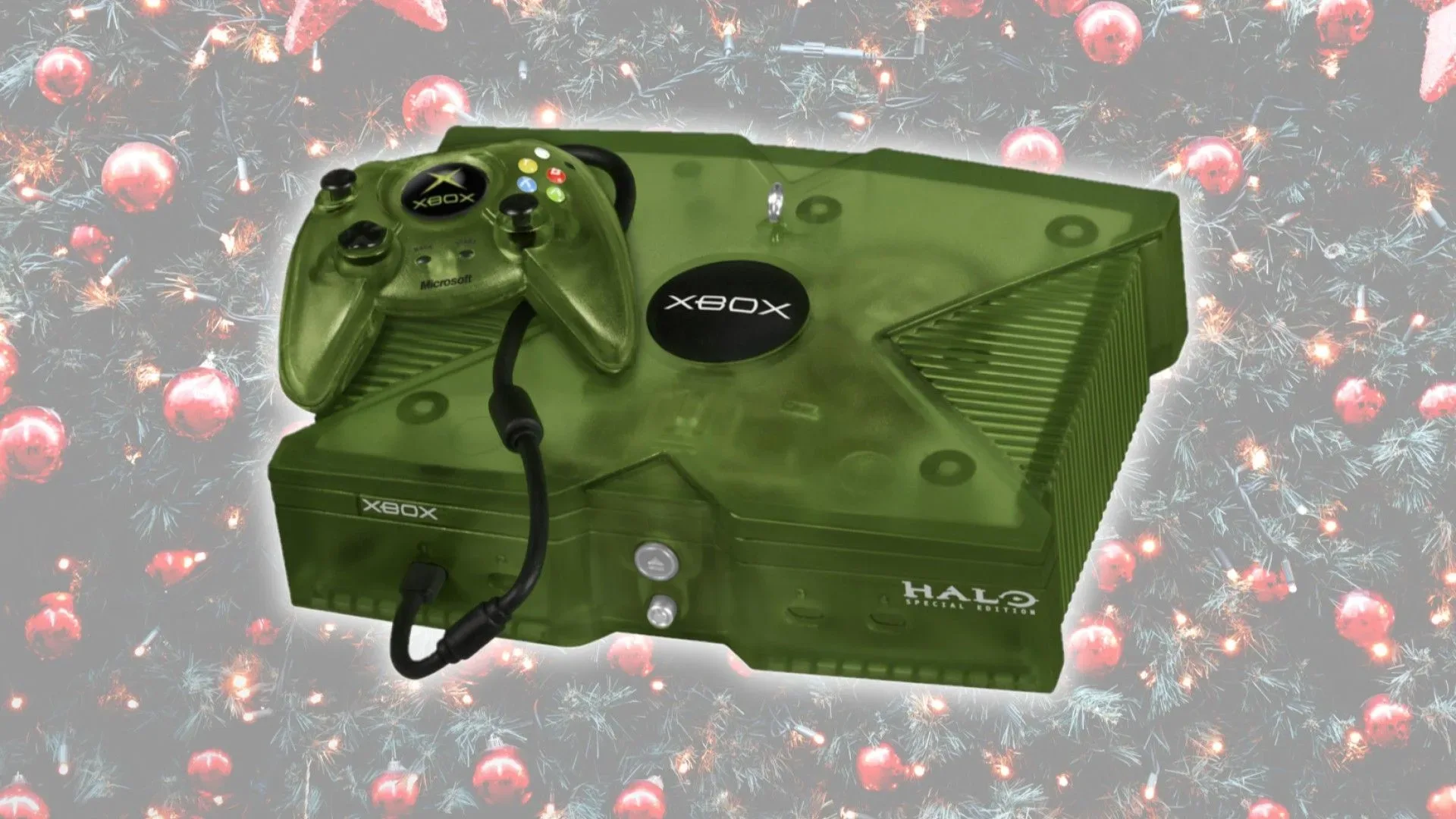
There is a wider entertainment lesson here, too. Devices associated with games and media often live or die on convenience as much as technical ambition. The enduring appeal of compact consumer hardware is often tied to how easily it fits into ordinary routines, a trait worth remembering as the original iPod reaches its 25th anniversary. Apple introduced that first iPod on October 23, 2001. Physical objects connected to landmark gaming hardware continue to have their own nostalgia pull as well, as seen with this Halo Original Xbox keepsake ornament.
OLED touchscreen MacBook Pros are expected, not confirmed
Attention now turns to an October 28 experience in Los Angeles, where redesigned 14-inch and 16-inch MacBook Pro models are expected to lead the announcements. The key reported changes are OLED displays and the first touchscreens on a Mac. These details remain expectations and rumors, not confirmed product specifications, so they should be read as a preview of what may be shown rather than a finalized feature list.
OLED, short for organic light-emitting diode, is a display technology in which pixels produce their own light. The reported move matters because the display itself—not a newly named processor generation—is expected to be a main part of the redesign. The machines are also rumored to be lighter and potentially thinner, with a reinforced hinge intended to accommodate touch input. A stronger hinge would be a practical design consideration: touching a laptop display applies force to the lid, and a display that moves too readily would make direct interaction awkward.
A Dynamic Island is also rumored to replace the current notch. The source material does not establish exactly how that element would function on a Mac, so its potential role should not be overstated. What is clear is that it would represent a visible change to the display’s top edge.
The redesigned MacBook Pros are expected to retain M5 Pro and M5 Max chips. If accurate, that would put the spotlight on the screen and chassis rather than positioning the models chiefly around a new chip family. For users whose work spans video, image editing, game development or general creative production, display quality, physical portability and input methods can be as consequential as a processor label. Whether touch becomes a meaningful Mac workflow tool, however, would depend on the software experience just as much as on the panel and hinge.
Other expected hardware: iPad mini, iMac and entry MacBook Pro
The same reported slate includes a redesigned iPad mini with an OLED display, an A20 Pro chip, a landscape front-facing camera and a redesigned speaker system. Water resistance could arrive on an iPad for the first time, though that point is presented with additional uncertainty. A landscape front camera would place it along the device’s longer edge when held horizontally, a potentially useful orientation for video calls and media-focused use.
An M6 chip is also expected for the iMac and the entry-level 14-inch MacBook Pro. Again, these are reported expectations rather than confirmed announcements. The October 28 event will be the moment that separates the rumored outlines from the actual product details.
For now, the iPhone Duo is the more immediate case study. It demonstrates why new hardware can be exciting before it is universally practical: its interior display and multitasking possibilities create a clear appeal, while everyday ergonomics and app design set limits on that appeal. The rumored touchscreen MacBook Pro faces a related challenge. A new form of input can be technically achievable and visually striking, but its value will ultimately be judged by whether it makes familiar tasks easier, not merely different.